Cornouaille Festival
The largest festival of Breton culture, held since 1923 every summer in late July in Quimper, with Breton music, dance, costume parades and over 2000 performers.
PlizioGo
Savory buckwheat pancakes, found in the many crêperies located around the cathedral area.
A buttery, caramelized cake, best bought fresh from a local bakery in the Old Town.
Visit a specialty shop or bar on the banks of the Odet to try different varieties from dry to sweet.
Visit the factory shop in the Locmaria district for hand-painted ceramics with typical Breton motifs.
The main shopping street provides local fashion, Breton striped shirts, and fine chocolates.
A hidden garden near the city walls with a collection of exotic plants and a peaceful atmosphere.
A relaxing path along the river leading out of the city center.
Water temperature…
The largest festival of Breton culture, held since 1923 every summer in late July in Quimper, with Breton music, dance, costume parades and over 2000 performers.
A lively festival in Quimper featuring circus arts, performances, and creative entertainment.
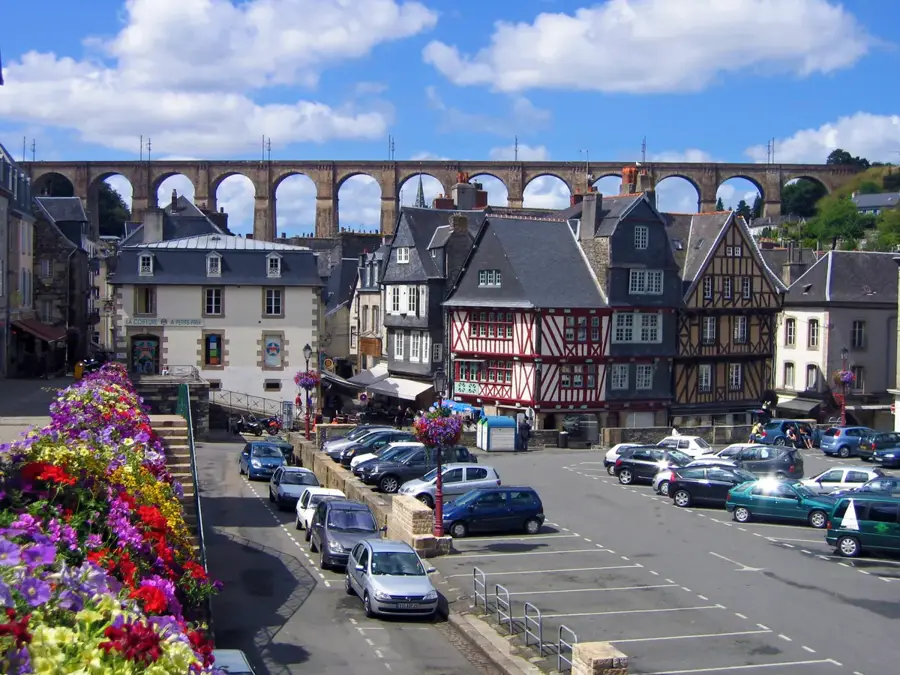
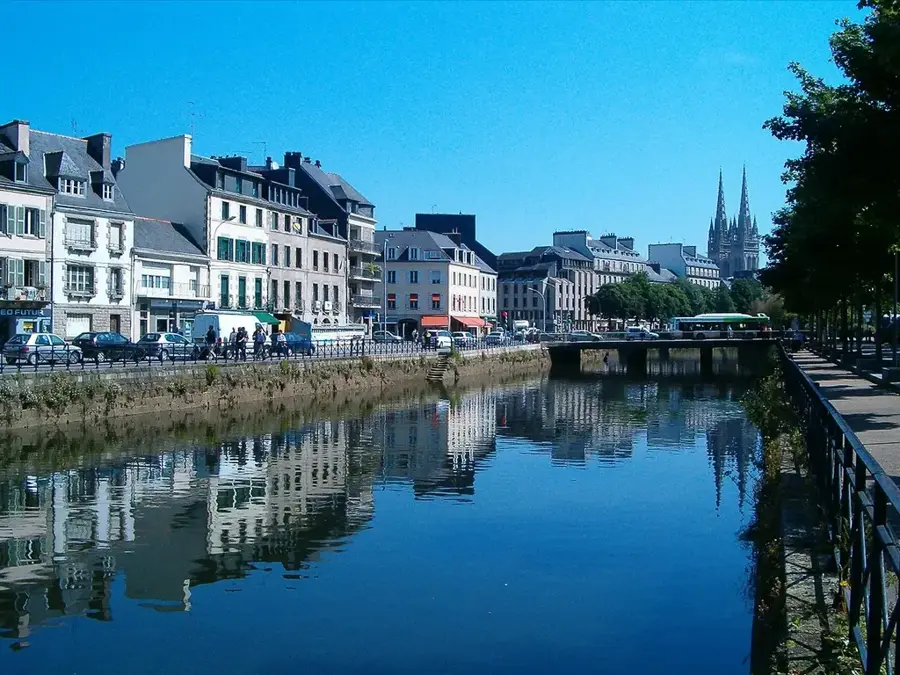
Quimper is the historic capital of the Cornouaille region in western Brittany, located at the scenic confluence of the Odet and Steïr rivers. The city is best known for its grand Saint-Corentin Cathedral, a masterpiece of Gothic architecture begun in the 13th century, which features a unique architectural misalignment between its nave and choir. The old town is characterized by its welcoming cobblestone streets and over 70 exceptionally well-preserved timber-framed houses dating from the 16th and 17th centuries. Quimper has been a world-renowned center for faïence pottery since 1690, when Jean-Baptiste Bousquet established the first factory producing hand-painted ceramics with distinctive Breton motifs. Every July, the city hosts the Festival de Cornouaille, one of the most significant celebrations of Breton culture, music, and tradition in the world. The Odet River, often cited as one of France's most beautiful waterways, flows through the city towards the Atlantic coast. Today, Quimper serves as the administrative and cultural heart of the Finistère department, blending deep historical roots with an animated modern economy.
The most pleasant time to visit is Jul–Sep.
| Jan | Feb | Mar | Apr | May | Jun | Jul | Aug | Sep | Oct | Nov | Dec | |
|---|---|---|---|---|---|---|---|---|---|---|---|---|
| Avg °C | 6 | 6 | 8 | 10 | 13 | 16 | 18 | 18 | 16 | 13 | 9 | 7 |
| Rain mm | 103 | 85 | 68 | 56 | 55 | 52 | 54 | 55 | 44 | 96 | 107 | 109 |
See what it looks like near Quimper right now.
Quimper: Quai de l'Odet · 0.2 km · Open webcam on Windy · Webcams provided by Windy.com
Notable places around
Where do you start? We build the route here, with stops and country notes along the way.
© OpenStreetMap contributors · OpenRouteService
Morning starts by exploring the medieval quarter with its picturesque timber-framed houses. At midday, we admire the impressive cathedral architecture and art treasures in the museum. In the afternoon, we wander through historical alleys and taste local specialties. The evening ends with a relaxed walk up Mont Frugy for the best view over the city.
Start your day under the timber-framed overhangs of Place Terre au Duc, staying dry while admiring the architecture. The cathedral and the Fine Arts Museum offer perfect sanctuaries during the rainy midday hours. In the afternoon, the wet cobblestones of Vieux Quimper reflect the medieval facades beautifully. Spend your evening in a cozy creperie with hot cider, as the mist settles over the Odet.
A crisp winter morning by the Odet is refreshing. The cathedral looks majestic in the low winter sun, though the interior remains chilly. At noon, the museum's heated galleries provide a warm cultural escape. Early dusk brings festive lights to the medieval streets of Vieux Quimper. A hot crepe is essential before catching the early 5 PM sunset from Mont Frugy.
The bike tour starts along the picturesque Odet banks, famous for their flowers. We cycle to the historical Locmaria district to explore the pottery museum and the old gardens. Our path leads through quiet parks and ends back in the lively city center.
Cycle carefully along the Odet banks, where the trees offer some shelter. In the Locmaria district, park your bike and visit the Faïence Museum to stay dry. The Prieuré Garden looks almost mystical in the rain. Take a midday break in a local bistro. Finish the tour in the center, where you can securely park your bike before exploring the old town on foot.
A winter bike ride along the Odet requires warm gloves against the cold wind. In Locmaria, warm up inside the Faïence Museum. The Prieuré Garden feels very peaceful and orderly in its winter state. Stop for a hot soup at midday. The tour ends in the illuminated city center, where the timber-framed houses look particularly charming in the early darkness.
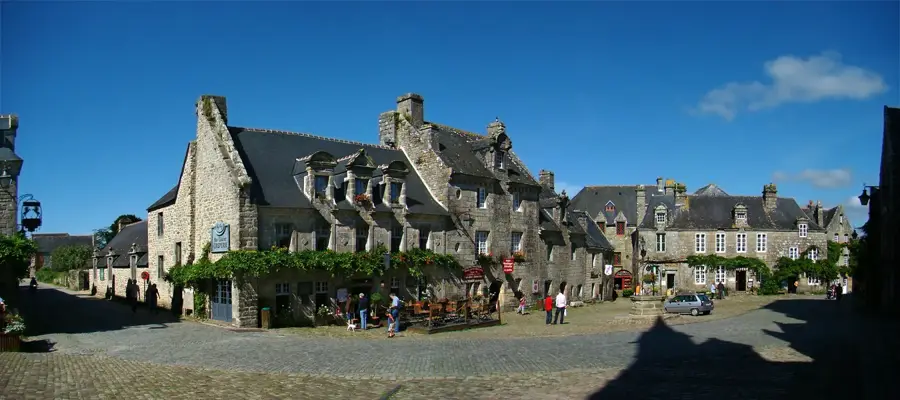
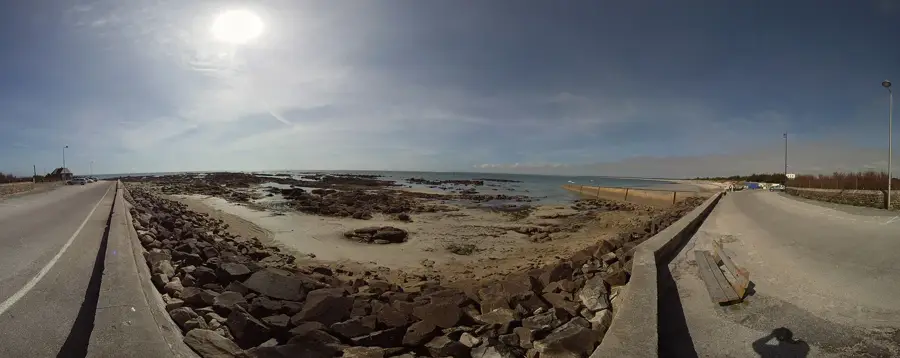
By car, we first explore the Locmaria district and then drive to the historical village of Locronan, which feels like a movie set. After a trip to the wide beach of Sainte-Anne-la-Palud, we return to Quimper for an evening stroll.
By car, you can comfortably reach Locmaria and nearby Locronan without getting wet. Locronan's granite houses sparkle beautifully in the rain – a village frozen in time. The drive to the coast at Sainte-Anne-la-Palud offers dramatic views of the rough sea. End the day back in Quimper, parking in a multi-story car park near the cathedral.
The winter drive to Locronan is magical when the village is festively decorated. The cool sea air at Sainte-Anne-la-Palud is invigorating; enjoy the Atlantic views from your warm car. Returning to Quimper, the cathedral provides a quiet winter sanctuary. In the evening, the illuminated city streets invite you for a short walk before returning to your vehicle.