Interceltique Festival of Lorient
The world's largest gathering of Celtic cultures, featuring music, dance, and parades in Lorient.
Plizio Visual Lab
Savory buckwheat crepes are everywhere; try them at a traditional crêperie around the city center.
Head to the Halles de Merville covered market to taste freshly shucked oysters with a glass of Muscadet.
A decadent, buttery, and flaky pastry. Pick one up from an artisan boulangerie early in the day.
The brutalist market hall is first-rate for buying local Breton cheeses, seafood, and charcuterie.
Lorient is great for finding traditional striped sailor shirts (marinière) and yellow raincoats.
Accessible at low tide by a causeway, this small island in the Rade de Lorient features a peaceful retreat.
Walk or cycle along the shaded greenway paths that follow the old railway lines out of the city.
Water temperature…
The world's largest gathering of Celtic cultures, featuring music, dance, and parades in Lorient.
One of the world's largest Celtic festivals, held every August over ten days in Lorient, with Celtic music, dance and the grand parade of the Celtic nations.
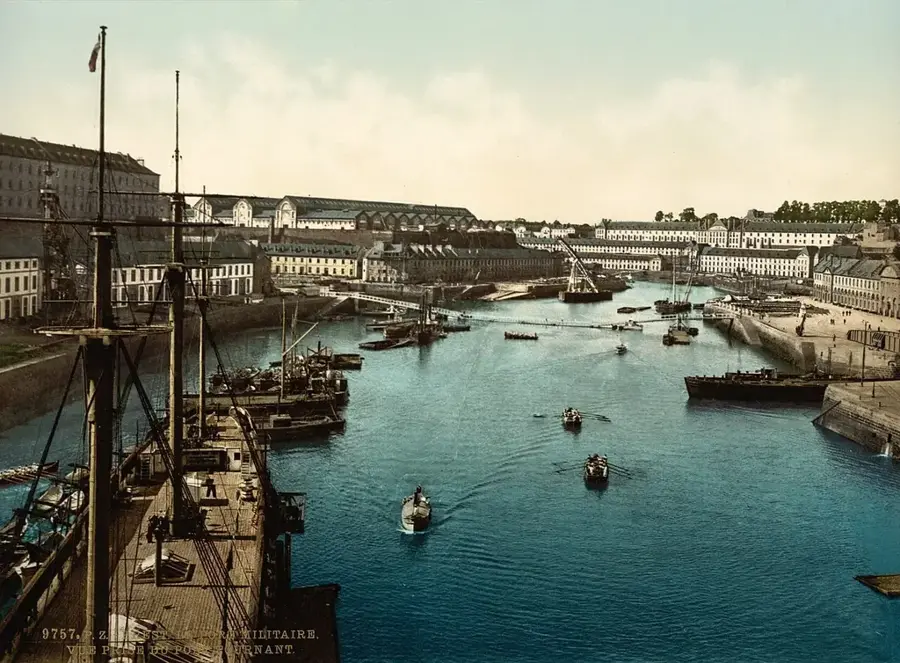
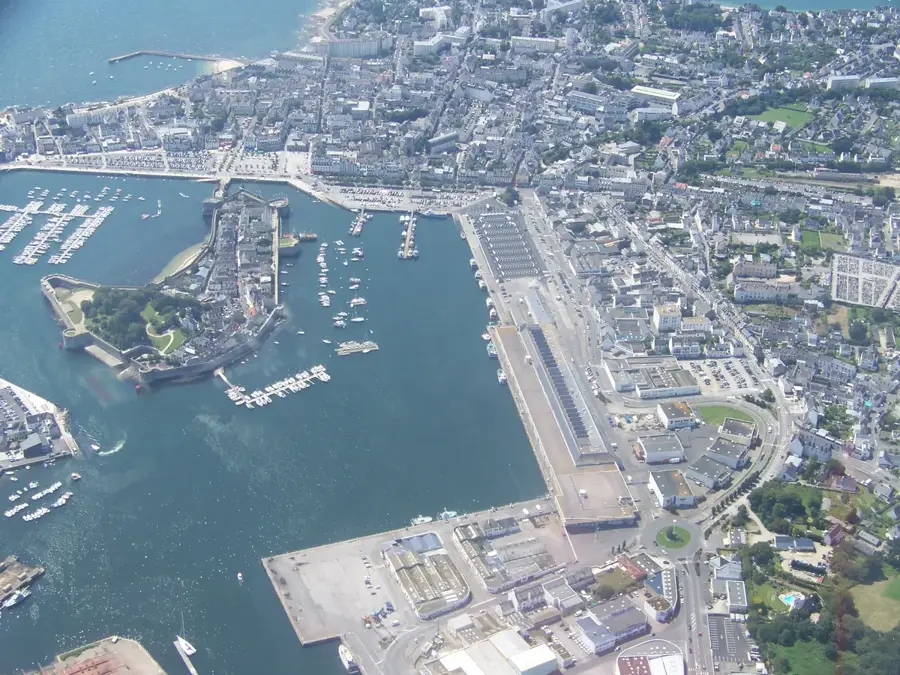
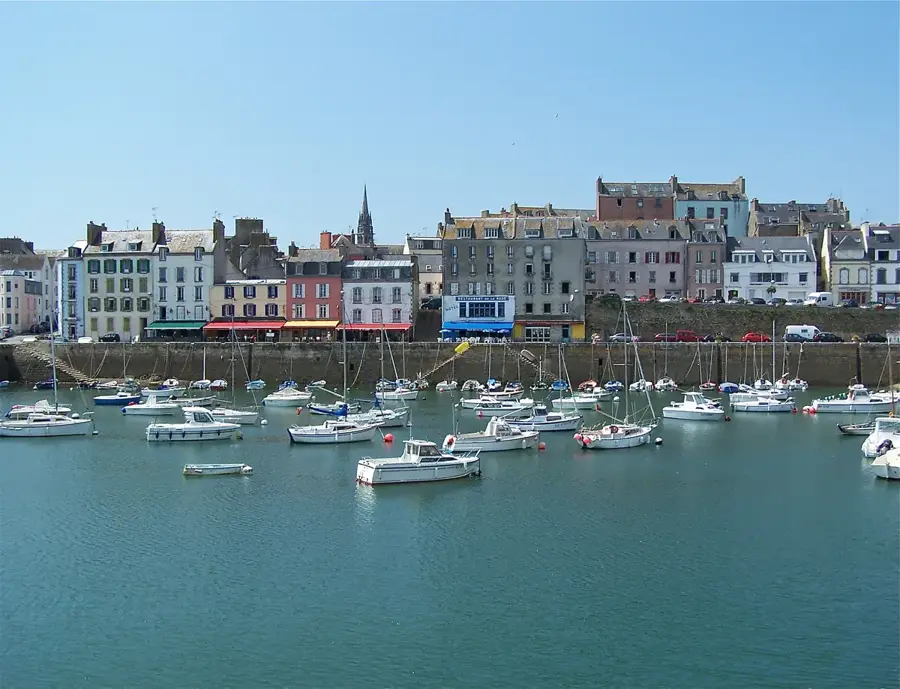
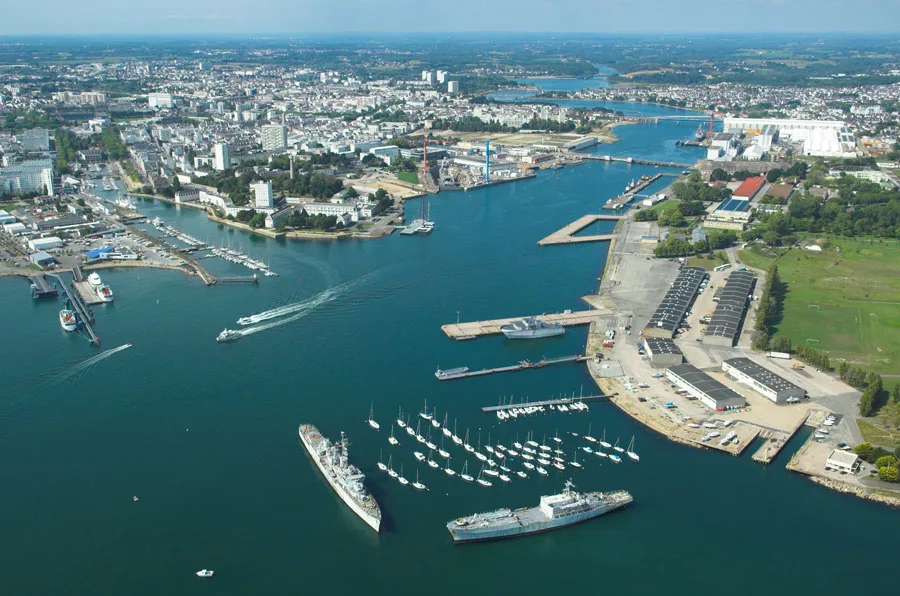
Lorient is a port city in Brittany, northwestern France, founded in the 17th century as a trading hub for the French East India Company. The city endured catastrophic destruction during World War II because it housed a strategically vital submarine base for the German Navy. The colossal Keroman Submarine Base remains a prominent landmark today and has been converted into a museum and nautical center. Post-war Lorient was rebuilt as a modern city and has since developed into one of France's leading fishing ports. It is internationally famous for hosting the annual Festival Interceltique de Lorient, the world’s largest gathering of Celtic nations, drawing over 800,000 visitors. Another major site is the Cité de la Voile Éric Tabarly, a high-tech museum dedicated to ocean racing and sailing technology. Positioned at the mouth of the Blavet and Scorff rivers, Lorient serves as a premier gateway for maritime exploration along the Atlantic coast.
The most pleasant time to visit is Jul–Sep.
| Jan | Feb | Mar | Apr | May | Jun | Jul | Aug | Sep | Oct | Nov | Dec | |
|---|---|---|---|---|---|---|---|---|---|---|---|---|
| Avg °C | 10 | 9 | 10 | 11 | 14 | 16 | 18 | 18 | 17 | 15 | 13 | 11 |
| Rain mm | 97 | 79 | 64 | 51 | 47 | 45 | 44 | 48 | 39 | 87 | 98 | 99 |
See what it looks like near Lorient right now.
Lorient › North: Port de Plaisance de Lorient · 1.2 km · Open webcam on Windy · Webcams provided by Windy.com
Notable places around
Where do you start? We build the route here, with stops and country notes along the way.
© OpenStreetMap contributors · OpenRouteService
Lorient welcomes you with its maritime history and the charm of a city rebuilt after the war. In the morning, we explore the heart of the port and the historical watchtower. After a visit to the modern church of Notre-Dame-de-Victoire, we immerse ourselves in the scents of the Merville market. The afternoon is dedicated to relaxation by the harbor and the culinary specialties of Brittany.
This bike tour connects Lorient's industrial history with the vast coastline. We start at the old arsenal and cycle to the impressive Keroman submarine base. Here we dive deep into the technology of the seas before heading along the shore towards Larmor-Plage. The fresh sea breeze accompanies us throughout this journey through the maritime metropolis.
By car, you can effortlessly reach the various facets of Lorient. We start in the city center at the old arsenal before driving to the industrial powerhouse, the Keroman submarine base. There we spend most of the day with technology and history, all easily accessible on foot. To conclude, we drive to the coast at Larmor-Plage to end the day by the sea.