Plizio Visual Lab

Cours-la-Ville

Plizio editorial teamData Sources
City
—°243
Cours-la-Ville (France)
ℹ️

Practical info — Cours-la-Ville

🌤 Weather — 5 days

📍 Nearby

Sights nearby

💡 Tips

  • The town is situated in a hilly area; be prepared for steep walks in and around the municipality.
  • Explore the rich textile history of the town by looking out for the old blanket factory buildings.
  • Use the city as a handy starting point for extensive hikes in the forests of the "Beaujolais Vert".
  • Pack sturdy hiking boots, as the surrounding trails in the Haut-Beaujolais are beautiful but rugged.

🍽 Food

🍽
Charcuterie and Rosette de Lyon

Enjoy local cured meats at a traditional butcher or a brasserie near the market square.

🍽
Beaujolais Wines

Taste the famous red wines of the region at a local wine shop (cave).

🍽
Tarte à la praline

Pick up this classic regional dessert made with pink pralines from a bakery in the town center.

🛍 Shopping · 🧘 Quiet spots

🛍
Textile Goods

Look for shops selling fabrics or blankets honoring the town's industrial heritage.

🛍
Beaujolais Cheeses

Buy regional goat cheese at the weekly market for an authentic picnic.

🧘
Lac des Sapins

A short drive away, you'll find this lake offering a massive biological pool and peaceful forest trails.

🧘
Pine forests of Cours

Start directly from the edge of town on one of the many marked trails into quiet nature.

Highlights of 2026

2

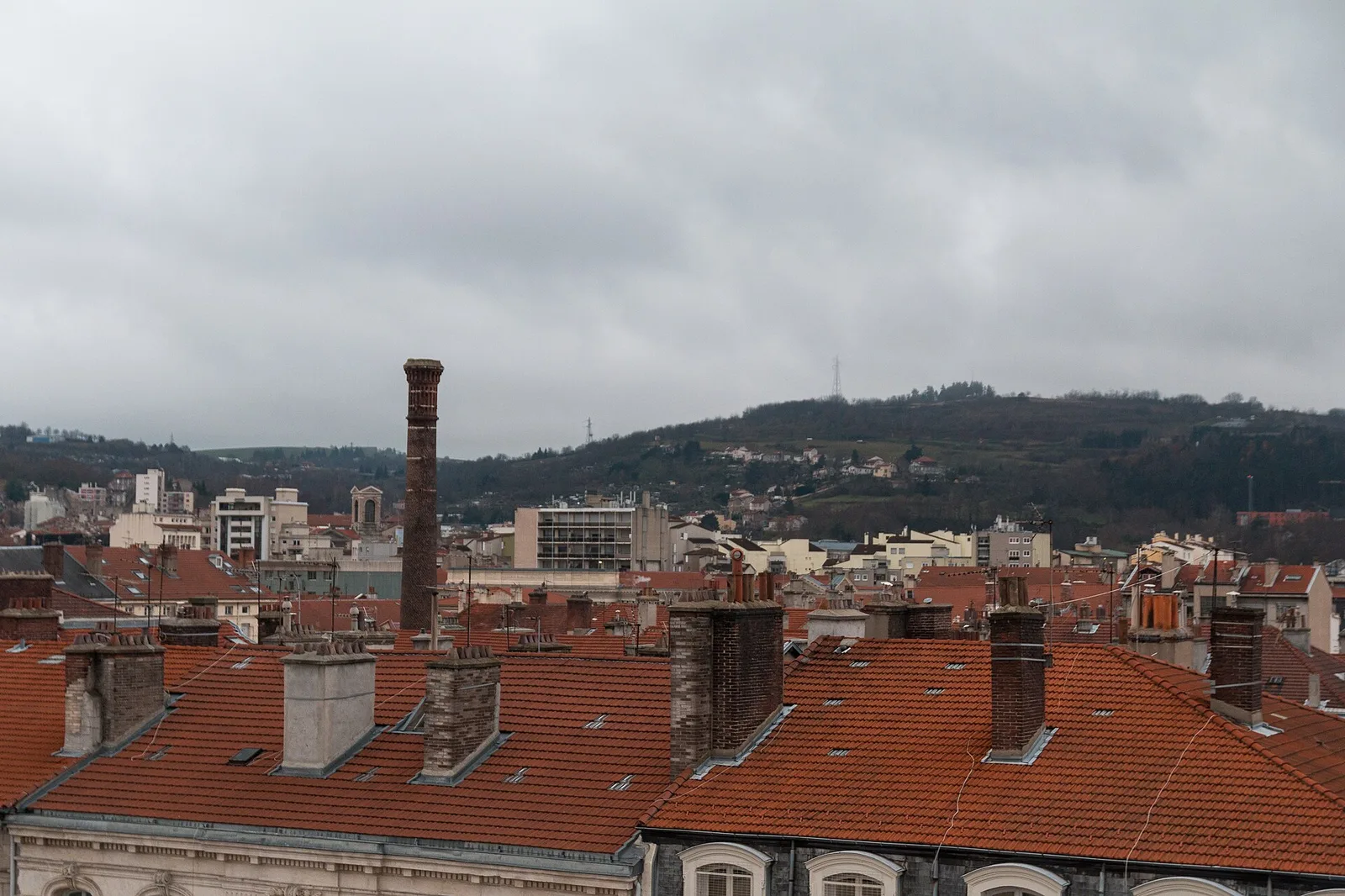
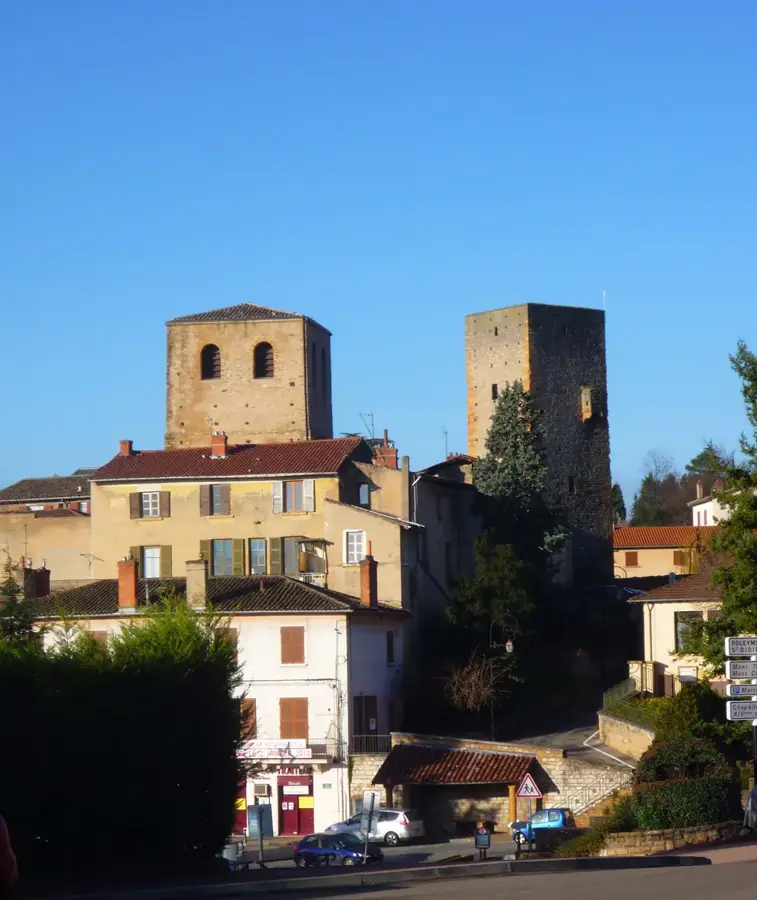
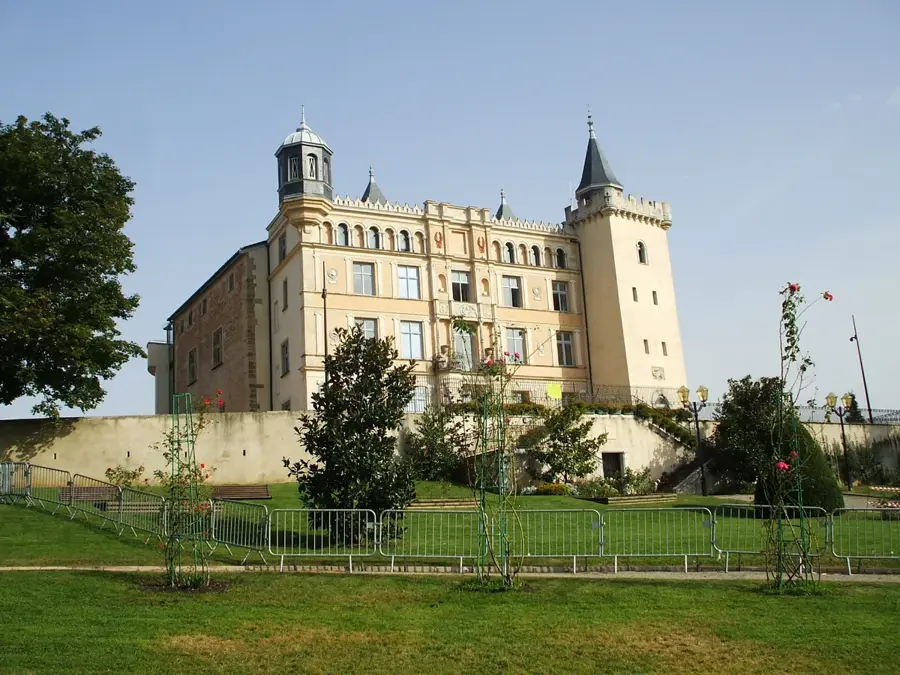
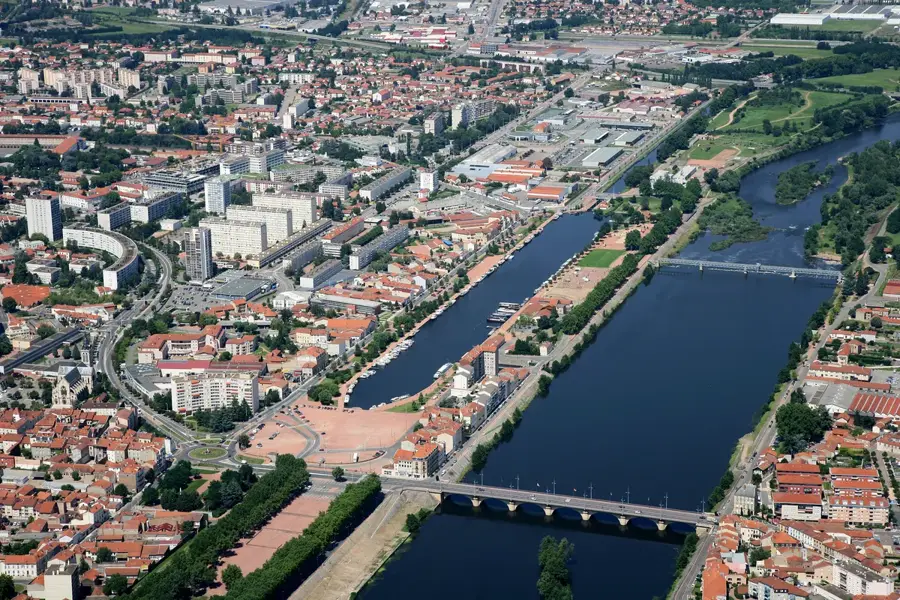
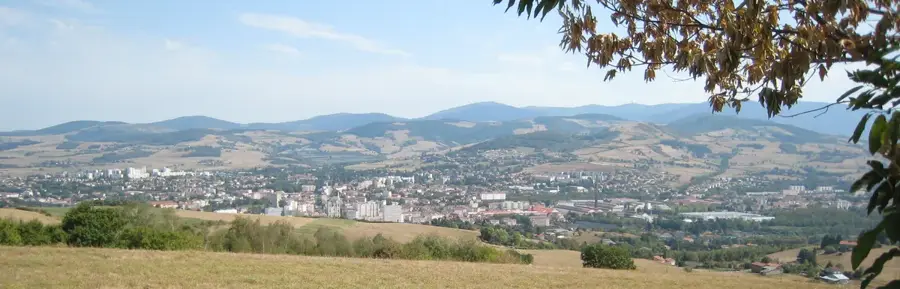
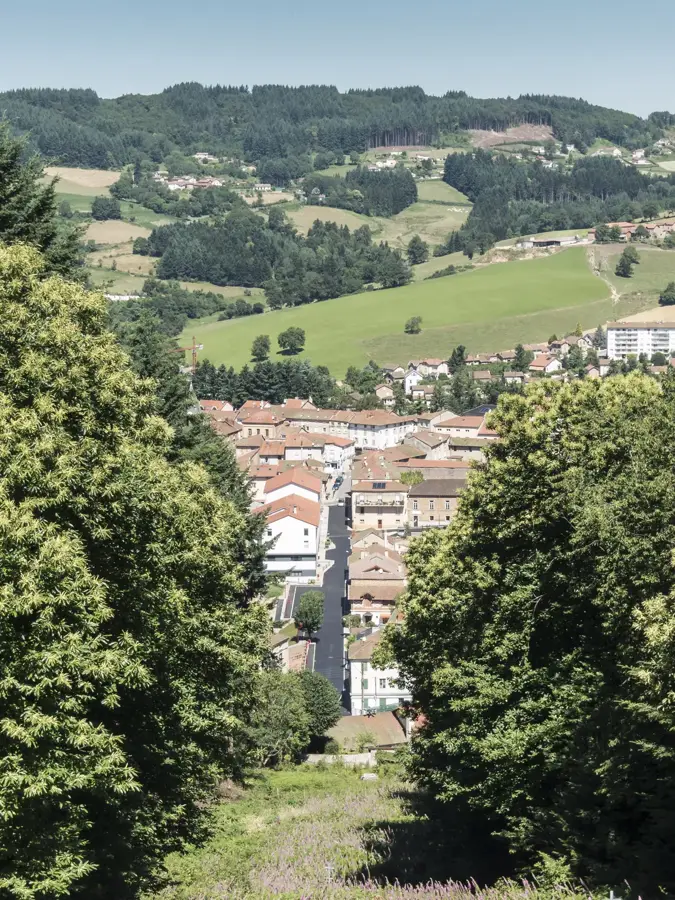
Cours-la-Ville is a historic industrial town located in the northwestern part of the Rhône department, located within the verdant hills of the Beaujolais Vert region. The town is famous for its storied textile heritage, which flourished during the 19th century when it became one of France's leading centers for blanket manufacturing. This industrial legacy is still etched into the town's architecture, featuring large mill buildings and traditional workers' residences. Geographically, the town is set in a pretty valley surrounded by dense forests and rolling pastures, making it a gateway for outdoor enthusiasts. Despite the decline of traditional textile dominance, Cours-la-Ville has successfully diversified its economy, welcoming new industries and services. In 2016, it merged with neighboring Pont-Trambouze and Thel to form the new commune of Cours, yet it continues to serve as the region's main economic and cultural hub. Its unique blend of rugged industrial history and serene mountain landscapes features a distinctive character, celebrating both its hardworking past and its commitment to a sustainable, modern future.

Best time to visit & climate

The most pleasant time to visit is Jun–Aug.

JanFebMarAprMayJunJulAugSepOctNovDec
Avg °C126913182120161162
Rain mm433745587764666650697153

Geography

Population
4,501
Coordinates
46.09940, 4.32060

Facts

  • Elevation ranges from 450 to 550 meters
  • Known as the capital of blanket making
  • Merged into the commune of Cours in 2016
  • Economy now includes mechanical engineering
  • The municipal area covers about 19 km²
  • Located in the scenic Beaujolais Vert region

Explore nearby

Notable places around

Route planner — Car & Motorhome

Where do you start? We build the route here, with stops and country notes along the way.

Vehicle
Only stops with (optional):

© OpenStreetMap contributors · OpenRouteService

Sights in the town Cours-la-Ville (4)

Saint-Étienne Church⛪ religious

The main church of Cours is notable for its tall spire and neo-Gothic architectural details, serving as a landmark.

Town Hall Park🎡 recreation

A beautifully landscaped park surrounding the town hall, offering a peaceful space for recreation and local festivals.

Église Saint-Paul⛪ religious

Église Saint-Paul is a place of worship situated in Cours-la-Ville.

Église Saint-Jean-Baptiste⛪ religious

Église Saint-Jean-Baptiste is a church serving the religious community in Cours-la-Ville.

Frequently asked questions

What is Cours-la-Ville historically known for?
It was a major center for the textile industry, especially known for manufacturing blankets and fabrics.
What natural attractions are nearby?
The Lac des Sapins is about 15 km away, offering water sports and Europe's largest biological swimming area.
Is the town good for hiking?
Yes, the surrounding Beaujolais hills offer numerous marked trails with magnificent views.
When does the weekly market take place?
The main market takes place every Tuesday morning and gives fresh regional products.
How is the connection to larger cities?
Roanne is about 30 minutes away, and Lyon is about an hour's drive.
Cours-la-Ville: where is it located?
Cours-la-Ville is located in Auvergne-Rhône-Alpes, France.
Cours-la-Ville: what is there to see?
Highlights include Saint-Étienne Church, Town Hall Park, Église Saint-Paul.
Cours-la-Ville: when is the best time to visit?
The most pleasant time to visit is Jun, Aug.
Cours-la-Ville: why is it worth visiting?
Cours-la-Ville is a historic industrial town located in the northwestern part of the Rhône department, located within the verdant hills of the Beaujolais Vert region.
View on map → The Top 50 Attractions → Most beautiful beaches → OpenStreetMap →
Europe
Explore with Plizio Discover more places in Europe
More places in France →

Nearby cities