Plizio Visual Lab
Padise Monastery Ruins
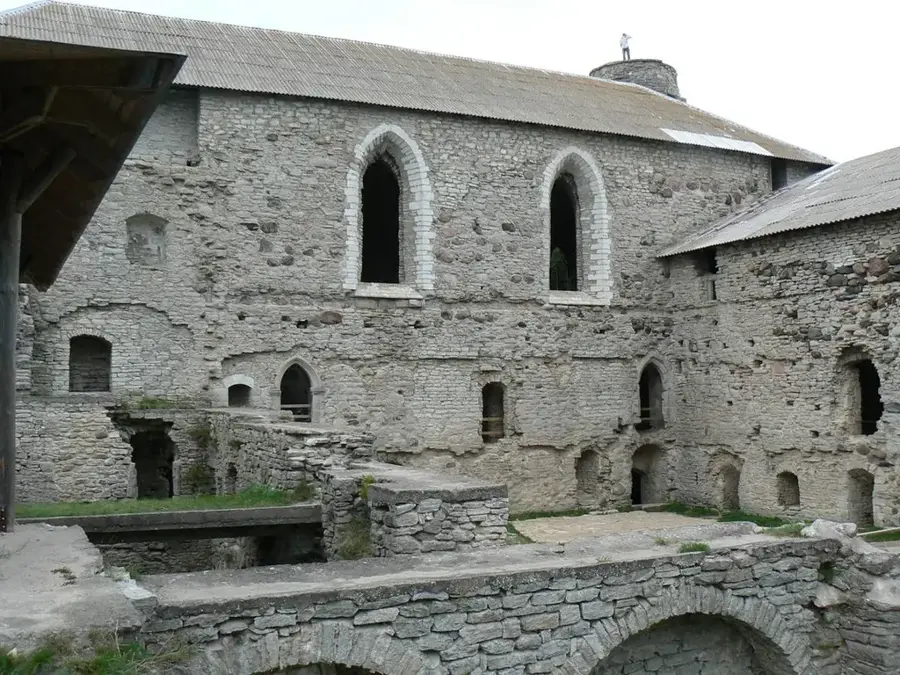
The ruins of the Padise Cistercian Monastery stand as a testament to the religious and political power of the medieval Catholic Church in Estonia. Founded by monks from Dünamünde, the construction of the fortified monastery began in 1310 and continued for over a century, reaching its peak in the mid-15th century. The site is famous for the tragic events of the St. George's Night Uprising in 1343, during which the monastery was attacked and several monks were killed. After the Livonian War in the late 16th century, the monastery was secularized and converted into a fortified residence for the von Ramm family. The architecture is noted for its exceptional late Gothic stone carvings and the high-vaulted ceilings of the main church. Today, the ruins have been stabilized and partially restored, offering visitors a glimpse into the ascetic life of the Cistercian order and the defensive architecture of the Middle Ages.
- Location: Estonia
- Top sights: Rummu quarry · Former Murru Prison
- Nearby: Paldiski (15 km)
Best time to visit & climate
The most pleasant time to visit is Jun–Aug.
| Jan | Feb | Mar | Apr | May | Jun | Jul | Aug | Sep | Oct | Nov | Dec | |
|---|---|---|---|---|---|---|---|---|---|---|---|---|
| Avg °C | -3 | -4 | -1 | 4 | 10 | 14 | 18 | 18 | 13 | 7 | 3 | 0 |
| Rain mm | 52 | 43 | 39 | 38 | 44 | 61 | 60 | 71 | 54 | 66 | 67 | 55 |
📋 Practical info
Geography
Facts
- Construction of the stone monastery complex began in 1310.
- In 1343, 28 monks were killed during the St. George's Night Uprising.
- The monastery church was finally completed and consecrated in 1448.
- It was the only fortified Cistercian monastery in the entire region.
- King Gustavus Adolphus granted the property to Thomas von Ramm in 1622.
- The church interior features some of the finest Gothic stone carvings in Estonia.
Explore nearby
Notable places around


Route planner — Car & Motorhome
Where do you start? We build the route here, with stops and country notes along the way.
© OpenStreetMap contributors · OpenRouteService
Sights in the town Padise Monastery Ruins (2)
Sights nearby
Frequently asked questions
Who founded Padise Monastery?
Is entry to the ruins allowed?
Are there guided tours?
How long does a visit take?
Are there dining options nearby?
Padise Monastery Ruins: where is it located?
Padise Monastery Ruins: what is there to see?
Padise Monastery Ruins: when is the best time to visit?
Padise Monastery Ruins: why is it worth visiting?

Nearby cities


History & landmarks
Nature
More places