Plizio Visual Lab
Nsork
ℹ️Practical info — Nsork
▾
🌤 Weather — 5 days
📍 Nearby
Sights nearby
💡 Tips
- Arrange your entry permits for Altos de Nsork National Park well in advance of your arrival.
- Never venture into the dense jungle without hiring an experienced local guide.
- Always wear long-sleeved shirts and long trousers to protect yourself from insect bites.
- Prepare for extreme humidity and sudden, heavy tropical downpours.
🍽 Food
A hearty, rich local dish that is first-rate after a long hike in the national park.
A stew made with bitterleaves and nuts, reflecting strong regional culinary influences.
The excellent, light breakfast fruit you can pick up fresh in the town.
🛍 Shopping · 🧘 Quiet spots
Stock up on bottled water and basic snacks at the small market before heading into the park.
Locals occasionally sell wild honey foraged from the forest; it makes a unique souvenir.
The accessible paths at the edge of Altos de Nsork Park offer complete immersion in nature.
The area surrounding the small town church is generally a very peaceful spot to rest.
Water temperature…
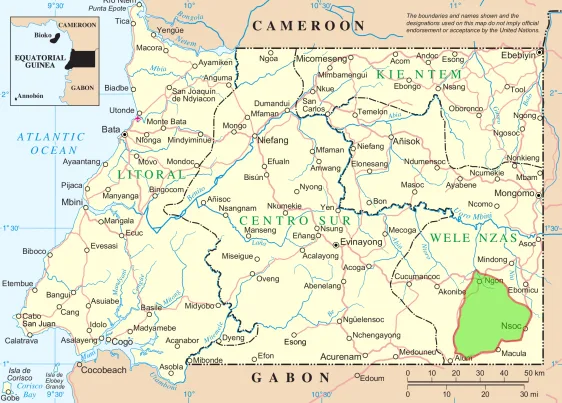
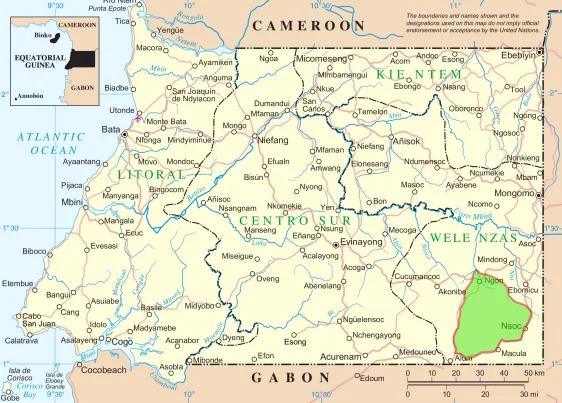
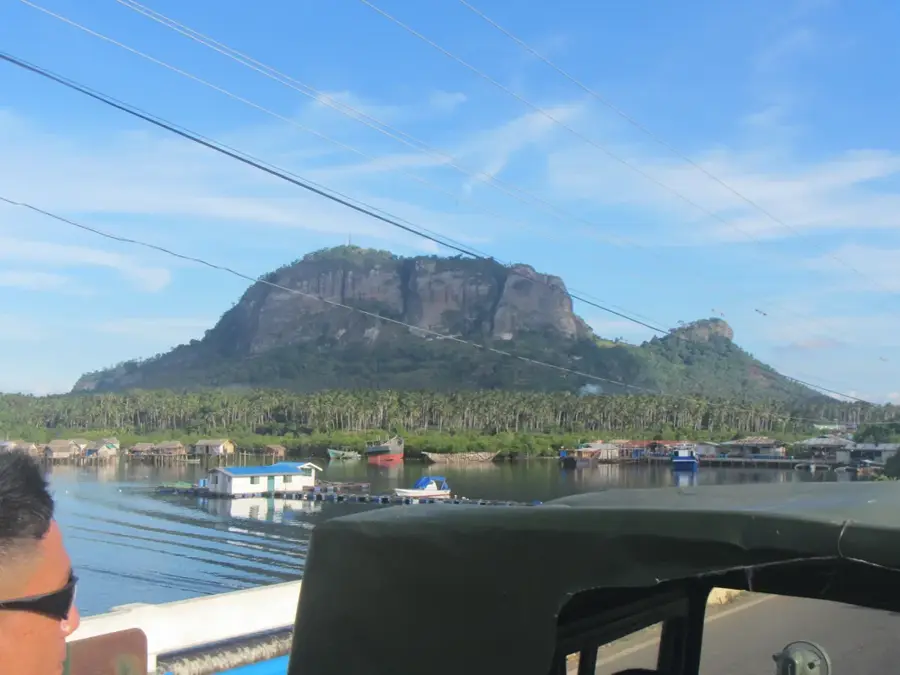
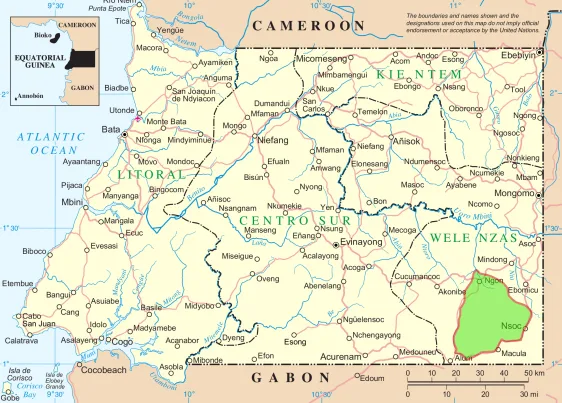
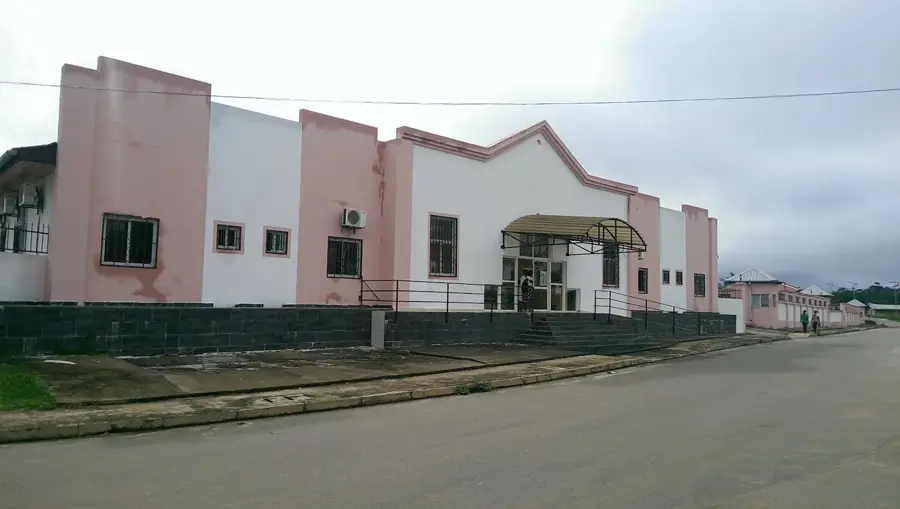
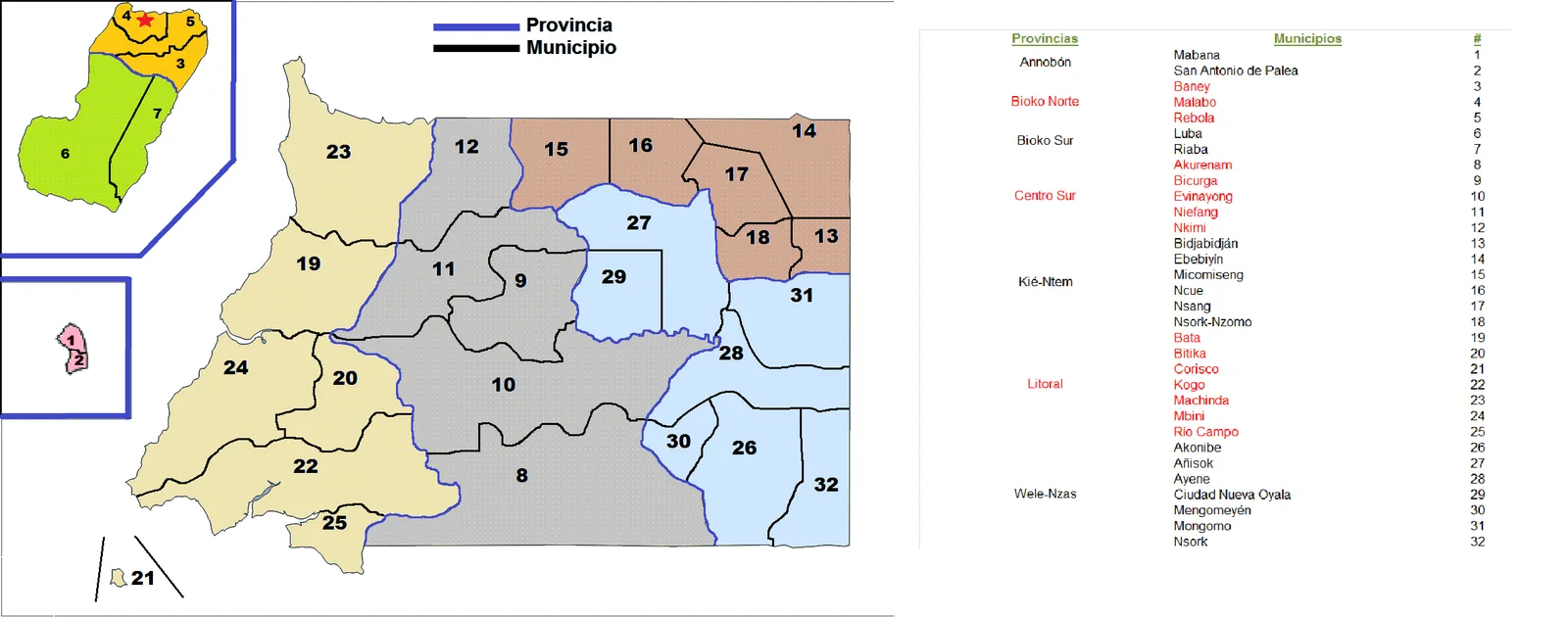
Nsork is a remote small town located in the southeastern part of Equatorial Guinea, within the Wele-Nzas Province. It is situated in a region of immense ecological significance, directly adjacent to the Nsork National Park, which is one of the last sanctuaries for forest elephants and lowland gorillas in the area. The town functions as the administrative center for its namesake district and serves as the primary base for scientific expeditions and environmental monitoring within the national park. Economically, the community relies on subsistence farming, while timber trade is conducted under strict ecological regulations. Historically, Nsork remained largely untouched by large-scale colonial development due to its geographic isolation, which helped preserve the traditional Fang culture. In recent years, the government has invested in upgrading road links to better connect the town with regional economic centers such as Mongomo. The urban architecture is mostly functional, with many buildings constructed from local materials that blend into the surrounding rainforest.
- Location: Equatorial Guinea
- Nearby: Nsok (13 km)
Best time to visit & climate
The most pleasant time to visit is Jun–Aug.
| Jan | Feb | Mar | Apr | May | Jun | Jul | Aug | Sep | Oct | Nov | Dec | |
|---|---|---|---|---|---|---|---|---|---|---|---|---|
| Avg °C | 24 | 24 | 24 | 24 | 24 | 23 | 23 | 23 | 23 | 23 | 23 | 24 |
| Rain mm | 82 | 96 | 191 | 175 | 143 | 68 | 27 | 47 | 128 | 265 | 239 | 116 |
Geography
Facts
- Directly adjacent to the Nsork National Park.
- Part of the Wele-Nzas Province.
- Important site for the conservation of forest elephants.
- Serves as a starting point for ecotourism.
- Located in one of the country's most pristine forest areas.
- Administrative headquarters for the Nsork District.
Explore nearby
Notable places around




Route planner — Car & Motorhome
Where do you start? We build the route here, with stops and country notes along the way.
© OpenStreetMap contributors · OpenRouteService
Frequently asked questions
Why should one visit Nsork?
What animals can be seen in the national park?
Do you need a guide for Nsork?
What is the infrastructure like in Nsork?
When is the best time for wildlife viewing?
Nsork: where is it located?
Nsork: when is the best time to visit?
Nsork: why is it worth visiting?

Nearby cities


Nature
More places