Plizio Visual Lab
Malabo
ℹ️Practical info — Malabo
▾
🌤 Weather — 5 days
📍 Nearby
Sights nearby
💡 Tips
- Photography of government buildings, military sites, and the presidential palace is strictly prohibited and heavily enforced.
- Taxis are usually shared and follow specific routes. For a private ride, ask for a "carrera" which costs more.
- Spanish is the official language; knowing basic phrases will vastly improve your experience.
- The climate is extremely humid. The dry season (December to February) is the most comfortable time to walk around the colonial center.
- Outside of large international hotels, cash (CFA francs) is king. Withdraw enough before leaving the city center.
🍽 Food
A rich coastal fish soup staple, best enjoyed in traditional local restaurants near the port area.
A local side dish of beans, corn, and vegetables, often served alongside grilled fish or chicken.
The island produces excellent coffee. Try a cup at one of the cafes in the historic center.
🛍 Shopping · 🧘 Quiet spots
A bustling, colorful market excellent for buying fresh tropical fruits and spices.
Look for colorful fabrics and small crafts in the shops bordering the colonial district.
A well-maintained, landscaped park that has a large, peaceful space away from city traffic.
The modern seafront promenade is great for a breezy, calm evening stroll by the ocean.
Water temperature…
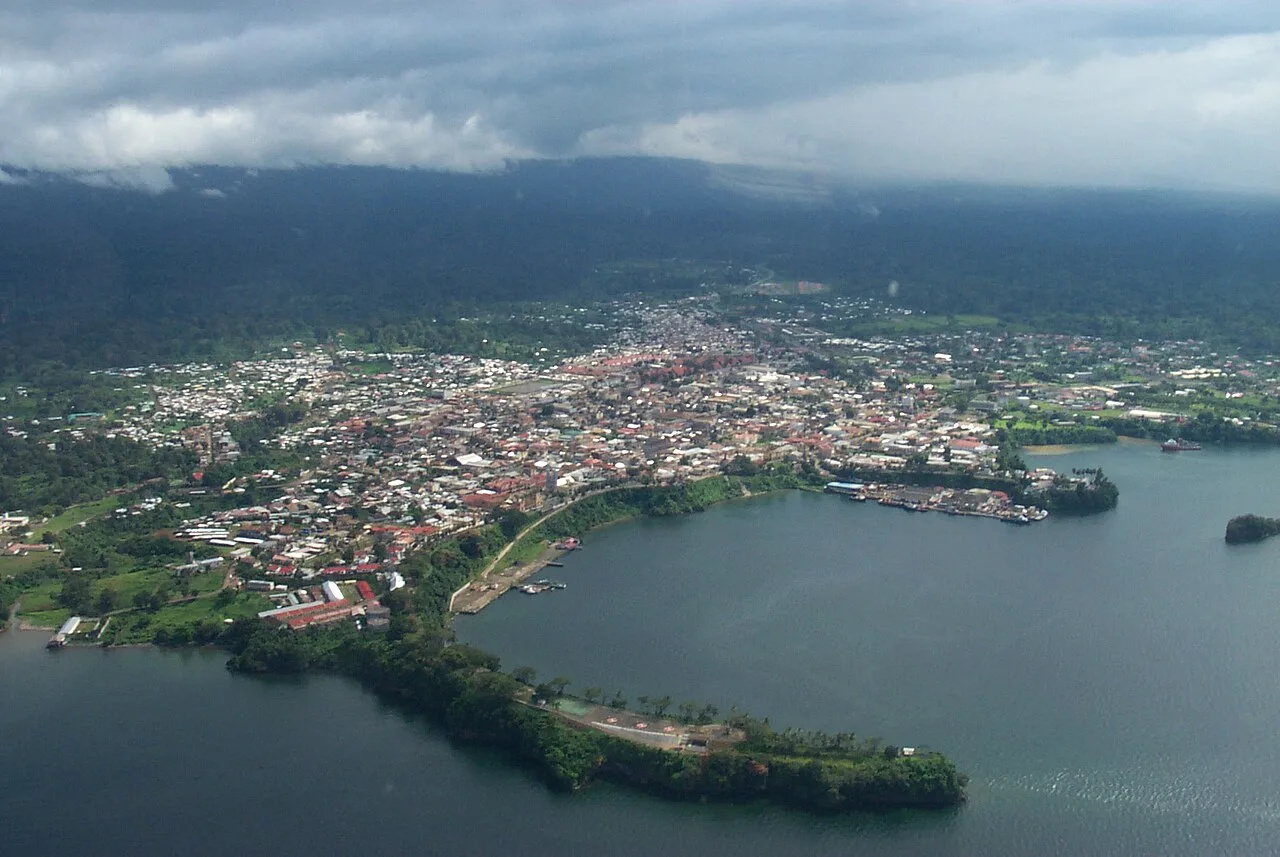
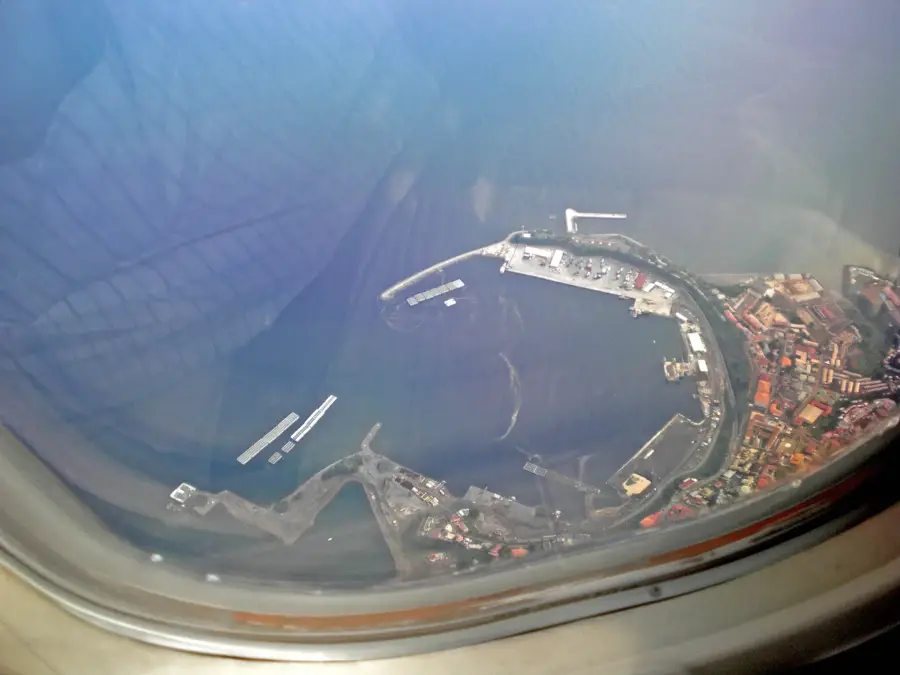
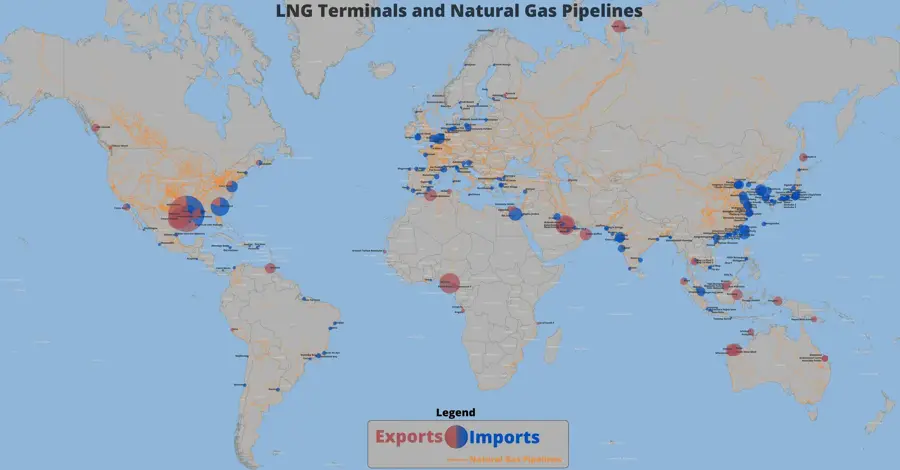
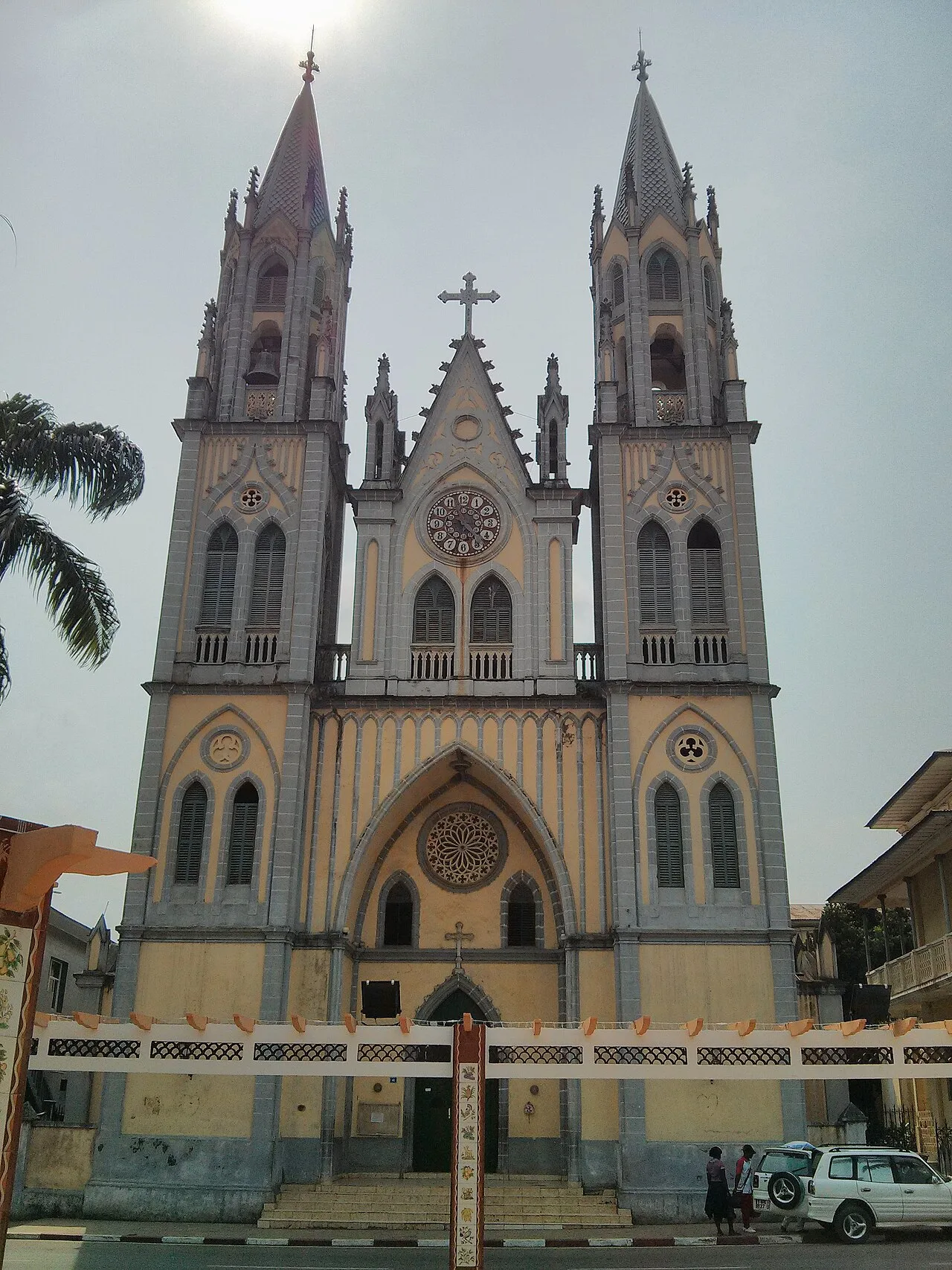
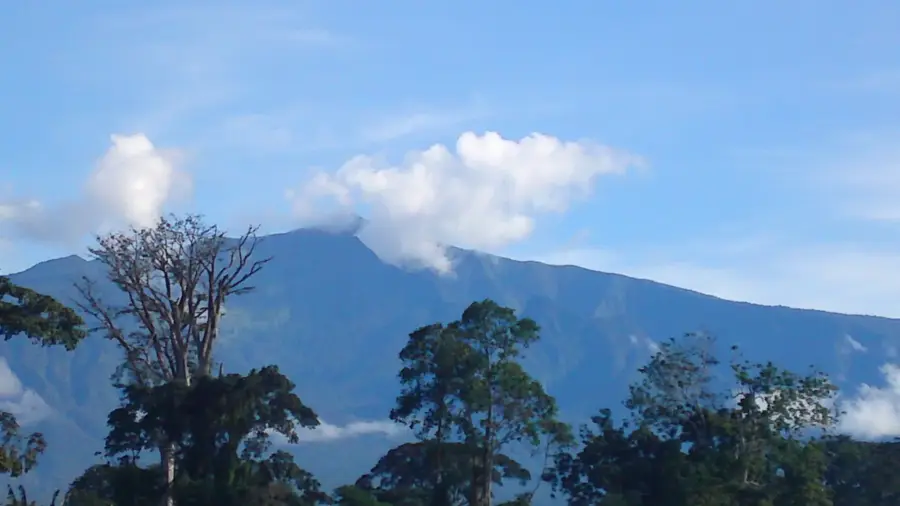
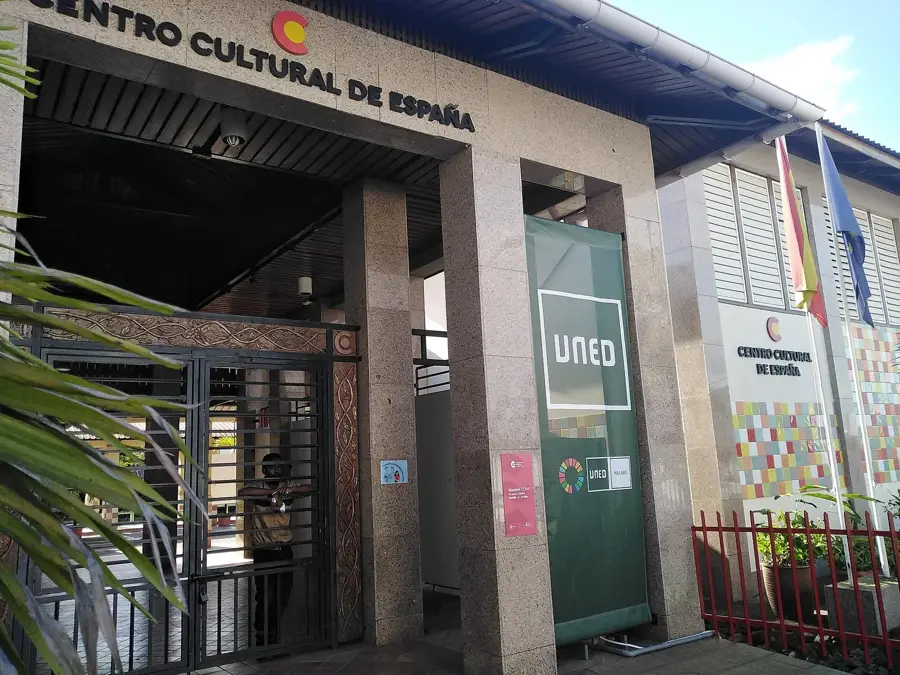
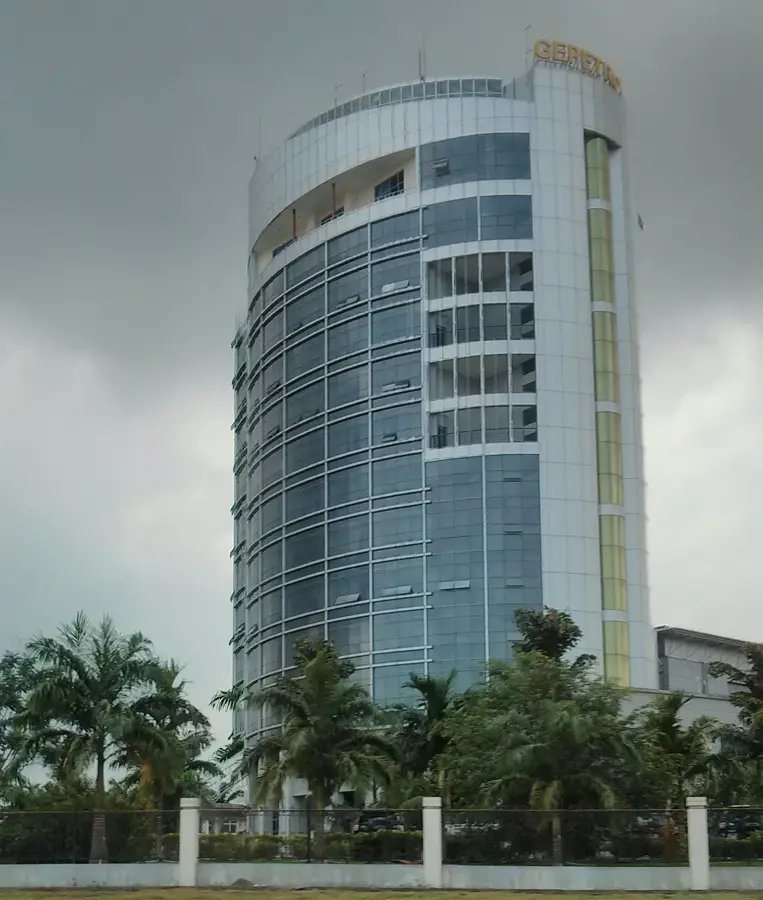
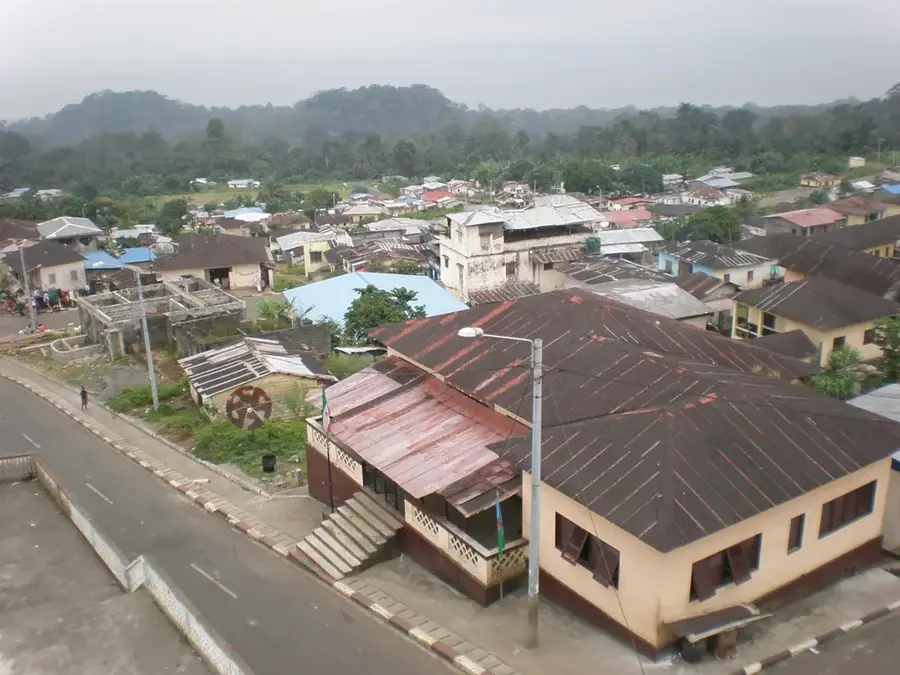
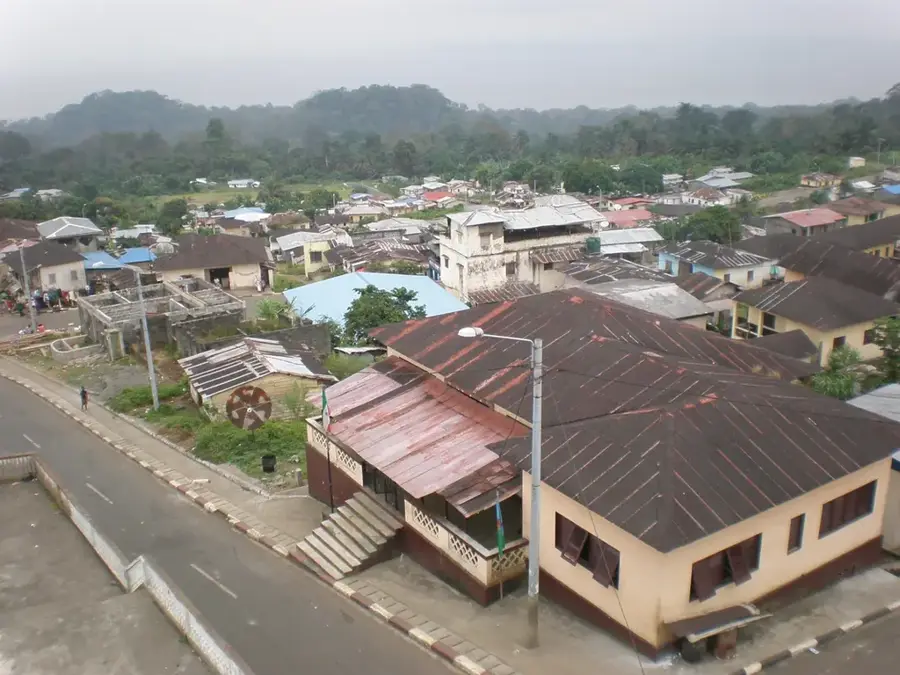
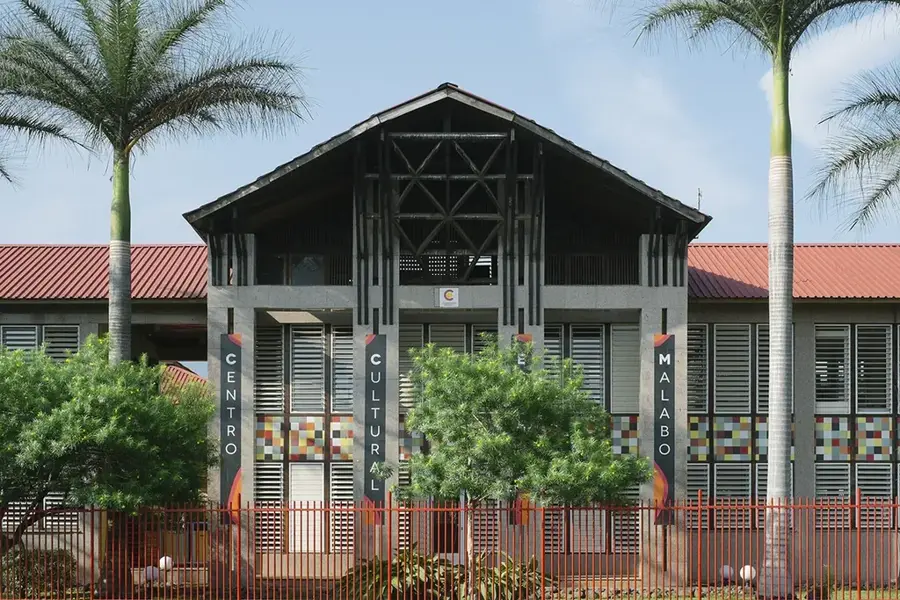
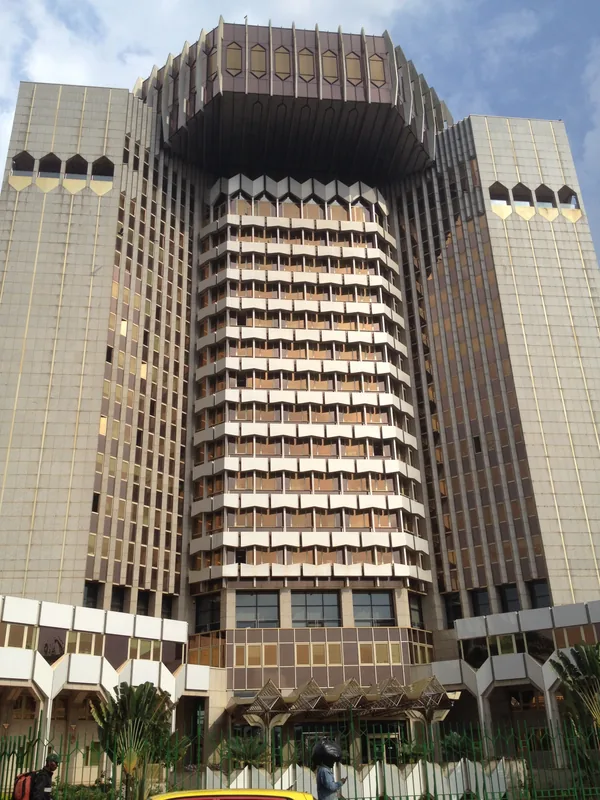
Malabo, the capital of Equatorial Guinea, is uniquely situated on the northern coast of Bioko Island, perched on the rim of a sunken volcanic crater that forms its sheltered harbor. Established in 1827 by the British as Port Clarence, it was initially a naval base dedicated to suppressing the Atlantic slave trade. When Spain reclaimed the territory, it was renamed Santa Isabel and served as the administrative heart of Spanish Guinea until independence in 1968. The city's identity underwent a dramatic shift in the late 20th century following the discovery of massive oil reserves in the Gulf of Guinea. Today, Malabo is a fascinating blend of old-world Spanish colonial charm and 21st-century oil-funded development. The historic core features the remarkable Santa Isabel Cathedral, designed by Luis Segarra Llairadó, which stands as a symbol of the city's Catholic heritage. Modern Malabo has expanded southward with the creation of Malabo II, a district characterized by glass-fronted skyscrapers, government ministries, and wide avenues. The city enjoys a tropical rainforest climate, with the towering Pico Basile volcano providing a dramatic backdrop and influencing local weather patterns. Economically, Malabo is the nation's primary hub for finance and energy, hosting the headquarters of companies like GEPetrol and Sonagas. Culturally, the city is a melting pot where the indigenous Bubi people coexist with the mainland Fang majority and a significant international community. Notable sites include the National Park of Malabo, a vast urban green space, and the nearby resort area of Sipopo, built to host African Union summits. The port remains a vital link for the export of liquefied natural gas (LNG) and cocoa, while the Malabo International Airport connects the island to major global cities. As the political capital, it houses all major government institutions and diplomatic missions, solidifying its role as the central node of Equatorial Guinea's national life and regional influence.
- Location: Equatorial Guinea
- Nearby: Rebola (7 km)
- Population: ~155.963 (2026)
Best time to visit & climate
The most pleasant time to visit is Jan, Feb, Dec.
| Jan | Feb | Mar | Apr | May | Jun | Jul | Aug | Sep | Oct | Nov | Dec | |
|---|---|---|---|---|---|---|---|---|---|---|---|---|
| Avg °C | 28 | 28 | 28 | 28 | 28 | 27 | 26 | 26 | 26 | 27 | 27 | 27 |
| Rain mm | 30 | 74 | 148 | 190 | 202 | 347 | 424 | 480 | 410 | 257 | 150 | 26 |
Geography
Facts
- Malabo is the oldest city in Equatorial Guinea, founded in 1827.
- The city was renamed Malabo in 1973 after King Malabo Lopelo Melaka.
- Bioko Island, where Malabo sits, was formerly known as Fernando Po.
- The Santa Isabel Cathedral is considered the finest piece of colonial architecture in the country.
- The city's harbor is a natural bay formed by a volcanic caldera.
- Malabo has an average year-round temperature of approximately 25 degrees Celsius.
- The Universidad Nacional de Guinea Ecuatorial (UNGE) is headquartered here.
- Malabo's strategic location makes it a key maritime hub in the Gulf of Guinea.
Explore nearby
Notable places around

Route planner — Car & Motorhome
Where do you start? We build the route here, with stops and country notes along the way.
© OpenStreetMap contributors · OpenRouteService
Sights in the town Malabo (1)
Frequently asked questions
How many days should be planned for Malabo?
When is the best time for Malabo?
How to get from the airport to the city?
What is a typical dish in Malabo?
Is Malabo family-friendly?
Malabo: where is it located?
Malabo: when is the best time to visit?
Malabo: why is it worth visiting?

Nearby cities
History & landmarks
More places