Plizio Visual Lab

Ramesseum
Plizio editorial teamData Sources
Historical site
—°6
Ramesseum (Egypt)

Weather…

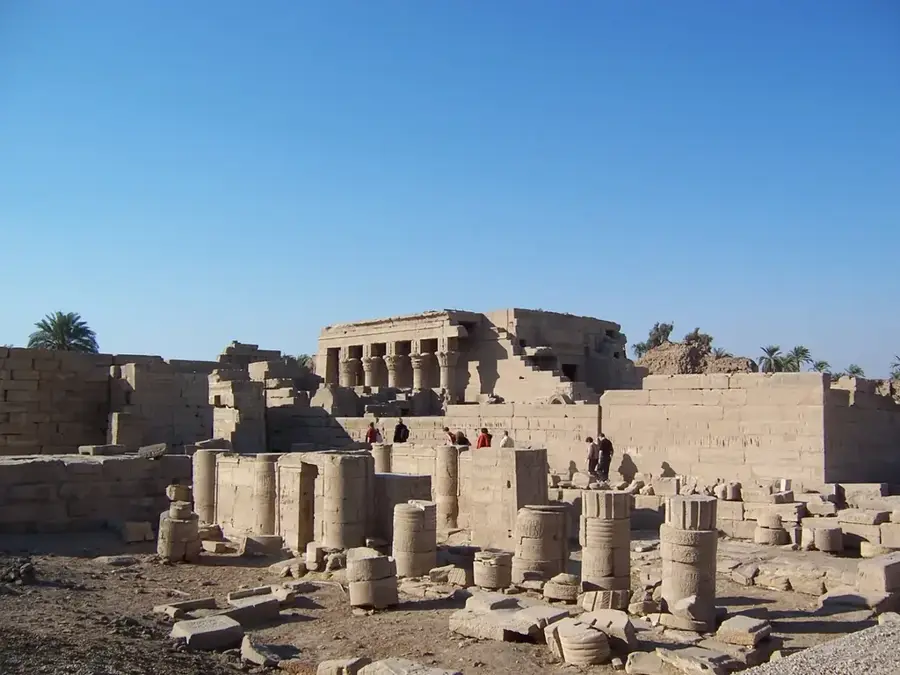
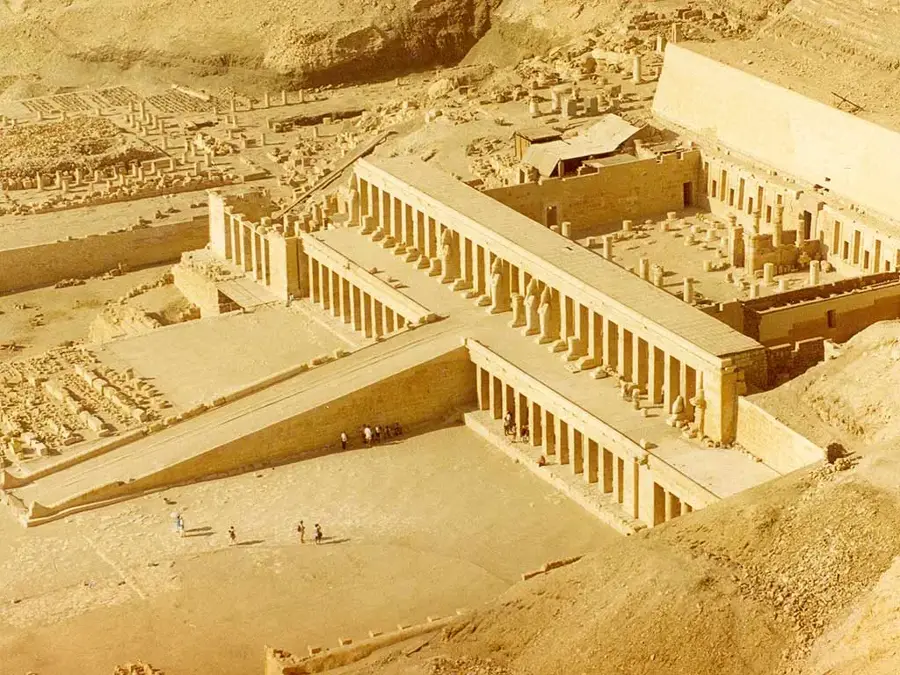
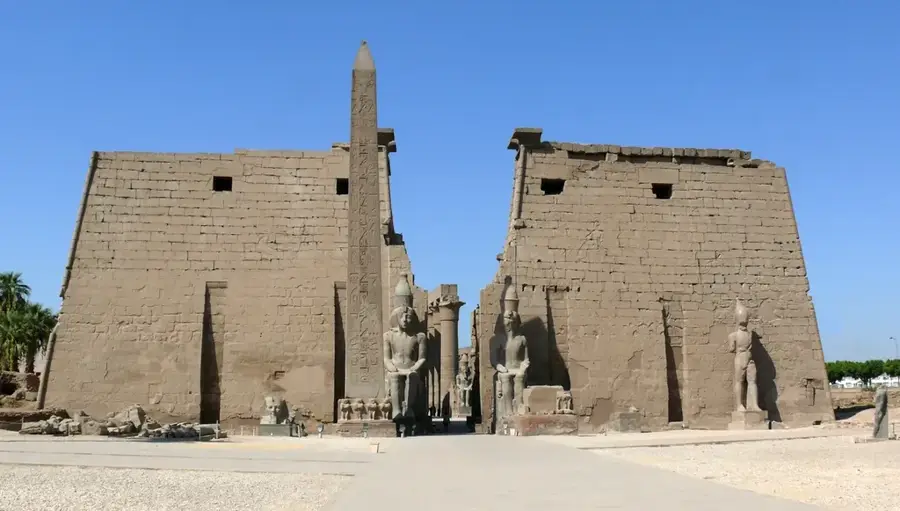
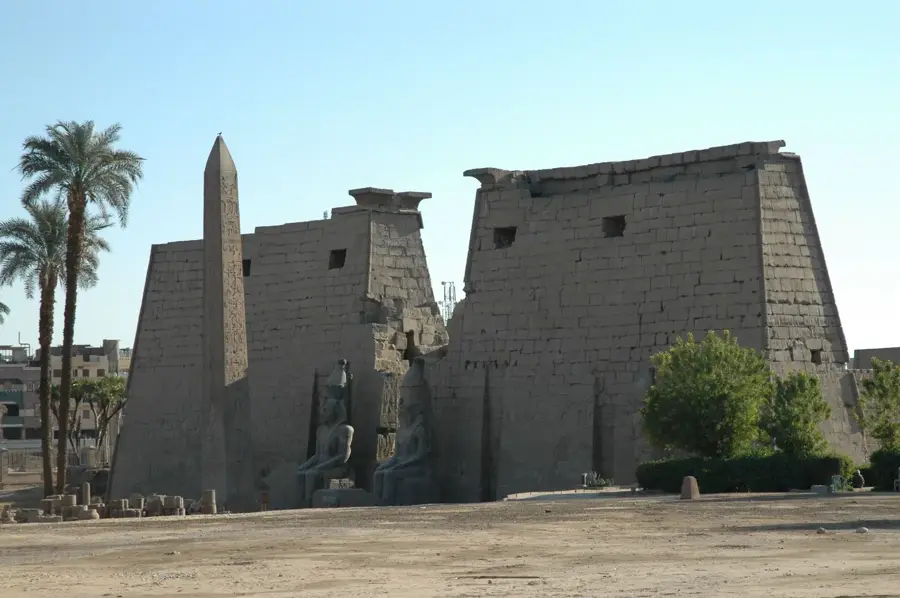
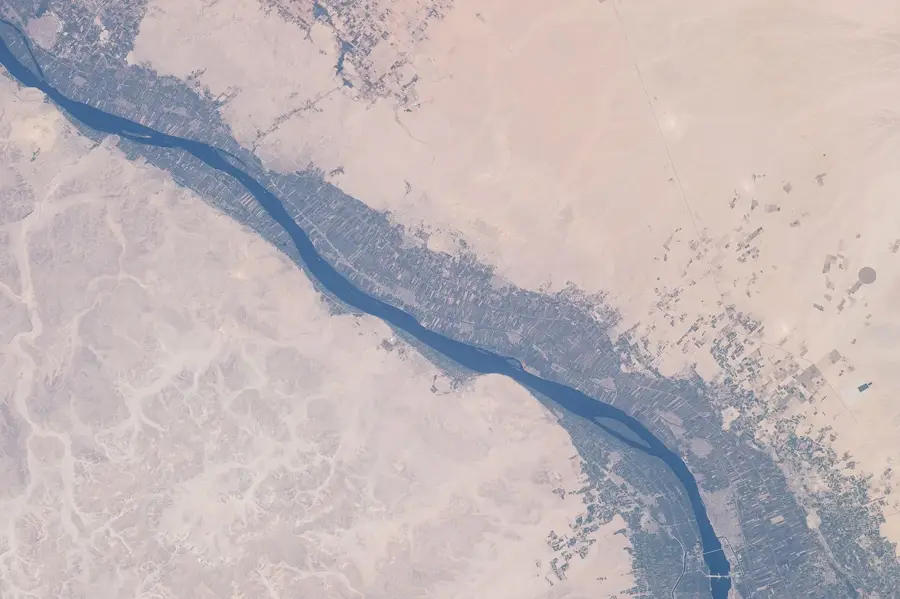
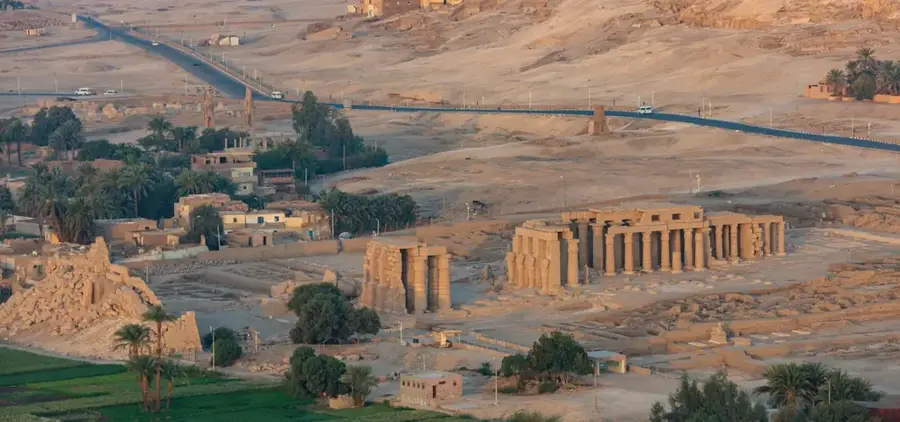
The Ramesseum is the magnificent mortuary temple of Pharaoh Ramesses II, located in the Theban Necropolis on the west bank of the Nile in Luxor. Built over a period of 20 years, it was designed to commemorate the pharaoh's power and divine status for eternity. The temple is famous for its grand pylons and the fallen colossus of Ramesses II, which originally stood approximately 17 meters tall and weighed an estimated 1,000 tons. Its walls are adorned with detailed reliefs depicting significant historical events, most notably the Battle of Kadesh against the Hittites. Beyond its religious functions, the complex once housed a major library and a scriptorium where thousands of papyrus scrolls were stored. Despite damage from Nile floods and earthquakes over the millennia, the Ramesseum remains an impressive testament to Ramesside architecture and notably inspired Percy Bysshe Shelley's famous poem 'Ozymandias'.

Best time to visit & climate

The most pleasant time to visit is Mar, Apr, Nov.

JanFebMarAprMayJunJulAugSepOctNovDec
Avg °C131620252932333330262015
Rain mm100000000000

📋 Practical info

🚪
Visiting
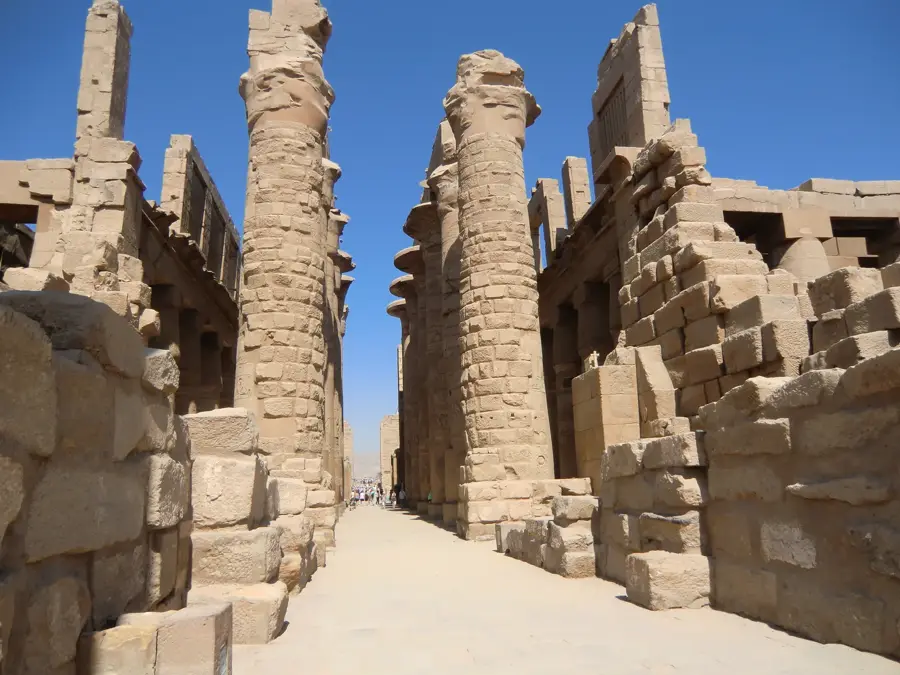
The Ramesseum can be visited during the daytime, allowing guests to explore the impressive open-air ruins and massive statues of the pharaoh. The gigantic, partially toppled columns give a wonderful impression of its former splendor.
🕒
Typical hours
The ancient site is typically open from early morning until late afternoon, just before sunset. It is highly recommended to plan your visit for the early morning hours to avoid the intense midday heat.
📷
Photography
Photography for personal use is generally permitted without restrictions throughout the entire site. The golden light of late afternoon or early morning perfectly highlights the massive sandstone structures.
⏱️
Time needed
You should plan for about one to one and a half hours for a relaxed tour of the complex. This amount of time is sufficient to admire the reliefs and fully absorb the impressive historical atmosphere.
Combine with
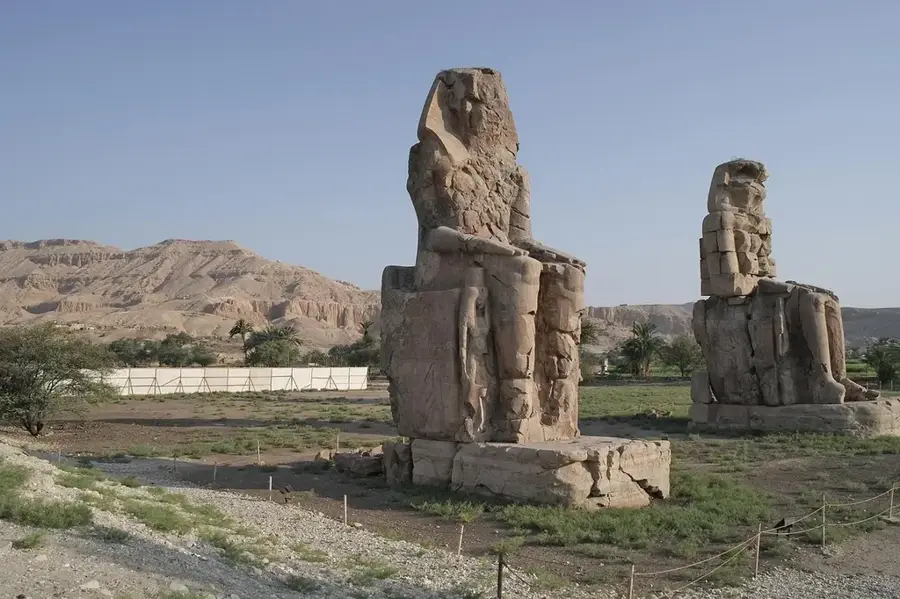
A visit can be perfectly combined with the nearby Colossi of Memnon, the Valley of the Kings, or the Medinet Habu temple. These sites are all located very close to each other on the West Bank of Luxor.
🧭
Getting there
The easiest way to get there is by hired taxi or as part of an organized tour departing from Luxor. Renting bicycles on the West Bank is also a very popular and environmentally friendly option for getting around.
💡
Insider tip
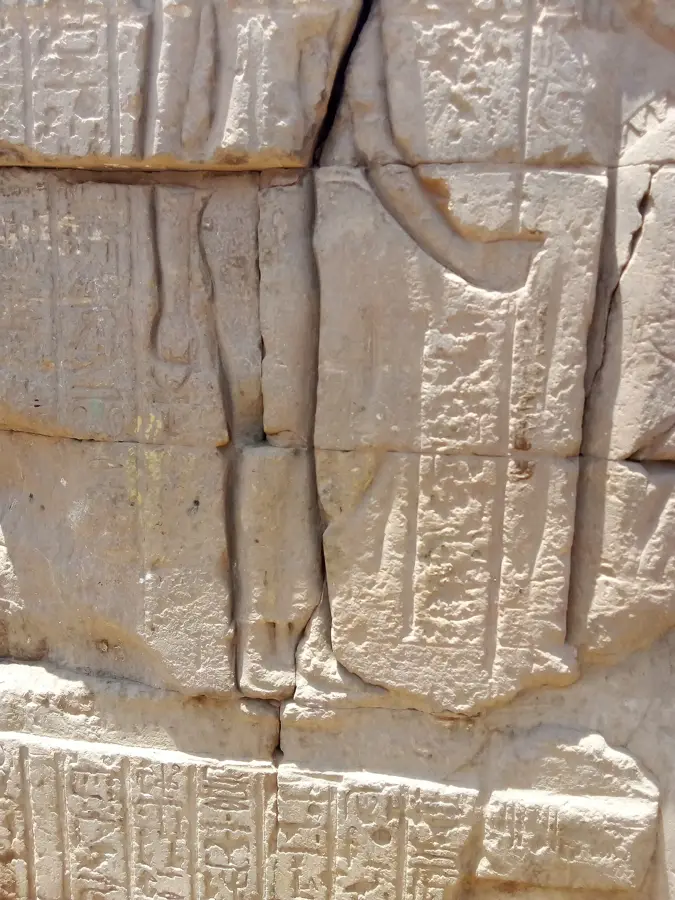
Do not forget to bring plenty of water, a hat, and sunscreen, as there is almost no shade available on site. Additionally, hiring a local guide can greatly help in deciphering the hidden details of the hieroglyphs.

Geography

Coordinates
25.72780, 32.61050

Facts

  • The temple was constructed during the 67-year reign of Ramesses II.
  • The fallen colossus is the largest monolithic statue in Egypt.
  • The temple site covers an area of approximately 5 hectares.
  • The hypostyle hall features 48 massive papyrus-shaped columns.
  • The temple was originally known as the 'House of Millions of Years'.
  • Parts of the temple were converted into a church during the Coptic era.

Explore nearby

Notable places around
Route planner — Car & Motorhome

Where do you start? We build the route here, with stops and country notes along the way.

Vehicle
Only stops with (optional):

© OpenStreetMap contributors · OpenRouteService

Sights in the town Ramesseum (6)

TT296 Tomb of Nefersekheru📍 landmark

Tomb TT296 on the Theban West Bank belongs to the ancient Egyptian official Nefersekheru, known for its fine wall paintings.

TT52 (Nakht)📍 landmark

Tomb TT52 belongs to Nakht, an astronomer of Amun, and features lively scenes of ancient rural life.

Theban Tomb 69 (Menna)📍 landmark

Theban Tomb 69 belonged to Menna and showcases detailed paintings of agriculture and harvesting ceremonies.

Crater de las Ostracas🏺 historical

Crater de las Ostracas is an excavation area near the Ramesseum where hundreds of inscribed limestone sherds were discovered.

Dra' Abu el-Naga'🏺 historical

Dra' Abu el-Naga' is an ancient Theban necropolis located on the West Bank of the Nile.

TT 414🏺 historical

Theban Tomb TT 414 served as the final resting place for Ankh-hor, a high-ranking official.

Sights nearby

Frequently asked questions

For whom was the temple built?
For Pharaoh Ramesses II.
What is the fallen colossus?
A giant statue of Ramesses II.
Where is the temple located?
On the West Bank of Luxor.
How are the reliefs?
They depict the Battle of Kadesh, among others.
Is there any shade?
Very little; take water and a hat.
Ramesseum: where is it located?
Ramesseum is located in Egypt.
Ramesseum: what is there to see?
Highlights include TT296 Tomb of Nefersekheru, TT52 (Nakht), Theban Tomb 69 (Menna).
Ramesseum: when is the best time to visit?
The most pleasant time to visit is Mar, Apr, Nov.
Ramesseum: why is it worth visiting?
The Ramesseum is the magnificent mortuary temple of Pharaoh Ramesses II, located in the Theban Necropolis on the west bank of the Nile in Luxor.
View on map → The Top 50 Attractions → OpenStreetMap →
Africa
Explore with Plizio Discover more places in Africa
More places in Egypt →

Nearby cities

More places