Plizio Visual Lab

Hatshepsut Temple
Plizio editorial teamData Sources
Historical site
—°5
Hatshepsut Temple (Egypt)

Weather…

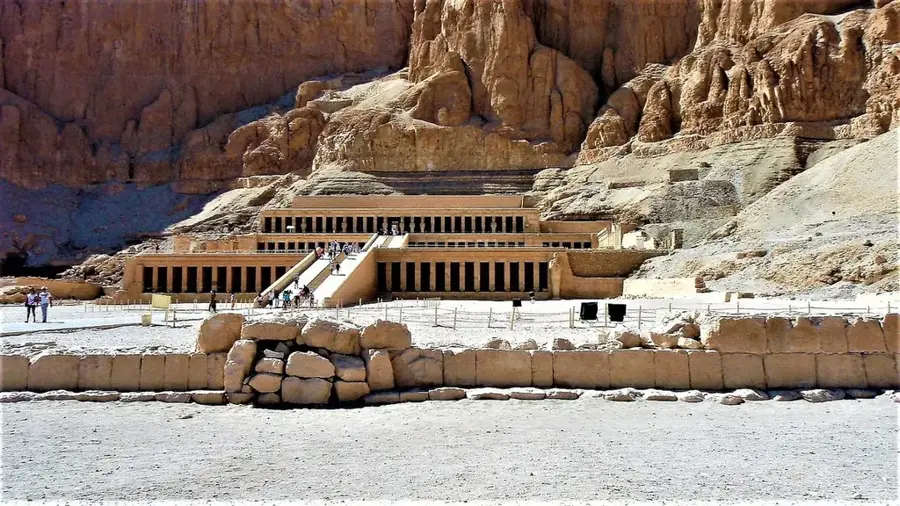
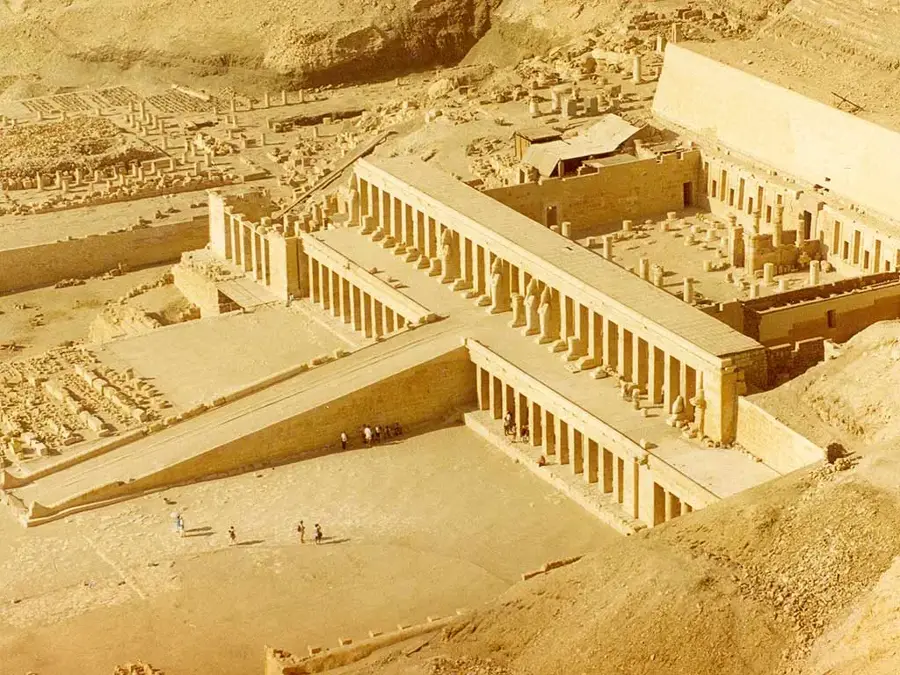
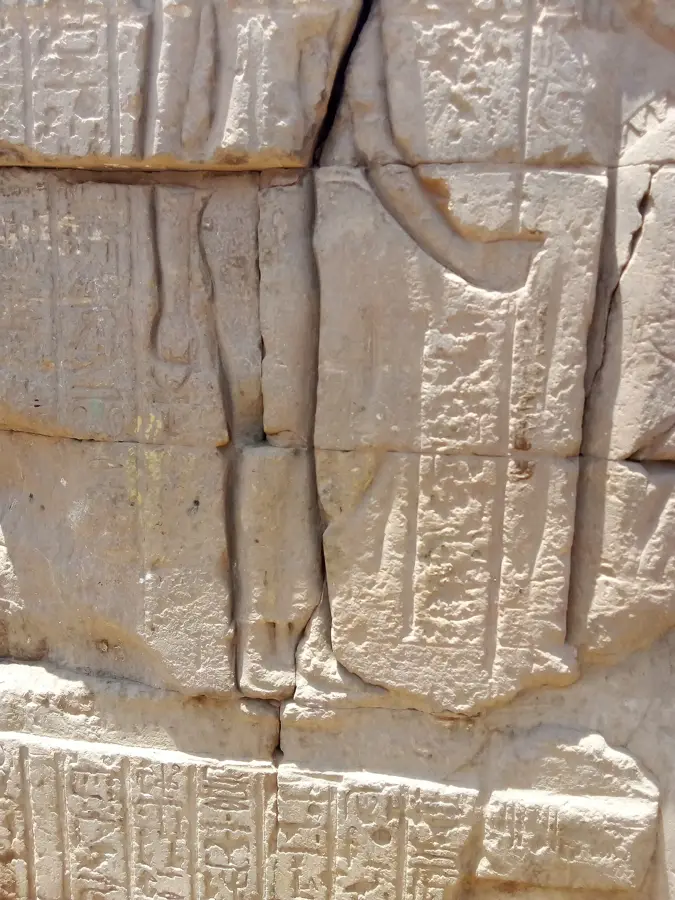
The Mortuary Temple of Hatshepsut, known in antiquity as Djeser-Djeseru ('Holy of Holies'), is situated at the base of the cliffs of Deir el-Bahari on the west bank of Luxor. Built in the 15th century BC for Queen Hatshepsut, one of the most successful female pharaohs of the 18th Dynasty, the temple is renowned for its unique terraced design. Designed by the architect Senenmut, it consists of three massive levels connected by long ramps, blending seamlessly into the surrounding natural limestone amphitheater. The temple's walls are adorned with intricate reliefs depicting the divine birth of Hatshepsut and her famous trade expedition to the Land of Punt. Following her death, many of her images and titles were defaced by Thutmose III in an attempt to erase her from history. Despite this, the temple remains a masterpiece of ancient architecture, characterized by its classical proportions and innovative integration with the landscape.

Best time to visit & climate

The most pleasant time to visit is Mar, Apr, Nov.

JanFebMarAprMayJunJulAugSepOctNovDec
Avg °C131620252932333330262015
Rain mm100000000000

📋 Practical info

🚪
Visiting
This impressive terraced structure is fully open to visitors, allowing you to explore the lower and upper courtyards as well as the intricate colonnades. Most of the surviving reliefs and sanctuaries are accessible, though some specific interior chambers may be restricted for ongoing restoration.
🕒
Typical hours
Like most major archaeological sites in the area, it typically opens early in the morning and closes by late afternoon to avoid the intense midday heat. Arriving right at opening time or in the late afternoon usually gives the best experience with softer lighting and fewer crowds.
📷
Photography
Photography is generally permitted throughout the exterior areas and courtyards, capturing the dramatic backdrop of the Theban cliffs behind the columns. A separate photography ticket or fee is often required if you plan to use professional equipment or tripods inside the site.
⏱️
Time needed
You should allocate around an hour and a half to two hours to fully appreciate the different levels, walk up the ramps, and study the detailed wall carvings. A thorough visit requires a fair amount of walking and climbing stairs in an unshaded and historically rugged environment.
Combine with
Because it is situated on the West Bank, this monument is perfectly paired with an extensive exploration of the nearby Valley of the Kings. Many travelers also include a brief stop at the Ramesseum or the artisans' village of Deir el-Medina on the same excursion.
🧭
Getting there
Access to the site usually involves a short ride on an electric tram or shuttle from the main visitor center and parking area directly to the temple base. The West Bank itself is easily reached via a taxi ride from the local ferry terminal or by hiring a private driver.
💡
Insider tip
Since the massive limestone cliffs reflect and magnify the sun's heat, bringing a wide-brimmed hat, sunglasses, and plenty of water is absolutely essential for your comfort. The early morning light striking the facade provides the most spectacular and dramatic view of the monument.

Geography

Coordinates
25.73830, 32.60650

Facts

  • The temple was built between 1479 and 1458 BC
  • It features three grand terraces reaching a height of 30 meters
  • Senenmut, the royal architect, is credited with its design
  • Reliefs document the first recorded transplanting of foreign trees
  • The site functioned as a Coptic monastery in the 7th century AD
  • Pharaoh Thutmose III attempted to destroy the temple's inscriptions

Explore nearby

Notable places around
Route planner — Car & Motorhome

Where do you start? We build the route here, with stops and country notes along the way.

Vehicle
Only stops with (optional):

© OpenStreetMap contributors · OpenRouteService

Sights in the town Hatshepsut Temple (5)

Replica of Tut Ankh Amon Tomb📍 landmark

This exact replica of Tut Ankh Amon's tomb was created to help preserve the heavily visited original site.

Temple of Thutmoses III📍 landmark

The Temple of Thutmoses III at Deir el-Bahari was once severely damaged by a rockfall from the cliffs above.

Deir el-Bahari📍 landmark

Deir el-Bahari is a dramatic, amphitheatre-like basin of cliffs renowned for containing a complex of spectacular royal mortuary temples.

Valley of the nobles Asasif🏺 historical

The Valley of the Nobles at El-Assasif is a Theban necropolis featuring predominantly large tomb complexes from the 25th and 26th Dynasties.

Tomb of Montuemhet (TT 34)🏺 historical

The Theban Tomb of Montuemhet (TT 34) is among the largest and most elaborate private tombs of the Late Period in Thebes.

Sights nearby

Frequently asked questions

What is unique about this temple?
Its unique terraced architecture set directly against a massive cliff face.
Can you walk on the terraces?
Yes, the main terraces are accessible to visitors via ramps.
Is there much shade?
No, it is very exposed; a hat and water are essential.
How long does a visit take?
About 1 to 2 hours for the entire complex.
Can you buy souvenirs?
Yes, there is a bazaar with vendors near the exit.
Hatshepsut Temple: where is it located?
Hatshepsut Temple is located in Egypt.
Hatshepsut Temple: what is there to see?
Highlights include Replica of Tut Ankh Amon Tomb, Temple of Thutmoses III, Deir el-Bahari.
Hatshepsut Temple: when is the best time to visit?
The most pleasant time to visit is Mar, Apr, Nov.
Hatshepsut Temple: why is it worth visiting?

The Mortuary Temple of Hatshepsut, known in antiquity as Djeser-Djeseru ('Holy of Holies'), is situated at the base of the cliffs of Deir el-Bahari on the west bank of Luxor.
View on map → The Top 50 Attractions → OpenStreetMap →
Africa
Explore with Plizio Discover more places in Africa
More places in Egypt →

Nearby cities

More places