Plizio Visual Lab
Qus
ℹ️Practical info — Qus
▾
🌤 Weather — 5 days
📍 Nearby
Sights nearby
💡 Tips
- Explore the historic Al-Amri Mosque, ensuring you visit outside of scheduled prayer times.
- Do your exploring early in the morning, as the midday sun here is famously intense.
- Qus makes for an easy and rewarding day trip if you are staying in nearby Luxor.
- Polite haggling is expected and welcomed at the local traditional souq.
🍽 Food
The famous Upper Egyptian sun-bread, leavened outdoors in the sunlight at local bakeries.
The southern take on this traditional jute-leaf soup is known to be particularly rich and flavorful.
Grab a cold, freshly pressed glass from street vendors in the center to beat the heat.
🛍 Shopping · 🧘 Quiet spots
The traditional market stalls in the old town offer incredibly fresh and aromatic local spices.
Look for high-quality Upper Egyptian cotton sold by the meter in the local fabric shops.
A peaceful and cooler place for a walk, especially as the sun begins to set.
These narrow, historic streets provide cool shade and a quiet retreat from the main roads.
Water temperature…
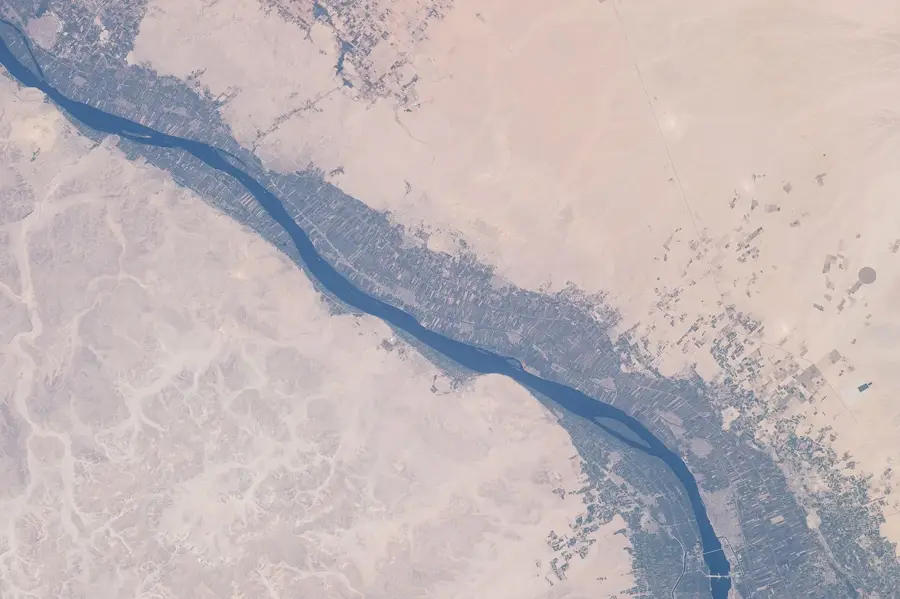
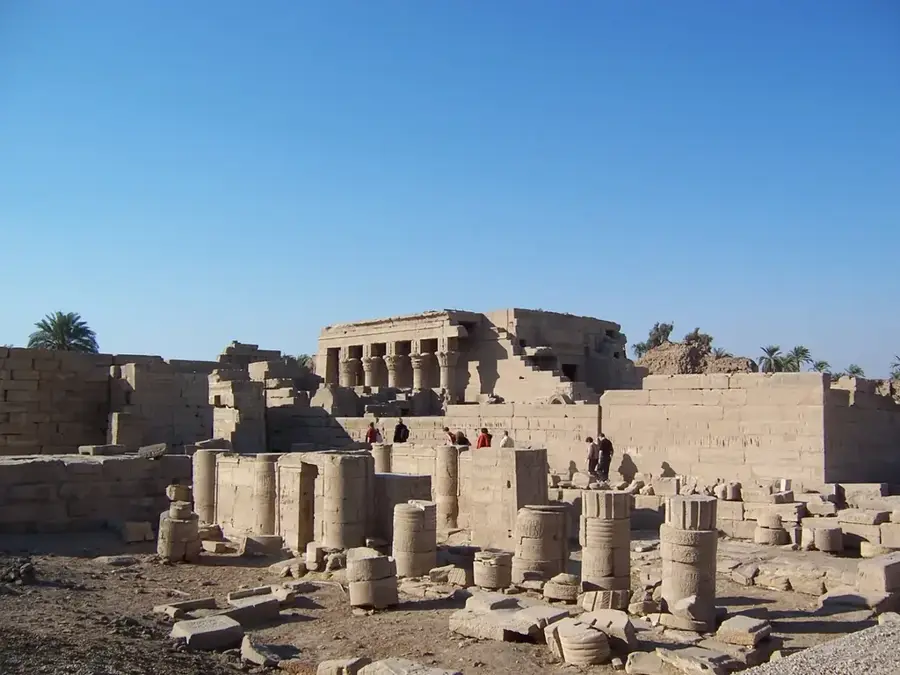
Qus is a city rich in history located in the Qena Governorate of Upper Egypt, situated on the eastern bank of the Nile. In ancient times, it was known as Gesa or Apollinopolis Parva and served as a crucial starting point for caravans traveling through the Eastern Desert to the Red Sea. During the Middle Ages, Qus rose to prominence as Egypt's second most important urban center after Cairo, particularly as a major hub for trade with the Orient and for pilgrims en route to Mecca. A standout monument from this golden age is the Great Mosque of El-Amri, built in the 11th century and renowned for its architectural beauty. Today, Qus is a center for the sugar industry, supported by the extensive sugarcane plantations in the surrounding area. The city maintains its traditional character and serves as a fascinating example of the continuity of trade and culture in the Nile Valley over millennia.
- Location: Egypt
- Nearby: Qena (24 km)
- Population: ~84.386 (2025)
Best time to visit & climate
The most pleasant time to visit is Feb, Mar, Nov.
| Jan | Feb | Mar | Apr | May | Jun | Jul | Aug | Sep | Oct | Nov | Dec | |
|---|---|---|---|---|---|---|---|---|---|---|---|---|
| Avg °C | 15 | 17 | 21 | 26 | 31 | 33 | 34 | 34 | 31 | 28 | 22 | 17 |
| Rain mm | 1 | 0 | 0 | 0 | 0 | 0 | 0 | 0 | 0 | 0 | 0 | 0 |
Geography
Facts
- Qus was one of Egypt's wealthiest cities during the 13th and 14th centuries.
- The El-Amri Mosque features one of the oldest wooden pulpits (minbar) in the world.
- The city was a primary terminal for trade with India via the port of Quseir.
- Qus is home to one of the country's largest paper mills, using sugarcane bagasse.
- The ancient name Apollinopolis Parva refers to the god Horus.
- The current population of the city is estimated to be around 85,000 residents.
Explore nearby
Notable places around
Route planner — Car & Motorhome
Where do you start? We build the route here, with stops and country notes along the way.
© OpenStreetMap contributors · OpenRouteService
Frequently asked questions
What was the historical role of Qus?
Are there ancient temple remains?
Where is Qus located?
Which mosque is worth seeing?
Is it worth a stop on the way to Luxor?
Qus: where is it located?
Qus: when is the best time to visit?
Qus: why is it worth visiting?

Nearby cities
More places