Plizio Visual Lab

Karnak Temple Complex
Plizio editorial teamData Sources
Historical site
—°7
Karnak Temple Complex (Egypt)

Weather…

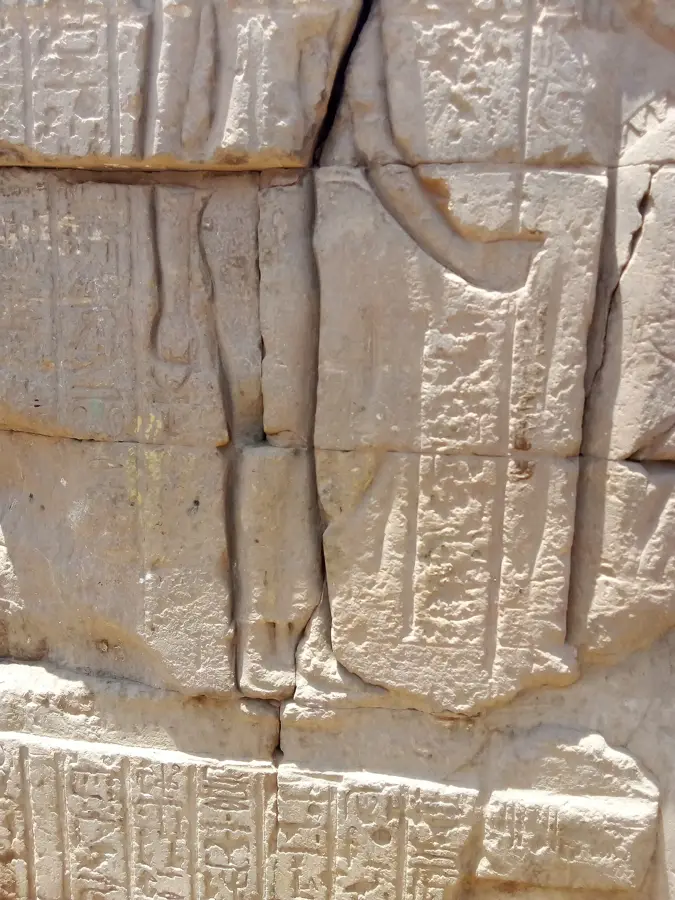
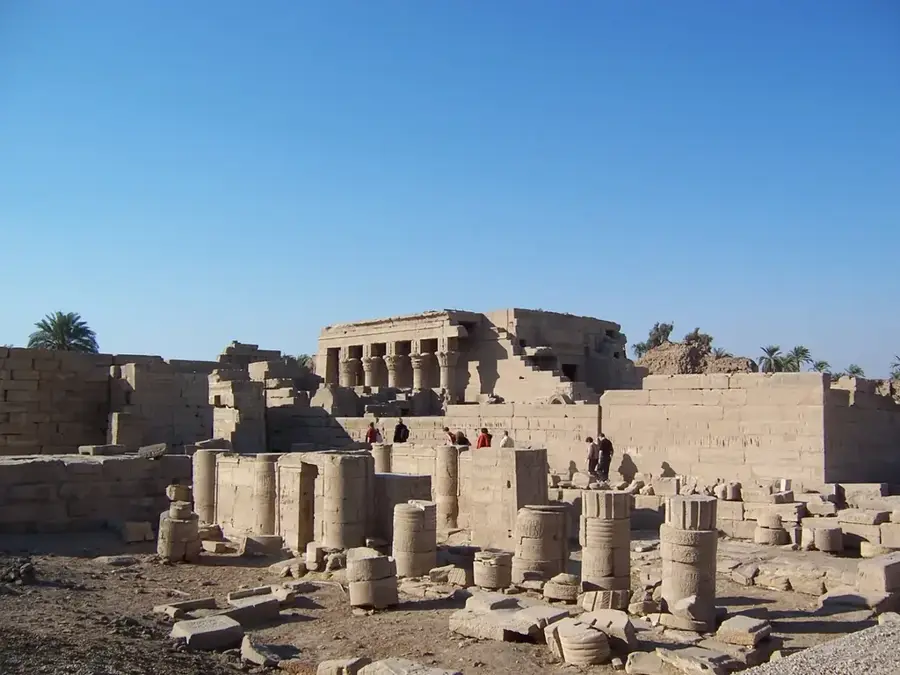
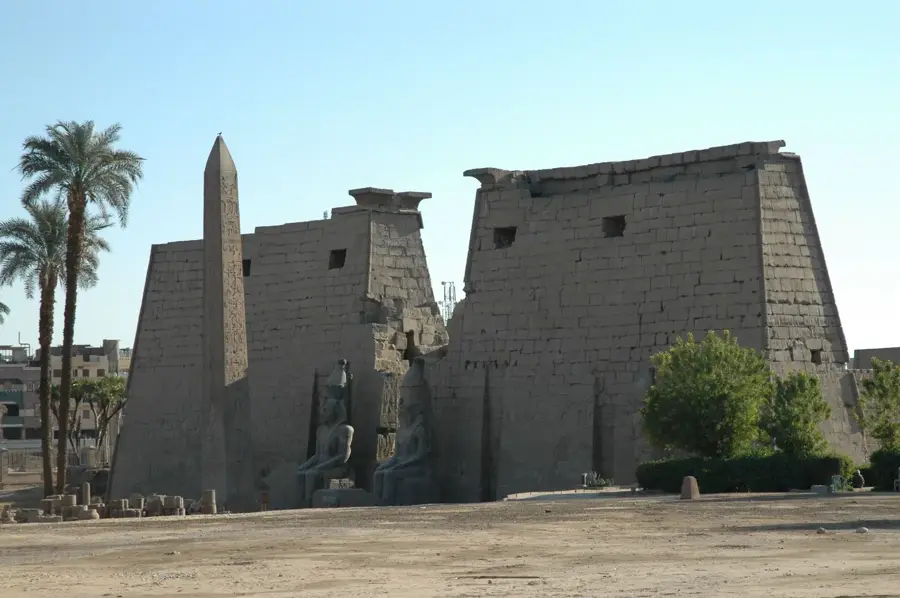
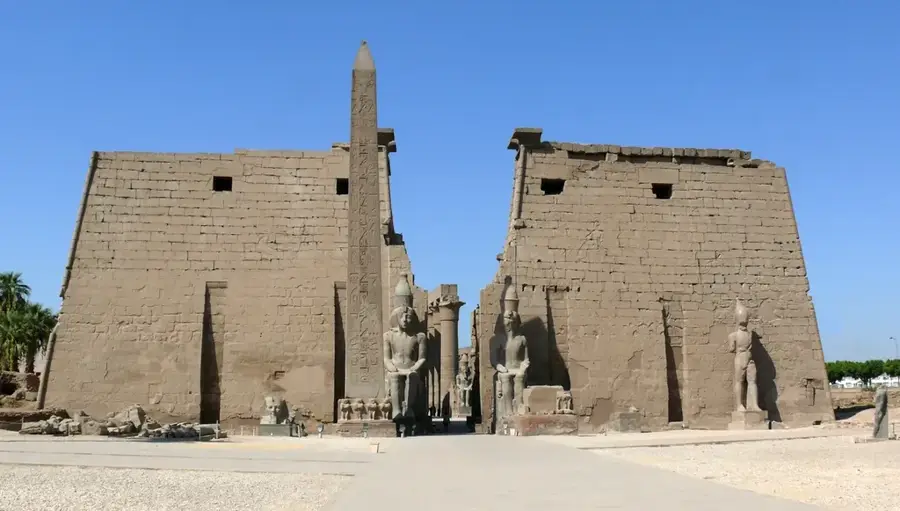
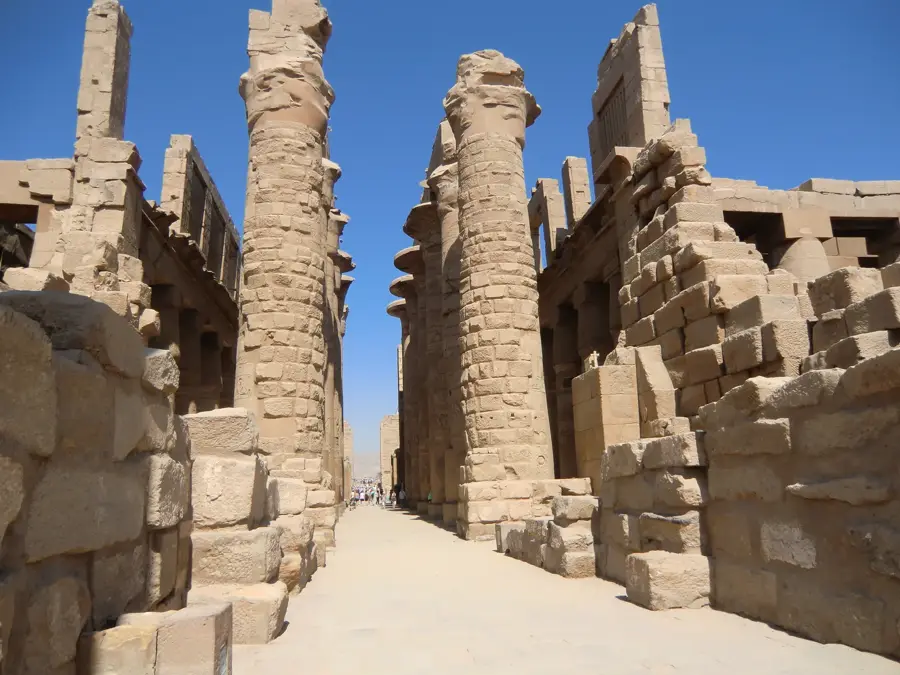
The Karnak Temple Complex near Luxor is the largest ancient religious site in the world, developed over a period of more than 1,500 years. Construction began during the Middle Kingdom and continued through the Ptolemaic period, with nearly every major pharaoh adding to its grandeur. The complex is centered on the Precinct of Amun-Re, the chief deity of the Theban Triad, alongside precincts for Mut and Khonsu. Its most iconic feature is the Great Hypostyle Hall, covering 5,000 square meters and housing 134 massive columns arranged in 16 rows. The central columns reach a height of 21 meters, originally supporting a heavy stone roof. Karnak also features towering obelisks, including one commissioned by Queen Hatshepsut, and a Sacred Lake used by priests for ritual purification. As a UNESCO World Heritage site, it stands as a testament to the architectural ambition and religious devotion of ancient Egypt, preserving intricate reliefs that document historical events and myths.

Best time to visit & climate

The most pleasant time to visit is Mar, Apr, Nov.

JanFebMarAprMayJunJulAugSepOctNovDec
Avg °C131620252932333330262015
Rain mm100000000000

📋 Practical info

🚪
Visiting
This vast open-air museum invites extensive exploration, allowing you to wander through immense courtyards, towering pylon gates, and the awe-inspiring Great Hypostyle Hall. While the main central areas are fully accessible, some of the peripheral precincts and ongoing excavation zones remain cordoned off.
🕒
Typical hours
The complex generally welcomes visitors from early morning until the late afternoon hours on a daily basis. Many people return after dusk for the popular Sound and Light Show, which operates on a separate evening schedule with designated ticketing.
📷
Photography
Capturing the sheer scale of the massive columns and obelisks is highly encouraged throughout the general grounds of the complex. Using tripods or sophisticated professional camera gear typically requires purchasing a special permit before passing through the main entrance.
⏱️
Time needed
Given the monumental scale of the grounds, you should plan to spend at least two to three hours to take in the main highlights. Truly devoted history enthusiasts often dedicate an entire half-day to thoroughly inspect the intricate hieroglyphs and lesser-known sanctuaries.
Combine with
A stroll along the partially restored Avenue of Sphinxes provides a remarkable physical and historical connection directly to Luxor Temple. You can also comfortably fit in a visit to the excellent Luxor Museum during the same morning or afternoon itinerary.
🧭
Getting there
Situated prominently on the East Bank, the entrance is easily reachable by a short taxi ride or even a leisurely carriage journey from downtown Luxor. The large plaza in front of the visitor center provides a clear and straightforward entry point for independent travelers.
💡
Insider tip
The afternoon sun casts striking, dramatic shadows across the forest of pillars within the Great Hypostyle Hall, creating magical photographic opportunities. Engaging a knowledgeable local guide is highly recommended to properly decode the complex historical narratives carved into the stones.

Geography

Coordinates
25.71880, 32.65830

Facts

  • Construction spanned from circa 1970 BC to 30 BC
  • The Great Hypostyle Hall features 134 columns in 16 rows
  • Hatshepsut's obelisk stands 29.5 meters tall and weighs 343 tons
  • The entire complex covers an area of over 80 hectares
  • An avenue of sphinxes originally connected Karnak to Luxor Temple
  • The Sacred Lake measures approximately 120 by 77 meters

Explore nearby

Notable places around
Route planner — Car & Motorhome

Where do you start? We build the route here, with stops and country notes along the way.

Vehicle
Only stops with (optional):

© OpenStreetMap contributors · OpenRouteService

Sights in the town Karnak Temple Complex (7)

Open-Air Museum🏛 museum

This archaeological museum displays reconstructed ancient shrines, including the famous White and Red Chapels reassembled from Karnak's pylons.

Temple of Montu (Medamud)🏺 historical

This ancient monument was dedicated to Montu, the falcon-headed Egyptian god of war.

Temple of Ptah🏺 historical

These Karnak temple ruins are dedicated to the creator god Ptah and feature a dark sanctuary housing a statue of the lioness goddess Sekhmet.

Great Hypostyle Hall🏺 historical

This massive ancient colonnade features 134 towering sandstone columns, originally roofed and richly decorated by Seti I and Ramesses II.

Temple of Montu📍 landmark

Serving as one of the four main enclosures at Karnak, these ruins formed the primary sanctuary for the Theban war god.

Botanical Gardens of Thutmose III📍 landmark

The walls of this ancient room are carved with detailed reliefs of exotic plants and animals brought back from the Syrian campaigns of Thutmose III.

Karnak Temple Complex📍 landmark

This vast, UNESCO-listed pharaonic complex is a sprawling mix of decayed temples, chapels, and massive sandstone pylons built over 2,000 years.

Sights nearby

Frequently asked questions

How large is Karnak Temple?
It is the largest religious temple complex ever built.
Is there a Sound & Light show?
Yes, it takes place every evening in various languages.
What is the most impressive part?
The Great Hypostyle Hall with its 134 massive columns.
When is the best time to visit Karnak?
Early morning to avoid the midday heat and large tour groups.
Can you eat there?
There are cafes near the entrance offering drinks and snacks.
Karnak Temple Complex: where is it located?
Karnak Temple Complex is located in Egypt.
Karnak Temple Complex: what is there to see?
Highlights include Open-Air Museum, Temple of Montu (Medamud), Temple of Ptah.
Karnak Temple Complex: when is the best time to visit?
The most pleasant time to visit is Mar, Apr, Nov.
Karnak Temple Complex: why is it worth visiting?

The Karnak Temple Complex near Luxor is the largest ancient religious site in the world, developed over a period of more than 1,500 years.
View on map → The Top 50 Attractions → OpenStreetMap →
Africa
Explore with Plizio Discover more places in Africa
More places in Egypt →

Nearby cities

More places