Plizio Visual Lab
Cuyabeno Wildlife Reserve

Weather…
Water temperature…
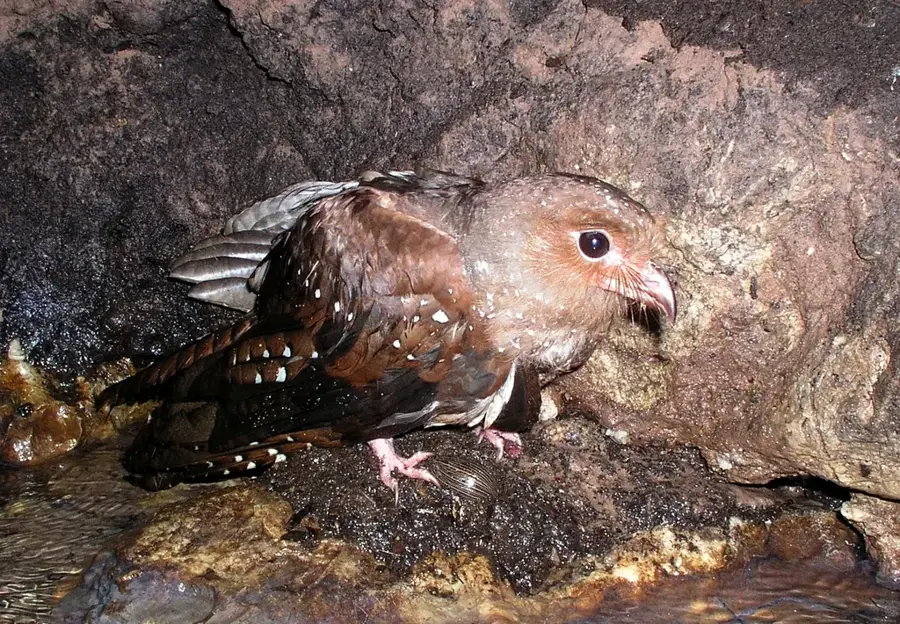
The Cuyabeno Wildlife Reserve is a fascinating wetland ecosystem in the Ecuadorian Amazon, sprawling across approximately 600,000 hectares. Established in 1979, the reserve is characterized by its complex river systems and seasonally flooded rainforests, known locally as Igapó. This aquatic landscape features a network of 14 lagoons, with Laguna Grande being the most prominent and accessible. The area's immense biodiversity includes over 500 bird species, caimans, anacondas, and the elusive pink river dolphins. Culturally, the reserve is home to five indigenous nationalities, including the Siona, Secoya, and Cofán, who are deeply involved in ecotourism and territorial conservation. Due to its flat topography and narrow waterways, Cuyabeno features visitors exceptional opportunities for close-up wildlife viewing. Preserving this unique flooded forest is essential for maintaining the aquatic biodiversity of the Upper Amazon Basin.
- Location: Ecuador
- Top sights: Monkey Island · Centro de Interpretación Cultural Siona
Best time to visit & climate
The most pleasant time to visit is Jan, Aug, Sep.
| Jan | Feb | Mar | Apr | May | Jun | Jul | Aug | Sep | Oct | Nov | Dec | |
|---|---|---|---|---|---|---|---|---|---|---|---|---|
| Avg °C | 25 | 25 | 25 | 25 | 25 | 24 | 24 | 25 | 25 | 25 | 25 | 25 |
| Rain mm | 149 | 178 | 234 | 223 | 237 | 227 | 178 | 149 | 146 | 189 | 217 | 204 |
📋 Practical info
Geography
Facts
- The reserve was officially created on July 26, 1979.
- It covers a total land and water area of 6,033 square kilometers.
- There are 14 permanent lagoons within Cuyabeno connected by waterways.
- Scientists have recorded over 515 distinct bird species in the area.
- The reserve is located in the Sucumbíos Province in northeastern Ecuador.
- It provides a habitat for ten different species of primates in its dense forests.
Explore nearby
Notable places around



Route planner — Car & Motorhome
Where do you start? We build the route here, with stops and country notes along the way.
© OpenStreetMap contributors · OpenRouteService
Sights in the town Cuyabeno Wildlife Reserve (2)
Sights nearby
Frequently asked questions
How long should you plan for Cuyabeno?
Are there many mosquitoes?
Can you swim in the reserve?
What is the accommodation like?
Which birds are most commonly seen?
Cuyabeno Wildlife Reserve: where is it located?
Cuyabeno Wildlife Reserve: what is there to see?
Cuyabeno Wildlife Reserve: when is the best time to visit?
Cuyabeno Wildlife Reserve: why is it worth visiting?

Nearby cities
History & landmarks
Nature
More places