Plizio Visual Lab
Mao
ℹ️Practical info — Mao
▾
🌤 Weather — 5 days
📍 Nearby
Sights nearby
💡 Tips
- Mao is one of the hottest cities in the country; always carry a bottle of water and plan outdoor activities for early morning or late afternoon.
- Catch the sunset: the city is famously known as the 'City of Beautiful Sunsets' (Ciudad de los Bellos Atardeceres).
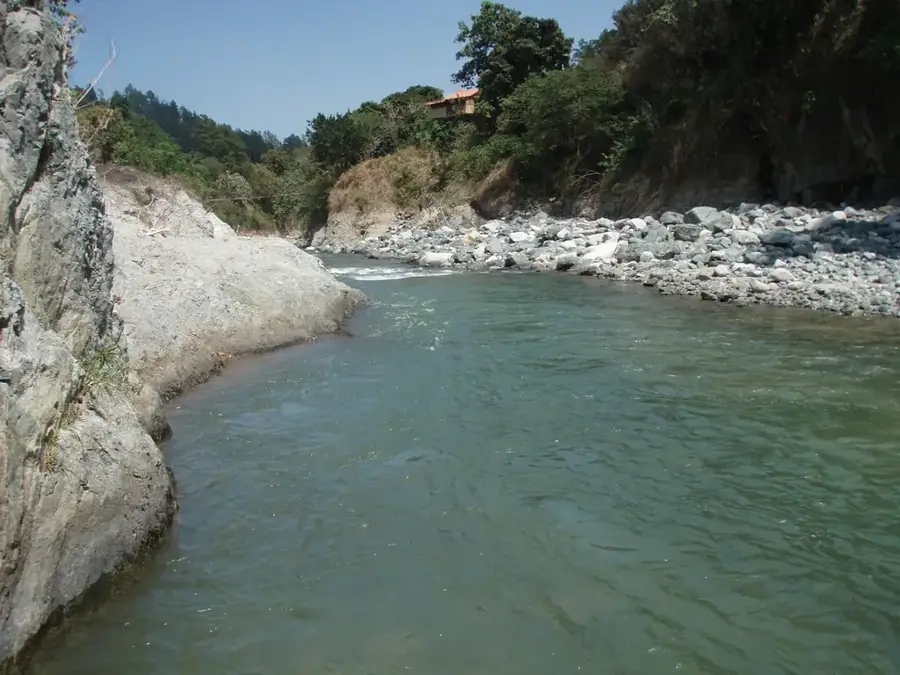
- Visit the local balnearios (swimming spots) on the Yaque del Norte river to cool off like a local.
- Try the agricultural tours if you can, as the area is a major hub for rice and banana production.
🍽 Food
Spicy stewed goat, highly renowned in this northwestern region. Look for it in traditional restaurants.
A flavorful chicken and rice dish, often made with locally grown rice.
Cool down with freshly blended passion fruit or tamarind juices at the town square.
🛍 Shopping · 🧘 Quiet spots
Buy some of the best quality rice and fresh bananas directly from local farmers.
Pick up local Dominican coffee or cacao products available in specialized stores.
Find a quiet spot under the trees along the river to escape the intense heat.
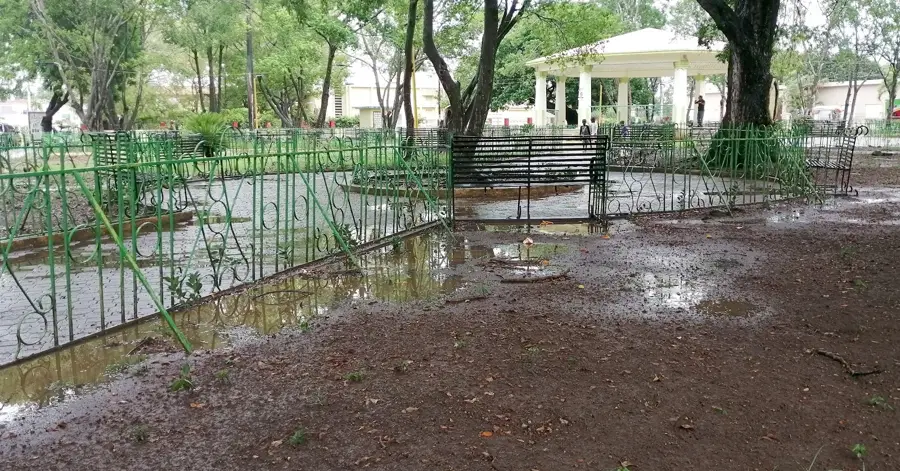
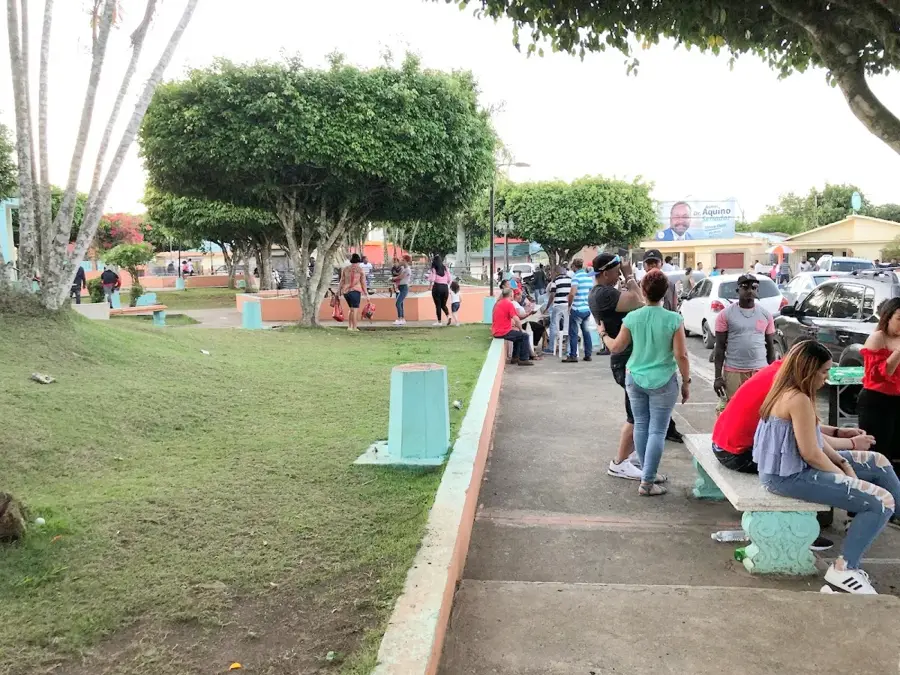
The central park, handy for resting on a bench under the shade in the late afternoon.
Water temperature…
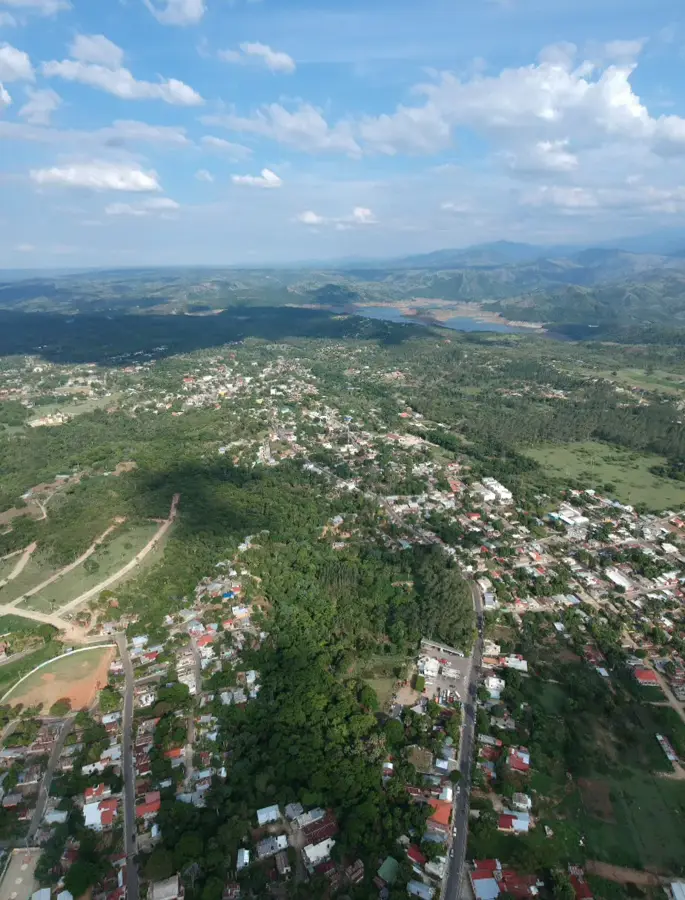
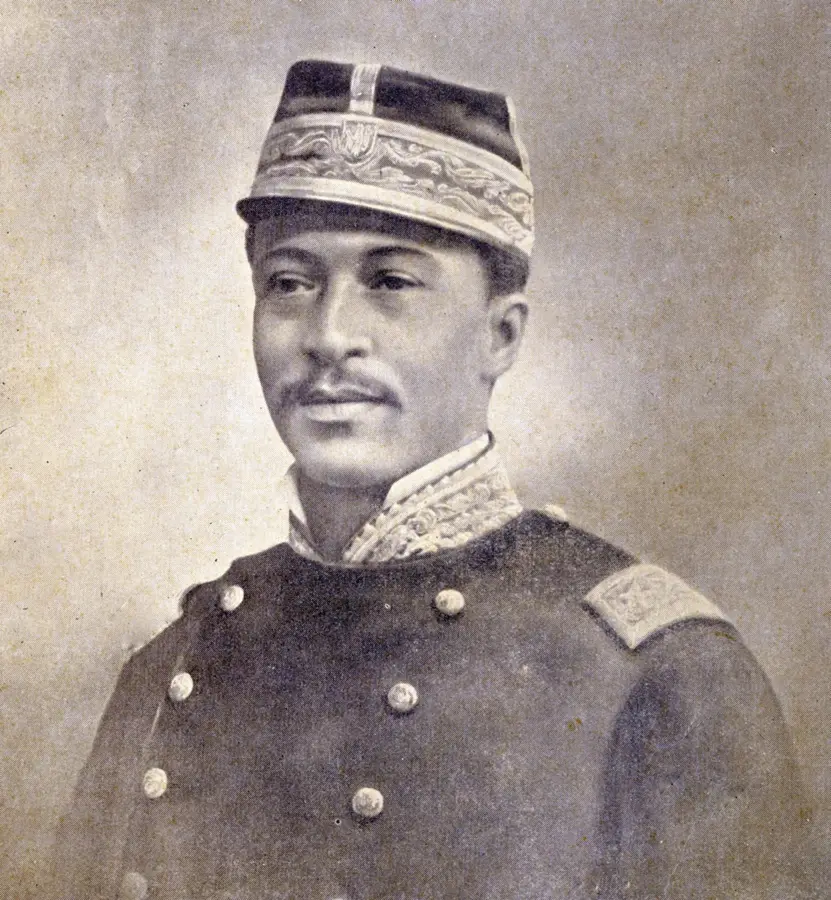
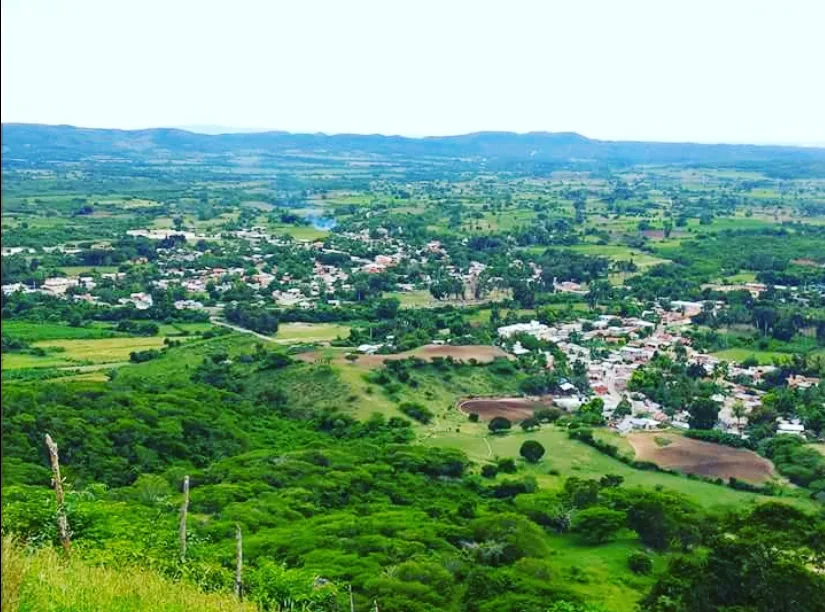
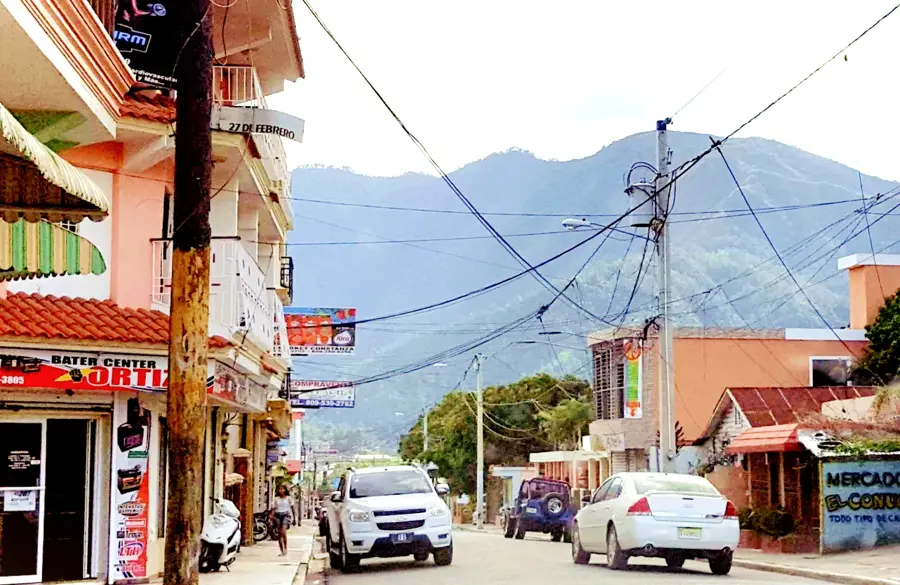
Mao, officially named Santa Cruz de Mao, serves as the capital of the Valverde province in the northwestern Dominican Republic. Set at the edge of the Cibao Valley, the city is widely celebrated for its memorable evening skies, earning it the poetic title "City of Beautiful Sunsets." Mao's economy is predominantly agricultural, anchored by a vast network of irrigation canals that make the region the leading producer of rice in the nation. In addition to rice, the city is a major hub for high-quality banana production, much of which is destined for global export. Historically, Mao holds a place of honor due to the 1916 Battle of La Barranquita, where local patriots bravely resisted the first United States military intervention. The climate in Mao is notably hot and semi-arid, necessitating a deep reliance on the Mao and Yaque del Norte rivers to sustain its farmlands. Modern Mao is a thriving commercial center with a growing urban population, maintaining a proud cultural heritage rooted in its agricultural success and historical resilience.
- Location: Dominican Republic
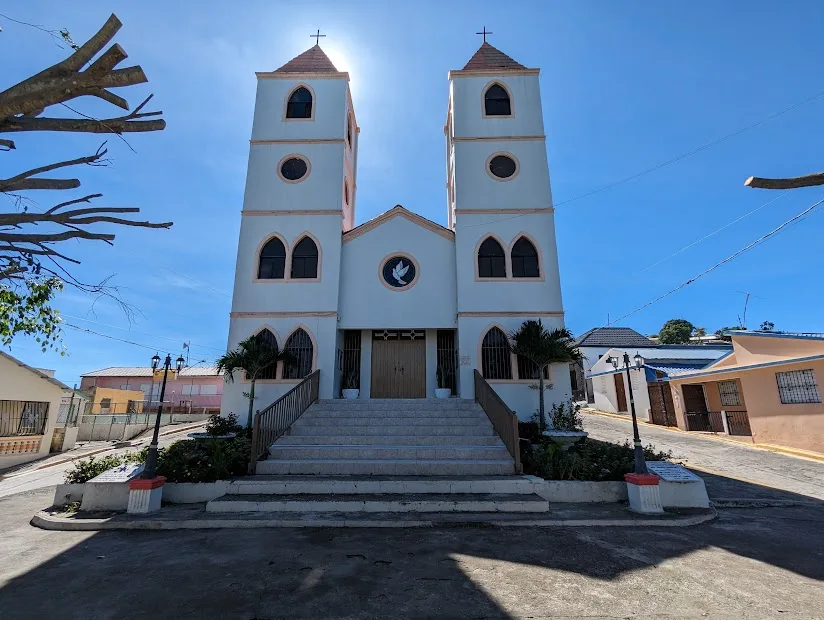
- Top sights: Centro de Damas · Vía Panorámica Entrada de Mao
- Nearby: Esperanza (10 km)
- Population: ~48.297 (2026)
Best time to visit & climate
The most pleasant time to visit is Jan, Feb, Dec.
| Jan | Feb | Mar | Apr | May | Jun | Jul | Aug | Sep | Oct | Nov | Dec | |
|---|---|---|---|---|---|---|---|---|---|---|---|---|
| Avg °C | 23 | 23 | 24 | 25 | 26 | 28 | 28 | 28 | 27 | 27 | 25 | 23 |
| Rain mm | 41 | 24 | 37 | 38 | 52 | 32 | 35 | 43 | 46 | 51 | 76 | 46 |
Geography
Facts
- Mao was officially established as a municipality in 1882.
- The city is widely regarded as the rice capital of the Dominican Republic.
- The name Mao originates from the Taino language, meaning 'land between rivers.'
- The Battle of La Barranquita occurred nearby on July 3, 1916.
- Mao frequently records the highest daily temperatures in the country.
- The city is a significant exporter of organic bananas to European markets.
Explore nearby
Notable places around


Route planner — Car & Motorhome
Where do you start? We build the route here, with stops and country notes along the way.
© OpenStreetMap contributors · OpenRouteService
Sights in the town Mao (2)
Frequently asked questions
Why is Mao called the 'City of Sunsets'?
What is the main agricultural product?
Is there tourism there?
How is the weather?
What can you do at the river?
Mao: where is it located?
Mao: what is there to see?
Mao: when is the best time to visit?
Mao: why is it worth visiting?

Nearby cities

History & landmarks
Nature
More places