Plizio Visual Lab
Wadden Sea National Park
Weather…
Water temperature…
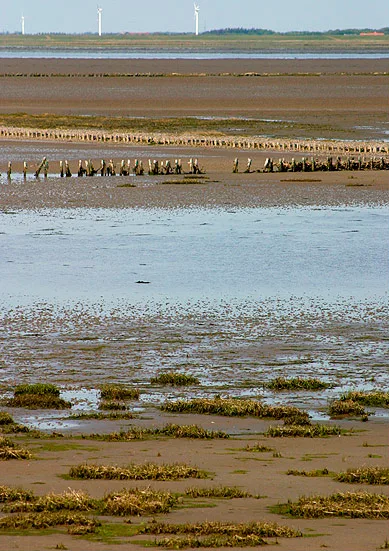
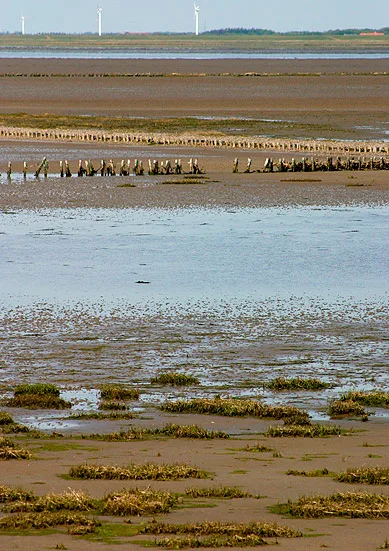
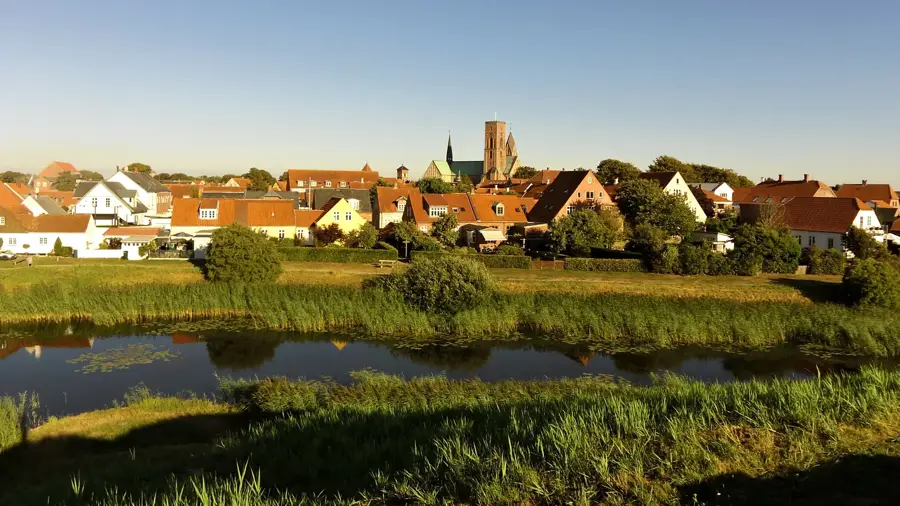
Wadden Sea National Park covers the Danish portion of the Wadden Sea and is by far the largest national park in Denmark, spanning over 1,400 square kilometers. Located along the west coast of Jutland, the area is a unique tidal ecosystem characterized by the constant cycle of high and low tides. Twice a day, the receding sea reveals vast stretches of the seabed, providing a critical feeding ground for millions of migratory birds traveling along the East Atlantic Flyway. Due to its outstanding ecological importance, the Danish Wadden Sea was designated a UNESCO World Heritage site in 2014. In addition to the tidal flats, the national park includes the islands of Rømø and Fanø, famous for their exceptionally wide sandy beaches. Visitors can take guided mudflat walks, spot seals basking on sandbanks, or witness the 'Black Sun' phenomenon, where massive murmurations of starlings create shifting patterns in the evening sky. The park safeguards one of Europe's most precious natural landscapes while fostering sustainable tourism in the coastal region.
- Location: Denmark
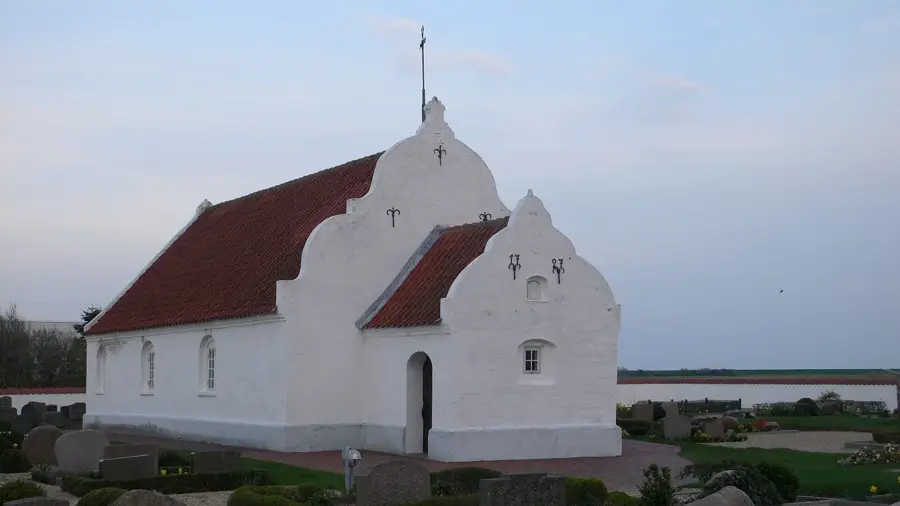
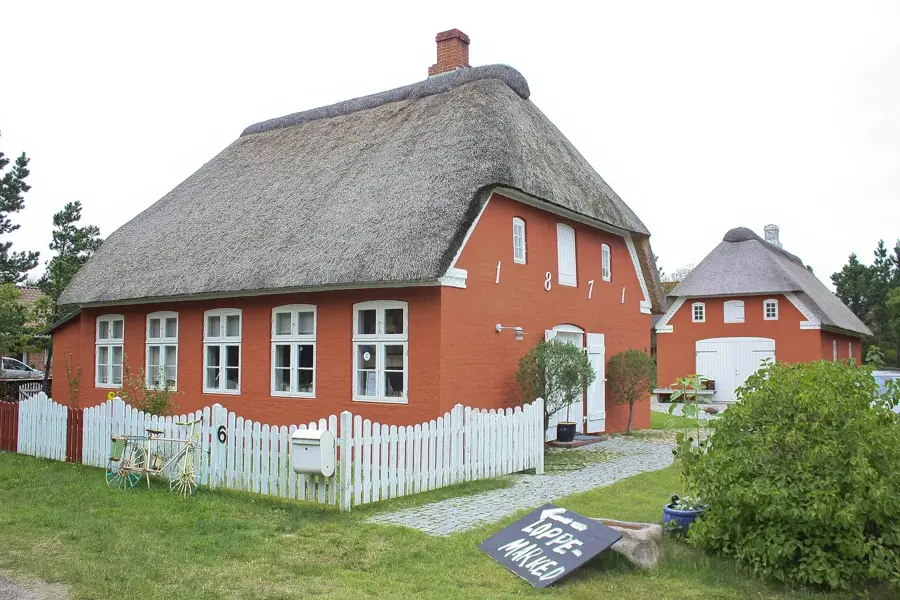
- Top sights: Mandøhuset · Naturudstilling om Vadehavet · Mandø Mill
- Nearby: Wadden Sea National Park (4 km)
Best time to visit & climate
The most pleasant time to visit is Jun–Aug.
| Jan | Feb | Mar | Apr | May | Jun | Jul | Aug | Sep | Oct | Nov | Dec | |
|---|---|---|---|---|---|---|---|---|---|---|---|---|
| Avg °C | 2 | 2 | 3 | 7 | 11 | 15 | 17 | 17 | 14 | 10 | 6 | 3 |
| Rain mm | 80 | 62 | 54 | 43 | 53 | 74 | 76 | 93 | 80 | 92 | 84 | 83 |
📋 Practical info
Geography
Facts
- The national park was officially established in 2010.
- The protected area stretches from the German border up to Esbjerg.
- Over 10 million migratory birds rest in the Danish Wadden Sea every year.
- The island of Rømø boasts the widest sandy beach in Northern Europe.
- An estimated 3,000 to 4,000 harbor seals live within the park's boundaries.
- The area was inscribed as a UNESCO World Heritage site in June 2014.
Explore nearby
Notable places around

Route planner — Car & Motorhome
Where do you start? We build the route here, with stops and country notes along the way.
© OpenStreetMap contributors · OpenRouteService
Sights in the town Wadden Sea National Park (4)
Sights nearby
Frequently asked questions
What is the Wadden Sea?
Can you see seals?
What is 'Black Sun' (Sort Sol)?
Are mudflat hikes dangerous?
Which islands belong to the national park?
Wadden Sea National Park: where is it located?
Wadden Sea National Park: what is there to see?
Wadden Sea National Park: when is the best time to visit?
Wadden Sea National Park: why is it worth visiting?

Nearby cities