Plizio Visual Lab
Rømø
ℹ️Practical info — Rømø
▾
🌤 Weather — 5 days
📍 Nearby
Sights nearby
💡 Tips
- The causeway connecting the island to the mainland is free to cross; watch the tidal flats as you drive over.
- Rømø has one of the widest beaches in Europe; you can drive right down to the water, but stick to marked tracks to avoid getting stuck.
- Check the tide tables before venturing far out onto the mudflats; the water rises surprisingly fast.
- The southern beach (Sønderstrand) is zoned for kite buggies, while the northern part (Lakolk) is better for standard bathing.
- If traveling to Sylt (Germany), take the ferry from Havneby to save time and enjoy a scenic maritime ride.
🍽 Food
Join an oyster safari during the colder months to forage your own, or enjoy them fresh at the seafood spots in Havneby.
Small, flavorful brown shrimps caught locally. Often served on fresh rye bread at the eateries around the harbor in Havneby.
Grab a classic 'rød pølse' (red sausage) with all the toppings at a beachside kiosk in Lakolk after a long windy walk.
🛍 Shopping · 🧘 Quiet spots
Visit the local candle factory to buy beautiful handmade candles or try dipping your own, a great rainy-day activity.
Find warm woolen sweaters, nautical decor, and local handicrafts in the characterful shops around Havneby.
A peaceful pine forest with historical WWII bunkers hidden among the trees, offering quiet and sheltered hiking trails.
Climb the stairs in the Kirkeby Plantage to this wooden viewing platform for a serene panorama over the island's heathland.
Water temperature…
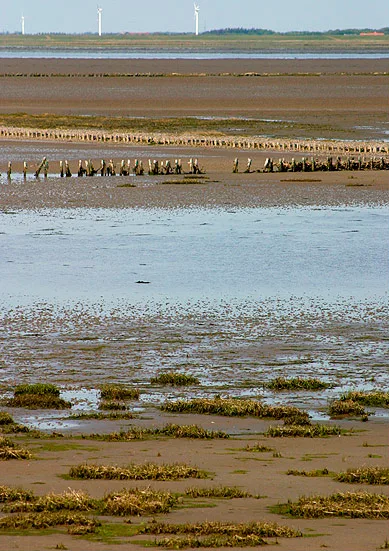
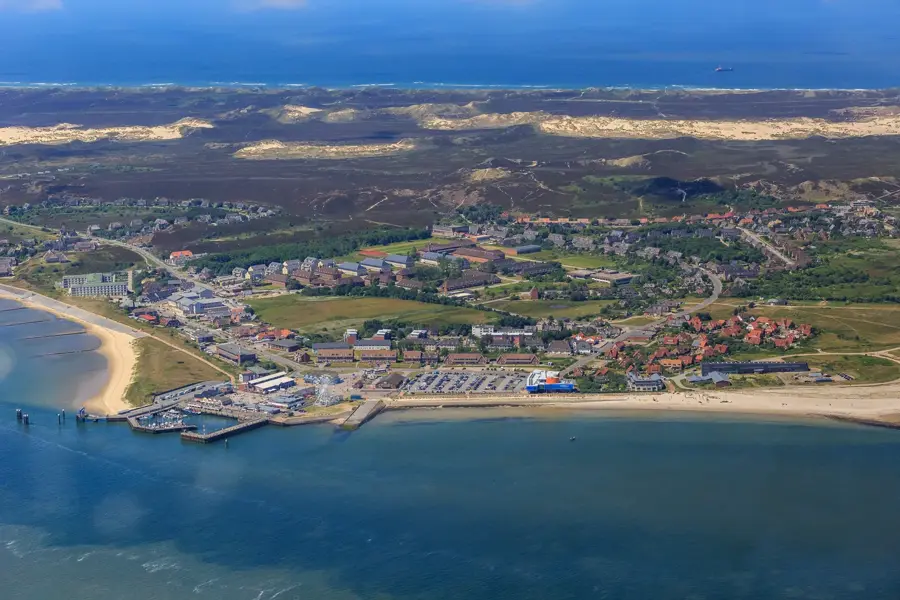
Rømø is situated in the Wadden Sea and is connected to the Danish mainland by a nearly 10-kilometer-long causeway. The island's primary draw is Lakolk Beach, which can reach a width of up to 4 kilometers at low tide, making it one of the largest sandy areas in Northern Europe. Driving cars directly onto the beach is permitted and is a significant part of the local holiday culture, especially for windsurfers and kite-fliers. The island has a deep connection to whaling history, showcased at Kommandørgården, a historic captain's estate that now serves as a national museum, featuring a unique fence made from whale bones. Away from the shore, the island’s landscape is a mix of pine forests and heather-covered moors, providing beautiful trails for hiking and cycling through protected nature areas. Rømø is also famous for its oyster safaris, where visitors can gather fresh Pacific oysters directly from the seabed during low tide. From Havneby in the south, a car ferry connects the island to Sylt in Germany, making it a key hub for regional island-hopping. Summer is the best time to visit, as the vast beaches host various festivals and international sports events.
- Location: Denmark
- Top sights: Tønnisgård Naturcenter · Lakolk Strand · Stagebjerg
- Nearby: Wadden Sea National Park (13 km)
- Population: ~252
Best time to visit & climate
The most pleasant time to visit is Jun–Aug.
| Jan | Feb | Mar | Apr | May | Jun | Jul | Aug | Sep | Oct | Nov | Dec | |
|---|---|---|---|---|---|---|---|---|---|---|---|---|
| Avg °C | 2 | 2 | 4 | 7 | 11 | 15 | 17 | 17 | 15 | 11 | 7 | 4 |
| Rain mm | 78 | 62 | 54 | 41 | 53 | 72 | 78 | 94 | 78 | 88 | 81 | 83 |
Geography
Facts
- Connected by the 9.2 km long Rømø causeway
- Home to Northern Europe's widest sandy beach
- Driving cars on Lakolk beach is permitted
- Whaling history preserved at Kommandørgården
- Ferry service to Sylt from Havneby
- Famous for oyster safaris in the Wadden Sea
- Part of the Wadden Sea National Park
- Major international kite festival in September
Explore nearby
Notable places around

Route planner — Car & Motorhome
Where do you start? We build the route here, with stops and country notes along the way.
© OpenStreetMap contributors · OpenRouteService
Sights in the town Rømø (4)
Frequently asked questions
How wide is Rømø beach?
Is the island accessible by car?
What can you do on Rømø?
Are there museums there?
Is there a ferry to Sylt?
Rømø: where is it located?
Rømø: what is there to see?
Rømø: when is the best time to visit?
Rømø: why is it worth visiting?

Nearby cities