Plizio Visual Lab
Fur Island
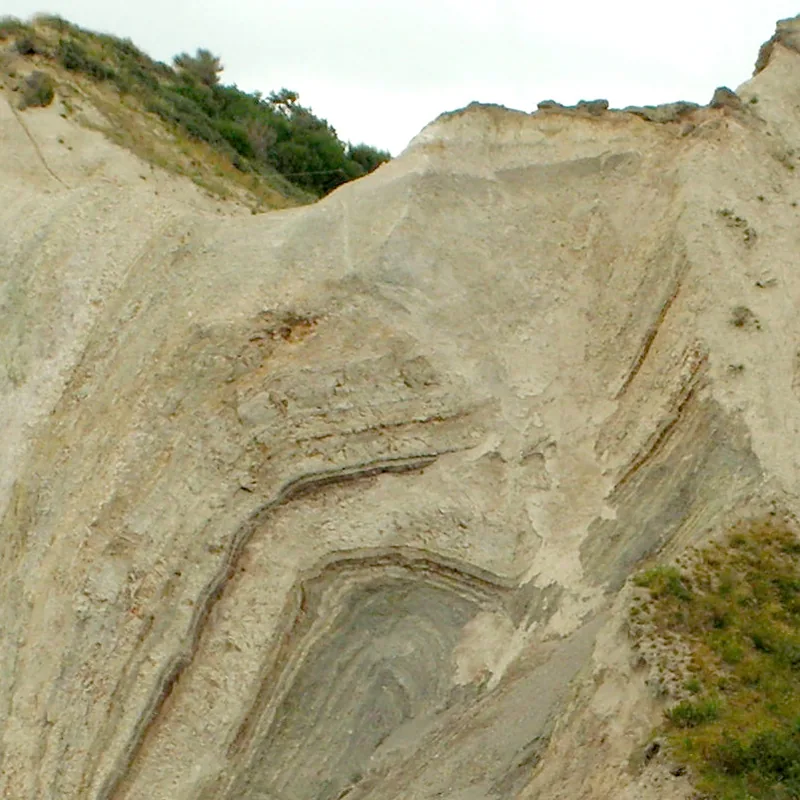
Fur Island is located in the Limfjord in northern Jutland and is world-renowned for its extraordinary geology and paleontological discoveries. Spanning an area of approximately 22 square kilometers, the island provides a unique landscape dominated by the striking Moler cliffs on its northern coast. These cliffs consist of diatomaceous earth deposited about 55 million years ago during the Eocene epoch and contain numerous fossils of fish, insects, and plants. The geological layers are punctuated by volcanic ash bands that provide insights into past volcanic activity in the North Sea region. Beyond its scientific importance, Fur is known for its local culture and artisanal traditions, highlighted by the Fur Museum and the local brewery. The island is connected to the mainland by a short ferry ride and stands as a major destination for nature tourism in Denmark. Today, the preservation of the fragile coastal landscape and the conservation of fossil deposits are primary focuses for regional authorities.
- Location: Denmark
- Nearby: Glyngøre (11 km)
Best time to visit & climate
The most pleasant time to visit is Jun–Aug.
| Jan | Feb | Mar | Apr | May | Jun | Jul | Aug | Sep | Oct | Nov | Dec | |
|---|---|---|---|---|---|---|---|---|---|---|---|---|
| Avg °C | 2 | 2 | 3 | 7 | 11 | 14 | 17 | 17 | 15 | 10 | 7 | 4 |
| Rain mm | 87 | 66 | 56 | 52 | 61 | 76 | 81 | 94 | 82 | 106 | 95 | 91 |
📋 Practical info
Geography
Facts
- Fur Island covers a total area of exactly 22 square kilometers in the Limfjord.
- The Moler cliffs contain more than 200 distinct layers of volcanic ash.
- The geological deposits on the island are approximately 55 million years old.
- The Fur Museum houses one of the world's best collections of Eocene fossils.
- The island's highest point, Lille Knud, rises 48 meters above sea level.
- Fur was voted Denmark's most beautiful island by the public in 2010.
Explore nearby
Notable places around
Route planner — Car & Motorhome
Where do you start? We build the route here, with stops and country notes along the way.
© OpenStreetMap contributors · OpenRouteService
Sights nearby
Frequently asked questions
Where is Fur Island located?
What is the island famous for?
Can you find fossils?
How do you get to the island?
Is there local beer?
Fur Island: where is it located?
Fur Island: when is the best time to visit?
Fur Island: why is it worth visiting?

Nearby cities