Plizio Visual Lab

Dovre Høje

Plizio editorial teamData Sources
peak
—°4
Dovre Høje (Denmark)

Weather…

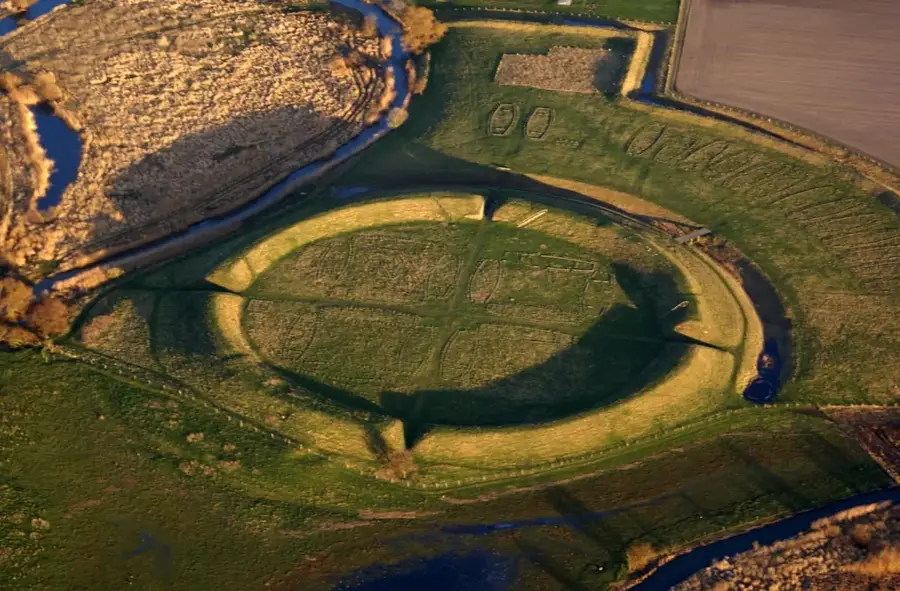
Dovre Høje is a group of impressive burial mounds in Central Jutland, standing as silent witnesses of the Nordic Bronze Age in the Danish landscape. These monuments were erected about 3500 years ago and served as burial sites for high-ranking individuals, with the deceased often placed in wooden coffins made from hollowed-out oak trunks. The mounds are strategically positioned on ridges to function as landmarks visible from afar for travelers and locals alike. Geologically, they are situated on moraine soils shaped by the last ice age, which provided good conditions for agriculture even in early times. Historically, Dovre Høje is located near the ancient Ox Road (Hærvejen), the most important transport artery of medieval Jutland. Many of these graves were archaeologically investigated in the 19th and 20th centuries, yielding grave goods such as bronze daggers, jewelry, and textile remains that allow for important conclusions about daily life and trade relations during the Bronze Age. Today, the mounds are under strict environmental protection.

Best time to visit & climate

The most pleasant time to visit is Jun–Aug.

JanFebMarAprMayJunJulAugSepOctNovDec
Avg °C11371114171613952
Rain mm735550485877838571887573

📋 Practical info

🧭
Getting there
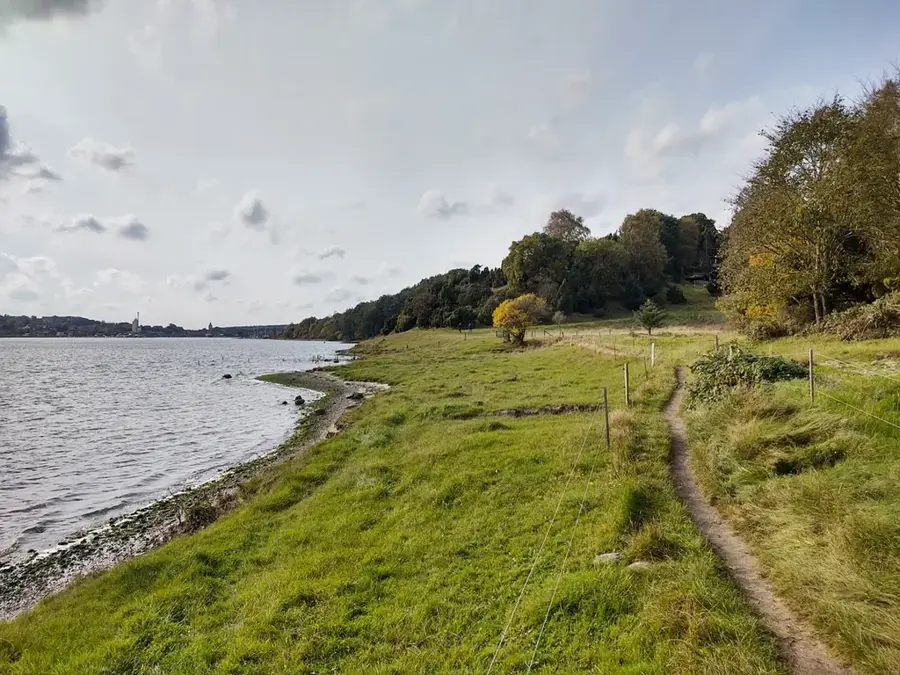
The hilly region near Randers is typically best accessed by car or bicycle via local countryside roads. Hikers often start their journeys from nearby settlements and follow designated nature trails directly into the distinctive glacial landscape.
📅
Best season
The mild months from late spring to early autumn are generally the best time to comfortably explore the gentle formations. In winter, while the landscape can be characterful, the trails often become slippery and more difficult to navigate in wet conditions.
⛰️
Terrain & paths
The terrain primarily consists of gentle hills created through glacial processes, featuring unpaved dirt trails. The paths are generally well-suited for casual hikers, though they may require a bit more surefootedness during periods of damp weather.
🎒
What to bring
Sturdy footwear is highly recommended for the unpaved nature trails to prevent slipping on grassy or earthy slopes. A small daypack with water, a light snack, and weather-resistant layers will help protect against the often changeable Danish winds.
🅿️
Parking
Small, informal parking areas or designated nature car parks are often found at the edge of the hill group or along nearby roads. Visitors should be careful not to block the passage of agricultural vehicles when parking on narrow countryside lanes.
⚠️
Safety
The area is largely safe, though the weather should be monitored as open hills offer no shelter during sudden thunderstorms. Tick protection is advisable when walking through taller grass or venturing off the well-trodden main pathways in the region.
⏱️
Time needed
A trip to this area typically takes about one to two hours, depending entirely on how many of the gentle hills you choose to ascend. It serves as an excellent destination for a short, relaxing walk to quietly enjoy the characteristic glacial landscape.

Geography

Coordinates
56.51220, 9.65220

Facts

  • The burial mounds were created during the early Bronze Age around 1500 BC.
  • The deceased were often buried in hollowed-out oak tree coffins.
  • Dovre Høje is located near the historical Hærvejen (Ox Road).
  • The mounds served as prominent navigation points for centuries.
  • Archaeological finds prove trade contacts extending to the Mediterranean region.
  • The monuments are legally protected from destruction and alteration.

Explore nearby

Notable places around

Route planner — Car & Motorhome

Where do you start? We build the route here, with stops and country notes along the way.

Vehicle
Only stops with (optional):

© OpenStreetMap contributors · OpenRouteService

Sights in the town Dovre Høje (4)

Skavhøje🏺 historical

An archaeological site featuring ancient burial mounds in Dovre Høje.

Risehøje🏺 historical

A historical burial mound and archaeological site in Dovre Høje.

Bjørnhøje🏺 historical

An ancient burial mound within the archaeological landscape of Dovre Høje.

Bigum Søbad🎡 recreation

A quiet lakeside swimming area in the Dovre Høje region, convenient for nature lovers.

Sights nearby

Frequently asked questions

What are the Dovre Høje?
It is a group of historical burial mounds, often mistakenly associated with the Norwegian Dovre mountains.
Where are they located?
They are located in Jutland and are typical examples of Danish burial mound culture.
What is the best time to visit?
Spring and summer are good for walks in the area.
Are there hiking trails?
Yes, simple field or hiking paths often lead to these prehistoric sites.
What can be said about their origin?
They were built by humans during the Bronze Age to bury important individuals.
Dovre Høje: where is it located?
Dovre Høje is located in Denmark.
Dovre Høje: what is there to see?
Highlights include Skavhøje, Risehøje, Bjørnhøje.
Dovre Høje: when is the best time to visit?
The most pleasant time to visit is Jun, Aug.
Dovre Høje: why is it worth visiting?
Dovre Høje is a group of impressive burial mounds in Central Jutland, standing as silent witnesses of the Nordic Bronze Age in the Danish landscape.
View on map → The Top 50 Attractions → Most beautiful beaches → OpenStreetMap →
Europe
Explore with Plizio Discover more places in Europe
More places in Denmark →

Nearby cities

History & landmarks

More places