Plizio Visual Lab
Christiansfeld Museum
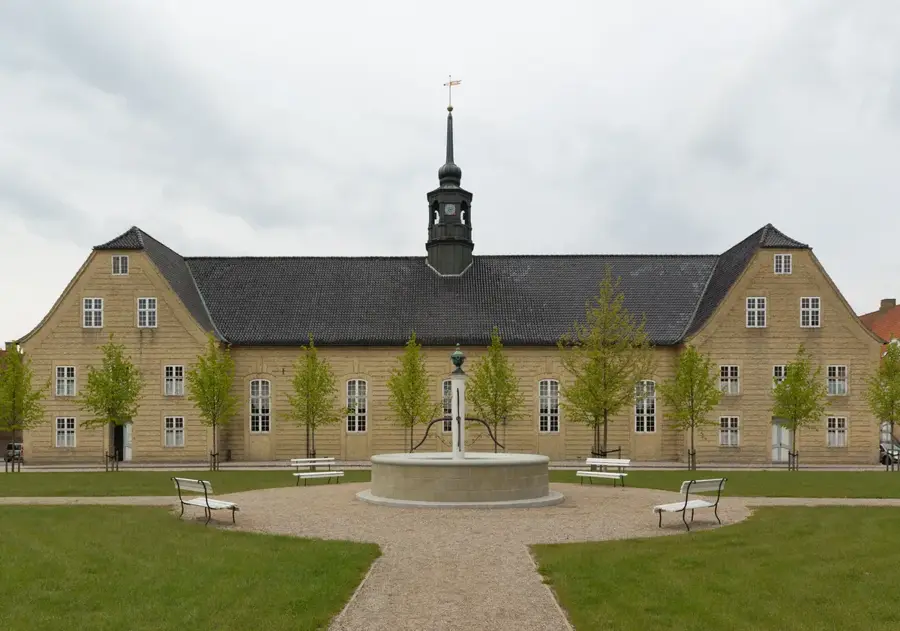
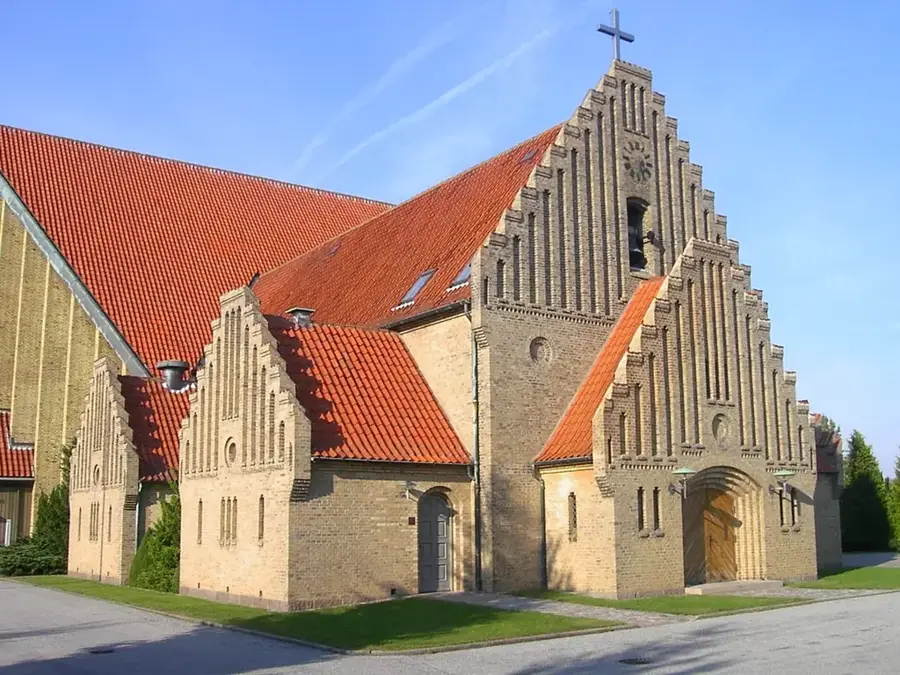
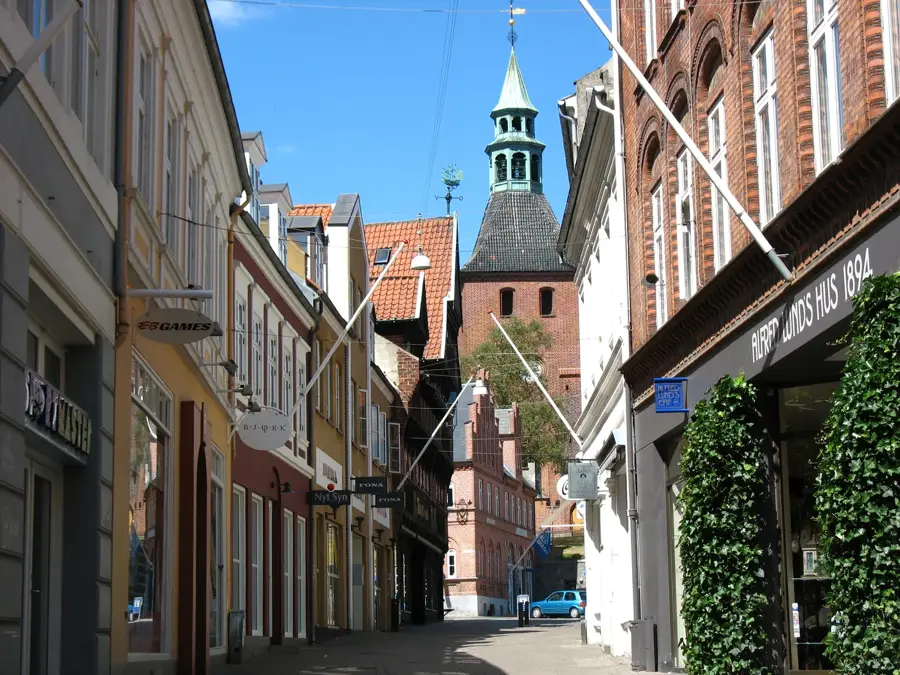
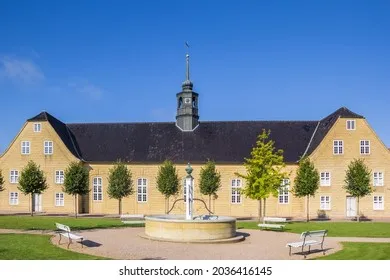
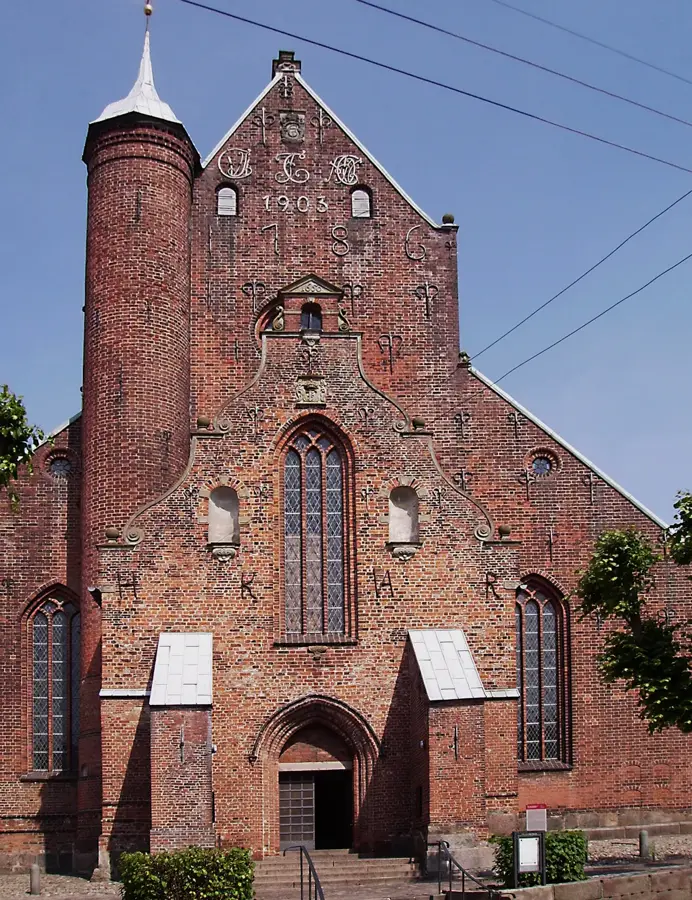
Christiansfeld is a unique Moravian Church settlement in South Jutland, founded in 1773. The town was designed according to a strict geometric plan and named after King Christian VII, who granted the religious minority the land and tax privileges. The architecture is characterized by simple, yellow brick buildings with red tiled roofs, reflecting the community's ideals of equality and harmony. Key structures include the Brothers' House, the Sisters' House, and the distinctive church hall, which lacks an altar or pulpit to emphasize the democratic structure of the congregation. A notable cultural heritage site is the cemetery known as "God's Acre," where all gravestones are identical to symbolize equality in death. The town is also world-renowned for its honey cake tradition, which dates back to the time of its founding. Due to its exceptional architectural and cultural significance, Christiansfeld was inscribed on the UNESCO World Heritage list in 2015.
- Location: Denmark
- Nearby: Hejlsminde (8 km)
Best time to visit & climate
The most pleasant time to visit is Jun–Aug.
| Jan | Feb | Mar | Apr | May | Jun | Jul | Aug | Sep | Oct | Nov | Dec | |
|---|---|---|---|---|---|---|---|---|---|---|---|---|
| Avg °C | 1 | 1 | 3 | 7 | 11 | 15 | 17 | 17 | 14 | 10 | 6 | 3 |
| Rain mm | 74 | 58 | 52 | 43 | 55 | 74 | 79 | 91 | 74 | 84 | 76 | 76 |
📋 Practical info
Geography
Facts
- Foundation of the settlement on April 1, 1773
- Named after King Christian VII
- Inscribed on the UNESCO World Heritage list in 2015
- Geometric urban planning according to Moravian ideals
- Famous for its production of honey cakes
- God's Acre cemetery features identical gravestones
Explore nearby
Notable places around
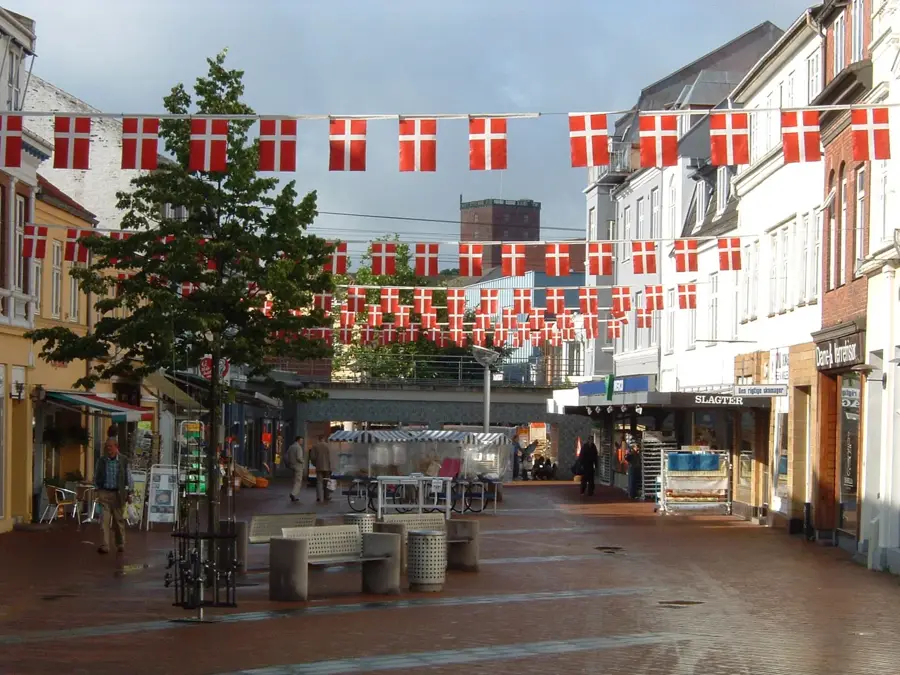
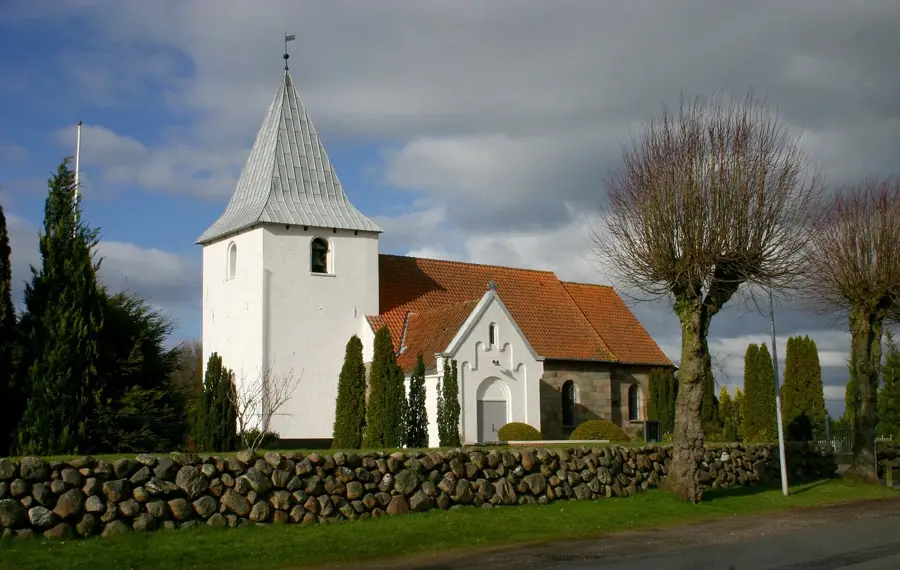
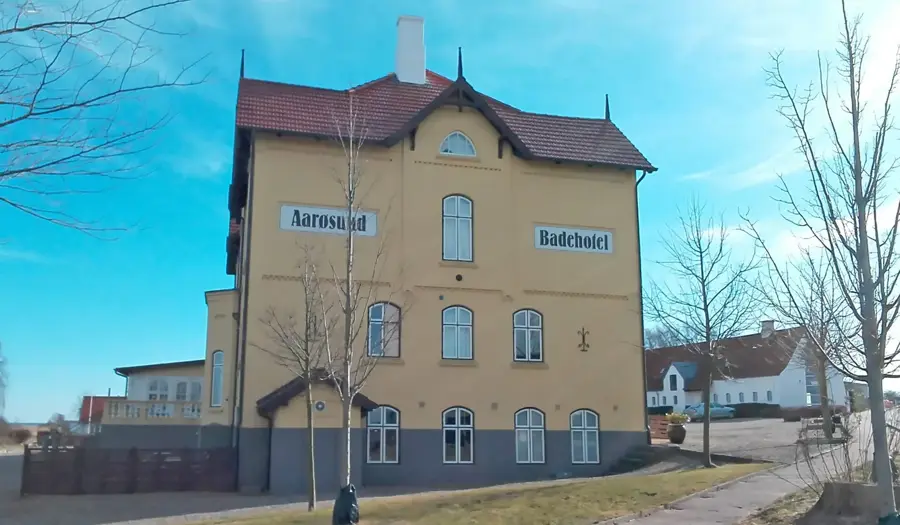
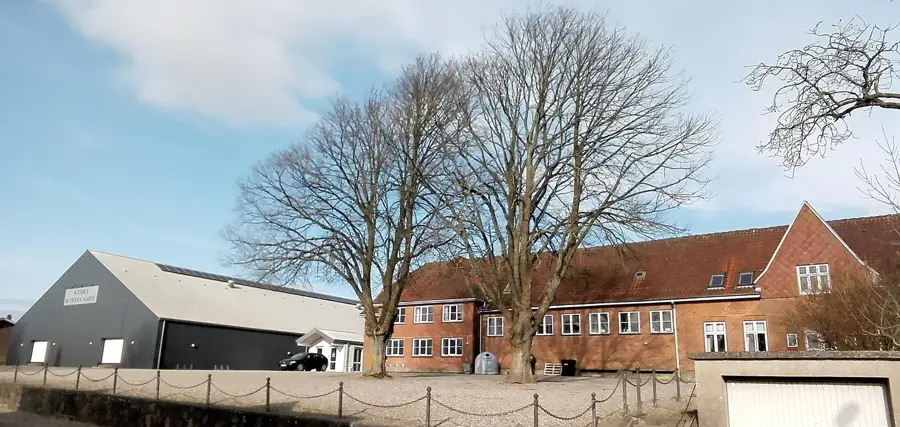
Route planner — Car & Motorhome
Where do you start? We build the route here, with stops and country notes along the way.
© OpenStreetMap contributors · OpenRouteService
Sights in the town Christiansfeld Museum (1)
Sights nearby
Frequently asked questions
Why is Christiansfeld on the UNESCO list?
What is Christiansfeld culinarily famous for?
When was the town founded?
Are there guided town tours?
Can you visit the Moravian Church?
Christiansfeld Museum: where is it located?
Christiansfeld Museum: when is the best time to visit?
Christiansfeld Museum: why is it worth visiting?

Nearby cities