Plizio Visual Lab
Bølling Archaeological Site
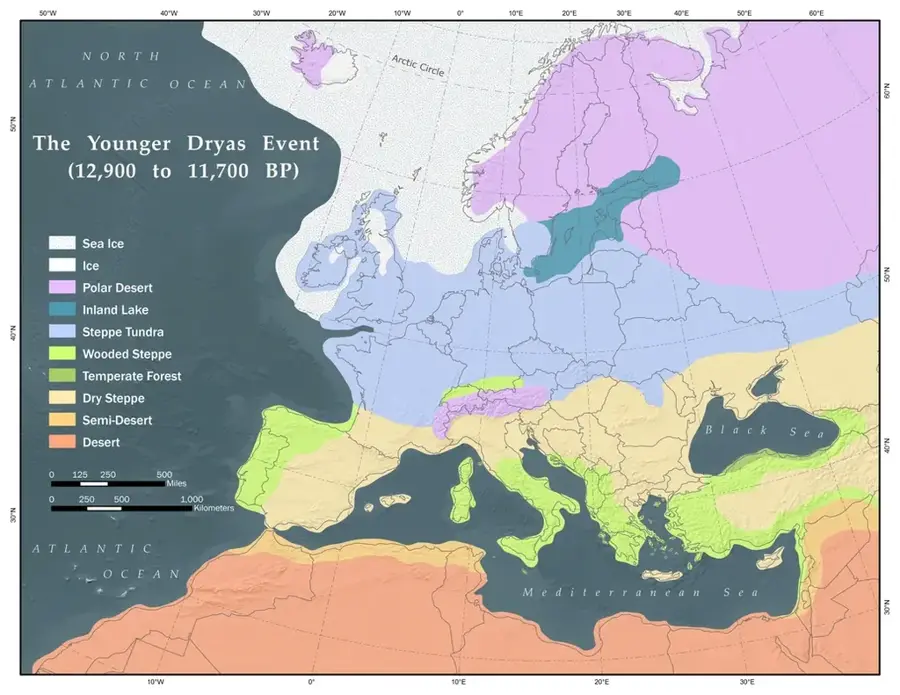
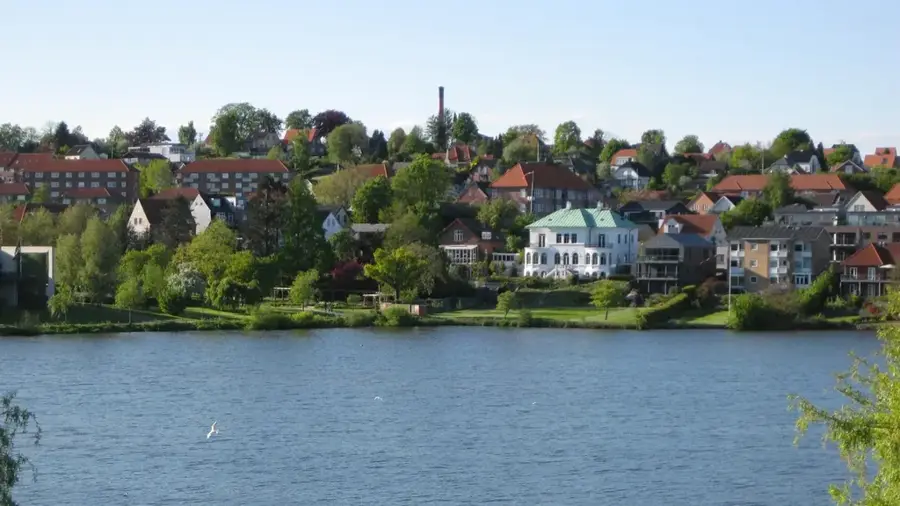
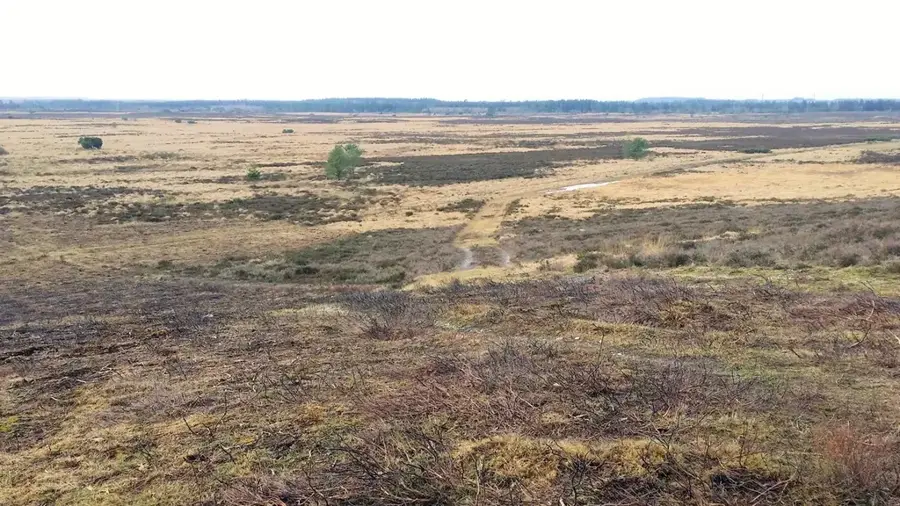
The Bølling Lake (Bølling Sø) archaeological area in Central Jutland is of paramount importance for understanding the post-glacial settlement of Northern Europe. Formed by melting glaciers at the end of the last Ice Age, the lake gave its name to the Bølling Interstadial, a climatic warming phase that occurred approximately 14,500 years ago. Extensive archaeological excavations in the surrounding region have revealed numerous traces of Stone Age hunter-gatherer settlements, including flint tools and bone artifacts. The area is also famous for the nearby discovery of Tollund Man, one of the world's most exceptionally preserved bog bodies. Following a large-scale restoration project in recent years, the lake is now a significant nature reserve that blends historical heritage with ecological recovery. Walking trails guide visitors through the reconstructed bog landscape, highlighting the region's geological and human history.
- Location: Denmark
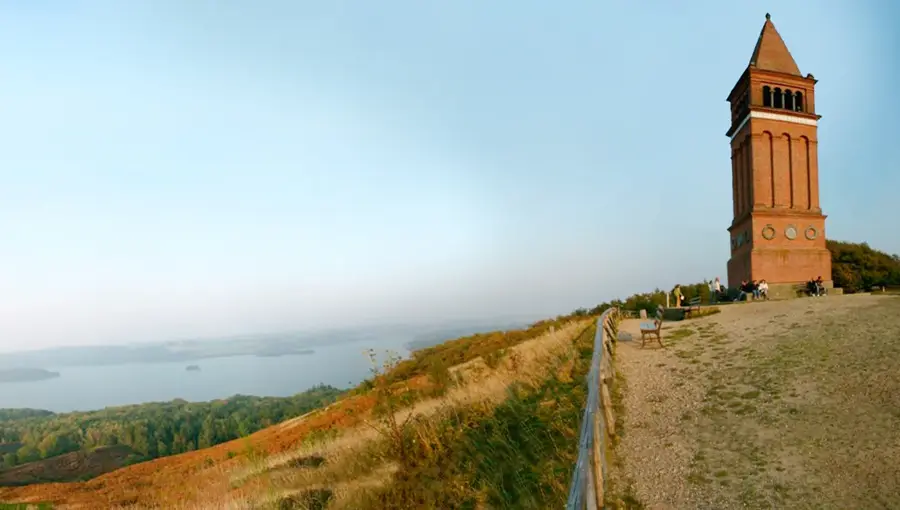
- Top sights: Lille Hørbyhøj · Blaksdalhøj · Funder Ådalsbro
- Nearby: Silkeborg (10 km)
Best time to visit & climate
The most pleasant time to visit is Jun–Aug.
| Jan | Feb | Mar | Apr | May | Jun | Jul | Aug | Sep | Oct | Nov | Dec | |
|---|---|---|---|---|---|---|---|---|---|---|---|---|
| Avg °C | 1 | 1 | 3 | 7 | 11 | 14 | 17 | 17 | 13 | 9 | 5 | 2 |
| Rain mm | 73 | 57 | 52 | 46 | 56 | 76 | 81 | 89 | 74 | 89 | 77 | 75 |
📋 Practical info
Geography
Facts
- The Bølling Interstadial occurred roughly between 12,500 and 12,000 BCE.
- The lake was drained in the 19th century and fully restored in 2004.
- Bølling Lake currently covers an area of approximately 360 hectares.
- The Tollund Man bog body was discovered nearby in 1950.
- Archaeologists found stag antler harpoons belonging to the Hamburg culture here.
- The area is now a vital breeding ground for several rare bird species.
Explore nearby
Notable places around
Route planner — Car & Motorhome
Where do you start? We build the route here, with stops and country notes along the way.
© OpenStreetMap contributors · OpenRouteService
Sights in the town Bølling Archaeological Site (4)
Blaksdalhøj
Ancient monument in Ikast-Brande Municipality, prehistoric burial mound.
Kirkehøj
Ancient monument in Ikast-Brande Municipality, burial mound.
Sights nearby
Frequently asked questions
What are the Bølling Sø finds?
Is there a castle ruin there?
What can you do at Bølling Lake?
Where is Bølling Sø located?
How old are the archaeological finds?
Bølling Archaeological Site: where is it located?
Bølling Archaeological Site: what is there to see?
Bølling Archaeological Site: when is the best time to visit?
Bølling Archaeological Site: why is it worth visiting?

Nearby cities