Plizio Visual Lab
Kabinda
ℹ️Practical info — Kabinda
▾
🌤 Weather — 5 days
📍 Nearby
Sights nearby
💡 Tips
- As Kabinda is on a plateau, evenings can be surprisingly cool; bring a light sweater or jacket.
- Power outages are frequent, so a power bank and a good flashlight are essential for the night.
- Expect limited internet connectivity; download maps and travel documents offline beforehand.
- Greeting elders with respect is very important here; a polite nod and a soft voice go a long way.
🍽 Food
The staple food of the region, typically eaten with the hands alongside a rich vegetable stew.
Transported from the rivers and smoked for preservation, often cooked into a hearty tomato broth.
Look for small eateries serving chicken or vegetables in a thick, savory peanut sauce.
🛍 Shopping · 🧘 Quiet spots
The central market is excellent for buying freshly harvested beans and corn straight from local farmers.
Occasionally available from local craftsmen, making for a colorful and lightweight souvenir.
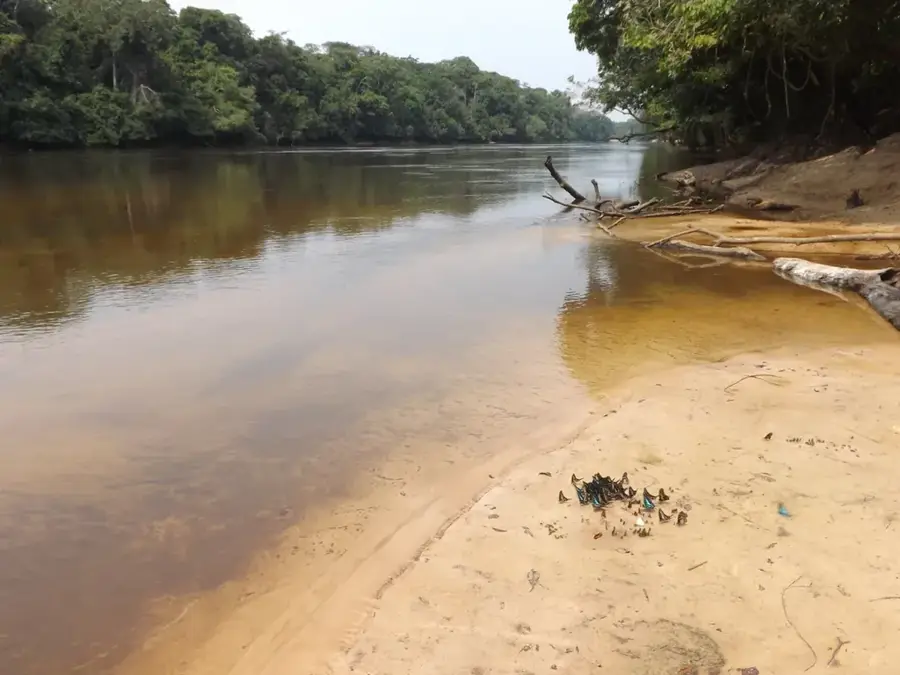
Walk towards the edge of the town for sweeping, elevated views of the surrounding Lomami landscape.
Usually a calm and well-maintained area well-suited for a quiet morning walk.
Water temperature…
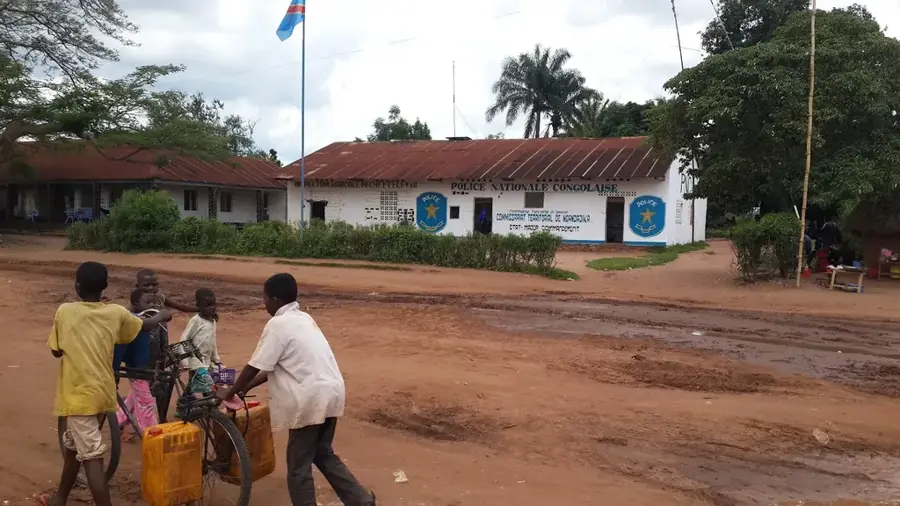
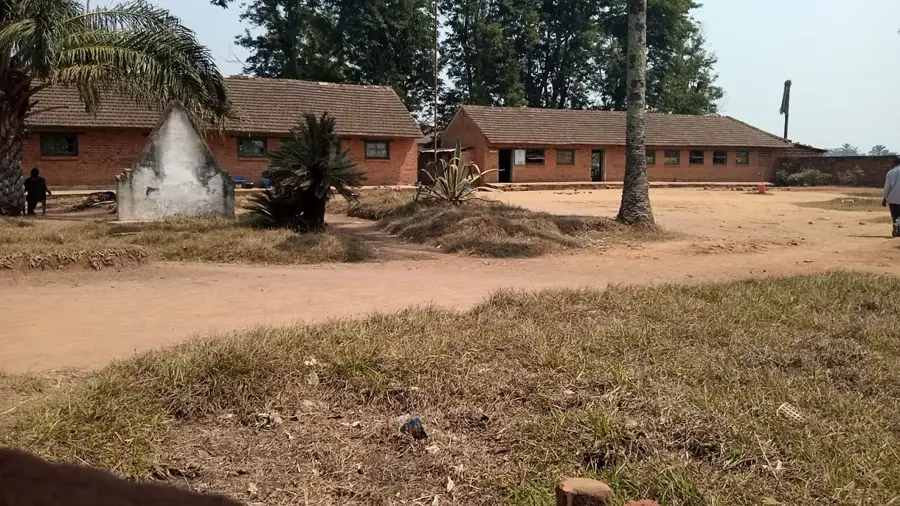
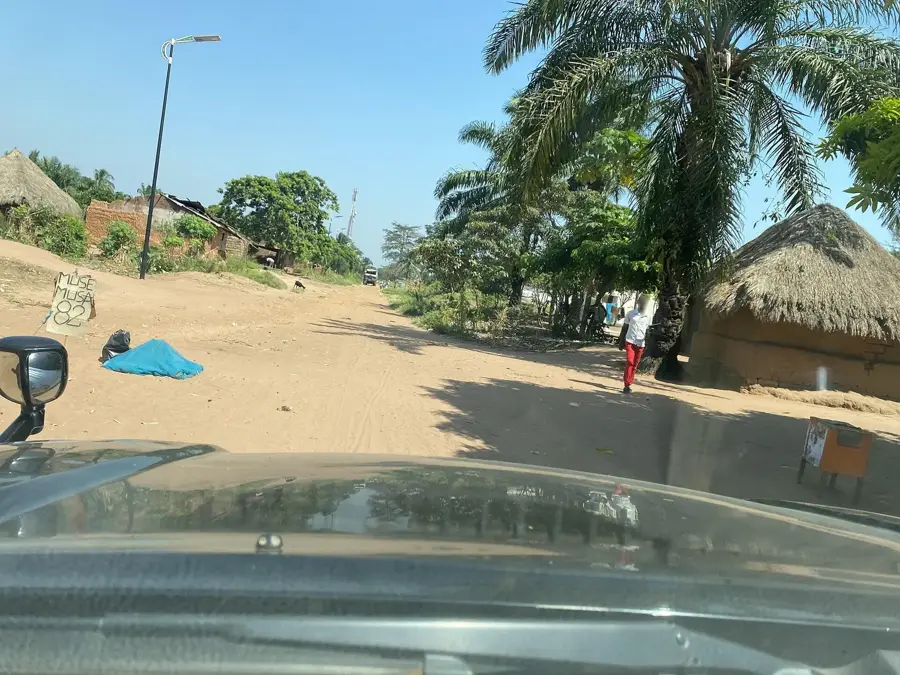
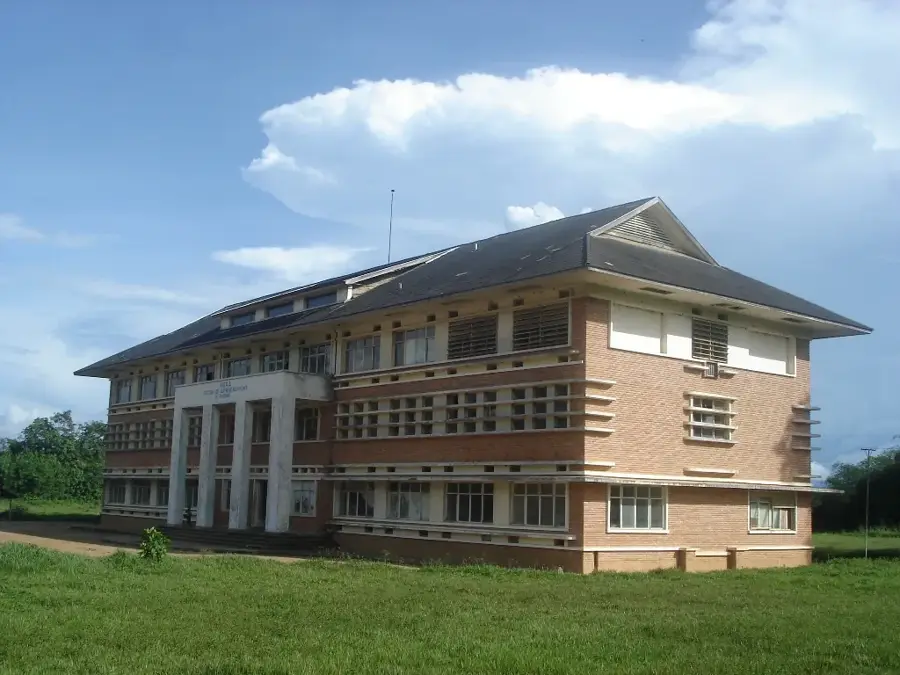
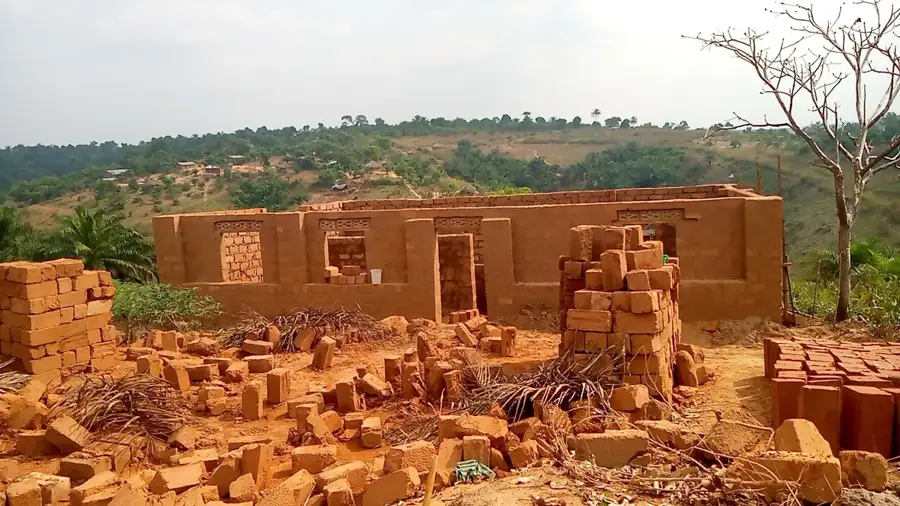
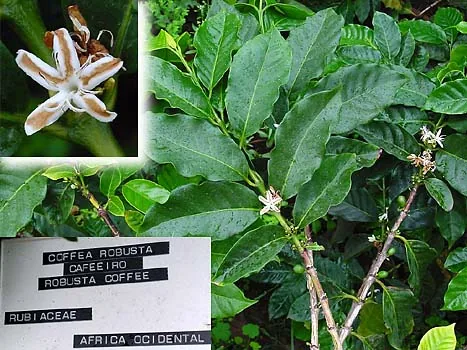
Kabinda, the capital city of Lomami Province in the central region of the Democratic Republic of the Congo, serves as a vital administrative and cultural anchor for the Songye people. Situated on a high plateau at an elevation of about 845 meters, the city enjoys a tropical savanna climate that is notably cooler than the humid lowlands of the Congo Basin. Historically, Kabinda has been a focal point for the artistic and social traditions of the Songye, who are globally renowned for their intricate wood carvings and ceremonial kifwebe masks. Following the administrative restructuring of 2015, Kabinda assumed its role as the provincial headquarters, leading to a steady increase in government presence and urban development projects. The local economy is fundamentally agrarian, with the surrounding fertile lands producing significant yields of maize, cassava, beans, and peanuts that supply both local markets and neighboring mining districts. The city is a significant religious center, serving as the seat of the Roman Catholic Diocese of Kabinda, which plays a crucial role in managing local healthcare and primary education infrastructure. Higher education is supported by the University of Kabinda (UNIKAB), which attracts students from across the Lomami region. While Kabinda lies along the National Road RN1, a major transit artery connecting the country’s east and west, the road's condition remains a significant bottleneck for regional trade and transport. Despite these logistical hurdles, the city is a hub of social activity, centered around its bustling open-air markets and community gatherings. Ongoing initiatives by the provincial government aim to improve urban services, including sustainable energy access and the expansion of the potable water network. Kabinda’s blend of deep-rooted cultural heritage and its evolving status as a provincial capital makes it a key player in the socio-economic landscape of central Congo, acting as a bridge between traditional leadership and modern governance.
- Location: Congo - Kinshasa
- Top sights: Lomami District · Kabinda District · Lomami Province
- Nearby: Katanda (68 km)
- Population: ~219.396 (2023)
Best time to visit & climate
The most pleasant time to visit is May–Jul.
| Jan | Feb | Mar | Apr | May | Jun | Jul | Aug | Sep | Oct | Nov | Dec | |
|---|---|---|---|---|---|---|---|---|---|---|---|---|
| Avg °C | 24 | 25 | 25 | 25 | 25 | 25 | 26 | 27 | 26 | 25 | 24 | 24 |
| Rain mm | 149 | 150 | 155 | 128 | 37 | 9 | 3 | 48 | 97 | 140 | 158 | 155 |
Geography
Facts
- Kabinda is the provincial capital of Lomami, a province created in 2015.
- The city sits at an average elevation of 845 meters (2,772 feet) on a plateau.
- It is a major cultural center for the Songye ethnic group of central Congo.
- The RN1 National Road connects Kabinda to the major city of Mbuji-Mayi.
- The University of Kabinda (UNIKAB) is the primary institution for higher learning.
- Kabinda has been the seat of a Roman Catholic Diocese since 1953.
- Agriculture, primarily maize and cassava farming, dominates the local economy.
- The city is famous for its proximity to traditional Songye wood carving workshops.
Explore nearby
Notable places around


Route planner — Car & Motorhome
Where do you start? We build the route here, with stops and country notes along the way.
© OpenStreetMap contributors · OpenRouteService
Sights in the town Kabinda (3)
Frequently asked questions
What is Kabinda?
What kind of architecture can be found in Kabinda?
What is the terrain like around Kabinda?
What products are traded in Kabinda?
How is the road connection to Kabinda?
Kabinda: where is it located?
Kabinda: what is there to see?
Kabinda: when is the best time to visit?
Kabinda: why is it worth visiting?

Nearby cities