Plizio Visual Lab
Bata Industrial Complex Zlín
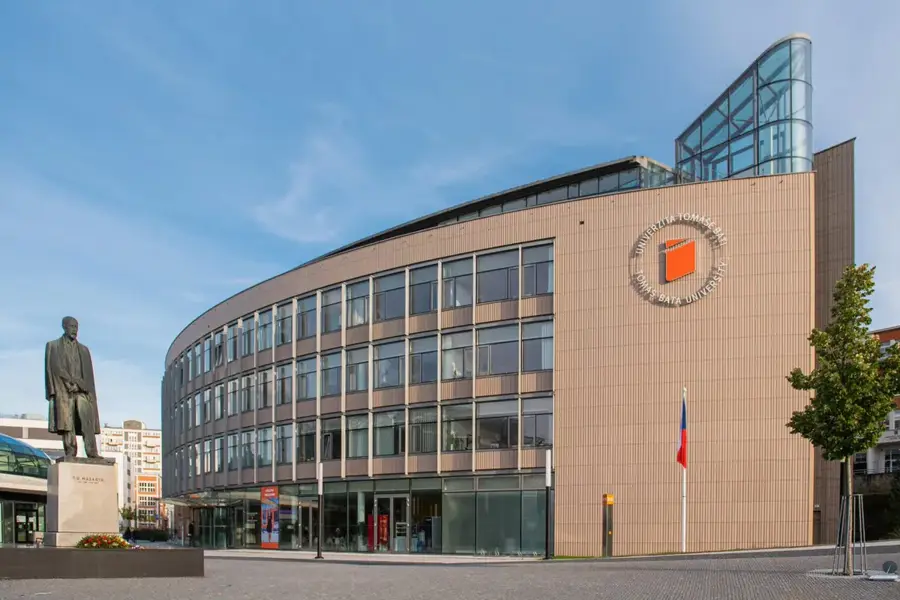
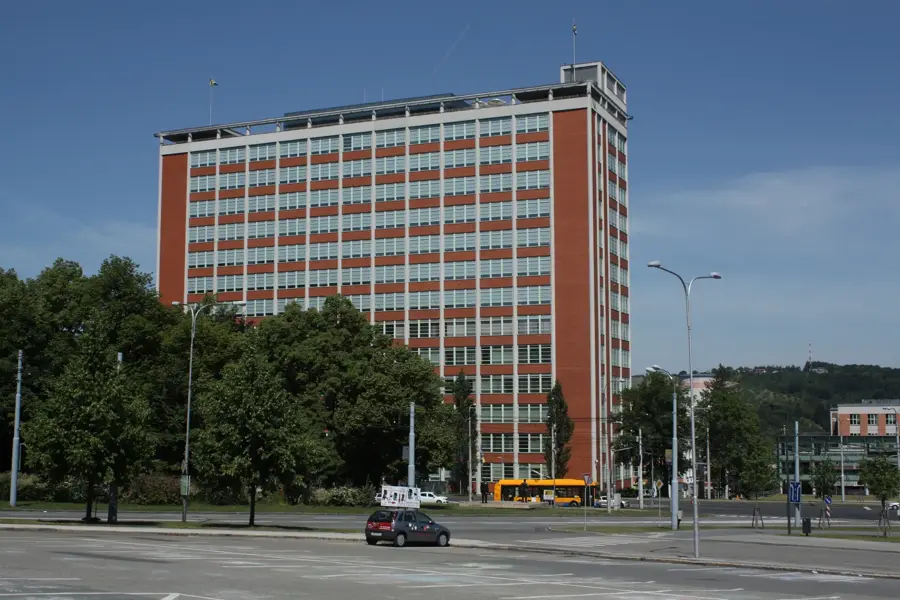
The Bata Industrial Complex in Zlín is a globally unique masterpiece of functionalist industrial architecture and urban planning from the early 20th century. Established in 1894 by Tomáš Baťa, the company evolved into the world's largest footwear manufacturer. The complex is characterized by its uniform red-brick buildings designed on a strict modular grid, emphasizing rationalism and mass production efficiency. Baťa revolutionized industry not only through assembly-line techniques but also by creating a comprehensive social system for workers, including factory housing, schools, and hospitals. The complex's centerpiece is Building 21, the 'Bata Skyscraper,' which was one of Europe's tallest buildings upon its completion in 1938 and features the founder's famous mobile office inside an elevator. Today, the complex serves as a dynamic hub for education and culture, housing the Tomáš Baťa University and museums, while remaining a prominent candidate for UNESCO World Heritage status.
- Location: Czech Republic
- Top sights: Obuvnické muzeum · Muzeum jihovýchodní moravy ve Zlíně · Pojízdná kancelář J. A. Bati ve výtahu 21. budovy
- Nearby: Holešov (13 km)
Best time to visit & climate
The most pleasant time to visit is Jun–Aug.
| Jan | Feb | Mar | Apr | May | Jun | Jul | Aug | Sep | Oct | Nov | Dec | |
|---|---|---|---|---|---|---|---|---|---|---|---|---|
| Avg °C | -3 | -1 | 3 | 9 | 14 | 18 | 21 | 20 | 15 | 9 | 4 | -2 |
| Rain mm | 47 | 40 | 41 | 39 | 72 | 73 | 76 | 67 | 65 | 52 | 46 | 46 |
📋 Practical info
Geography
Facts
- The Bata company was founded in Zlín in 1894 with a small family capital.
- Building 21, the Bata Skyscraper, stands 77.5 meters tall with 16 floors.
- Tomáš Baťa introduced the first assembly line in Europe in 1927.
- The complex follows a strict 6.15-meter structural grid for all its buildings.
- At its peak in the 1930s, the factory produced 100,000 pairs of shoes daily.
- The founder's office, located in a 6x6 meter elevator, is still operational for tourists.
Explore nearby
Notable places around
Route planner — Car & Motorhome
Where do you start? We build the route here, with stops and country notes along the way.
© OpenStreetMap contributors · OpenRouteService
Sights in the town Bata Industrial Complex Zlín (10)
Pojízdná kancelář J. A. Bati ve výtahu 21. budovy🏛 museum
Museum displays J. A. Baťa's mobile office in the elevator of building 21.
Sál Evy Jiřičné
Sál Evy Jiřičné theatre hall is named after architect Eva Jiřičná.
Kongresové centrum
Kongresové centrum congress centre is a venue for events.
Zlínský klub 204
Zlínský klub 204 is an arts centre in Zlín.
sv. Filip a Jakub
sv. Filip a Jakub is a church in Zlín District, Zlín Region, Czech Republic.
Alternativa
Alternativa arts centre provides space for alternative culture.
Sights nearby
Frequently asked questions
What is the Bata complex in Zlín?
What is the most famous building in the complex?
Is there a museum in the complex?
Is the whole city of Zlín worth visiting?
When is the best time to visit Zlín?
Bata Industrial Complex Zlín: where is it located?
Bata Industrial Complex Zlín: what is there to see?
Bata Industrial Complex Zlín: when is the best time to visit?
Bata Industrial Complex Zlín: why is it worth visiting?

Nearby cities