Plizio Visual Lab
Osor Walls
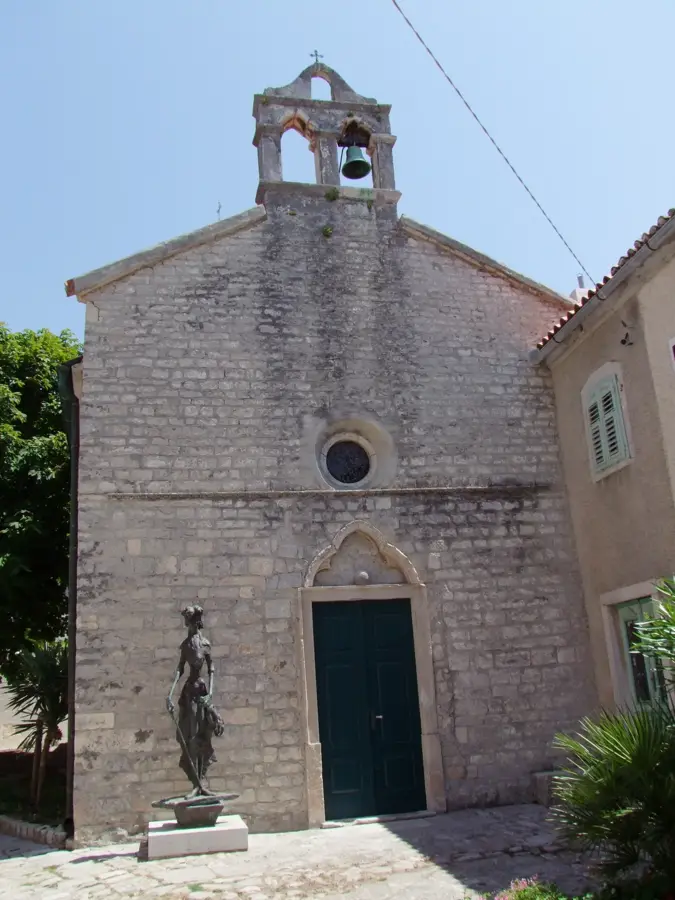
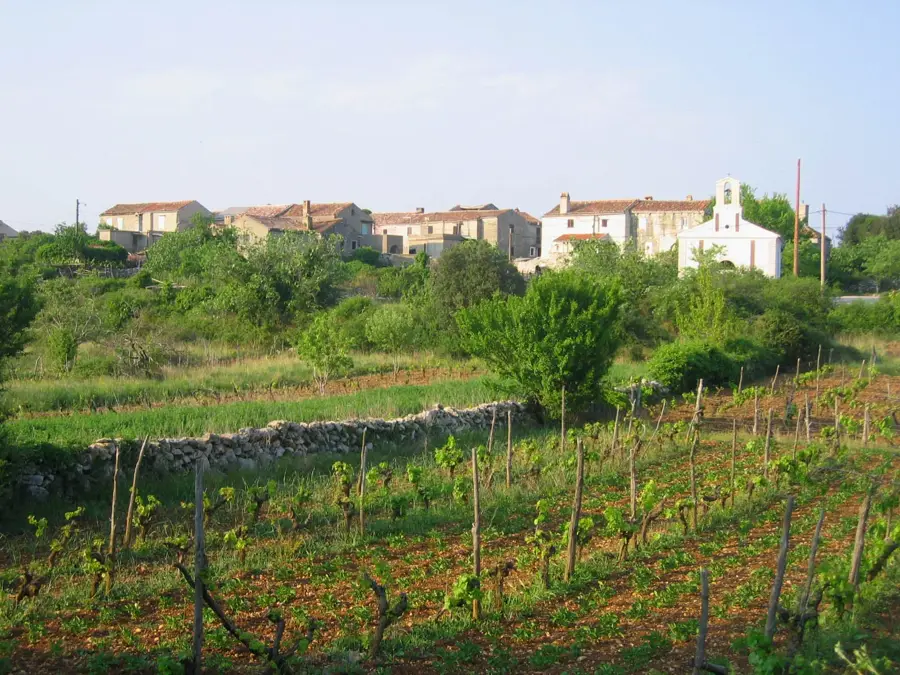
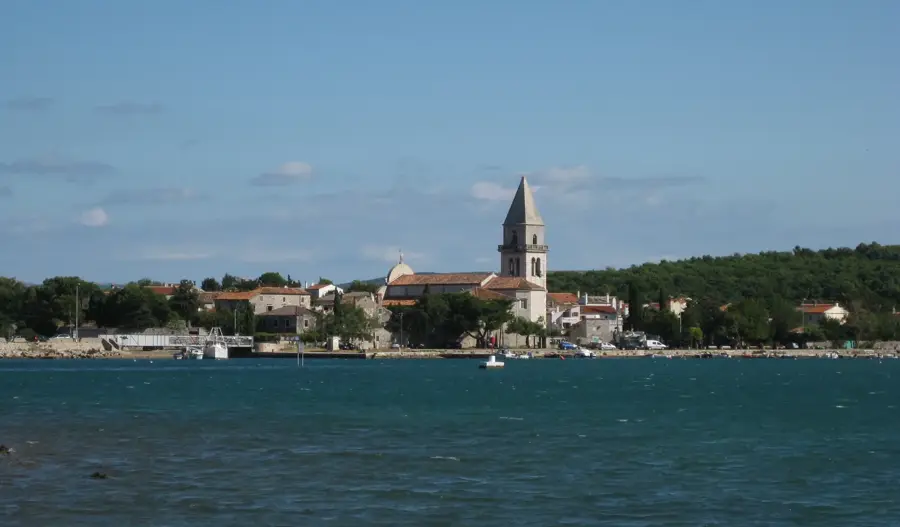
The city walls of Osor, situated at the narrow isthmus between the islands of Cres and Lošinj, reflect the immense strategic value this location held since antiquity. Known as Apsorus in Roman times, the town was a vital maritime hub thanks to the artificial Cavanella canal, which allowed ships to bypass treacherous open seas. The earliest defensive structures were built by the Illyrian Liburnians, then significantly expanded under Roman rule into a robust urban fortification system. During the Middle Ages, as Osor flourished as a powerful bishopric, the walls were further strengthened to defend against naval incursions and territorial disputes. The fortifications seen today mostly date from the 15th and 16th centuries during the Venetian administration, featuring characteristic defensive masonry. While parts of the walls were later dismantled for urban expansion, substantial sections remain preserved, particularly near the harbour and the western entrance. These walls encompass a town that today serves as a living museum, preserving its medieval grid and ancient heritage. Osor's walls stand as silent witnesses to its role as a crossroad of Adriatic cultures and civilizations for over two millennia.
- Location: Croatia
- Top sights: Lošinjski muzej, arheološka zbirka Osor · crkva Uznesenja Blažene Djevice Marije · Ruševine crkve i samostana Sv. Marije od anđela
- Nearby: Nerezine (4 km)
Best time to visit & climate
The most pleasant time to visit is Jun, Jul, Sep.
| Jan | Feb | Mar | Apr | May | Jun | Jul | Aug | Sep | Oct | Nov | Dec | |
|---|---|---|---|---|---|---|---|---|---|---|---|---|
| Avg °C | 9 | 9 | 11 | 14 | 18 | 22 | 25 | 25 | 21 | 18 | 14 | 10 |
| Rain mm | 89 | 95 | 76 | 68 | 78 | 54 | 45 | 58 | 109 | 103 | 130 | 106 |
📋 Practical info
Geography
Facts
- The original fortifications were built by Illyrian Liburnians
- The Roman canal separating Cres and Lošinj enhanced its strategic value
- Most of the surviving wall segments date to the 15th-century Venetian era
- Osor served as an important bishopric from the 6th century onwards
- Large portions of the walls were dismantled in the 19th century
- The town was once accessed through three main fortified gates
Explore nearby
Notable places around
Route planner — Car & Motorhome
Where do you start? We build the route here, with stops and country notes along the way.
© OpenStreetMap contributors · OpenRouteService
Sights in the town Osor Walls (3)
Sights nearby
Frequently asked questions
Where is Osor located?
What was the significance of Osor's walls?
Is there a bridge there?
What is Osor culturally known for today?
Can you still see the walls?
Osor Walls: where is it located?
Osor Walls: what is there to see?
Osor Walls: when is the best time to visit?
Osor Walls: why is it worth visiting?

Nearby cities