Plizio Visual Lab

La Guajira Desert
Plizio editorial teamData Sources
Relief
—°
La Guajira Desert (Colombia)

Weather…

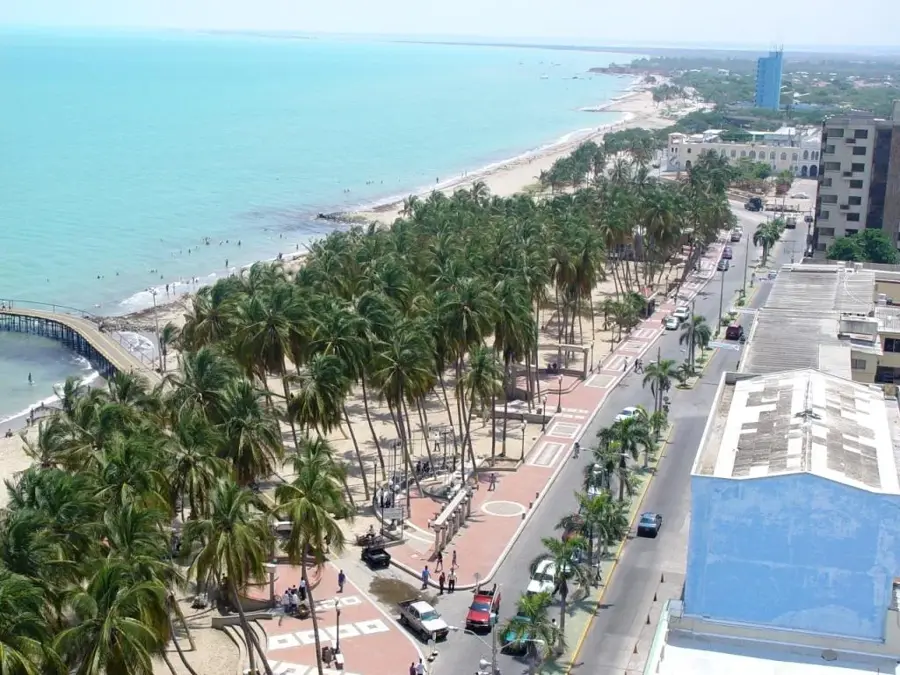
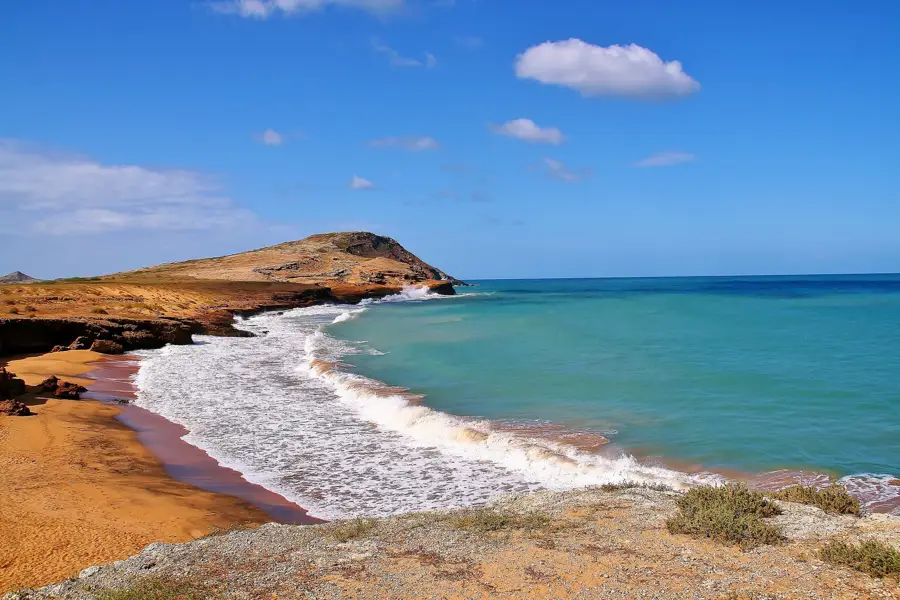
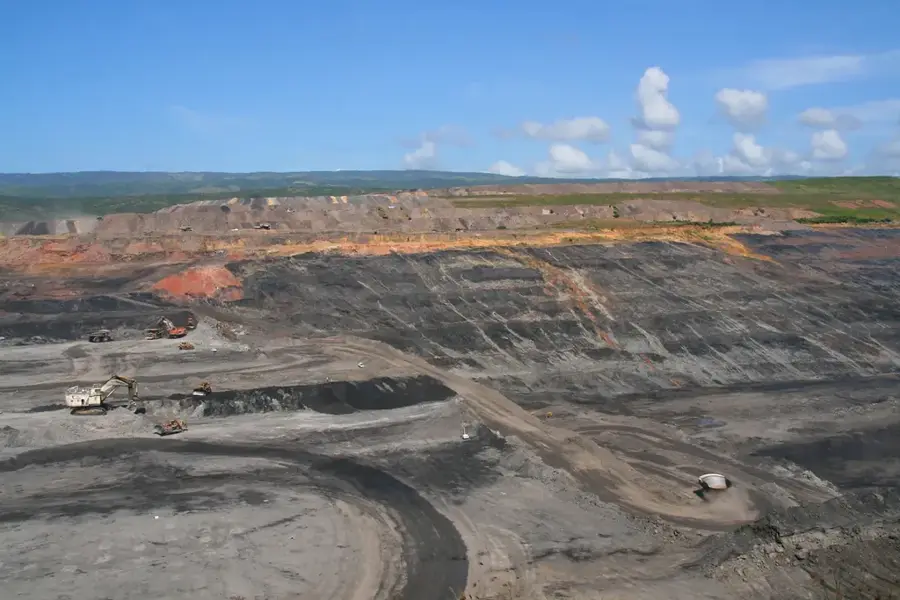
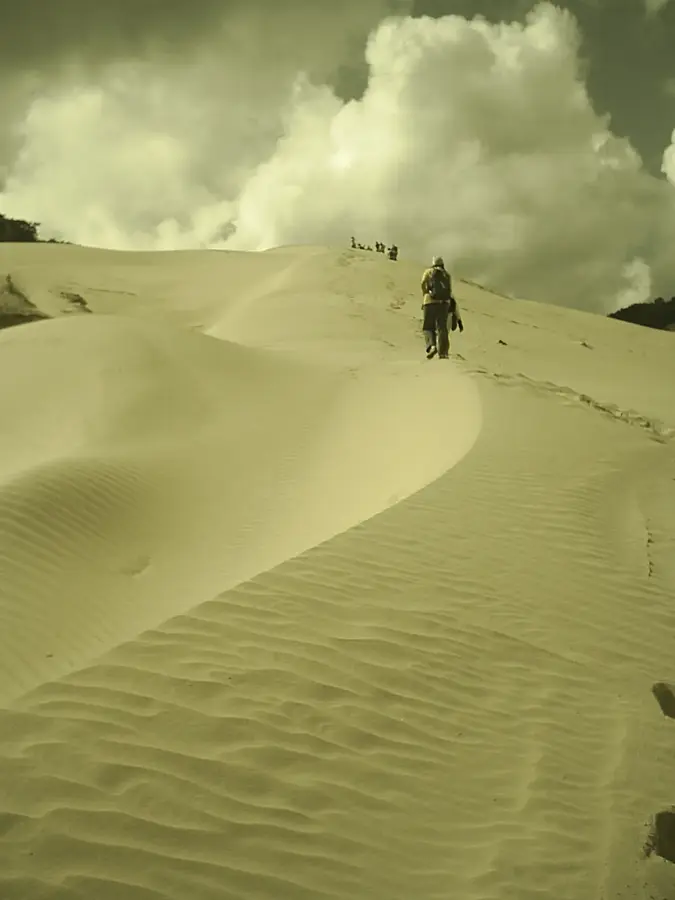
The La Guajira Desert occupies the northernmost part of South America, stretching across the peninsula of the same name in northeastern Colombia into Venezuela. This arid area is washed by the waters of the Caribbean Sea and is notable for its extreme conditions and the cultural presence of the Wayúu indigenous people. Geologically, the region includes the Serranía de Macuira, a mountain oasis protected as a national park; due to its altitude, it captures clouds that provide moisture for a dwarf rainforest. The desert landscape varies from the orange dunes of Taroa, which drop directly into the sea, to the salt flats of Manaure, where salt has been mined for generations. The climate is hot and dry, with sparse rainfall, making water resources a precious commodity for the local population. Economically, the region is also significant for the El Cerrejón coal mine, one of the largest open-pit mines in the world.

Best time to visit & climate

The most pleasant time to visit is Jan–Mar.

JanFebMarAprMayJunJulAugSepOctNovDec
Avg °C262727282828282929282827
Rain mm859268761437212018712146

📋 Practical info

🧭
Getting there
Reaching this remote desert typically involves hiring a 4x4 vehicle from the city of Riohacha, as regular cars cannot handle the sand. Specialized tours are often the most practical method to navigate the unmarked desert tracks leading toward the coast.
📅
Best season
The dry season, running roughly from December to April, gives the safest driving conditions across the arid landscape. During the brief rainy periods, the desert tracks can surprisingly transform into impassable mud pits, stranding vehicles for days.
⛰️
Terrain & paths
The terrain is defined by sweeping sand dunes, parched earth, and rugged coastal cliffs where the desert drops into the Caribbean. Walking long distances is extremely taxing due to the loose sand, scorching surface temperatures, and lack of shade.
🎒
What to bring
Extensive sun protection, including long loose clothing, wide-brimmed hats, and high-SPF sunscreen, is absolutely non-negotiable. Visitors must bring their own abundant supply of drinking water, as resources are incredibly scarce throughout the region.
🅿️
Parking
Vehicles are generally kept close to the remote eco-lodges or indigenous settlements that serve as base camps for travelers. Independent parking in the wilderness is dangerous due to the risk of getting stuck in soft sand without any help nearby.
⚠️
Safety
The harsh climate presents severe risks of dehydration and heatstroke, making constant fluid intake the highest priority. Traveling with an established local guide is strongly advised to prevent getting lost in the featureless, unmarked desert tracks.
⏱️
Time needed
A comprehensive visit to experience the massive dunes and the dramatic coastline typically requires a two to three-day guided excursion. Shorter day trips from the nearest city are possible but only scratch the surface of this vast arid peninsula.

Geography

Coordinates
12.00000, -71.80000

Facts

  • Punta Gallinas is the northernmost point of mainland South America.
  • In Manaure, approximately 1 million tons of salt are produced annually.
  • The Macuira mountains rise to 865 meters above sea level.
  • The El Cerrejón mine covers an area of 69,000 hectares.
  • The Wayúu population is organized into matrilineal clans.
  • The dunes of Taroa reach heights of up to 60 meters.

Explore nearby

Notable places around
Route planner — Car & Motorhome

Where do you start? We build the route here, with stops and country notes along the way.

Vehicle
Only stops with (optional):

© OpenStreetMap contributors · OpenRouteService

Sights nearby

Frequently asked questions

Where is the La Guajira Desert located?
At the northernmost tip of South America in Colombia.
Which indigenous people live there?
The Wayuu people inhabit this desert region.
What is Cabo de la Vela?
A sacred place for the Wayuu and a popular coastal tourist destination.
Do you need a 4x4 vehicle?
Yes, for trips beyond Uribia, a 4x4 vehicle is essential.
Can you sleep in hammocks?
Yes, sleeping in hammocks (chinchorros) in 'rancherías' is typical.
La Guajira Desert: where is it located?
La Guajira Desert is located in Colombia.
La Guajira Desert: when is the best time to visit?
The most pleasant time to visit is Jan, Mar.
La Guajira Desert: why is it worth visiting?
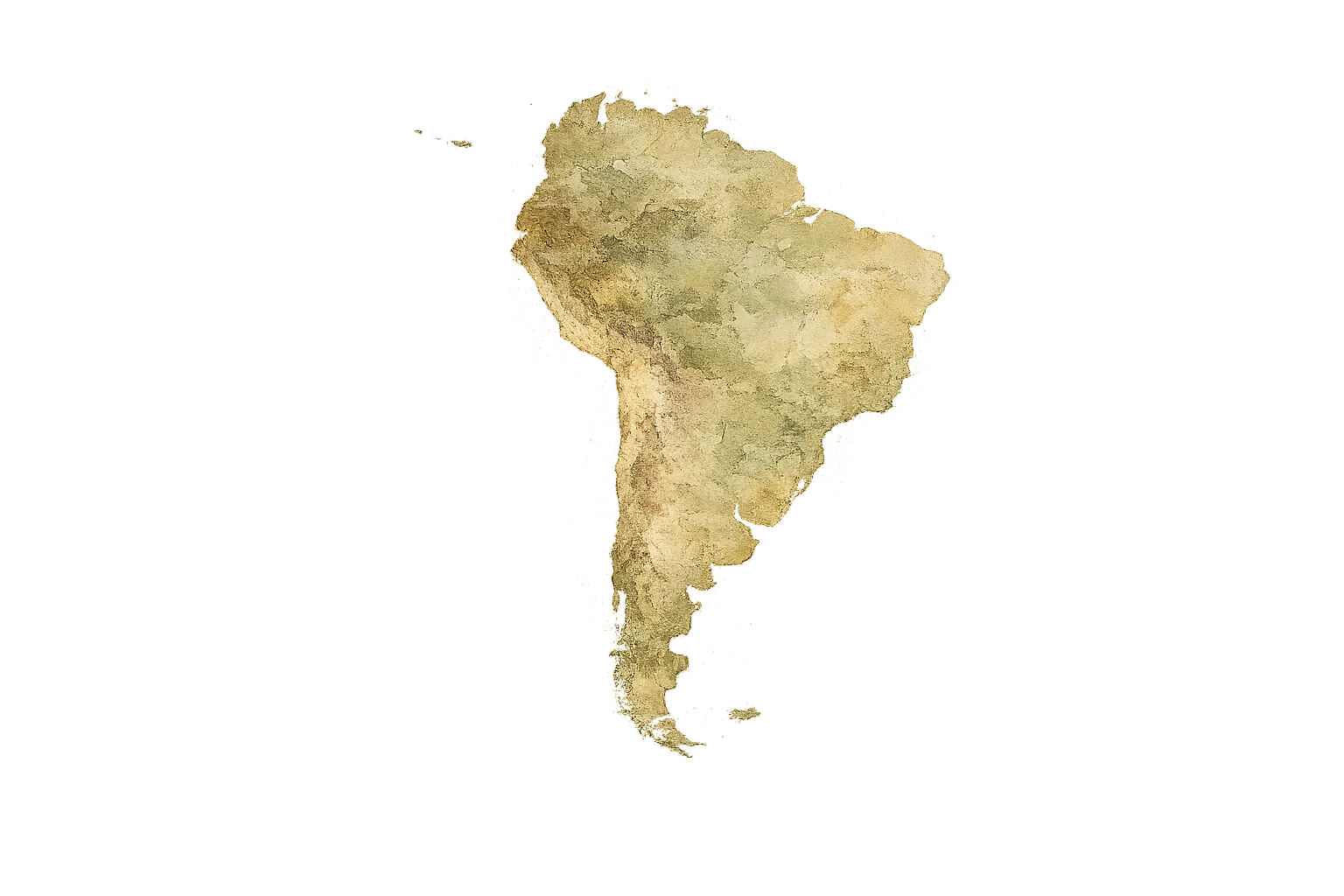
The La Guajira Desert occupies the northernmost part of South America, stretching across the peninsula of the same name in northeastern Colombia into Venezuela.
View on map → The Top 50 Attractions → OpenStreetMap →
South America
Explore with Plizio Discover more places in South America
More places in Colombia →

Nearby cities

History & landmarks
Nature
More places