Plizio Visual Lab

Loess Plateau
Plizio editorial teamData Sources
plateau
—°
Loess Plateau (China)

Weather…

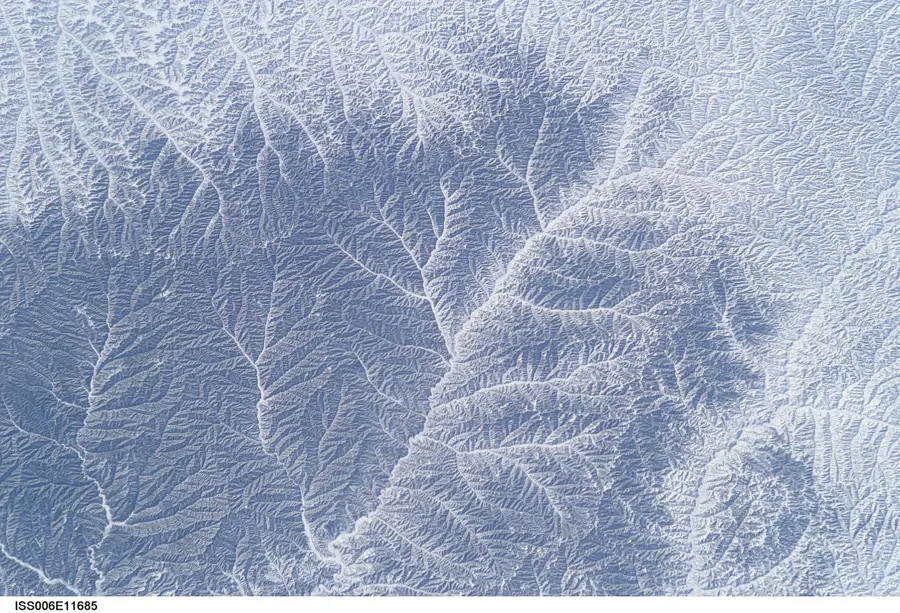
The Loess Plateau in North China covers approximately 640,000 square kilometers, making it the largest and deepest accumulation of wind-blown silt in the world. Formed over millions of years by dust carried from the Gobi Desert, the loess layers reach thicknesses of up to 300 meters in some regions of Shaanxi and Shanxi provinces. The plateau is highly susceptible to erosion, resulting in a dramatic landscape of deeply incised gullies, ridges, and mounds. It is drained by the Yellow River, which derives its name and immense sediment load from the silt it washes away from this fragile terrain. Historically, the plateau is regarded as the cradle of Chinese civilization, where fertile soils supported early agricultural development. A unique cultural feature is the 'yaodong' or cave dwelling, excavated into the loess hillsides, which has provided naturally insulated housing for millions of inhabitants for centuries.

Best time to visit & climate

The most pleasant time to visit is May, Jun, Aug.

JanFebMarAprMayJunJulAugSepOctNovDec
Avg °C-5-14111621232116103-4
Rain mm6101431507513312010245194

📋 Practical info

🧭
Getting there
The expansive Loess Plateau is best accessed through major cities like Xi'an or Yan'an, from where organized tours or local buses head out into the rural landscapes heavily shaped by wind-deposited sediment and soil erosion.
📅
Best season
The most pleasant travel months for this vast area are spring (April to May) and early autumn (September to October), when temperatures are generally mild, skies are often clear, and the extreme summer heat is avoided.
⛰️
Terrain & paths
The rugged region is characterized by deep ravines, terraced hills, and a harsh topography; the unpaved paths can be quite steep and quickly turn into extremely slippery, muddy trails during any wet weather conditions.
🎒
What to bring
Sturdy, closed-toe footwear with excellent grip is absolutely essential, as well as adequate sun protection, sufficient drinking water supplies, and multi-layered, wind-resistant clothing for chilly evenings on the plateau.
🅿️
Parking
Designated and secure parking is usually only found near major tourist centers or specific attractions; in more remote farming villages, vehicles often have to be parked informally along the side of the dirt roads.
⚠️
Safety
Due to constant wind and water erosion, terrace edges can be highly unstable, so visitors should always stay on marked trails and remain particularly cautious of dangerous landslides, especially following any heavy rains.
⏱️
Time needed
To gain a truly comprehensive impression of these highly unique landforms, you should plan for at least two to three full days, ideally combining the landscape exploration with cultural stops in traditional cave-dwelling villages.

Geography

Coordinates
36.00000, 109.00000

Facts

  • The plateau covers a vast area of 640,000 square kilometers.
  • Loess deposits reach a maximum depth of approximately 300 meters.
  • The Yellow River carries 1.6 billion tons of sediment from here annually.
  • It is considered the primary cradle of the Chinese ethnic group.
  • Traditional cave dwellings (yaodongs) are still inhabited by millions.
  • Green Wall of China projects have successfully reduced soil loss.

Explore nearby

Notable places around

Route planner — Car & Motorhome

Where do you start? We build the route here, with stops and country notes along the way.

Vehicle
Only stops with (optional):

© OpenStreetMap contributors · OpenRouteService

Sights nearby

Frequently asked questions

What is loess?
A very fine, yellowish dust blown in by wind over millennia, which is extremely fertile.
Why is the Yellow River yellow?
It carries enormous amounts of sediment from the Loess Plateau, which colors the water yellow.
What are Yaodongs?
Traditional cave dwellings carved directly into the loess; they stay cool in summer and warm in winter.
Is the plateau ecologically endangered?
Yes, due to heavy erosion; however, there are major reforestation projects to stabilize the soil.
What can you see as a tourist?
The Hukou Waterfall on the Yellow River and the historic city of Yan'an are popular destinations.
Loess Plateau: where is it located?
Loess Plateau is located in China.
Loess Plateau: when is the best time to visit?
The most pleasant time to visit is May, Jun, Aug.
Loess Plateau: why is it worth visiting?

The Loess Plateau in North China covers approximately 640,000 square kilometers, making it the largest and deepest accumulation of wind-blown silt in the world.
View on map → The Top 50 Attractions → OpenStreetMap →
Asia
Explore with Plizio Discover more places in Asia
More places in China →

More places