Plizio Visual Lab

Wuyi Mountains
Plizio editorial teamData Sources
Mountain
—°4
Wuyi Mountains (China)

Weather…

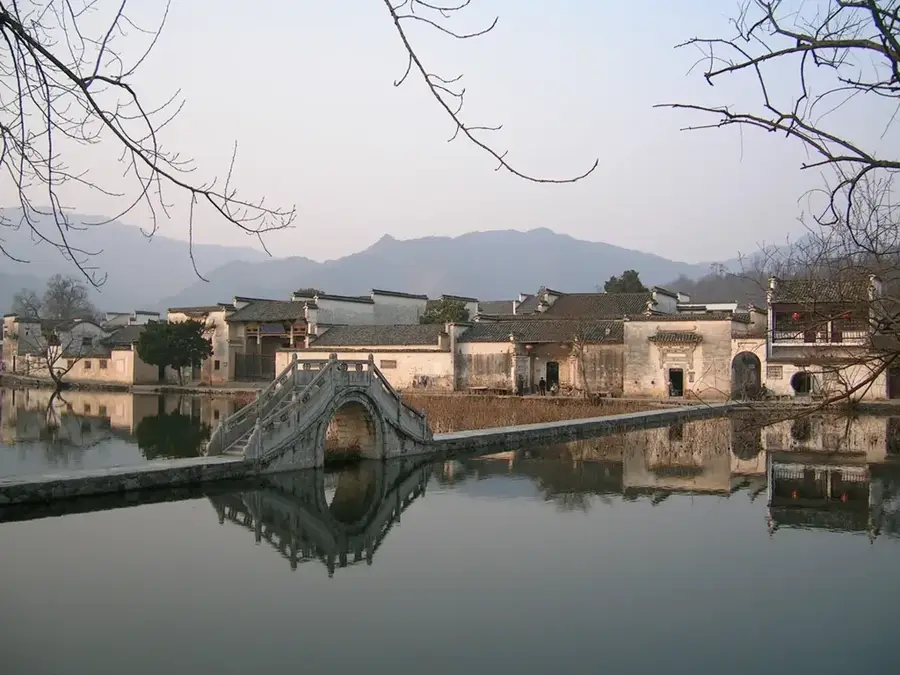
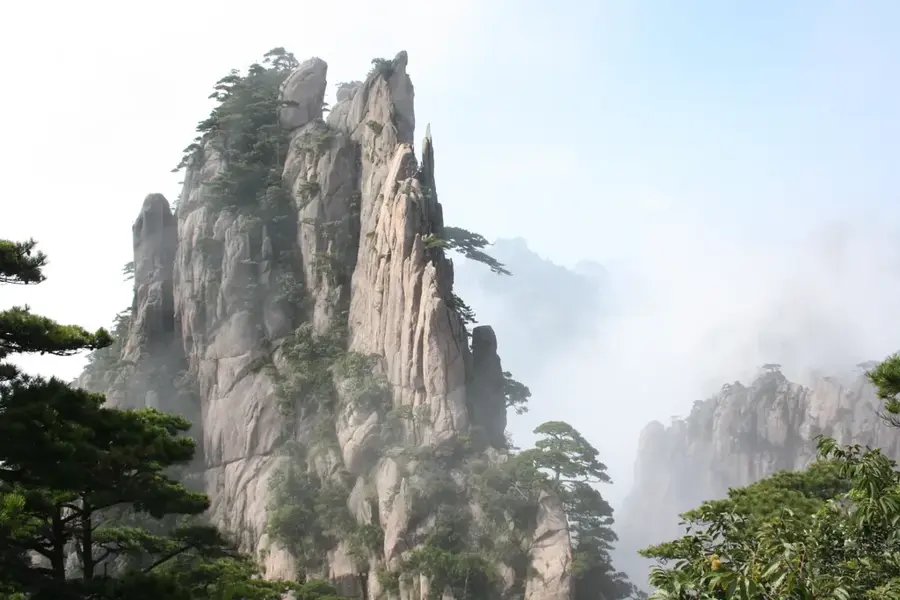
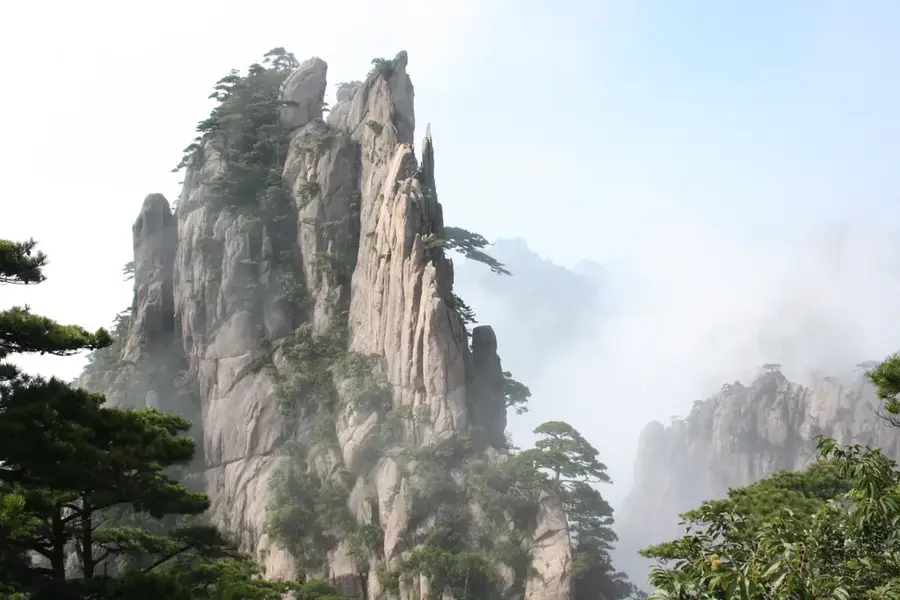
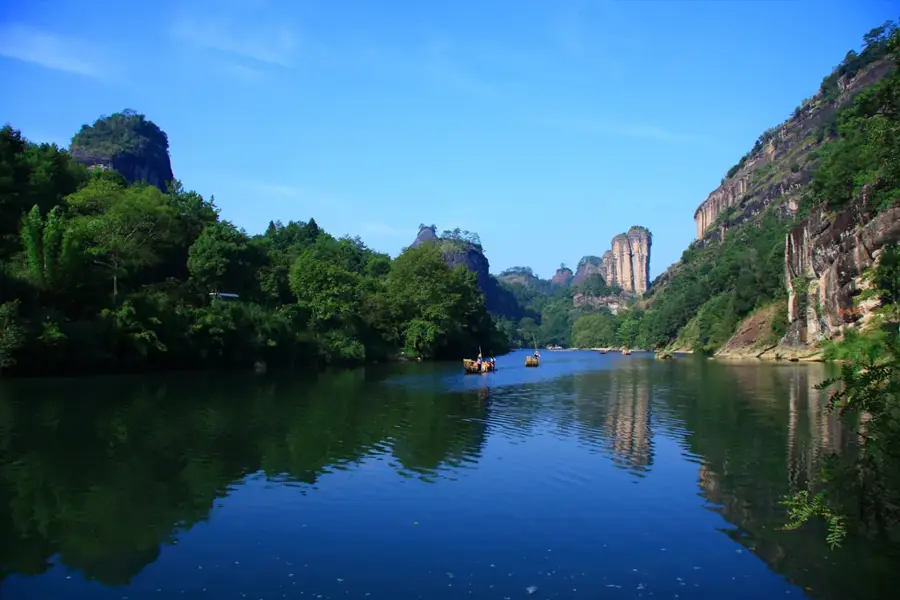
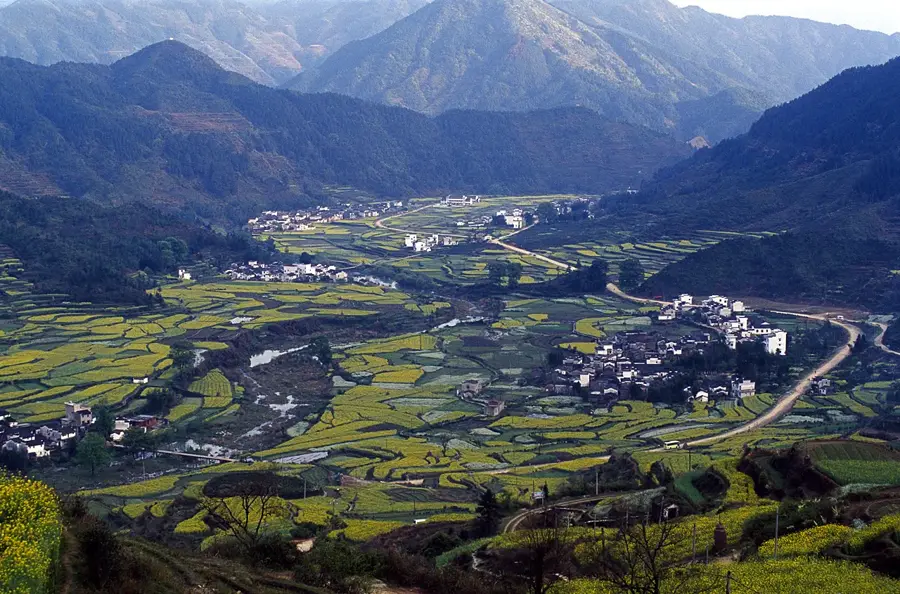
The Wuyi Mountains in northern Fujian province are a premier UNESCO World Heritage site celebrated for their outstanding biodiversity and cultural heritage. The landscape is a classic example of Danxia landform, featuring dramatic red sandstone pillars, deep ravines, and the serpentine Nine-Bend River that flows through the heart of the range. It contains the largest and most representative sample of subtropical forests in Southeast China, serving as a sanctuary for over 2,100 plant species and rare wildlife. Historically, the mountains were the epicenter of Neo-Confucianism, where the 12th-century scholar Zhu Xi established his influential academy. Wuyi is globally renowned for its tea production, particularly the prestigious Da Hong Pao (Big Red Robe) Oolong tea, grown in the unique mineral-rich soil of the rocky cliffs. Ancient archaeological sites, including 3,000-year-old hanging coffins placed high on river bluffs, reflect the area's long and mysterious human history.

Best time to visit & climate

The most pleasant time to visit is Aug–Oct.

JanFebMarAprMayJunJulAugSepOctNovDec
Avg °C681217212427262318137
Rain mm791062112272973731791551045310565

📋 Practical info

🧭
Getting there
The Wuyi Mountains are accessible via the city of Wuyishan, which is well-connected by high-speed rail and a regional airport. From the city center, tourist shuttle buses and local transport provide frequent and easy access to the main park gates and the scenic river areas.
📅
Best season
While the mountains can be visited year-round, the most popular seasons are spring and autumn when the weather is mild and the scenery is exceptionally clear. Summer can be quite hot and humid, while winter has a quieter experience with misty landscapes and fewer crowds.
⛰️
Terrain & paths
The area features a mix of rugged mountain peaks, deep canyons, and the winding Nine-Bend River. Most major attractions are reached via well-paved stone paths and stairs, but some trails can be steep and demanding for those wishing to reach the higher observation points.
🎒
What to bring
Comfortable hiking shoes with good ankle support are recommended for navigating the stone stairs and mountain trails. Don't forget sun protection, a light raincoat for sudden mountain showers, and plenty of water, as climbing can be physically taxing in the humid climate.
🅿️
Parking
Large parking lots are available at the main entrances of the scenic area for those traveling by private vehicle. However, since private cars are generally restricted inside the core scenic zone, visitors usually leave their cars and use the internal park shuttle system.
⚠️
Safety
Stick to the marked paths and be careful on stone steps, which can become very slippery when wet or covered in moss. Always follow the instructions of the park rangers and avoid venturing into unauthorized wilderness areas, as the dense forest and cliffs can be hazardous.
⏱️
Time needed
A visit to the main highlights, including a bamboo raft trip down the river, typically requires at least one full day. To explore the diverse mountain peaks and cultural sites more thoroughly, most visitors prefer to stay for 2 to 3 days to fully appreciate the vast scenic area.

Geography

Coordinates
27.70000, 117.70000

Facts

  • UNESCO World Heritage status was granted in 1999.
  • The Nine-Bend River winds for 9.5 km through the park.
  • Home to more than 2,100 species of higher plants.
  • Archaeologists discovered hanging coffins dating back 3,000 years.
  • The highest peak, Huanggang Shan, rises to 2,158 meters.
  • Over 5,000 insect species have been cataloged in the range.

Explore nearby

Notable places around
Route planner — Car & Motorhome

Where do you start? We build the route here, with stops and country notes along the way.

Vehicle
Only stops with (optional):

© OpenStreetMap contributors · OpenRouteService

Sights in the town Wuyi Mountains (4)

Longdu📍 landmark

Set amidst the rugged terrain of the Wuyi Mountains, this scenic attraction provides striking views of the region's unique relief.

River Drifting📍 landmark

This popular waterborne attraction allows visitors to drift along the scenic, winding waterways at the base of the Wuyi Mountains.

Wuyishan National Nature Reserve🌿 nature

This expansive nature reserve protects a rich biodiversity and the spectacular Danxia landforms of the Wuyi Mountains.

Wuyishan Nature Museum🏛 museum

Dedicated to the local ecosystem, this museum exhibits the unique flora, fauna, and geology of the Wuyi Mountains.

Sights nearby

Frequently asked questions

Why are the Wuyi Mountains famous?
They are famous for their spectacular river landscapes, ancient monasteries, and the famous Da Hong Pao tea.
What is the 'Song of the Nine Bends'?
It refers to the winding river where you can take traditional bamboo raft trips through the rocks.
Are the mountains a UNESCO World Heritage site?
Yes, they are recognized for both their biodiversity and their cultural values.
When is the best time to visit?
Spring and autumn are good for enjoying nature in pleasant temperatures.
Can the tea plantations be visited?
Yes, many plantations offer guided tours and tastings directly on the hillsides.
Wuyi Mountains: where is it located?
Wuyi Mountains is located in China.
Wuyi Mountains: what is there to see?
Highlights include Longdu, River Drifting, Wuyishan National Nature Reserve.
Wuyi Mountains: when is the best time to visit?
The most pleasant time to visit is Aug, Oct.
Wuyi Mountains: why is it worth visiting?

The Wuyi Mountains in northern Fujian province are a premier UNESCO World Heritage site celebrated for their outstanding biodiversity and cultural heritage.
View on map → The Top 50 Attractions → OpenStreetMap →
Asia
Explore with Plizio Discover more places in Asia
More places in China →

Nearby cities

More places