Plizio Visual Lab
Fuzhou
ℹ️Practical info — Fuzhou
▾
🌤 Weather — 5 days
📍 Nearby
Sights nearby
💡 Tips
- Visit the historic lanes of Sanfang Qixiang early in the morning to avoid the crowds.
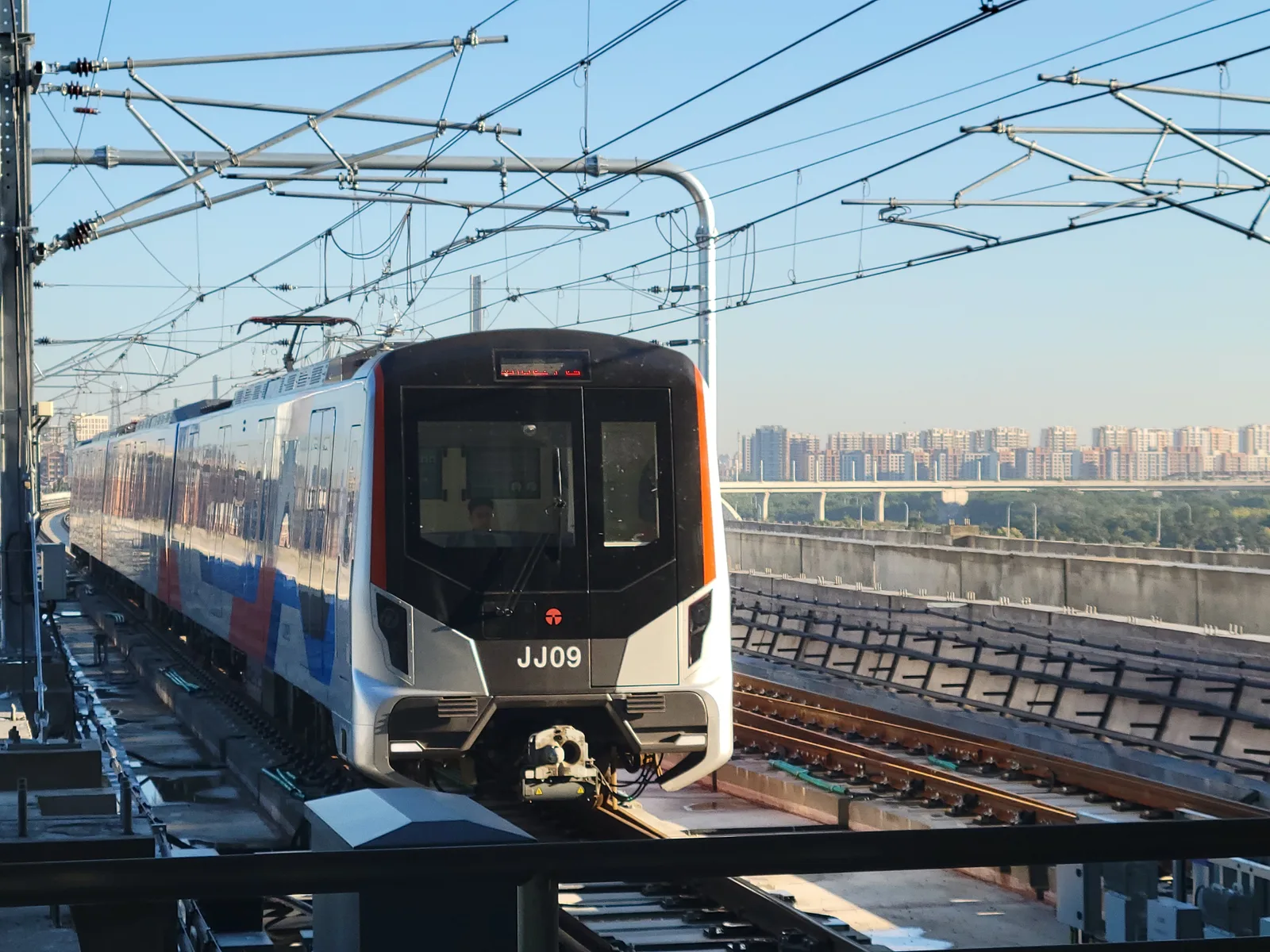
- Use the well-developed metro network for fast and cheap transportation around the city.
- Summers can be very hot and humid; spring and autumn are more pleasant times to visit.
- Fuzhou is famous for its hot springs, be sure to plan a visit to one of the many thermal baths.
🍽 Food
Try this specialty in the traditional eateries of Sanfang Qixiang.
A local delicacy often served at simple street food stalls.
Enjoy this famous festive dish in established, upscale restaurants.
🛍 Shopping · 🧘 Quiet spots
Buy high-quality tea in specialized tea shops, as Fuzhou is famous for it.
Browse art and antique shops for these highly detailed masterpieces.
Discover traditional handcrafted items at the local markets.
Enjoy relaxing walks along the lakeside promenades.
Take a quiet hike to the ancient temples.
Walk away from the traffic along the landscaped riverbank.
Water temperature…
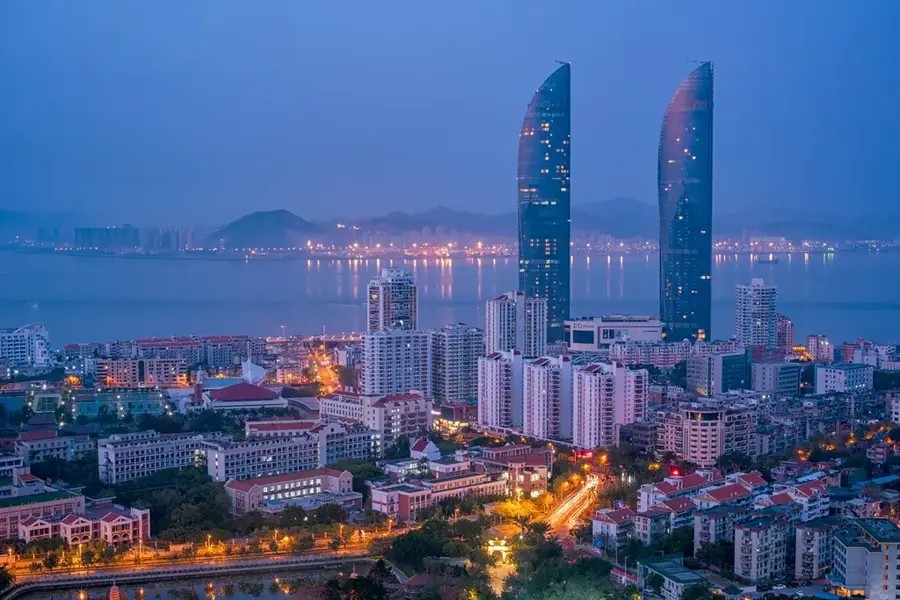
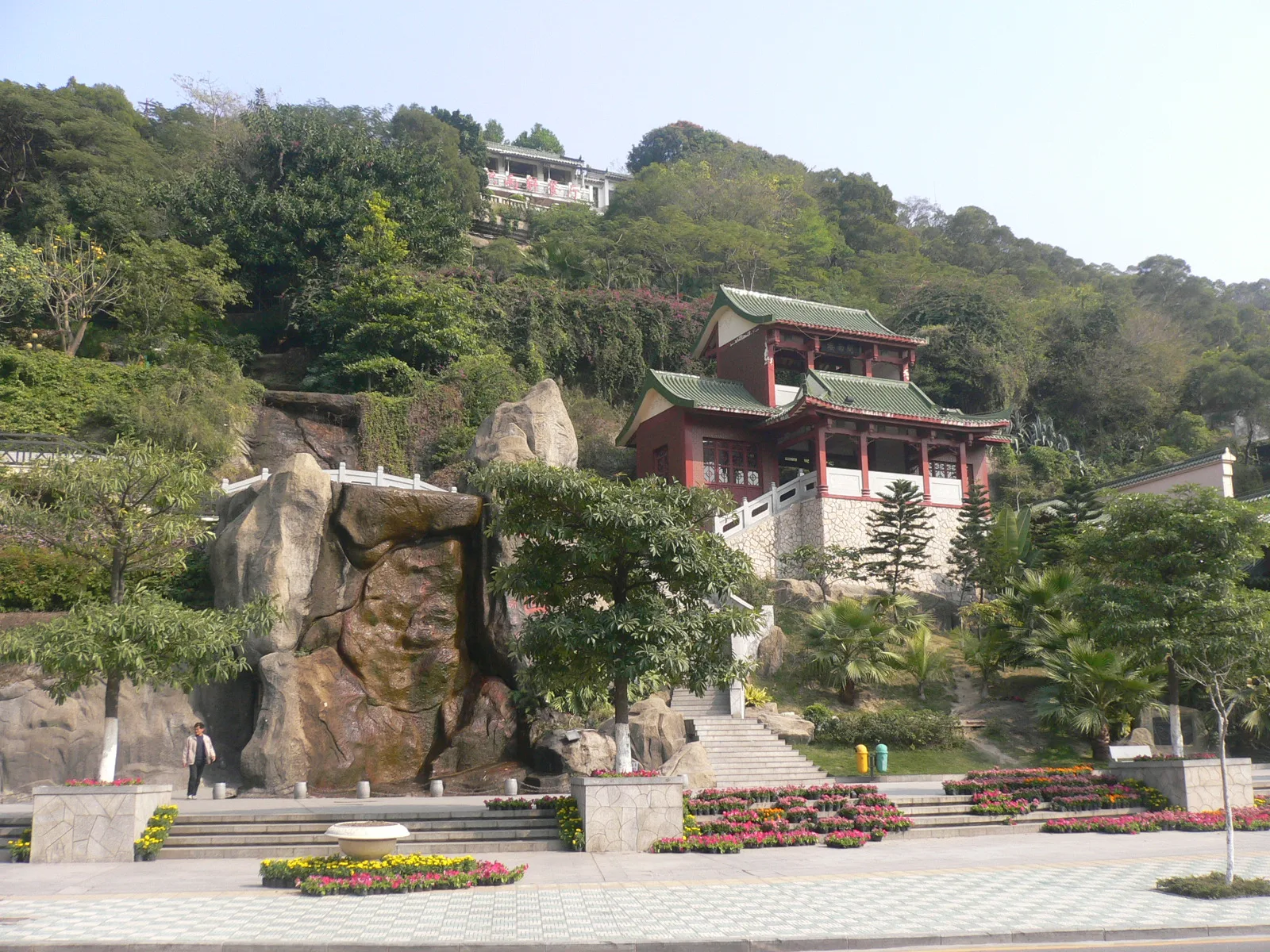
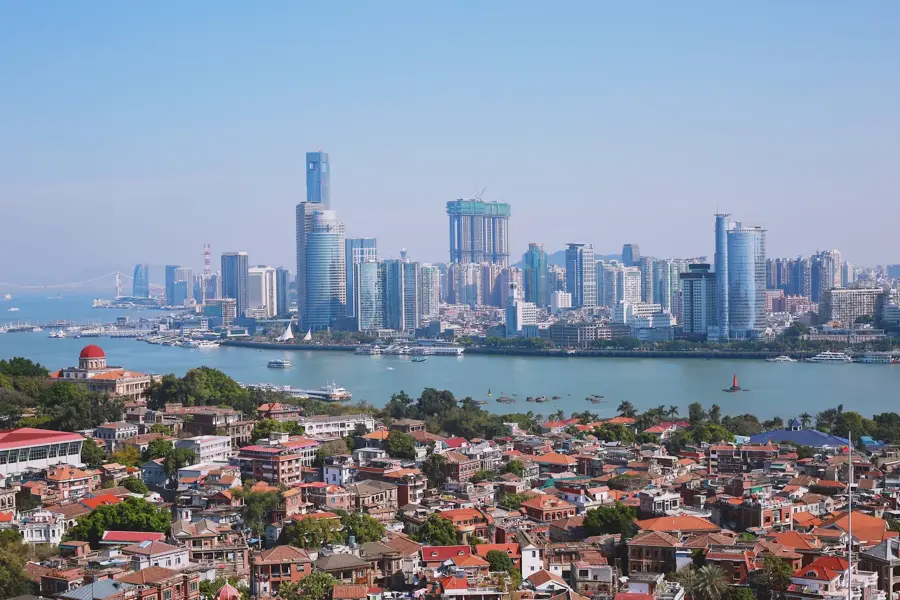
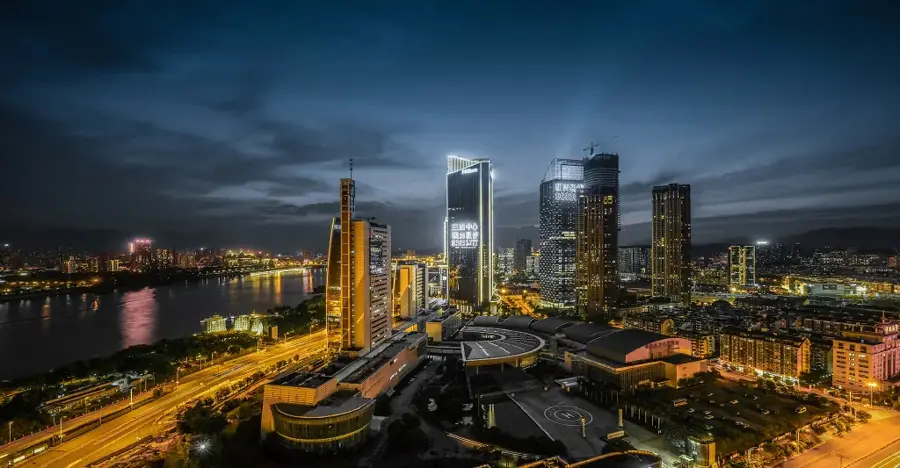
Fuzhou, the capital of Fujian Province, is a coastal metropolis situated along the Min River estuary, blending ancient maritime traditions with cutting-edge economic development. Known as the 'Banyan City' for its majestic, century-old trees, Fuzhou has been a significant gateway for China's maritime Silk Road for over 2,000 years. The city's historical heart is 'Sanfang Qixiang' (Three Lanes and Seven Alleys), a meticulously preserved district featuring architecture from the Ming and Qing dynasties. This area was home to many influential figures in Chinese history, including Lin Zexu, and remains a testament to the region's scholarly and political importance. Fuzhou is world-famous for its Jasmine Tea, an aromatic tradition that is integrated into the city's social fabric and listed as a globally important agricultural heritage system. The city also is home to significant religious landmarks, such as the Gushan (Drum Mountain) scenic area, which houses the Yongquan Temple and features over 300 ancient rock inscriptions. Architecturally, the Hualin Temple's main hall is a rare surviving example of early Song Dynasty wooden construction. In recent decades, Fuzhou has emerged as a high-tech industrial base, particularly strong in the fields of software development, electronics, and maritime engineering. Its strategic location makes it a primary link in cross-strait relations with Taiwan and a key player in the Belt and Road Initiative. The city enjoys a humid subtropical climate, resulting in lush landscapes and a year-round growing season. Urban life is enhanced by numerous scenic spots like the West Lake Park, established over 1,700 years ago, providing a serene environment amidst the bustling city. Fuzhou's culinary scene, a major component of Min Cuisine, is celebrated for its emphasis on seafood, light flavors, and delicate preparation. As a center for education and innovation, it hosts institutions like Fuzhou University and Fujian Normal University, driving the region's intellectual growth while honoring its profound cultural roots.
- Location: China
- Top sights: Gardner‘s Villa · Xuanzhi Art Museum · Fujian-Taiwan Historical and Cultural Research Institute
- Nearby: Hongshan (4 km)
- Population: ~3.740.000 (2026)
Best time to visit & climate
The most pleasant time to visit is Apr, Oct, Nov.
| Jan | Feb | Mar | Apr | May | Jun | Jul | Aug | Sep | Oct | Nov | Dec | |
|---|---|---|---|---|---|---|---|---|---|---|---|---|
| Avg °C | 10 | 11 | 14 | 18 | 22 | 25 | 27 | 27 | 25 | 21 | 17 | 12 |
| Rain mm | 62 | 73 | 128 | 141 | 204 | 245 | 156 | 206 | 140 | 50 | 71 | 51 |
Geography
Facts
- Fuzhou's Banyan trees were widely planted during the Song Dynasty to provide shade for the city.
- The city serves as a major hub for the Fujian Free Trade Zone, focusing on advanced manufacturing.
- The Fuzhou-Xiamen High-Speed Railway connects the city to other coastal hubs at speeds up to 350 km/h.
- Traditional Fuzhou lacquerware requires dozens of layers of lacquer and months to complete.
- The Yongquan Temple on Mount Gushan houses a collection of over 10,000 Buddhist scriptures.
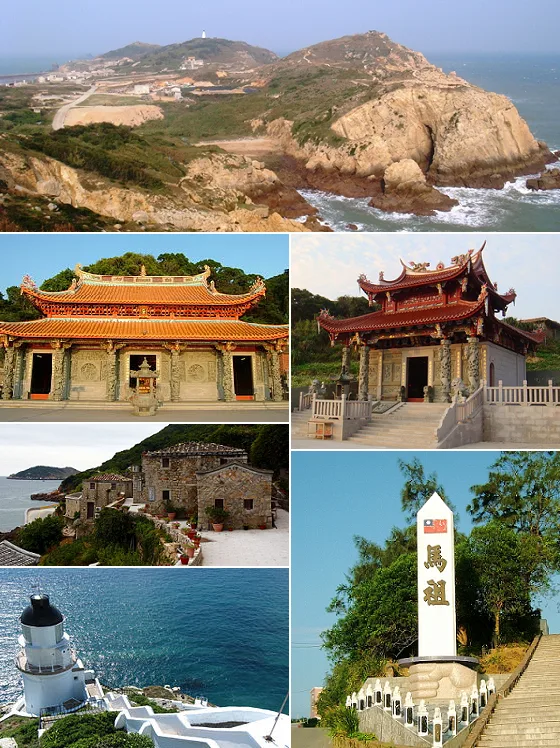
- Fuzhou is the closest major mainland city to Taiwan's Matsu Islands.
- The city's economy surpassed the 1 trillion RMB GDP mark for the first time in 2020.
- Fuzhou's White Pagoda and Black Pagoda are iconic landmarks dating back to the 10th century.
Explore nearby
Notable places around


Route planner — Car & Motorhome
Where do you start? We build the route here, with stops and country notes along the way.
© OpenStreetMap contributors · OpenRouteService
Sights in the town Fuzhou (12)
Frequently asked questions
What is the main attraction in Fuzhou?
Why is Fuzhou known as the "Banyan City"?
Are there beaches near Fuzhou?
What is the best way to get around the city?
What is a culinary specialty?
Fuzhou: where is it located?
Fuzhou: what is there to see?
Fuzhou: when is the best time to visit?
Fuzhou: why is it worth visiting?

Nearby cities