Plizio Visual Lab

Beihai Park
Plizio editorial teamData Sources
park
—°17
Beihai Park (China)

Weather…

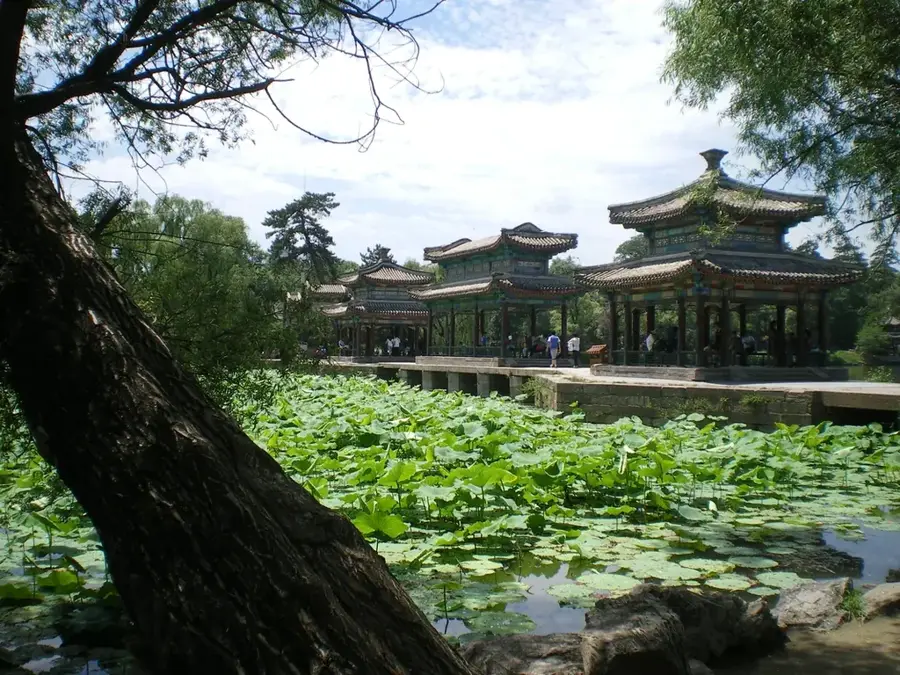
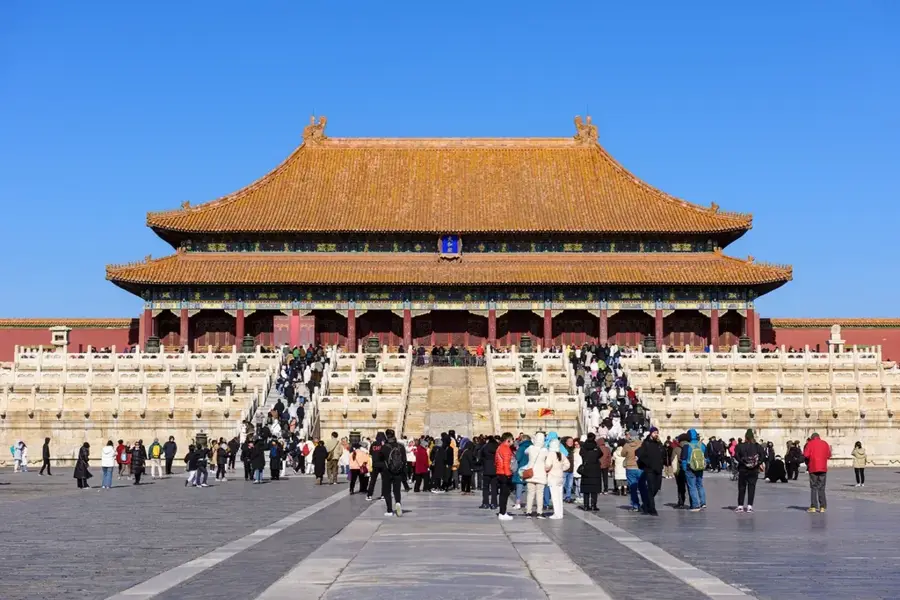
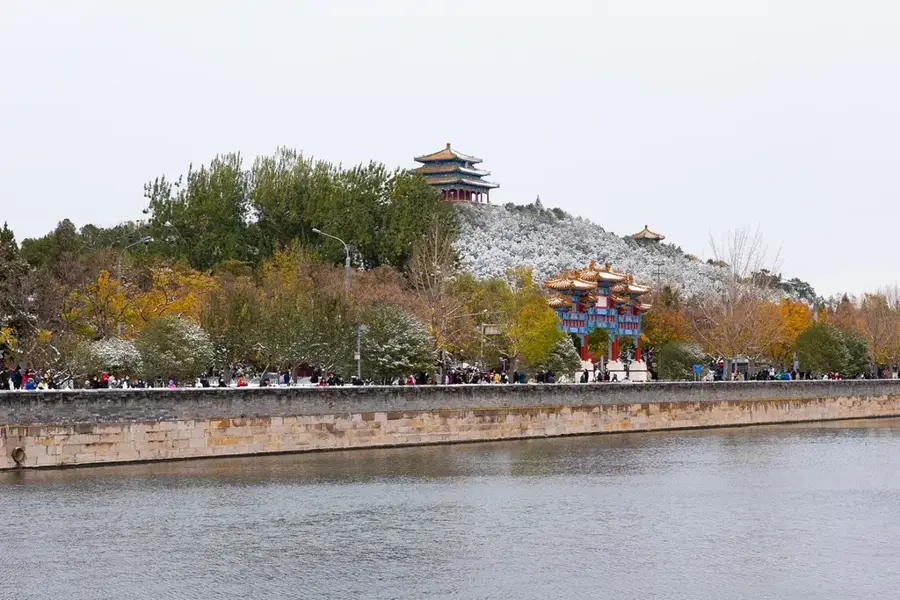
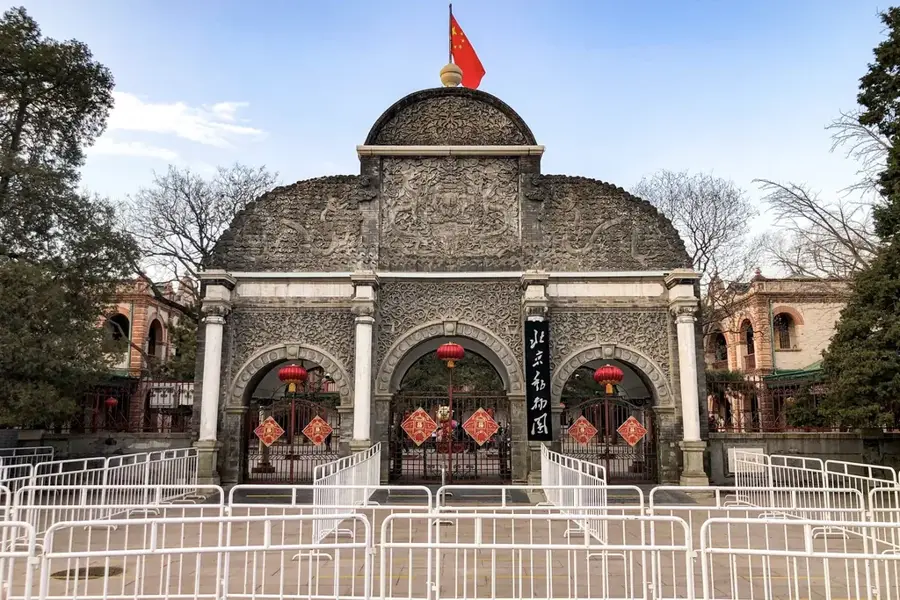
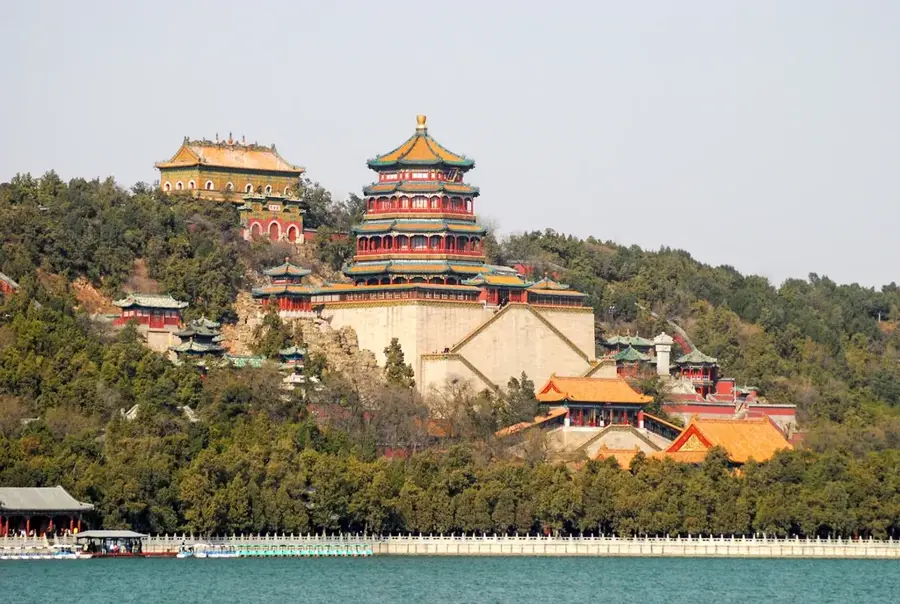
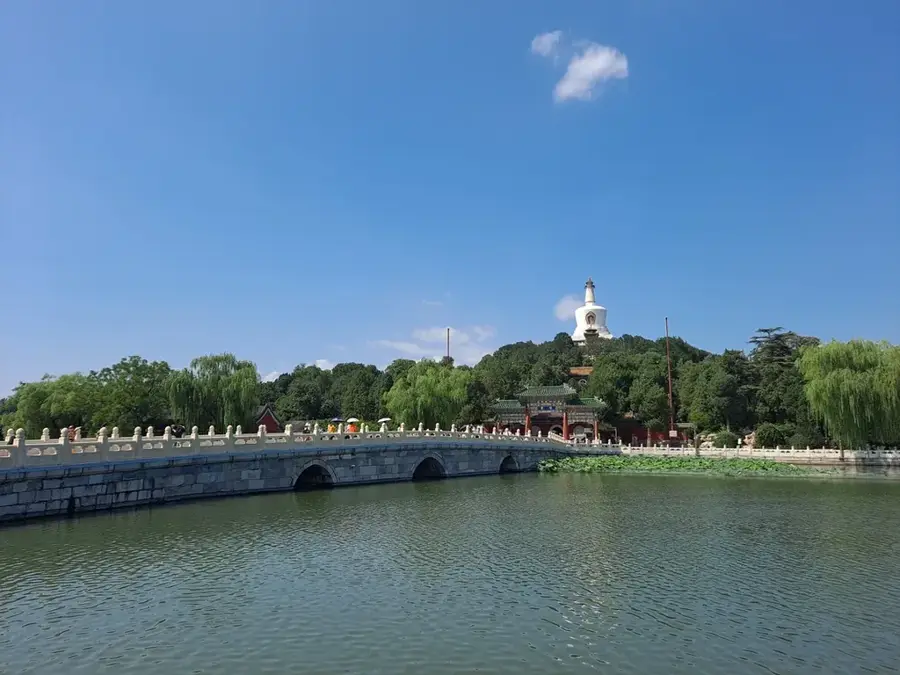
Beihai Park, located in the heart of Beijing, is one of the oldest and best-preserved imperial gardens in China, with a history spanning over a millennium. Originally laid out in the 11th century during the Liao Dynasty, it was continuously expanded and refined by the Jin, Yuan, Ming, and Qing emperors. The park's center is dominated by Beihai Lake and Qionghua Island, which is crowned by the iconic White Dagoba built in 1651. This Tibetan-style stupa was erected to commemorate the visit of the 5th Dalai Lama and remains the park's most prominent landmark. Other architectural treasures include the Nine-Dragon Wall, made of colorful glazed tiles, and the Five-Dragon Pavilions extending over the water. Opened to the public in 1925, the park transitioned from a private royal sanctuary to a beloved urban retreat. Its layout follows classical Chinese garden principles, creating a harmonious miniature landscape that blends natural beauty with profound spiritual symbolism.

Best time to visit & climate

The most pleasant time to visit is May, Jun, Sep.

JanFebMarAprMayJunJulAugSepOctNovDec
Avg °C-5-25132125272520123-4
Rain mm2692438841511096430142

📋 Practical info

🧭
Getting there
Very easily accessible via Beijing's extensive public transportation system, with multiple subway stations and bus stops located directly near the main park entrances.
📅
Best season
Spring and autumn provide the most pleasant temperatures for strolling, while summer spectacularly highlights blooming lotus flowers across the expansive central lake.
⛰️
Terrain & paths
The park features extremely well-paved walking paths, gentle slopes beautifully maintained around the lake, and some steep historical stone stairs leading up to the Dagoba.
🎒
What to bring
Comfortable walking shoes for exploring the vast grounds, a high-quality camera for the historical architecture, and a refillable water bottle are highly recommended.
🅿️
Parking
While some limited public parking exists nearby, utilizing Beijing's efficient public transit is highly recommended to completely avoid notorious traffic congestion.
⚠️
Safety
It is a remarkably safe, heavily managed urban park, but visitors should strictly stay hydrated in peak summer and watch their step on older, uneven historical stone stairs.
⏱️
Time needed
A thorough visit to fully enjoy the meticulously designed gardens, ancient pavilions, and a potential relaxing boat ride typically takes around two to four hours.

Geography

Coordinates
39.92750, 116.38450

Facts

  • The White Dagoba stands 35.9 meters tall.
  • The park covers a total area of 69 hectares.
  • The Nine-Dragon Wall features 424 colorful glazed tiles.
  • Origins date back to the 10th-century Liao Dynasty.
  • The Five-Dragon Pavilions were constructed in 1602.
  • Water covers more than half of the park's total surface.

Explore nearby

Notable places around
Route planner — Car & Motorhome

Where do you start? We build the route here, with stops and country notes along the way.

Vehicle
Only stops with (optional):

© OpenStreetMap contributors · OpenRouteService

Sights in the town Beihai Park (17)

Beiping Library Former Site🏛 museum

This grand 1931 building features a blend of Western structural techniques and traditional Chinese palace-style roofs.

China Geological Museum🏛 museum

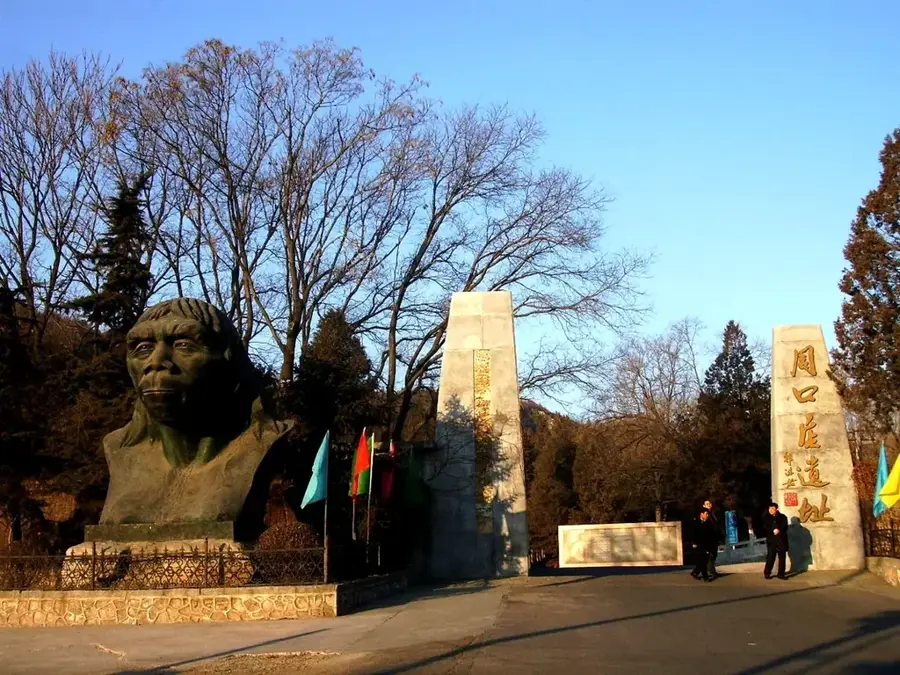
This museum houses one of Asia's finest collections of dinosaur fossils, minerals, and the "Peking Man" remains.

🕒 Tu-Su 09:00-16:30💶

Prince Kung's Mansion🏛 museum

One of the best-preserved imperial mansions in Beijing, featuring an elaborate 18th-century garden with artificial hills and ponds.

Guan-Yue Temple⛪ religious

A 14th-century temple complex dedicated to the legendary generals Guan Yu and Yue Fei, protectors of the nation.

Nianhua Temple⛪ religious

Originally built during the Ming dynasty, this Buddhist temple is known for its serene courtyards and ancient bronze Buddha statues.

Hall of High Heaven⛪ religious

A unique Taoist temple built in 1542, notable for being the only temple of its kind without a residential courtyard in the Imperial City.

National Stadium📍 landmark

An architectural marvel with a complex lattice of steel beams, built for the 2008 Olympics and inspired by Chinese ceramics.

Gold Tortoise Jade Rainbow Bridge📍 landmark

A historic stone bridge with nine arches that separates the Beihai and Zhongnanhai lakes in the heart of Beijing.

Beihai Park📍 landmark

One of the oldest and largest imperial gardens, centered around a lake and a massive white dagoba atop Jade Flower Island.

🕒 Apr-Oct 06:30-21:00; Nov-Mar 06:30-20:00

Qingnianhu Park🌳 park

This urban park features a large central lake used for boating and a popular open-air water park in the summer.

Yuan Dadu City Wall Ruins Park🌳 park

A long, narrow park built along the earth-mound ruins of the 13th-century city walls of the Mongol Yuan dynasty.

Houhai Park🌳 park

A scenic area of three interconnected lakes surrounded by historic hutongs and traditional teahouses.

Deshengmen Tower🏰 castle

This massive 15th-century archery tower is the last remaining northern gate of Beijing's former inner city wall.

Rock from Taishan🏺 historical

A large sacred rock brought from Mount Tai, placed as a protective monument within the scenic grounds of Beihai Park.

Iron Screen Wall🏺 historical

A rare 14th-century spirit wall made of dark volcanic rock, intricately carved with mythical beasts to ward off evil spirits.

Fullof🎭 culture

A small independent performance venue in the historic Shichahai area, known for modern theatre productions.

Sihuan Market🎭 culture

A bustling traditional market where locals shop for fresh vegetables, meat, and everyday household goods in Xicheng.

Sights nearby

Frequently asked questions

What is the park's landmark?
The White Dagoba on Qionghua Island is the most famous symbol.
Can you go boating on the lake?
Yes, boating is a popular activity for families and couples.
What is the Nine-Dragon Wall?
A magnificent, colorful spirit wall featuring depictions of nine dragons.
Is there an entrance fee?
Yes, there is a small entrance fee (about 10 RMB); some attractions cost extra.
Where is the park located?
In central Beijing, northwest of the Forbidden City.
Beihai Park: where is it located?
Beihai Park is located in China.
Beihai Park: what is there to see?
Highlights include Beiping Library Former Site, China Geological Museum, Prince Kung's Mansion.
Beihai Park: when is the best time to visit?
The most pleasant time to visit is May, Jun, Sep.
Beihai Park: why is it worth visiting?

Beihai Park, located in the heart of Beijing, is one of the oldest and best-preserved imperial gardens in China, with a history spanning over a millennium.
View on map → The Top 50 Attractions → OpenStreetMap →
Asia
Explore with Plizio Discover more places in Asia
More places in China →

History & landmarks

More places