Plizio Visual Lab

Fort San Antonio

Plizio editorial teamData Sources
Historical site
—°14
Fort San Antonio (Chile)

Weather…

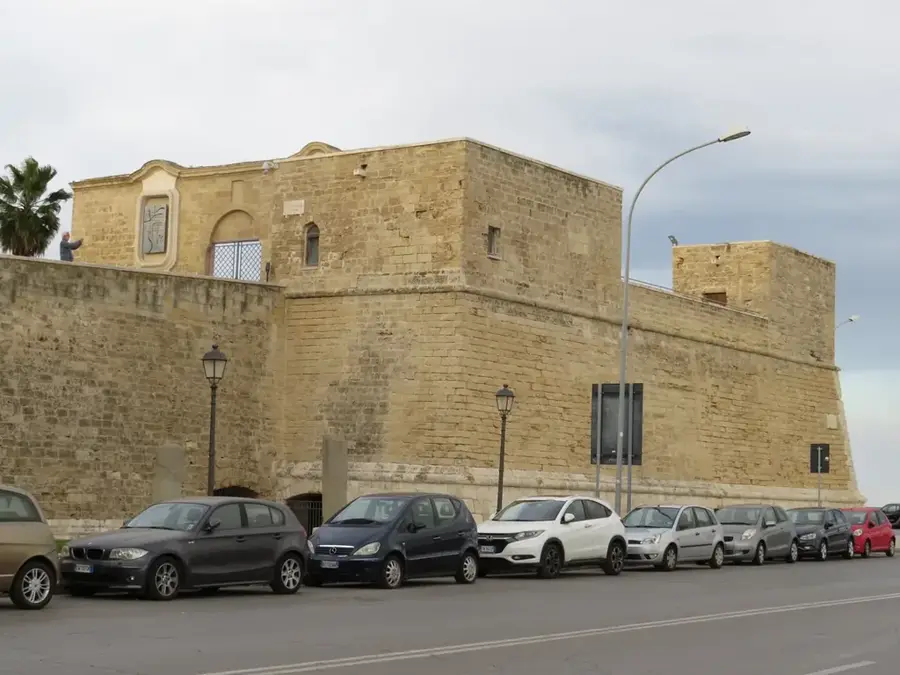
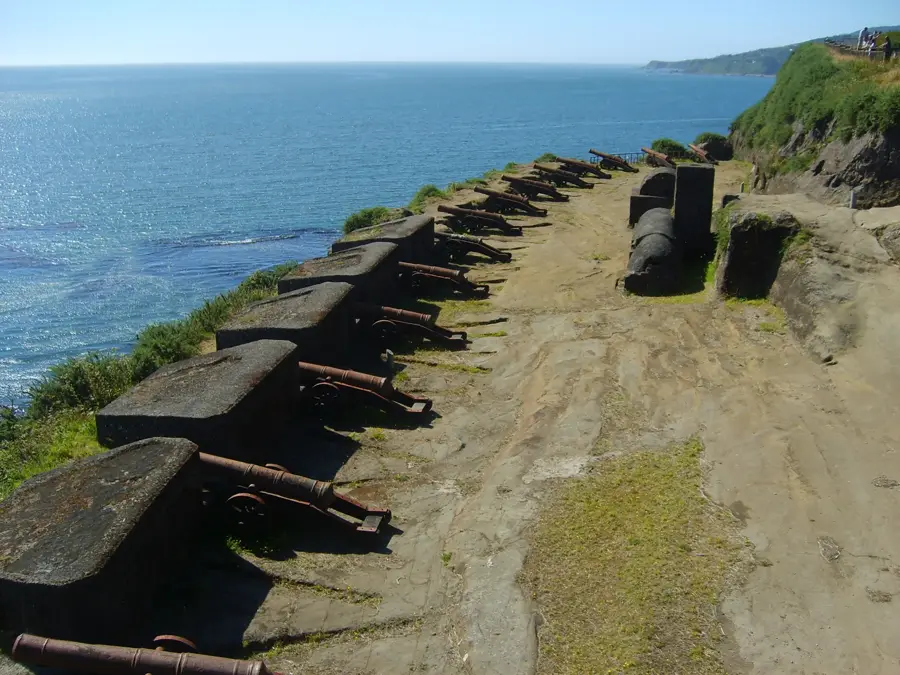
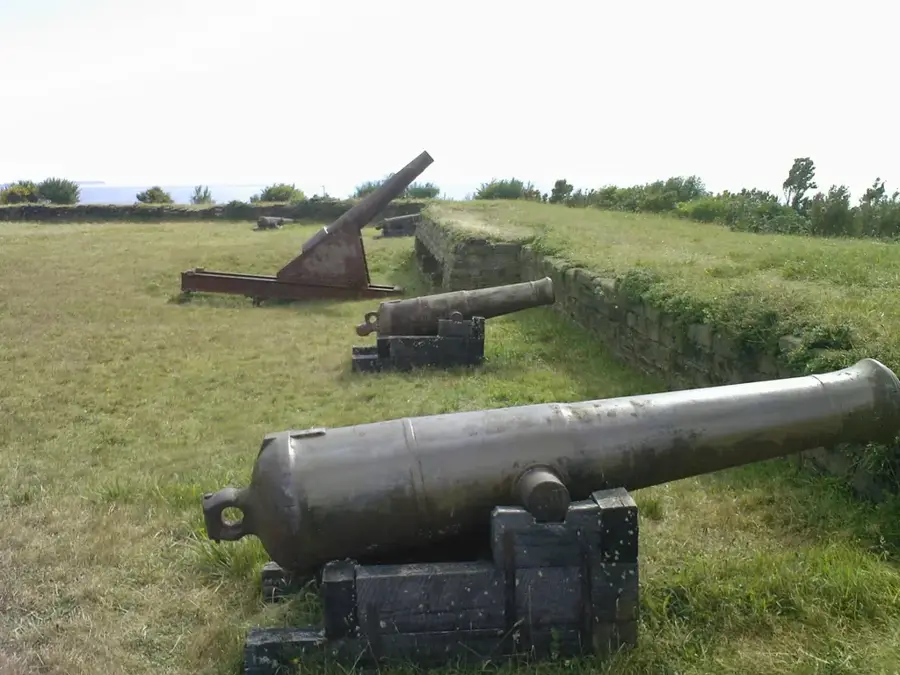
Fuerte San Antonio in Ancud is a historic fortification on Chiloé Island, established by the Spanish in the late 18th century. It was part of a broader defensive network designed to protect the strategic Ancud Bay from foreign powers and pirate incursions. Built in 1770 during the reign of Charles III, the fort holds the distinction of being the last Spanish stronghold on Chilean soil to surrender during the War of Independence. The site's architecture is defined by its elevated position, allowing its cannon batteries to effectively monitor the maritime approaches. Today, visitors can see the well-preserved foundations, powder magazines, and several bronze cannons dating back to 1820. The fort also features spectacular panoramic views of the Chacao Channel and the Pacific Ocean. It stands as a significant monument to the colonial history of the region and Chiloé's role as a vital outpost for the Spanish Empire. A visit to the site provides valuable insights into the maritime history and military conflicts of southern Chile.

Best time to visit & climate

The most pleasant time to visit is Jan, Feb, Dec.

JanFebMarAprMayJunJulAugSepOctNovDec
Avg °C14141311108788101113
Rain mm7667991221711781691711001109687

📋 Practical info

🚪
Visiting
Fort San Antonio in Ancud is a partially restored fortress offering open access to its bastions and a small museum. Visitors can walk the outer walls and see the cannons facing the sea.
🕒
Typical hours
The fort typically opens from 9:00 AM to 6:00 PM in summer, with shorter hours in winter. It's best to check with the local tourism office for the exact schedule.
📷
Photography
Photography is allowed throughout the site; the viewpoint of the Chiloé coastline is particularly photogenic. A polarizing filter can help reduce glare on the water.
⏱️
Time needed
Allow about 45 minutes to an hour to explore the fort and its museum. Combine with the nearby Museo Regional de Ancud and the coastal walkway.
Combine with
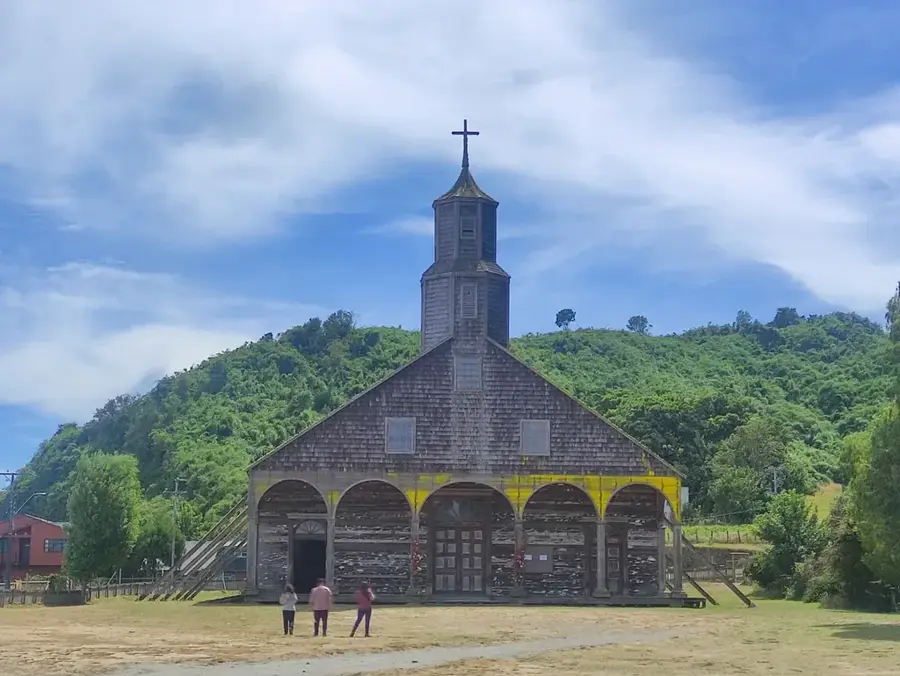
Ancud also provides sea lion colonies at Punta Coronel and the famous wooden churches of Chiloé. The fort is a good starting point for a cultural tour of the island.
🧭
Getting there
The fort is located on the northern edge of Ancud, about a 20-minute walk from the central square. Taxis and local buses also serve the area easily.
💡
Insider tip
Visit in the late afternoon to catch the sunset over the Pacific. The wind can be chilly, so bring a windbreaker even on sunny days.

Geography

Coordinates
-41.86030, -73.83440

Facts

  • Built in 1770 during the reign of King Charles III of Spain.
  • The final Spanish fort in Chile to surrender to patriots in 1826.
  • Features several bronze cannons that were cast in the year 1820.
  • Used to defend the town of Ancud and the strategic Chacao Channel.
  • The site is officially protected as a National Monument of Chile.
  • Located on the northernmost tip of Chiloé Island.

Explore nearby

Notable places around

Route planner — Car & Motorhome

Where do you start? We build the route here, with stops and country notes along the way.

Vehicle
Only stops with (optional):

© OpenStreetMap contributors · OpenRouteService

Sights in the town Fort San Antonio (14)

Museo Regional de Ancud🏛 museum

The Museo Regional de Ancud exhibits detailed maritime history, indigenous heritage, and a replica of the historic schooner Ancud.
🕒 Tu-Fr 10:00-17:00; Sa, Su 10:30-13:30

Fuerte San Antonio🛡️ fortress

Designed by architect Lázaro de Ribera in 1770, this historic coastal fortress served as one of the last Spanish bastions in South America.

Fuerte de Chaicura🛡️ fortress

Established in 1768, this strategic artillery fort was constructed to defend the coastal approach to the Bay of Ancud.

Fuerte Ahui🛡️ fortress

Built in 1779 under the direction of architect Manuel de Zorrilla, this fort guarded the peninsula against coastal invasions.

Faro Punta Corona📍 landmark

The Faro Punta Corona is an active historic lighthouse that provides crucial maritime guidance at the entrance to the Chacao Channel.

Batería Balcacura📍 landmark

Constructed in 1786, this historic coastal artillery battery was part of the Spanish defensive network guarding the bay.

Casa Museo Luisa Chijani🏛 museum

The Casa Museo Luisa Chijani is a cultural house museum preserving the traditional domestic lifestyle and local history of the region.

Teatro Municipal de Ancud🎭 culture

The Teatro Municipal de Ancud hosts a variety of regional performing arts, concerts, and cultural gatherings throughout the year.

Iglesia Luterana⛪ religious

This Lutheran church stands as a testament to the influence of 19th-century European settlers on the region's religious landscape.

Iglesia Pilluco⛪ religious

The Iglesia Pilluco is a traditional rural wooden church set in the peaceful coastal outskirts of the main town.

Capilla El Carmelo⛪ religious

This small chapel serves the local Catholic community near the historic fortifications of Ancud.

Ancud Municipal Market🎭 culture

This bustling indoor market features fresh Pacific seafood, hundreds of local potato varieties, and traditional Chilotan knitwear.

Chilolac🎭 culture

As the retail spot for the regional dairy cooperative, this shop is known for its locally produced Chiloé cheeses and fresh milk.

ocean lookout📍 landmark

This coastal vantage point has sweeping panoramic views of the Pacific surf crashing against the rugged Ancud shoreline.

Sights nearby

Frequently asked questions

Where is Fort San Antonio located?
It is located in Ancud, on Chiloé Island, offering a wide view over the Chacao Channel.
When was the fort built?
The fortification was built in 1770 to protect the city from pirates and foreign powers.
Can you see cannons?
Yes, several historical bronze cannons from the 18th century are still on display today.
Is there an entry fee?
Access to the ruins and viewpoints is usually free and open to the public.
How long does a visit take?
A walk takes about 30 to 45 minutes, depending on how much time you spend enjoying the view.
Fort San Antonio: where is it located?
Fort San Antonio is located in Chile.
Fort San Antonio: what is there to see?
Highlights include Museo Regional de Ancud, Fuerte San Antonio, Fuerte de Chaicura.
Fort San Antonio: when is the best time to visit?
The most pleasant time to visit is Jan, Feb, Dec.
Fort San Antonio: why is it worth visiting?
Fuerte San Antonio in Ancud is a historic fortification on Chiloé Island, established by the Spanish in the late 18th century.
View on map → The Top 50 Attractions → OpenStreetMap →
South America
Explore with Plizio Discover more places in South America
More places in Chile →

Nearby cities

History & landmarks

Nature

More places