Plizio Visual Lab

Chiloé National Park
Plizio editorial teamData Sources
nature
—°8
Chiloé National Park (Chile)

Weather…

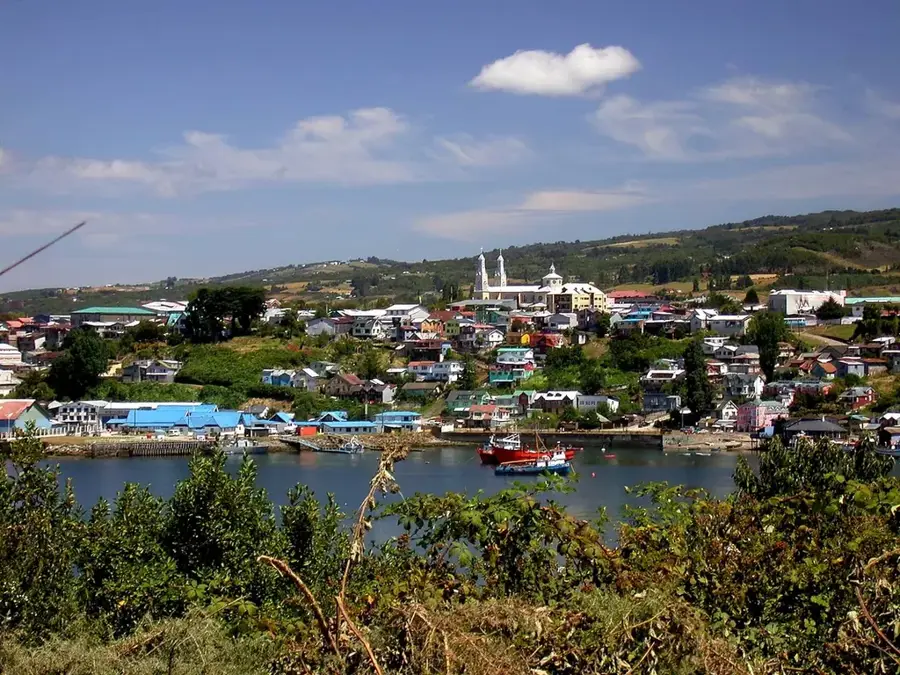
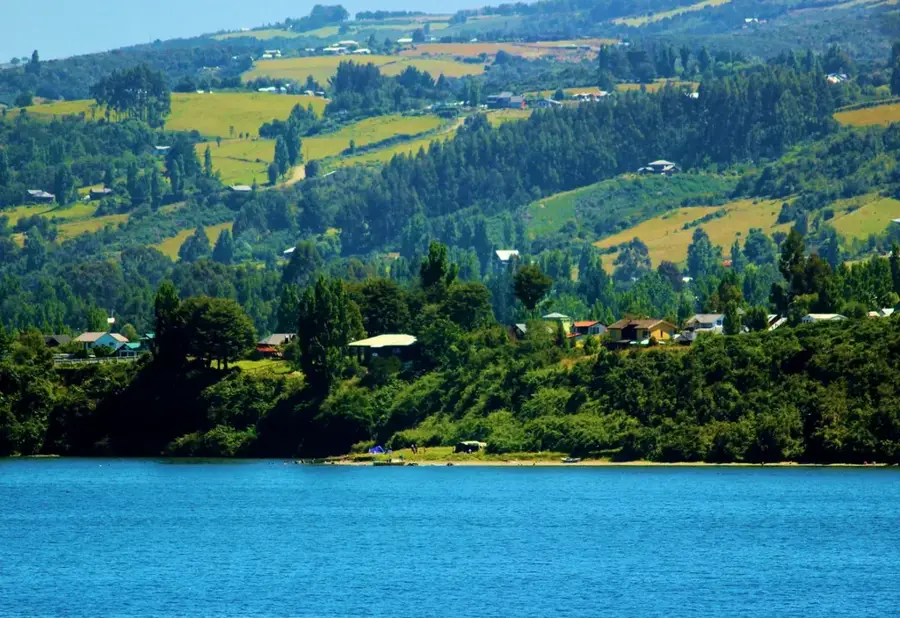
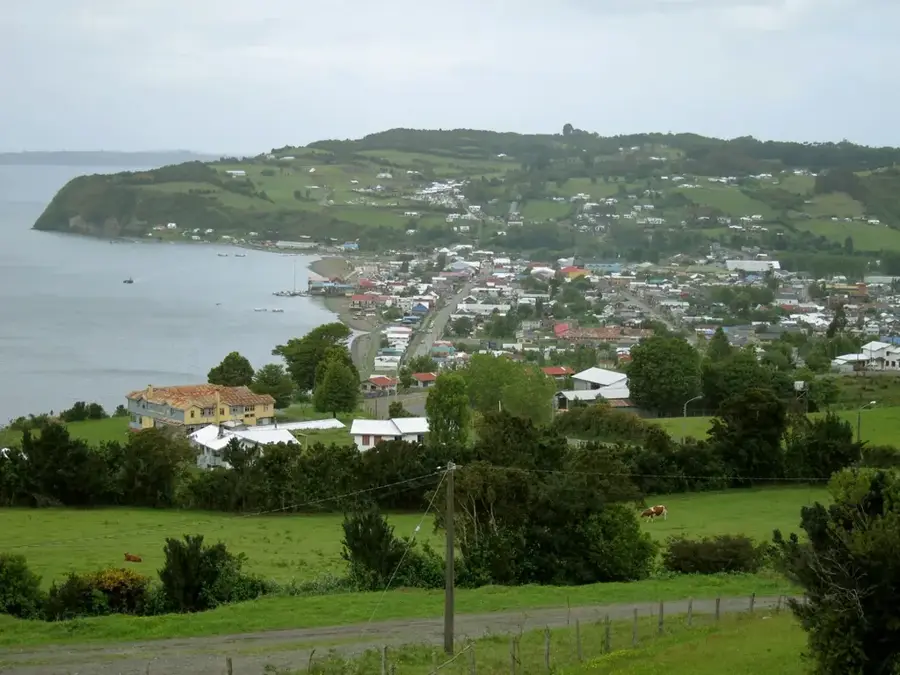
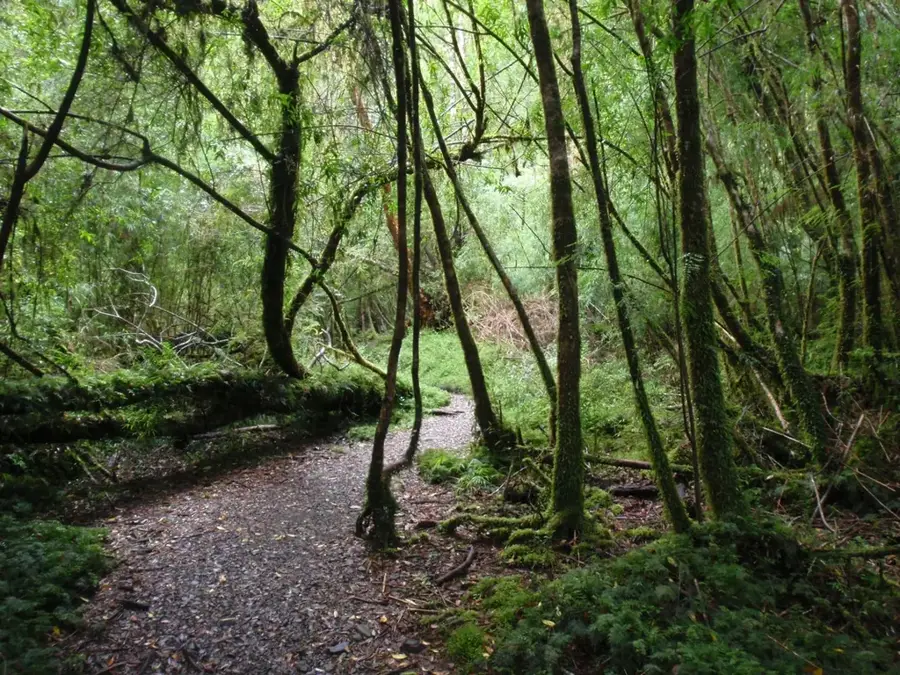
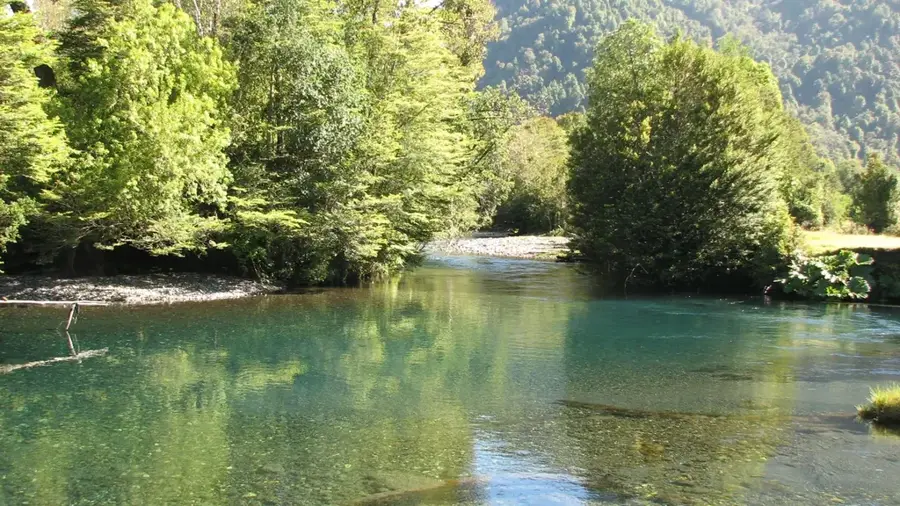
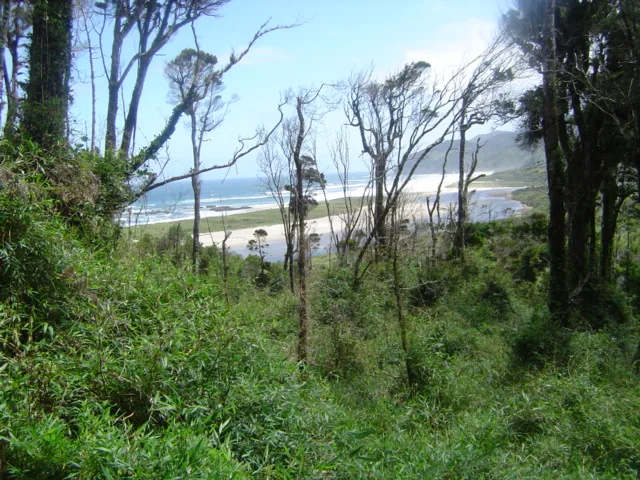
Chiloé National Park is located on the western coast of the Chiloé Archipelago in Chile's Los Lagos Region. Established in 1982, the park covers 43,057 hectares, stretching from the Piuchén Range down to the Pacific Ocean. It is dedicated to preserving the Valdivian temperate rainforest, an ecosystem characterized by dense evergreen trees, ancient ferns, and species like the tepú and the arrayán. The park's varied landscape includes massive sand dunes, peat bogs, and rugged maritime coastlines. It is a critical refuge for rare wildlife, most notably the endangered Darwin's fox and the pudu, the world's smallest deer species. The area is also culturally significant to the local Huilliche indigenous people, who maintain a spiritual connection to the land and its mythology. Trails such as 'El Tepual' allow visitors to explore the mysterious, moss-covered forests that represent one of the most pristine wilderness areas in southern Chile.

Best time to visit & climate

The most pleasant time to visit is Jan, Feb, Dec.

JanFebMarAprMayJunJulAugSepOctNovDec
Avg °C131412119877891112
Rain mm796998112164170158160971129786

📋 Practical info

🧭
Getting there
Access to this natural park in Chile is usually through official entry points. Most visitors arrive by robust vehicles from surrounding towns.
📅
Best season
The best time to visit is during the drier months when paths are accessible. Heavy rain often brings muddy trails and dense vegetation.
⛰️
Terrain & paths
The natural landscape features unpaved paths that can be uneven or partially overgrown. Explorers should anticipate mixed ground conditions.
🎒
What to bring
Sturdy walking shoes, protective clothing, and rain gear are highly recommended. Always carry insect repellent, sun protection, and water.
🅿️
Parking
Parking spots or drop-off zones are generally found near the main entrance gates. Further exploration usually continues strictly on foot.
⚠️
Safety
Visitors are explicitly advised to stay on designated trails and follow all park rules. Extreme caution around local wildlife is required.
⏱️
Time needed
A standard visit usually ranges from a few immersive hours to a full day of deep exploration. Most interested travelers spend at least a half-day. The experience is highly memorable and enriching.

Geography

Coordinates
-42.60000, -74.05000

Facts

  • The national park was officially established in 1982.
  • Total protected area spans 43,057 hectares.
  • Darwin's fox was first described here by Charles Darwin in 1834.
  • The park is home to over 110 different species of birds.
  • The average annual temperature remains between 10°C and 12°C.
  • Lake Cucao is the largest body of fresh water within the park boundaries.

Explore nearby

Notable places around
Route planner — Car & Motorhome

Where do you start? We build the route here, with stops and country notes along the way.

Vehicle
Only stops with (optional):

© OpenStreetMap contributors · OpenRouteService

Sights in the town Chiloé National Park (8)

Piedra Roja📍 landmark

Piedra Roja is a striking, reddish rock formation set picturesquely against the verdant coastal landscape.

Mirador La Huenchula🌿 nature

Mirador La Huenchula provides a sweeping view over the dense forests and rugged coastline of the national park.

Puente de Bote📍 landmark

This original boat bridge, Puente de Bote, connects the banks and serves as a distinctive local wooden attraction.

Mirador del Sur Cordillera Piuchén🌿 nature

From this southern viewpoint, visitors can look out over the majestic forested slopes of the Cordillera Piuchén.

Museo Fogón🏛 museum

Built around a traditional hearth, the Museo Fogón showcases the rural culture and lifestyle of Chiloé.

Mirador Las Dunas🌿 nature

Mirador Las Dunas opens up a fantastic view of the vast sand dunes meeting the ocean.

Playa Cucao🎡 recreation

Playa Cucao is an extensive, often windy sandy beach directly bordering the Pacific Ocean.

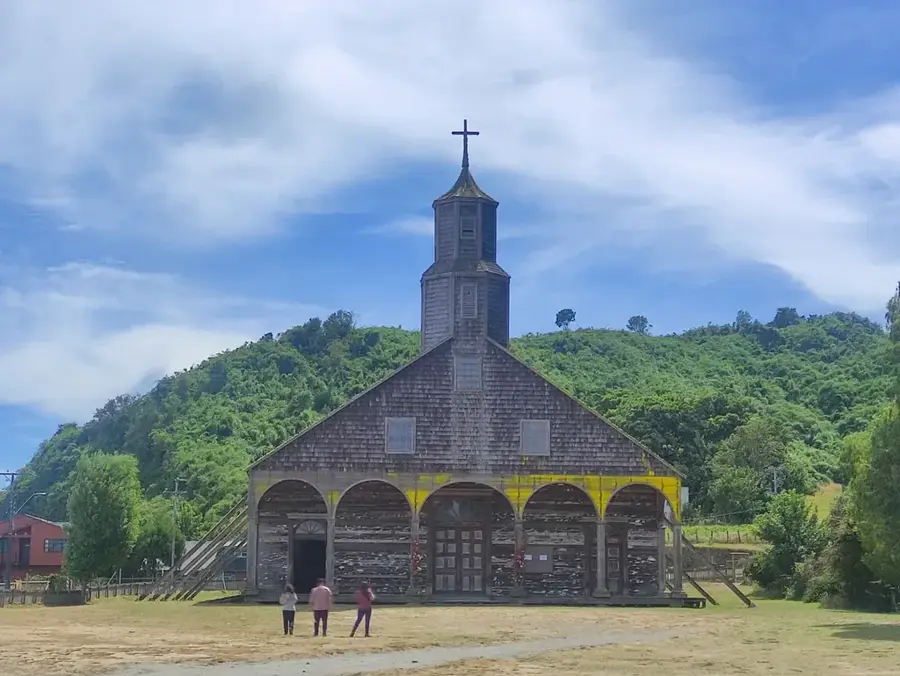
Iglesia de Chanquín📍 landmark

The small Christian wooden church of Chanquín is a typical example of the island's traditional architecture.

Sights nearby

Frequently asked questions

What is the main highlight of the park?
The Muelle de las Almas (Dock of Souls) gives a spectacular view of the coastline.
What is the weather usually like?
Rainy and windy. Waterproof clothing is essential all year round.
Are there hiking trails for beginners?
Yes, the Sendero El Tepual is flat and goes over wooden walkways through the forest.
Can you camp in the park?
Yes, there are designated camping areas like in Cole Cole, but facilities are basic.
What animals can be seen?
With luck, you can see the Darwin's fox or Pudu deer in the dense forests.
Chiloé National Park: where is it located?
Chiloé National Park is located in Chile.
Chiloé National Park: what is there to see?
Highlights include Piedra Roja, Mirador La Huenchula, Puente de Bote.
Chiloé National Park: when is the best time to visit?
The most pleasant time to visit is Jan, Feb, Dec.
Chiloé National Park: why is it worth visiting?
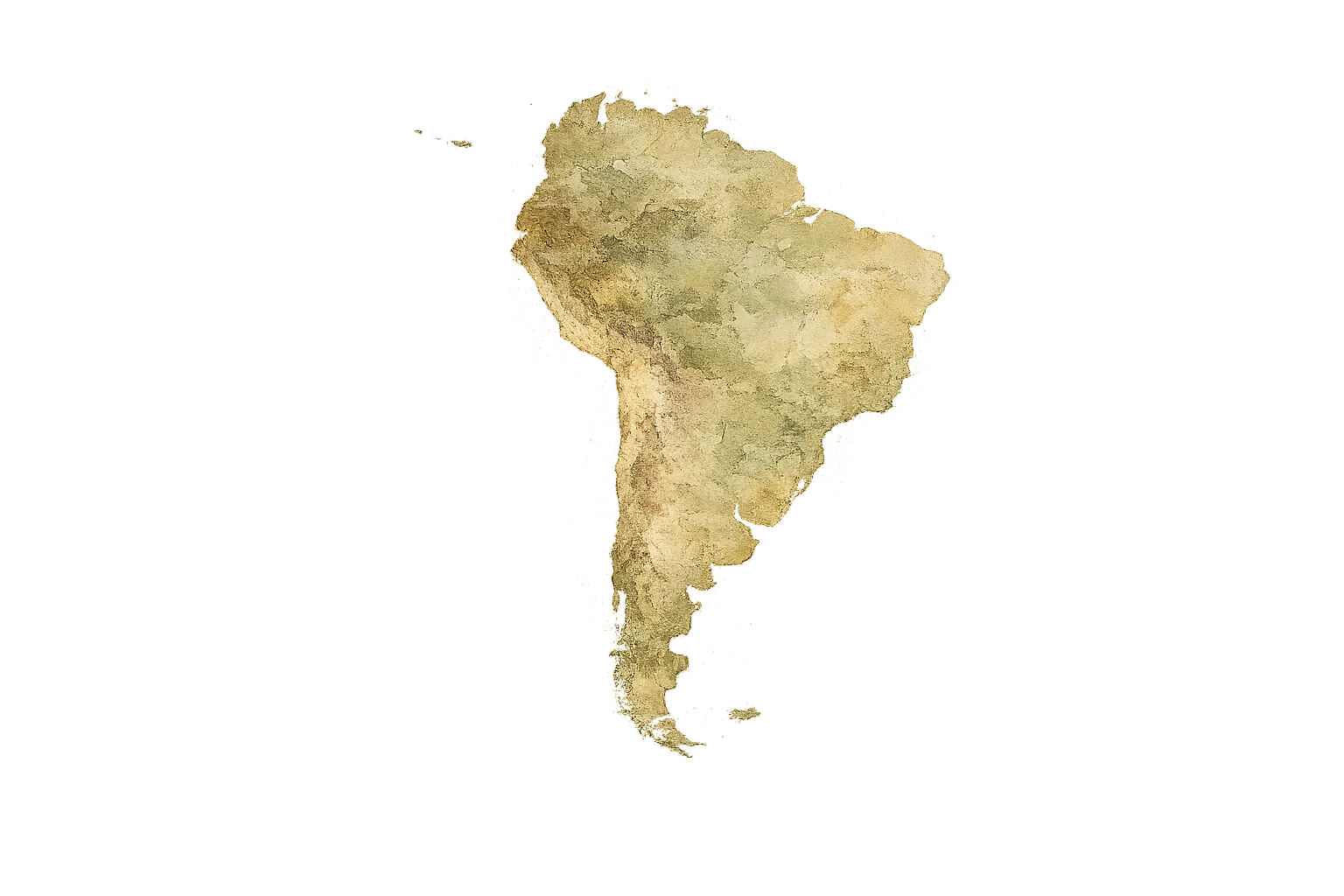
Chiloé National Park is located on the western coast of the Chiloé Archipelago in Chile's Los Lagos Region.
View on map → The Top 50 Attractions → OpenStreetMap →
South America
Explore with Plizio Discover more places in South America
More places in Chile →

Nearby cities

History & landmarks

Nature
More places