Plizio Visual Lab
Rafaï
ℹ️Practical info — Rafaï
▾
🌤 Weather — 5 days
📍 Nearby
Sights nearby
💡 Tips
- Situated on the Chinko River; river crossings or longer boat trips should always be arranged in advance with local boatmen.
- It's a gateway region to the Chinko Nature Reserve; check with conservation organizations regarding current access.
- The climate is very humid and muggy; make sure to pack lightweight, quick-drying, breathable clothing.
- Supplies are limited in town; bring any specialized medical requirements or dietary foods with you.
🍽 Food
Freshly caught from the Chinko River; an absolute must-try at the small riverside eateries.
Fermented cassava wrapped in leaves; an excellent, durable local staple food.
Sample the local palm wine, often freshly tapped and sold in recycled bottles in the village.
🛍 Shopping · 🧘 Quiet spots
The best place to pick up fresh river fish, cassava, and simple daily goods.
Small vendors offering snacks and drinks right near the boat docking areas.
The riverside gives a very serene atmosphere, especially in the early morning hours.
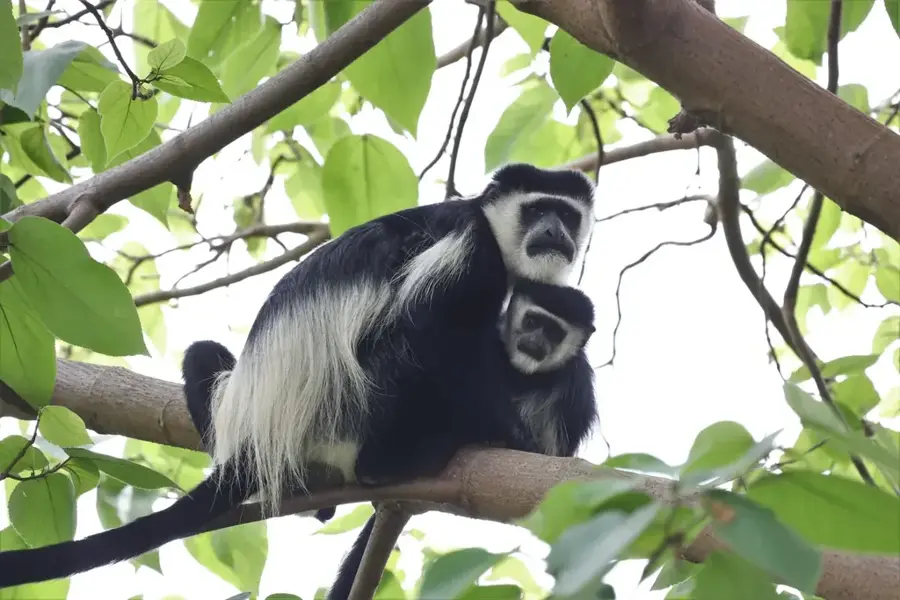
Listen to the incredible and diverse sounds of the tropical forest from a safe distance.
Water temperature…
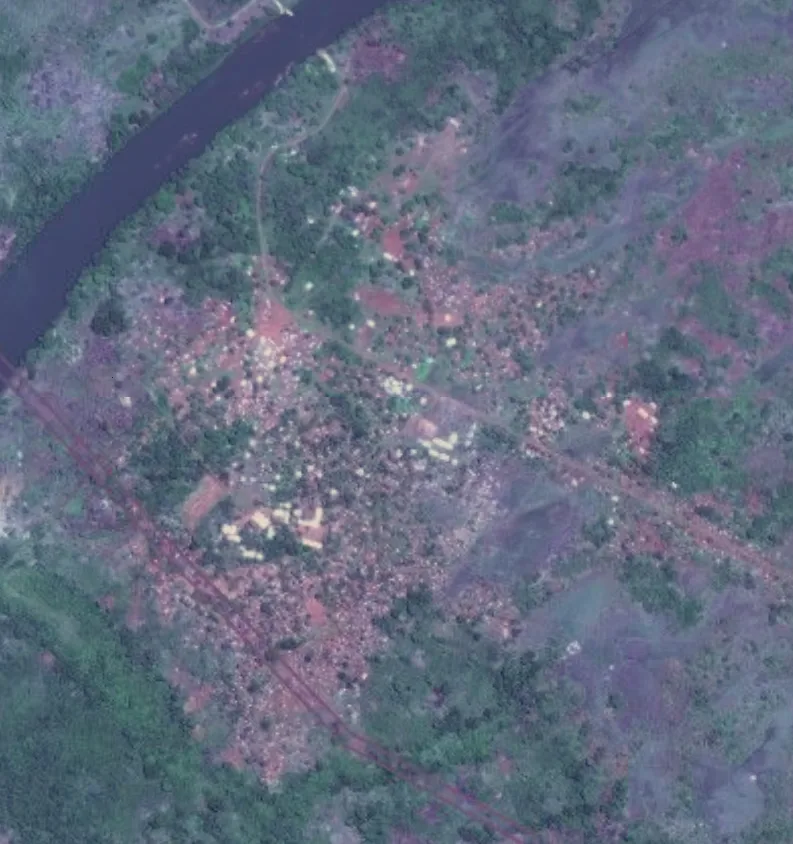
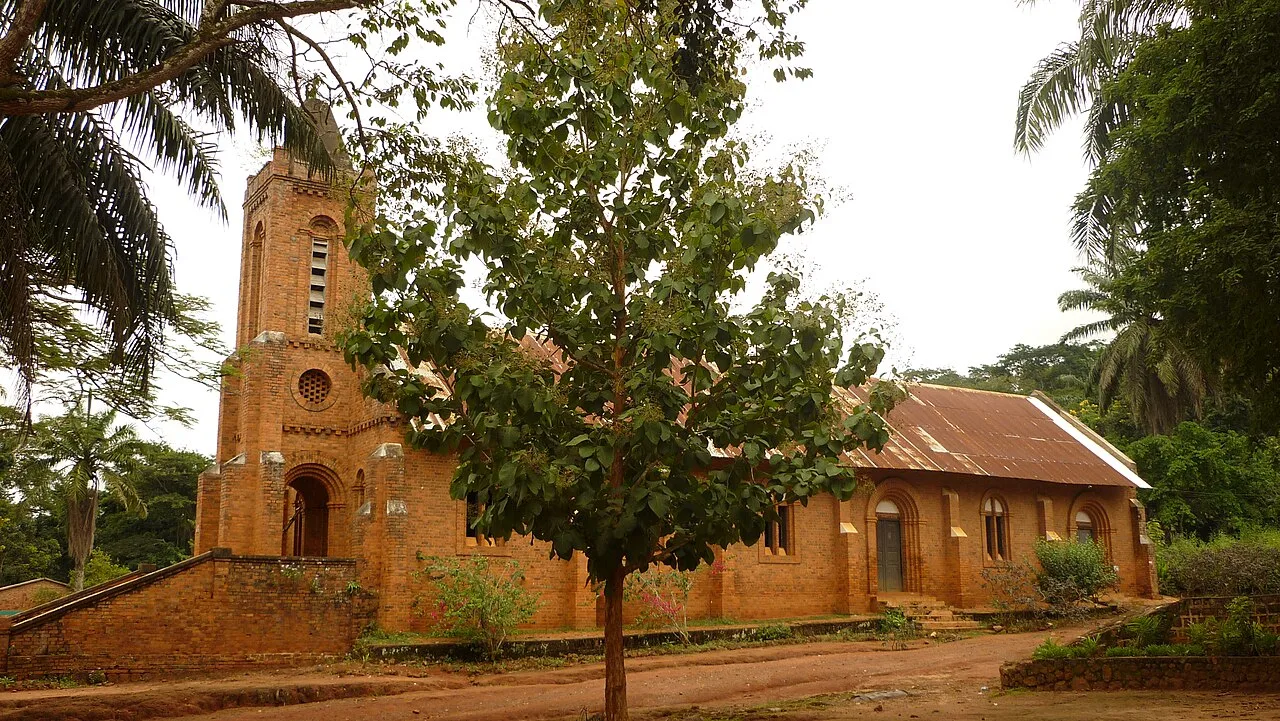
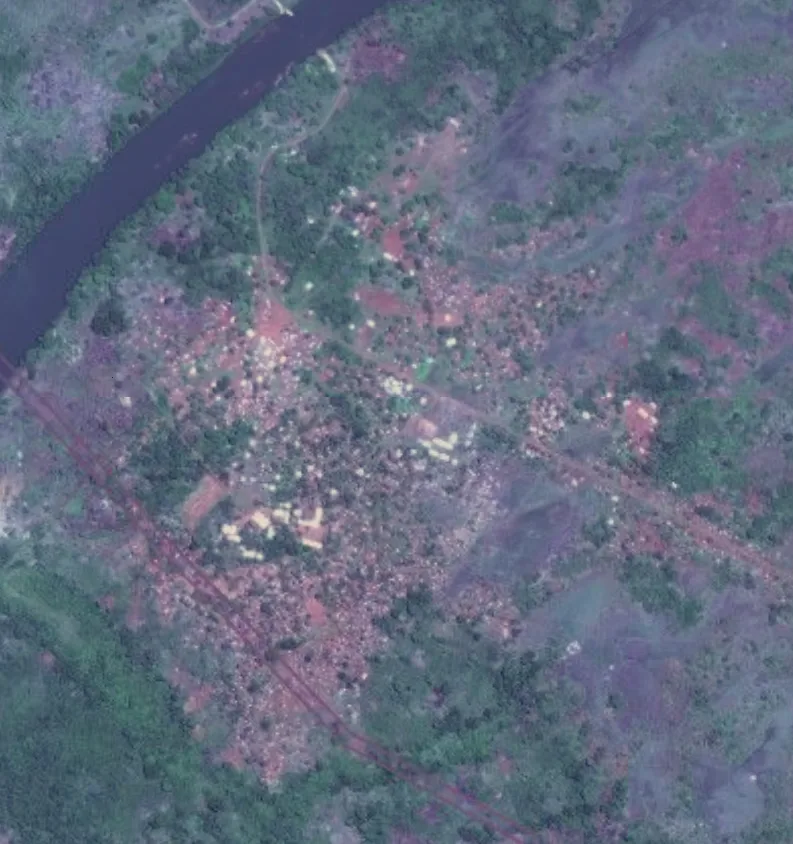
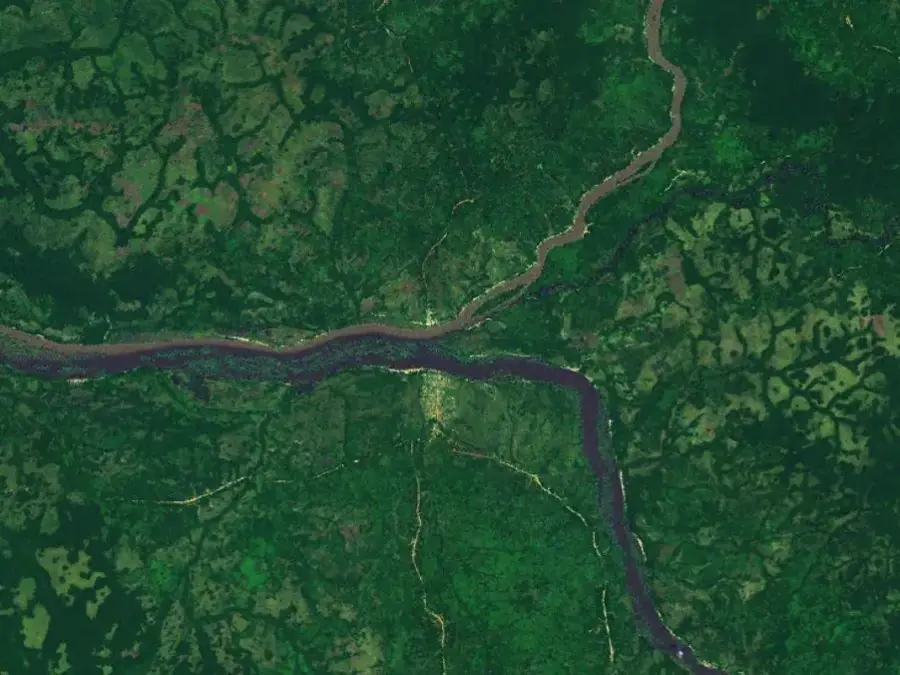
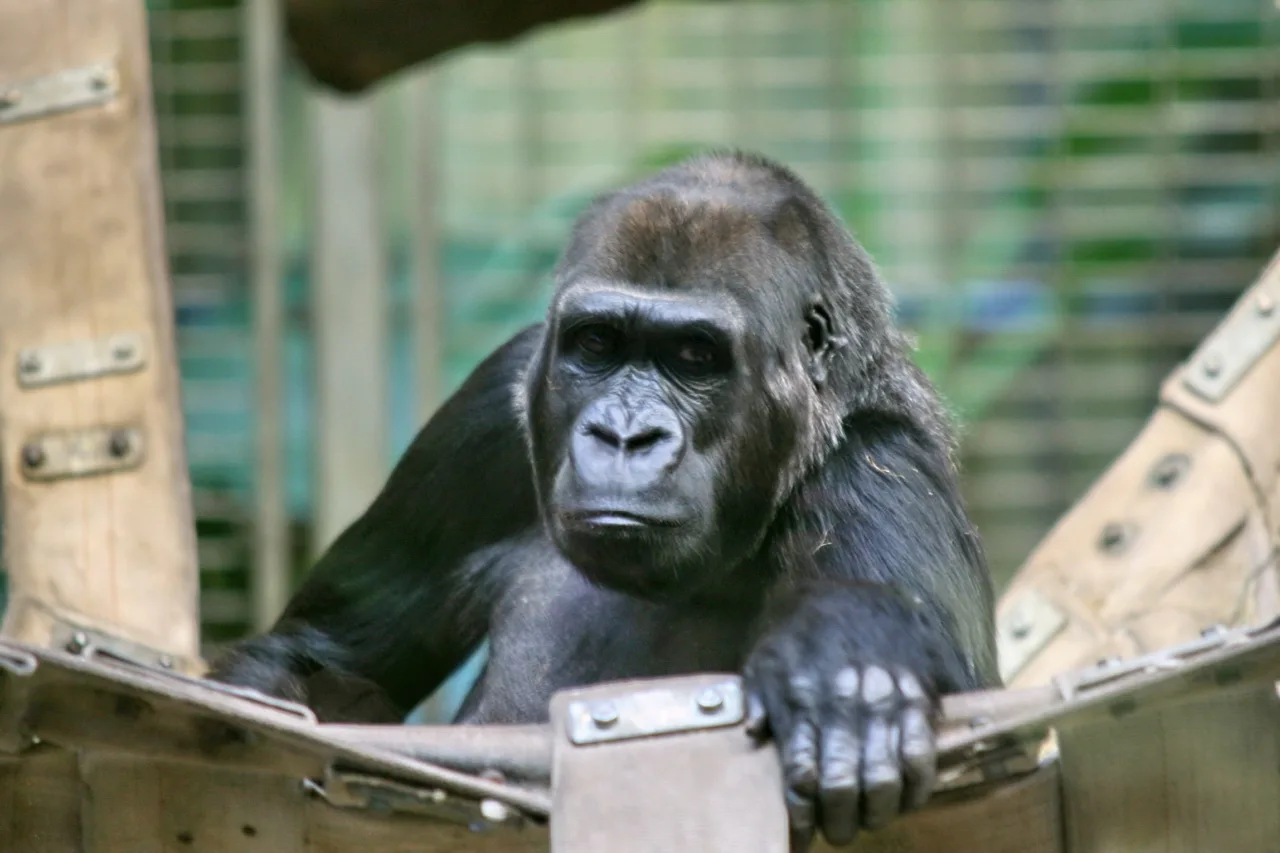
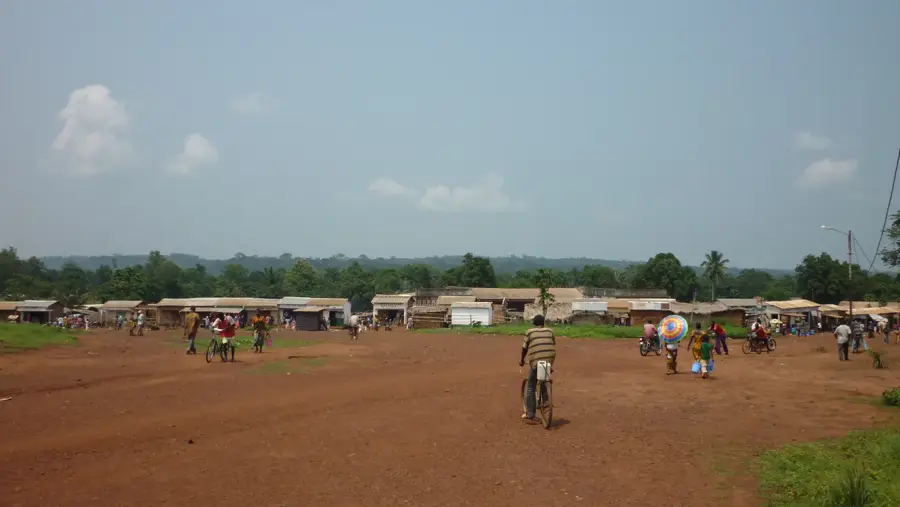
Rafaï is a town steeped in history located in the eastern Mbomou prefecture, situated on the northern banks of the Chinko River in southeastern Central African Republic. The town was once the seat of the powerful Sultanate of Rafaï, which in the late 19th century under Sultan Hetman was a significant regional power maintaining trade links as far as Sudan. The town's architecture still bears traces of its colonial and sultanic past, including the ruins of what was once a grand palace. Geographically, Rafaï serves as the gateway to the Chinko Project area, one of Central Africa's largest pristine wilderness reserves, known for its extraordinary diversity of large mammals. The local economy is primarily based on coffee, cassava, and peanut cultivation, as well as wild honey gathering from the surrounding forests. Due to its extreme distance from the capital, Bangui, the town is a vital supply center for the rural population in the far east. The ethnic composition is dominated by the Zande culture, whose traditions and social structures continue to shape community life today. In recent years, international conservation initiatives have helped bring Rafaï back into the focus of regional development and environmental protection.
Best time to visit & climate
The most pleasant time to visit is Jan, Nov, Dec.
| Jan | Feb | Mar | Apr | May | Jun | Jul | Aug | Sep | Oct | Nov | Dec | |
|---|---|---|---|---|---|---|---|---|---|---|---|---|
| Avg °C | 26 | 28 | 27 | 26 | 26 | 25 | 25 | 24 | 25 | 25 | 25 | 25 |
| Rain mm | 14 | 39 | 111 | 148 | 171 | 152 | 160 | 191 | 174 | 226 | 69 | 11 |
Geography
Facts
- Rafaï was a sovereign sultanate from 1875 to 1909.
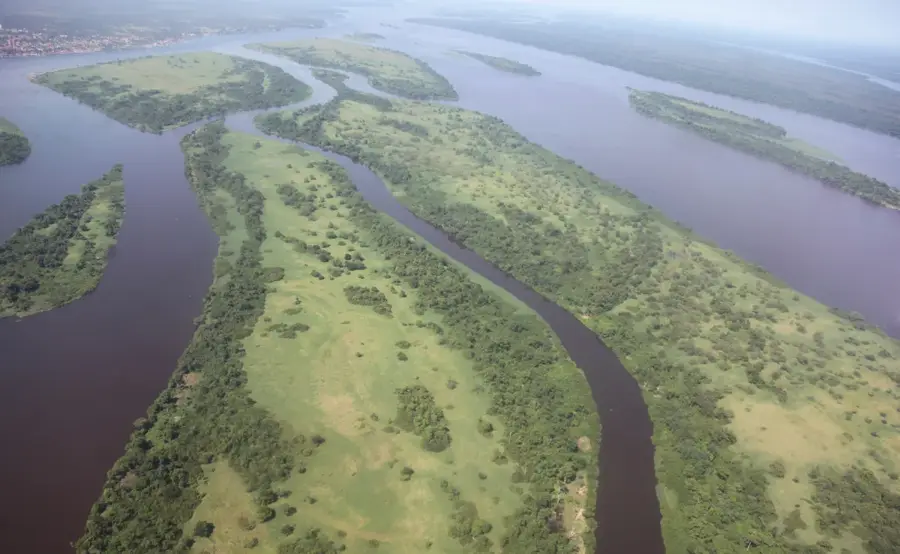
- The town sits on the banks of the Chinko, a tributary of the Mbomou.
- Sultan Hetman signed a protection treaty with France in 1892.
- Rafaï features an airstrip for light aircraft and aid flights.
- The nearby Chinko Reserve covers over 17,600 square kilometers.
- The Zande language is the dominant lingua franca in the region.
Explore nearby
Notable places around
Route planner — Car & Motorhome
Where do you start? We build the route here, with stops and country notes along the way.
© OpenStreetMap contributors · OpenRouteService
Frequently asked questions
What is the history of Rafaï?
Can you see the remains of the Sultan's palace?
Where exactly is Rafaï located?
Is there mobile signal there?
What is the main mode of transport?
Rafaï: where is it located?
Rafaï: when is the best time to visit?
Rafaï: why is it worth visiting?

Nearby cities
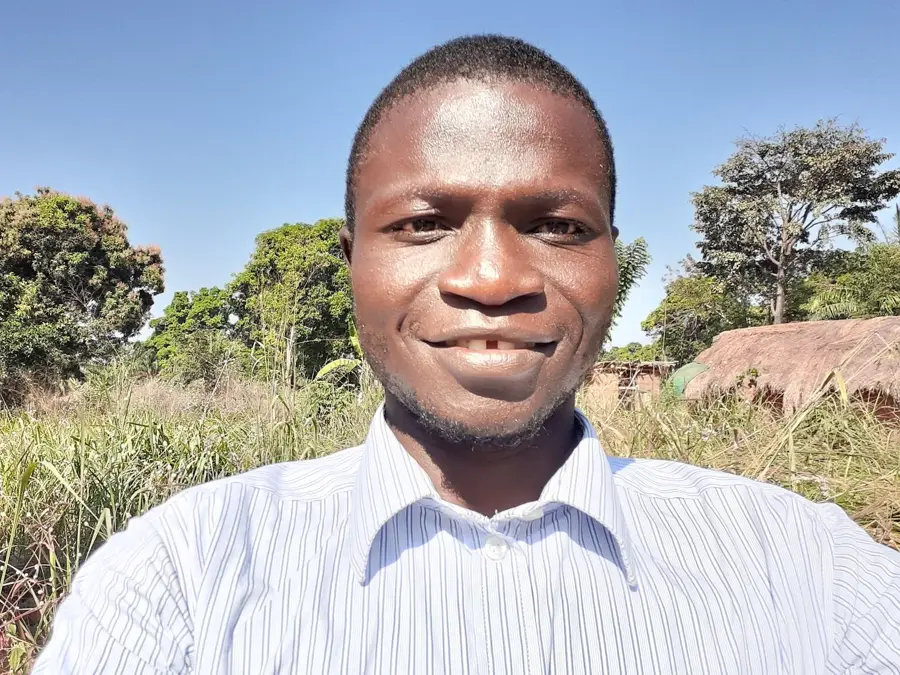
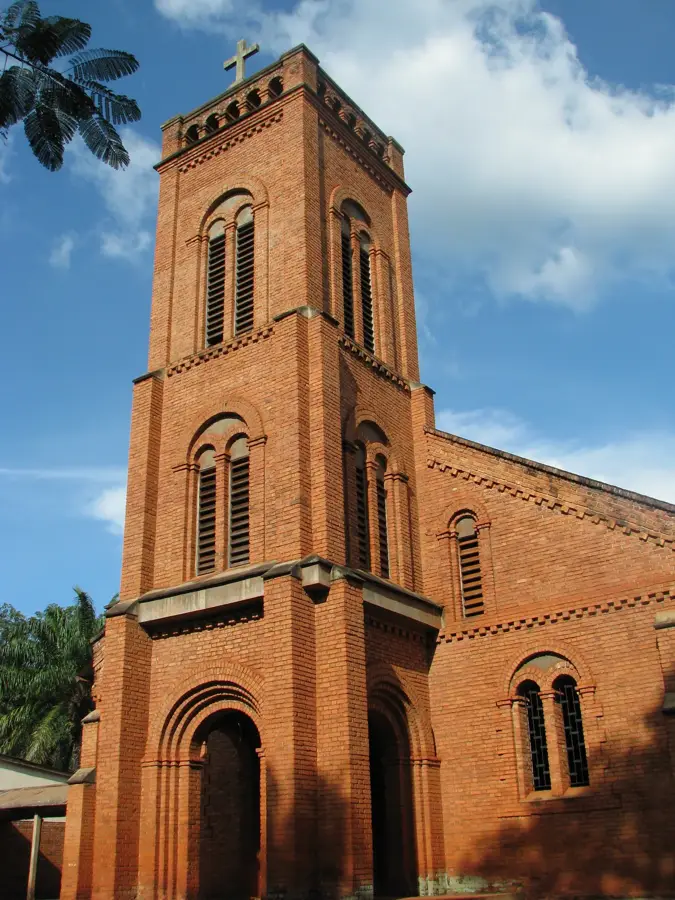
History & landmarks
Nature
More places