Plizio Visual Lab
Manovo-Gounda St. Floris National Park
Weather…
Water temperature…
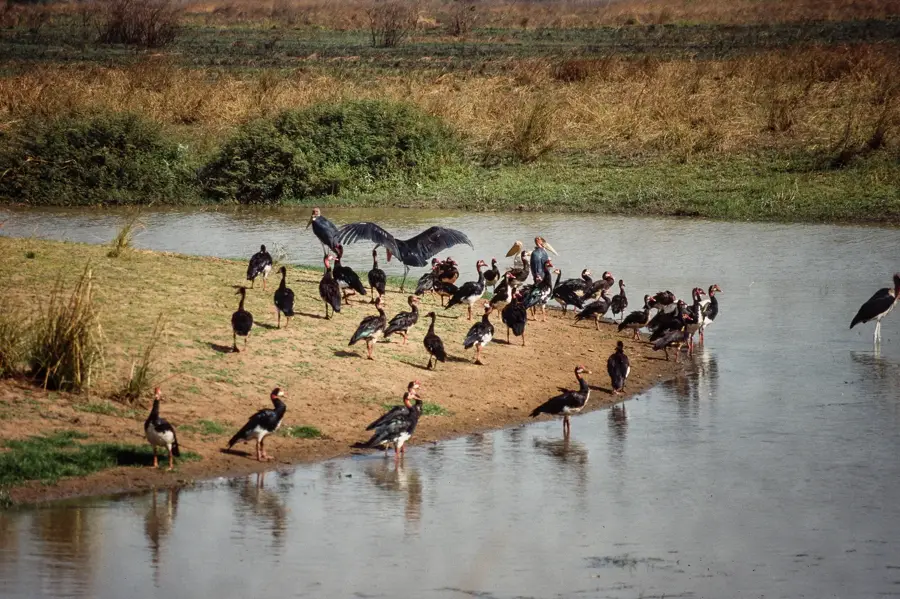
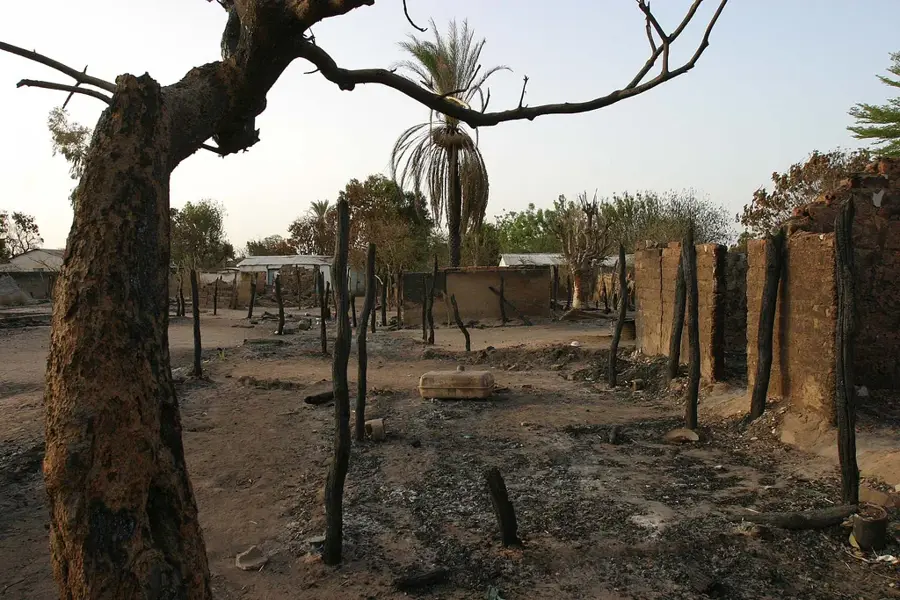
Manovo-Gounda St. Floris National Park covers over 1.7 million hectares and represents a major transition zone between East and West African savannas. Historically, the park was renowned for its significant populations of black rhinos, leopards, cheetahs, and wild dogs. The extensive floodplains in the northern sections also provide crucial habitat for countless waterbirds. Due to severe poaching and armed conflict in the surrounding regions, the park has been inscribed on the UNESCO List of World Heritage in Danger since 1997. The security situation remains volatile, making conventional tourism virtually impossible. There is no standing tourist infrastructure, and any travel to the area requires complex permits, heavy security escorts, and thorough expeditionary planning. The climate features a distinct long dry season and an intense rainy season occurring from June to October.
📋 Practical info
Geography
Facts
- Spans 1.7 million hectares
- UNESCO World Heritage since 1988
- On the danger list since 1997
- Known for savanna landscapes
- Important northern floodplains
- Suffers from heavy poaching
- Floral transition zone
- Lacks tourist infrastructure
Explore nearby
Notable places around




Route planner — Car & Motorhome
Where do you start? We build the route here, with stops and country notes along the way.
© OpenStreetMap contributors · OpenRouteService
Sights nearby
Frequently asked questions
Manovo-Gounda St. Floris National Park: where is it located?

Nearby cities

Nature


More places