
Plizio Visual Lab

Maritsa Wetlands

Plizio editorial teamData Sources
River
—°10
Maritsa Wetlands (Bulgaria)

Weather…

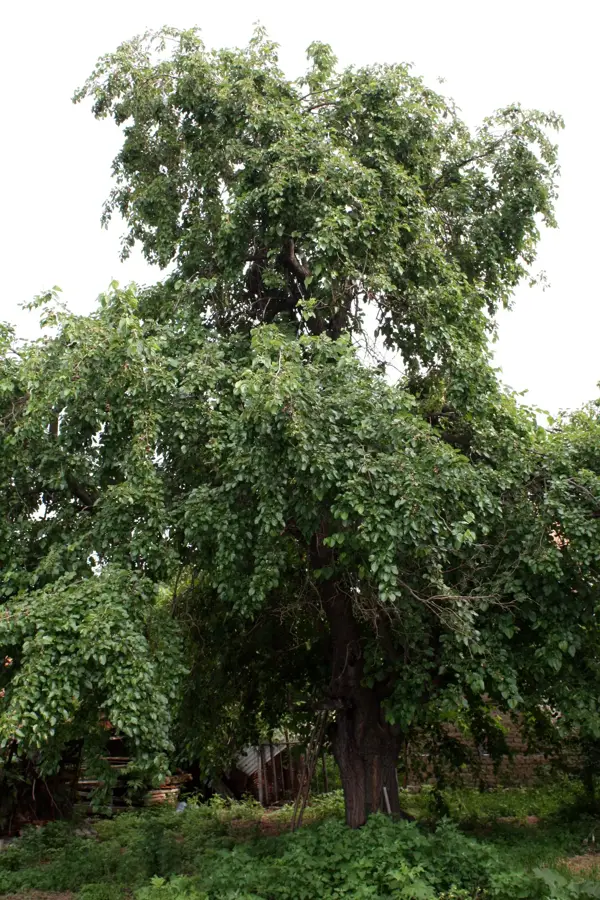
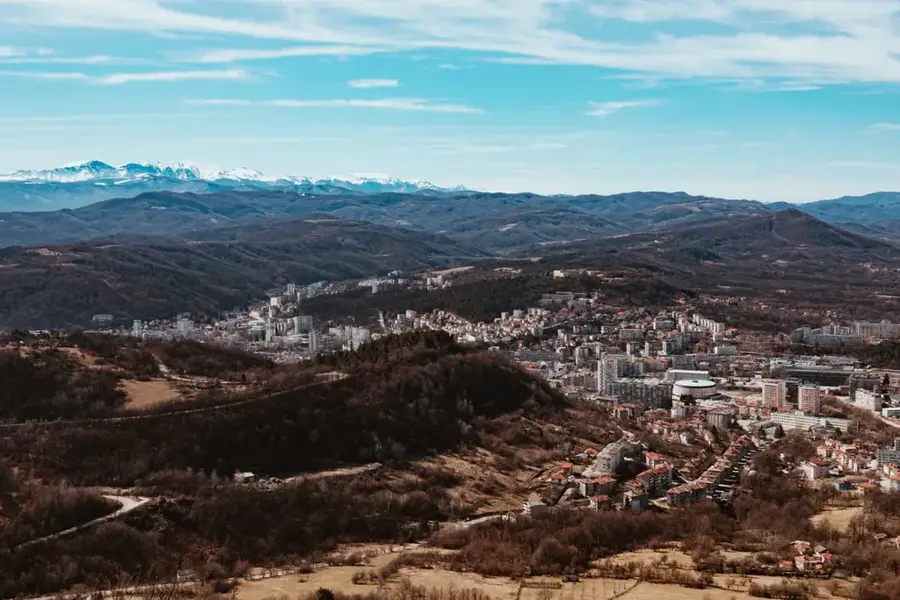
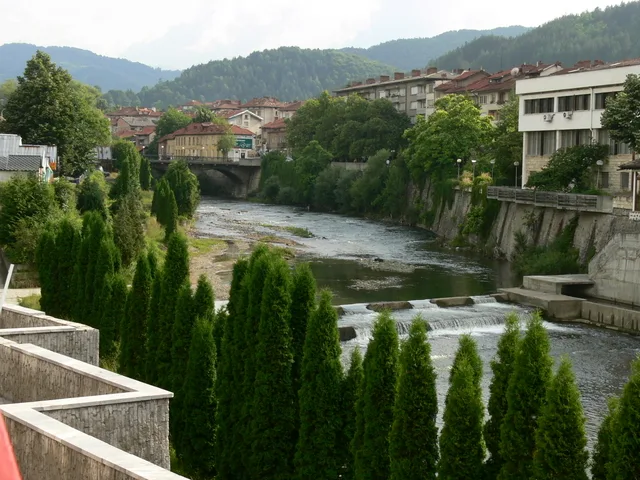
The wetlands along the Maritsa River represent one of the most important ecological networks in southern Bulgaria. The river, originating in the Rila Mountains, flows through the Upper Thracian Plain, creating extensive riparian forests, oxbow lakes, and reed beds along its banks. These wetlands are of critical importance for birdlife, as they lie directly on the 'Via Aristotelis' migration route. Over 250 bird species use the area for nesting, wintering, or as a stopover during migration. Particularly valuable are the populations of pygmy cormorants, black-crowned night herons, and the rare eastern imperial eagle. The vegetation is dominated by willow and poplar forests, which are regularly flooded, maintaining a dynamic ecosystem. Despite intensive agricultural use in the surroundings, the protected sections of the Maritsa floodplains provide an indispensable sanctuary for local biodiversity. Environmental projects here focus on restoring river branches and protecting fish stocks, which form the basis of the food chain.

Best time to visit & climate

The most pleasant time to visit is Jun, Aug, Sep.

JanFebMarAprMayJunJulAugSepOctNovDec
Avg °C1371117212424191382
Rain mm604856476771563550564965

📋 Practical info

🧭
Getting there
Accessing these important floodplain areas usually requires departing from the main highways and taking narrower local roads that run closer to the riverbanks. Localities near prominent bends or oxbows of the Maritsa are typical starting points for exploration.
📅
Best season
Early spring and late autumn are highly recommended to coincide with major bird migration periods, offering prime observation opportunities. Summer is characterized by dense vegetation and a high presence of mosquitoes, which can make visits less comfortable.
⛰️
Terrain & paths
The terrain is fundamentally flat, low-lying, and frequently waterlogged. Visitors will encounter a mix of damp meadows, marshy patches, and thick riparian brush. Paths are largely informal, soft, and can be quite muddy after recent rains or seasonal flooding.
🎒
What to bring
Sturdy, waterproof boots or wellingtons are arguably the most important piece of gear. Because of the wet environment, strong insect repellent is indispensable. Birdwatchers should definitely bring a quality pair of binoculars or a spotting scope.
🅿️
Parking
Dedicated tourist parking is virtually non-existent. Visitors generally have to find safe, informal spots to pull off along quiet agricultural roads or within the nearest rural hamlets, ensuring they do not block access to private farming land or dirt tracks.
⚠️
Safety
The chief risks involve navigating treacherous, muddy ground and the potential for getting lost in the dense, uniform reed beds if one wanders off established rural tracks. Always maintain awareness of your orientation and avoid disturbing the migratory birds.
⏱️
Time needed
A focused excursion, perhaps targeted specifically at observing a flock of resting migratory birds, generally takes two to three hours. Serious naturalists or photographers might easily spend a quiet half day moving slowly between different vantage points.

Geography

Coordinates
42.15000, 24.75000

Facts

  • The Maritsa is the most voluminous river in the Balkans, totaling 480 km.
  • Situated on the 'Via Aristotelis,' a major migratory path for birds.
  • Over 250 distinct bird species have been recorded in the river's wetlands.
  • Provides a vital habitat for the globally threatened pygmy cormorant.
  • Includes protected sites such as 'Zlato Pole' near the city of Dimitrovgrad.
  • Riparian forests primarily feature white willows and black poplars.

Explore nearby

Notable places around

Route planner — Car & Motorhome

Where do you start? We build the route here, with stops and country notes along the way.

Vehicle
Only stops with (optional):

© OpenStreetMap contributors · OpenRouteService

Sights in the town Maritsa Wetlands (10)

Krikor Mesrobovich house🏛 museum

Museum in Plovdiv with a permanent exhibition of Mexican art and works by Zanko Lavrenov (1896-1978).

🕒 Mo-Fr 09:30-18:00; Sa 10:00-18:00

Hindliyan house🏛 museum

Museum in Plovdiv, built in 1848 in symmetrical style. Contains the only preserved bath with running hot and cold water.

🕒 Apr-Oct: Tu-Su 09:30-12:30,13:00-18:00; Nov-Mar: Tu-Su 09:00💶

Kapana

Neighborhood in Plovdiv with narrow streets, craft workshops, galleries and restaurants. Former trading center.

Balabanov house🏛 museum

Museum in Plovdiv, a Revival-period house with a symmetrical floor plan on the second floor.

Encho Pironkov Exhibition

Gallery in Plovdiv with a permanent exhibition of 45 paintings by Encho Pironkov, a representative of the Plovdiv painting school from the 1960s.

🕒 Mo-Fr 09:30-18:00; Sa 10:00-18:00💶

Surp Kevork

Armenian Apostolic church in Plovdiv. The building dates from 1828. Contains Kütahya faience (18th, 19th c.) and cladding found only in Jerusalem and Plovdiv.

Anastas

Gallery in Plovdiv with temporary art exhibitions.

Lapidarium

Archaeological site in Plovdiv with a collection of stone inscriptions and sculptures from antiquity.

Philippopolis Art Gallery - Museum

Gallery, museum, restaurant and garden in a restored house in Plovdiv.

Nebet Tepe

Archaeological site in Plovdiv. Remains of fortress walls and towers, first prehistoric settlement from the Chalcolithic (4th, 3rd millennium BC). Free entry.

Sights nearby

Frequently asked questions

Is fishing allowed in the wetlands?
Only in designated zones and with a valid fishing license outside protected areas.
Which animal species live here?
Particularly many herons, ducks, and cormorants, as well as various amphibian species.
Are there problems with mosquitoes?
In the summer months, strong insect repellent is necessary due to the stagnant waters.
Are the areas near Plovdiv accessible?
Parts of the riverbank areas near Plovdiv are developed for walks and nature observation.
What is the ecological state?
There are renaturation efforts to preserve the biodiversity of the Maritsa floodplains.
Maritsa Wetlands: where is it located?
Maritsa Wetlands is located in Bulgaria.
Maritsa Wetlands: what is there to see?
Highlights include Krikor Mesrobovich house, Hindliyan house, Kapana.
Maritsa Wetlands: when is the best time to visit?
The most pleasant time to visit is Jun, Aug, Sep.
Maritsa Wetlands: why is it worth visiting?
The wetlands along the Maritsa River represent one of the most important ecological networks in southern Bulgaria.
View on map → The Top 50 Attractions → OpenStreetMap →
Europe
Explore with Plizio Discover more places in Europe
More places in Bulgaria →

Nearby cities

History & landmarks