Plizio Visual Lab

Serranía de Santiago
Plizio editorial teamData Sources
Relief
—°7
Serranía de Santiago (Bolivia)

Weather…

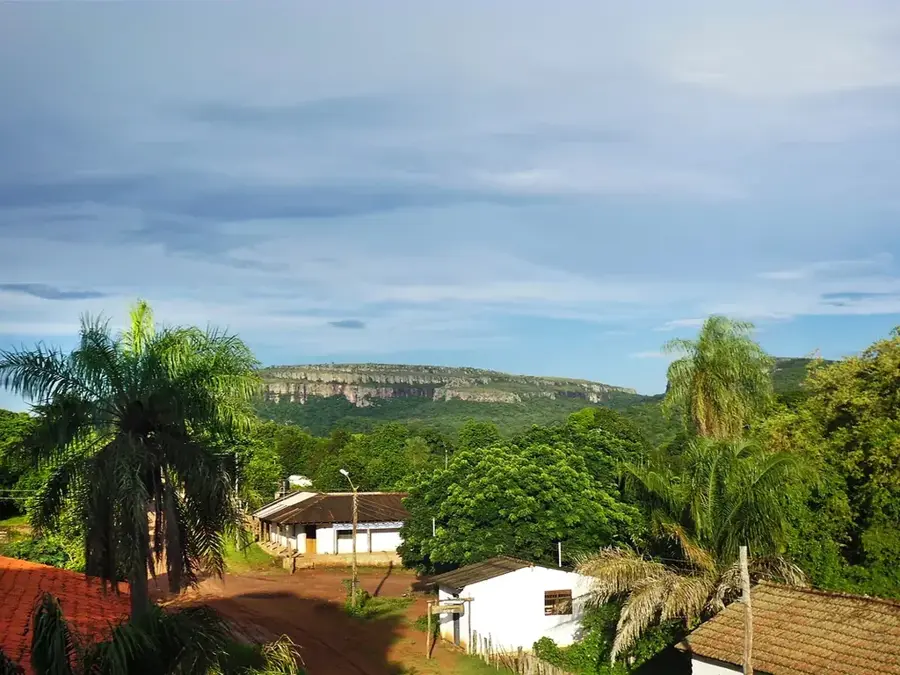
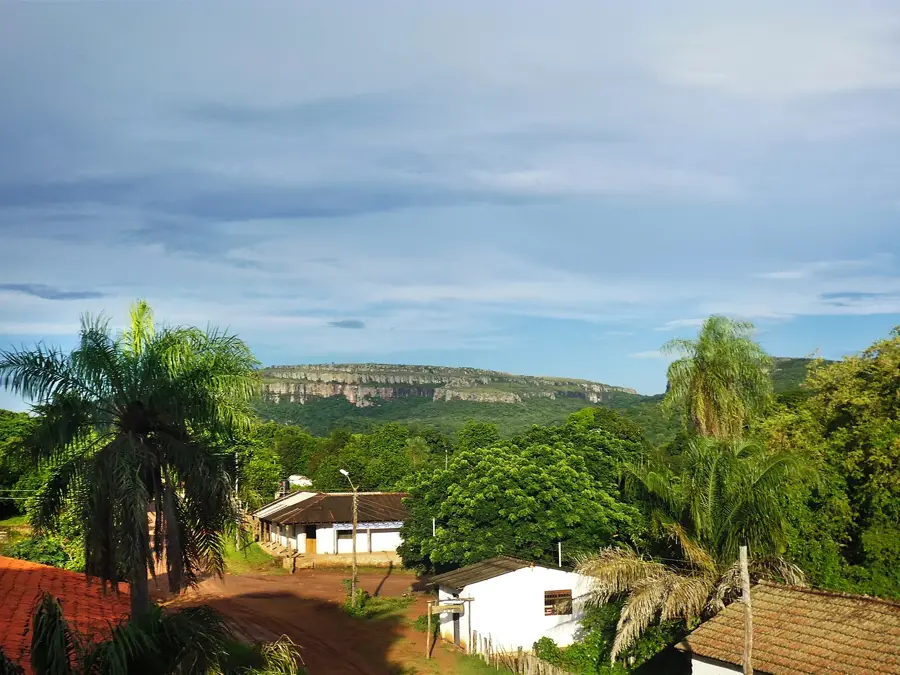
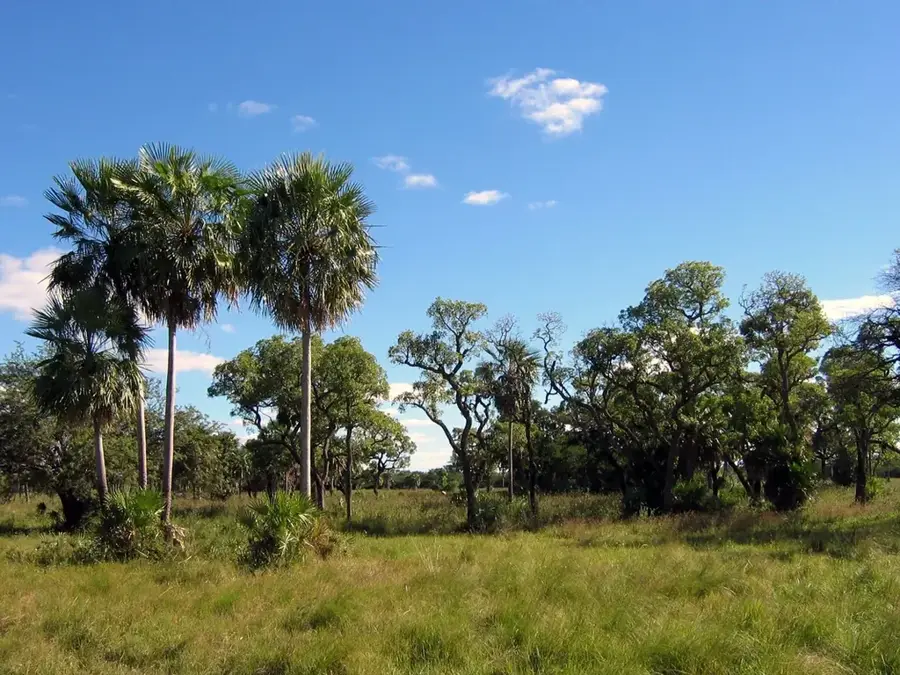
Serranía de Santiago is a striking mountain range located in eastern Bolivia, specifically within the Chiquitanía region of the Santa Cruz Department. Composed primarily of ancient sandstone, the range is famous for its unique rock formations, deep gorges, and the surrounding Chiquitano dry forest, one of the best-preserved of its kind. This area is of significant ecological importance as it serves as a critical transition zone between the humid Amazon rainforest and the semi-arid Gran Chaco plains. The mountains are also a site of great archaeological interest, containing numerous prehistoric rock paintings that provide a window into the spiritual lives of ancient indigenous inhabitants. Located near the town of Roboré, the range features natural thermal springs and dramatic waterfalls like the Chorretón. The biodiversity of the Serranía is vast, hosting many endemic plant species and providing a habitat for elusive predators like the jaguar and a variety of colorful macaws. Today, Serranía de Santiago is increasingly recognized as a prime destination for ecotourism and conservation efforts aimed at preserving its unique natural and cultural heritage.

Best time to visit & climate

The most pleasant time to visit is Jun–Aug.

JanFebMarAprMayJunJulAugSepOctNovDec
Avg °C282828262323232528302929
Rain mm14212711489782721183883112143

📋 Practical info

🧭
Getting there
Access is generally straightforward via established rural roads leading into the Tucabaca Valley Reserve, with the main trailheads clearly marked from the nearest gateway town.
📅
Best season
The dry, slightly cooler months from April to October provide the most comfortable weather for hiking to the viewpoints, avoiding the sweltering heat and rains of the summer.
⛰️
Terrain & paths
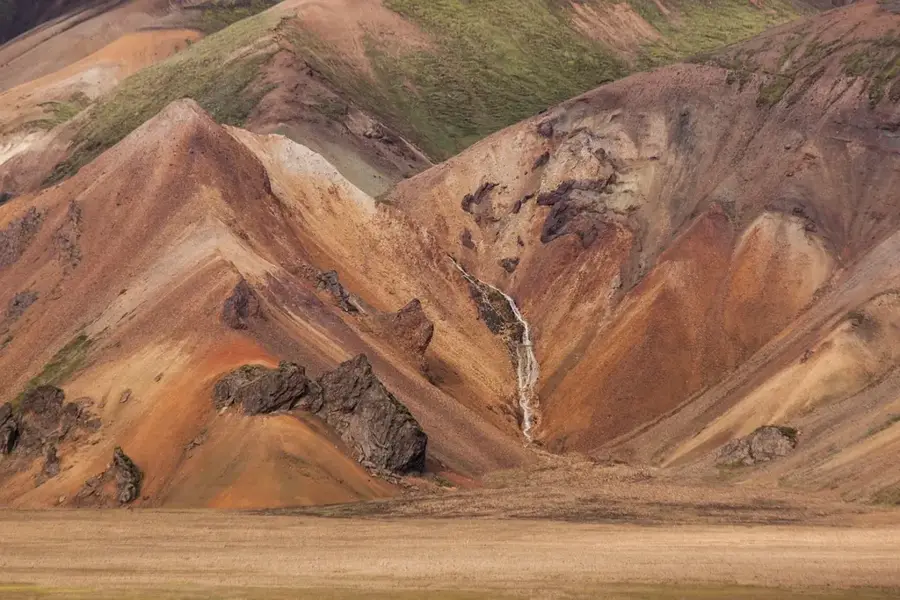
Trails typically ascend through distinctive scrub and forest before opening up onto striking red rock formations and precipitous cliffs that offer truly spectacular valley views.
🎒
What to bring
Good traction footwear for the rocky ascents, a wide-brimmed sun hat, high-SPF sunscreen, and a camera to capture the dramatic red geological formations are highly recommended.
🅿️
Parking
Visitors generally park in the central plaza or designated lots of the nearby town, using established local transport or walking the short distance directly to the park entrance.
⚠️
Safety
The red rock cliff edges are notoriously completely unfenced and incredibly sheer; maintain a very safe distance from the drops, especially on windy days or when taking photographs.
⏱️
Time needed
A comprehensive hike to the main panoramic viewpoints and back generally takes between 3 and 5 hours, making it an excellent, highly rewarding half-day outdoor excursion.

Geography

Coordinates
-18.30000, -59.60000

Facts

  • The range is located in the Santa Cruz Department of eastern Bolivia.
  • It serves as a transition zone between the Amazon and Gran Chaco.
  • The mountains are primarily composed of sandstone rock formations.
  • The area contains significant prehistoric rock art and paintings.
  • The town of Roboré is the primary access point for the region.
  • It protects the unique and endangered Chiquitano dry forest ecosystem.

Explore nearby

Notable places around
Route planner — Car & Motorhome

Where do you start? We build the route here, with stops and country notes along the way.

Vehicle
Only stops with (optional):

© OpenStreetMap contributors · OpenRouteService

Sights in the town Serranía de Santiago (7)

Segundo mirador🌿 nature

This second designated viewpoint gives sweeping panoramas over the surrounding mountainous relief of the Serranía.

Cuarto mirador y formaciones de piedra🌿 nature

This fourth vantage point is distinguished by its fascinating natural stone formations overlooking the landscape.

La punta📍 landmark

A striking scenic peak attraction that provides a prominent elevated viewpoint within the rugged terrain.

Cuevas de Miserendino📍 landmark

These natural rock caves serve as an adventurous geological attraction in the region.

Pinturas rupestres Juan Miserendino🏺 historical

This archaeological site protects ancient rock paintings left by indigenous groups on the cave walls.

Las Cachuelas I📍 landmark

A natural attraction characterized by rocky river rapids that create small, scenic waterfalls.

Primer mirador🌿 nature

This initial scenic overlook is the first designated viewpoint along the rugged mountain route.

Sights nearby

Frequently asked questions

What is special about this Serranía?
Rock formations like 'Chochís' and sacred sites of local culture.
Are the hiking trails tiring?
Moderate; there are many panoramic paths that are not too steep.
Are there water sources for hikers?
In the villages yes, on the mountain you should carry your own water.
How is the access?
By train or bus from Santa Cruz to Roboré, then further by taxi.
When is the best time to travel?
May to September is well-suited due to clear skies and milder temperatures.
Serranía de Santiago: where is it located?
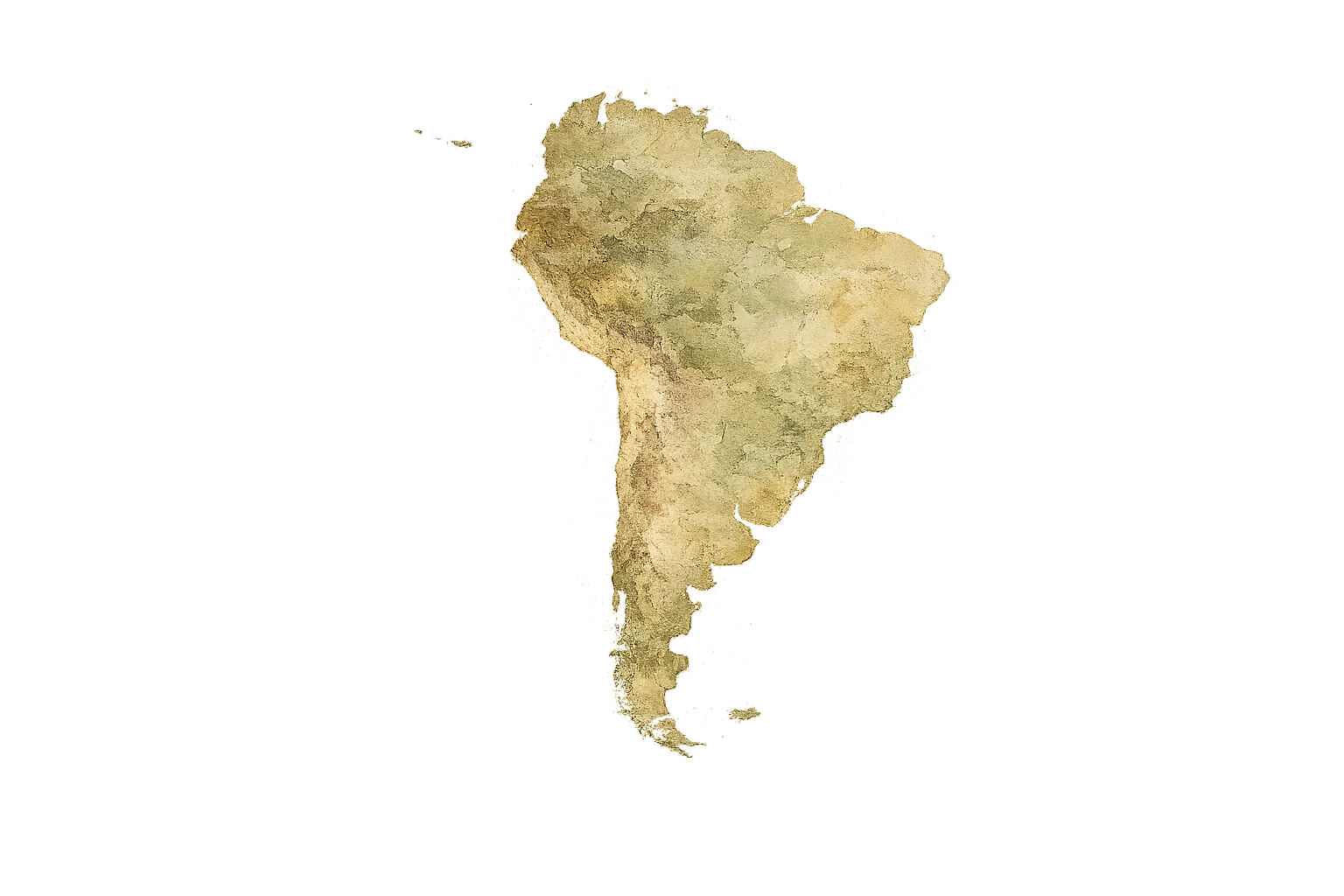
Serranía de Santiago is located in Bolivia.
Serranía de Santiago: what is there to see?
Highlights include Segundo mirador, Cuarto mirador y formaciones de piedra, La punta.
Serranía de Santiago: when is the best time to visit?
The most pleasant time to visit is Jun, Aug.
Serranía de Santiago: why is it worth visiting?
Serranía de Santiago is a striking mountain range located in eastern Bolivia, specifically within the Chiquitanía region of the Santa Cruz Department.
View on map → The Top 50 Attractions → OpenStreetMap →
South America
Explore with Plizio Discover more places in South America
More places in Bolivia →

History & landmarks

Nature

More places