Plizio Visual Lab
Bennett Monolith
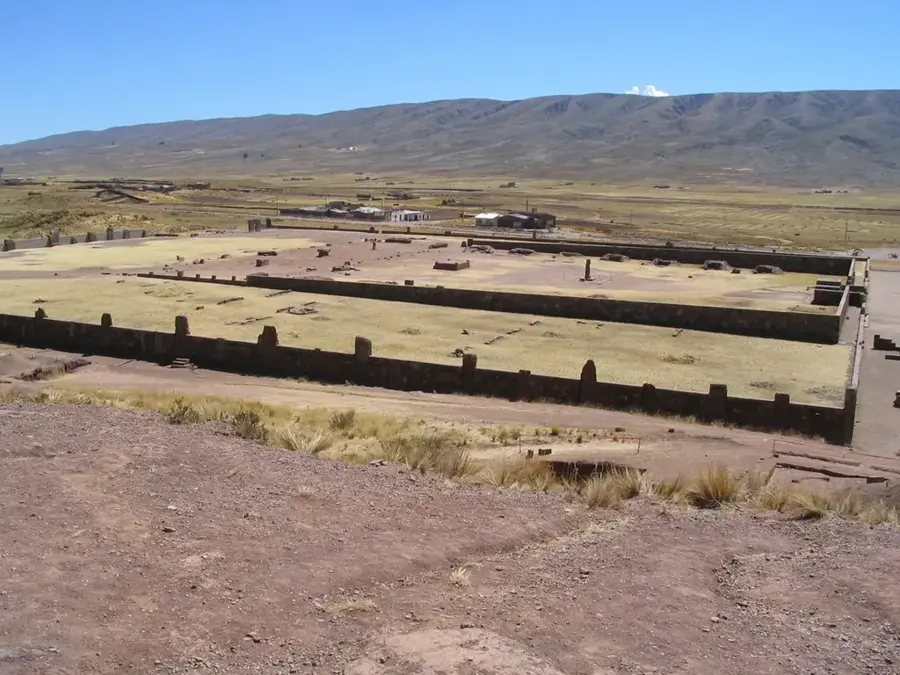
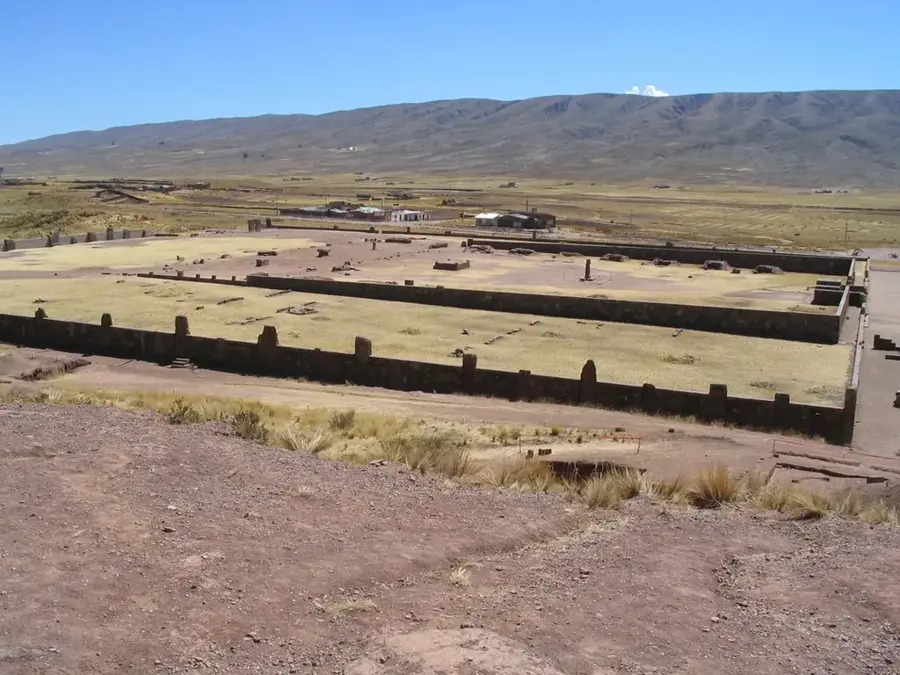
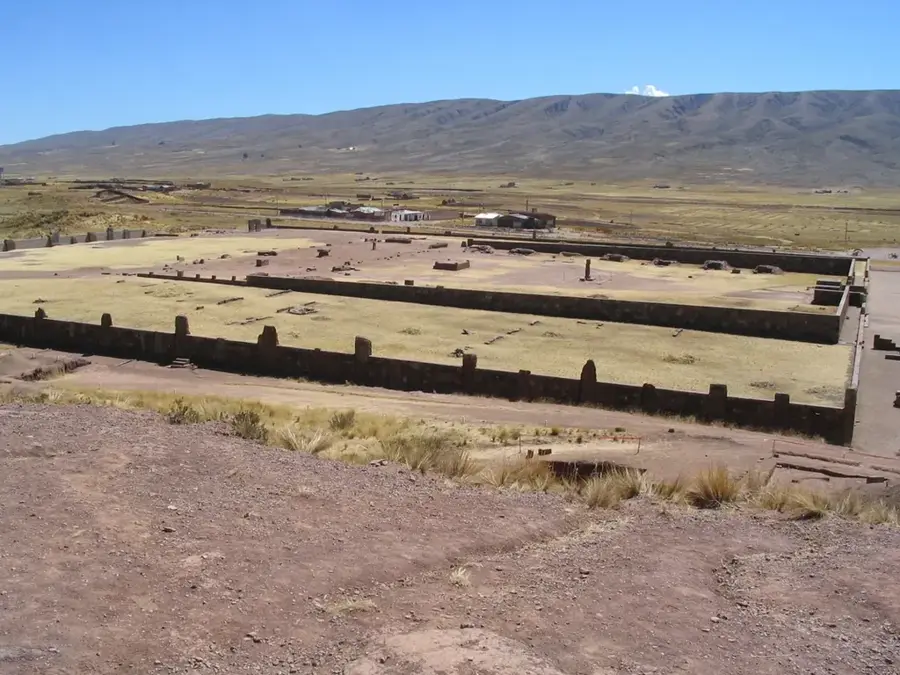
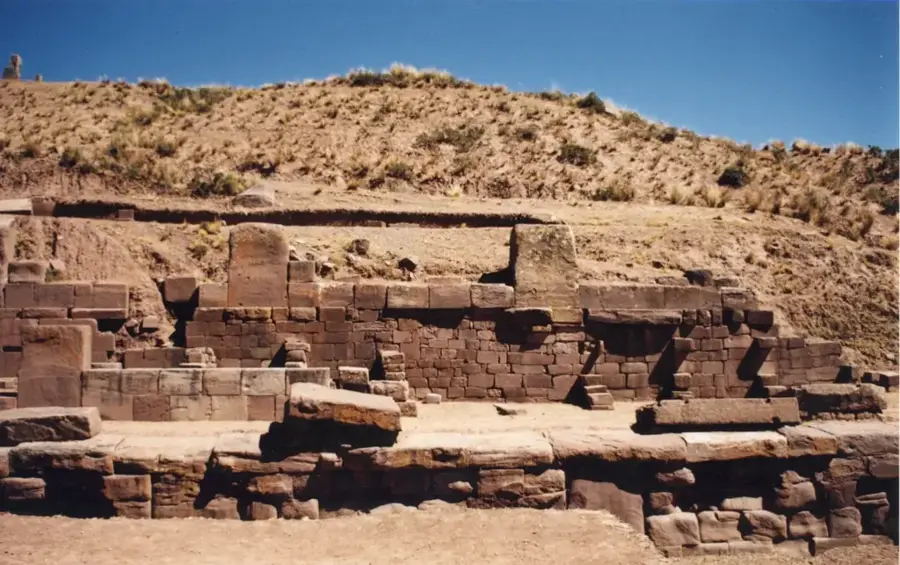
The Bennett Monolith, also known as the 'Pachamama Monolith,' is the largest stone statue ever discovered in the ancient city of Tiwanaku, Bolivia. It was unearthed in 1932 by archaeologist Wendell Bennett inside the Semi-Subterranean Temple. Standing over seven meters tall, it was carved from a single massive block of red sandstone. The monolith's surface is almost entirely covered in intricate carvings depicting anthropomorphic beings, llamas, and various botanical motifs, highlighting themes of fertility and agriculture. The figure is shown holding symbolic objects, likely a kero (ritual cup) and a snuff tablet, used in shamanic religious ceremonies. In the 1930s, the statue was moved to La Paz for public display, but urban pollution and exposure led to significant weathering. In 2002, the monolith was finally returned to Tiwanaku and housed in a modern museum to ensure its long-term preservation from environmental factors.
- Location: Bolivia
- Top sights: Monolito Barbado · Templo Semisubterráneo · Monolito Ponce
Best time to visit & climate
The most pleasant time to visit is Sep–Nov.
| Jan | Feb | Mar | Apr | May | Jun | Jul | Aug | Sep | Oct | Nov | Dec | |
|---|---|---|---|---|---|---|---|---|---|---|---|---|
| Avg °C | 9 | 9 | 9 | 8 | 7 | 6 | 5 | 6 | 7 | 9 | 10 | 9 |
| Rain mm | 135 | 114 | 80 | 36 | 15 | 10 | 17 | 23 | 24 | 48 | 45 | 105 |
📋 Practical info
Geography
Facts
- The statue has a total height of approximately 7.30 meters.
- The estimated weight of the monolith is about 20 tons.
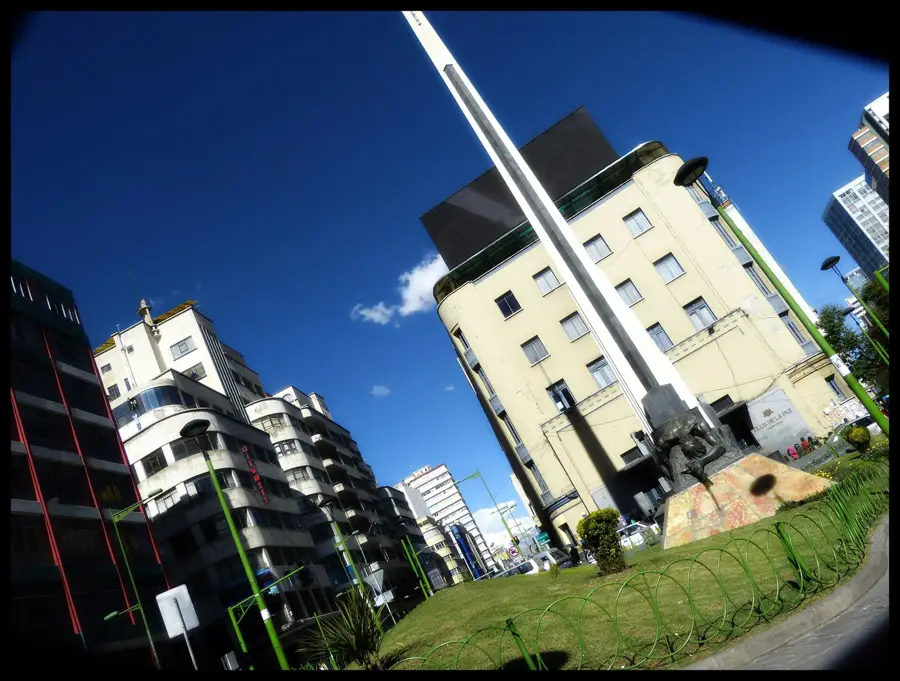
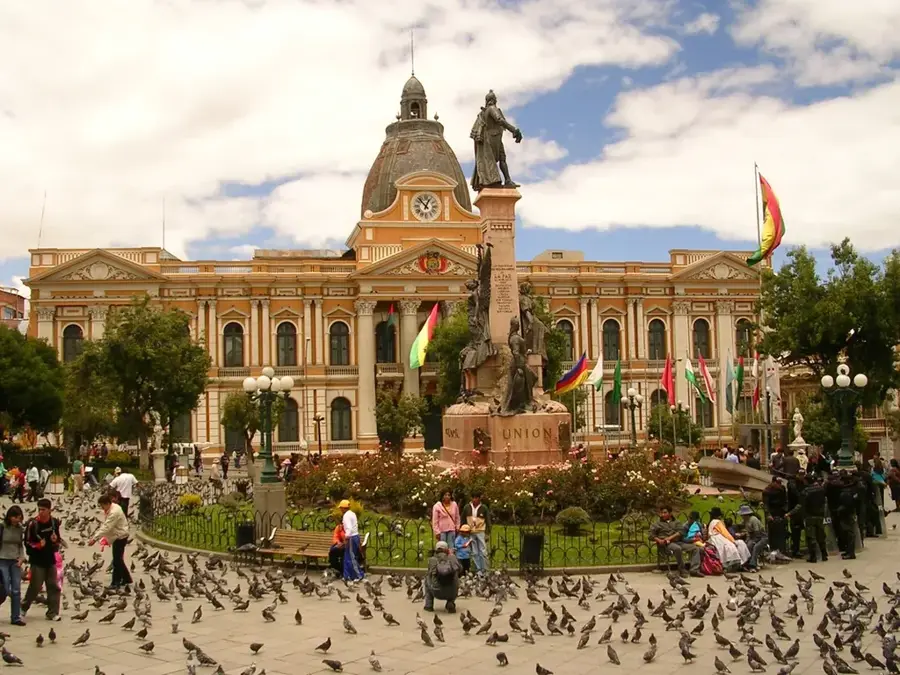
- It stood for several decades on the Prado Boulevard in downtown La Paz.
- The detailed engravings feature more than 30 distinct figures.
- The monolith is believed to date from the late Tiwanaku period (c. 800 AD).
- Its return to Tiwanaku in 2002 was celebrated as a major cultural event.
Explore nearby
Notable places around
Route planner — Car & Motorhome
Where do you start? We build the route here, with stops and country notes along the way.
© OpenStreetMap contributors · OpenRouteService
Sights in the town Bennett Monolith (10)
Sun Gate
Megalithic solid stone arch or gateway constructed by the ancient Tiwanaku culture of Peru and Bolivia.
Estela Fraile
Monumental stela in Tiwanaku. Probably depicts a human figure.
Putuni
Archaeological site in Tiwanaku. Thought to have been a ceremonial area.
Mullukuntu
Ruins in Tiwanaku. Exact use is unknown.
Museo Cerámico🏛 museum
Museum in Tiwanaku with ceramic finds from the region.
Museo Lítico🏛 museum
Museum in Tiwanaku displaying stone objects of the Tiwanaku culture.
Sights nearby
Frequently asked questions
Where can you see the Bennett Monolith?
How large is the monolith?
What is depicted on the statue?
Who discovered the monolith?
Is photography allowed in the museum?
Bennett Monolith: where is it located?
Bennett Monolith: what is there to see?
Bennett Monolith: when is the best time to visit?
Bennett Monolith: why is it worth visiting?
History & landmarks
Nature
More places