Plizio Visual Lab

Gobustan Desert
Plizio editorial teamData Sources
desert
—°6
Gobustan Desert (Azerbaijan)

Weather…

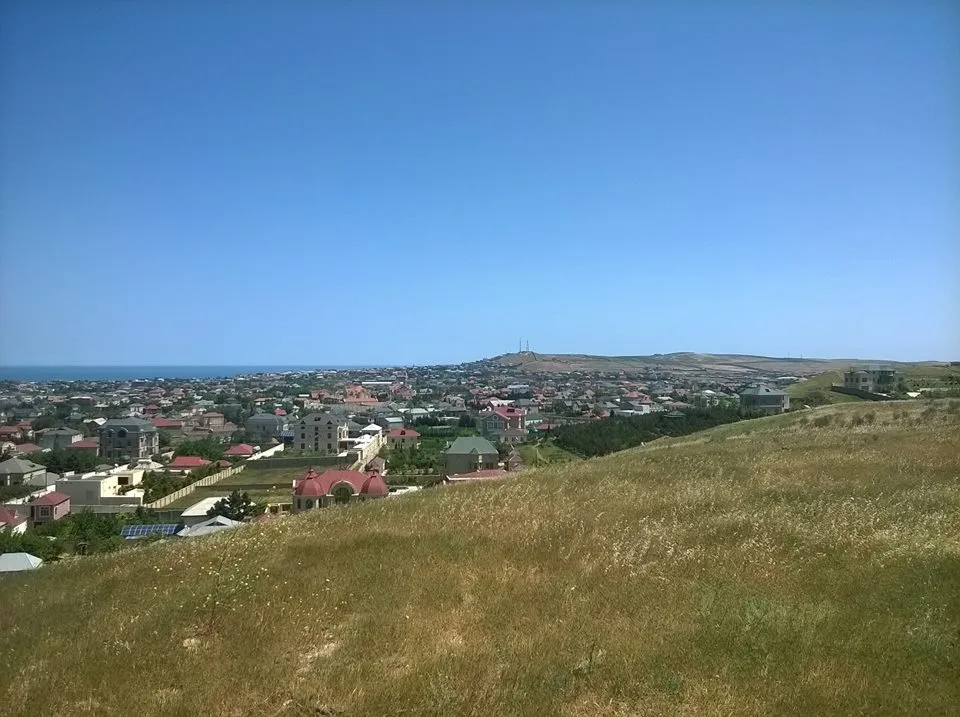
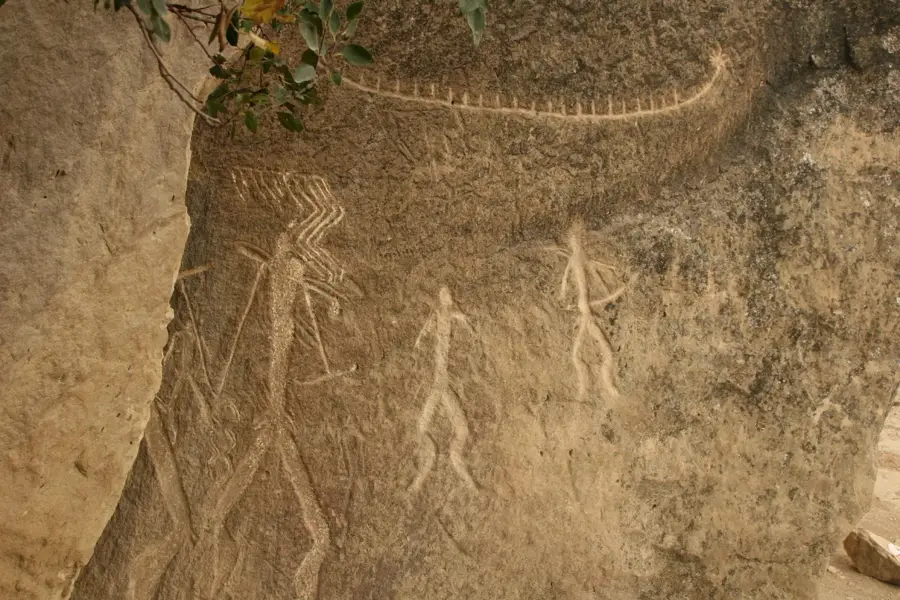
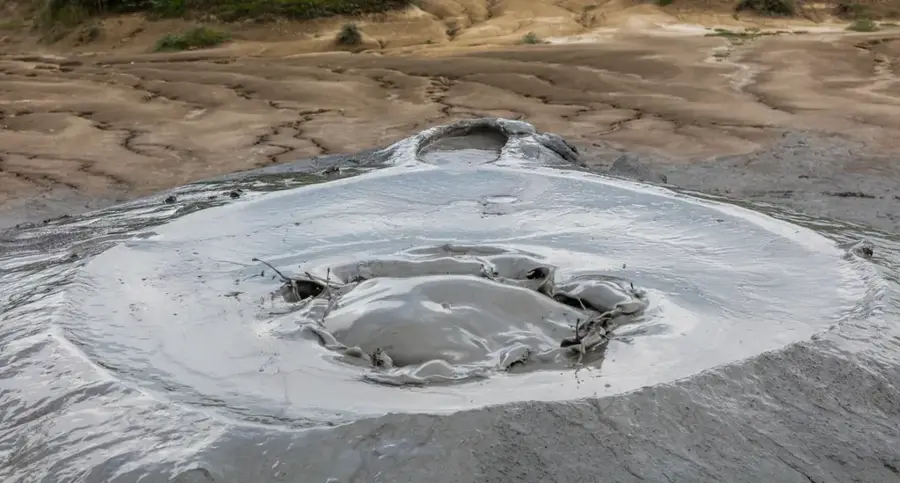
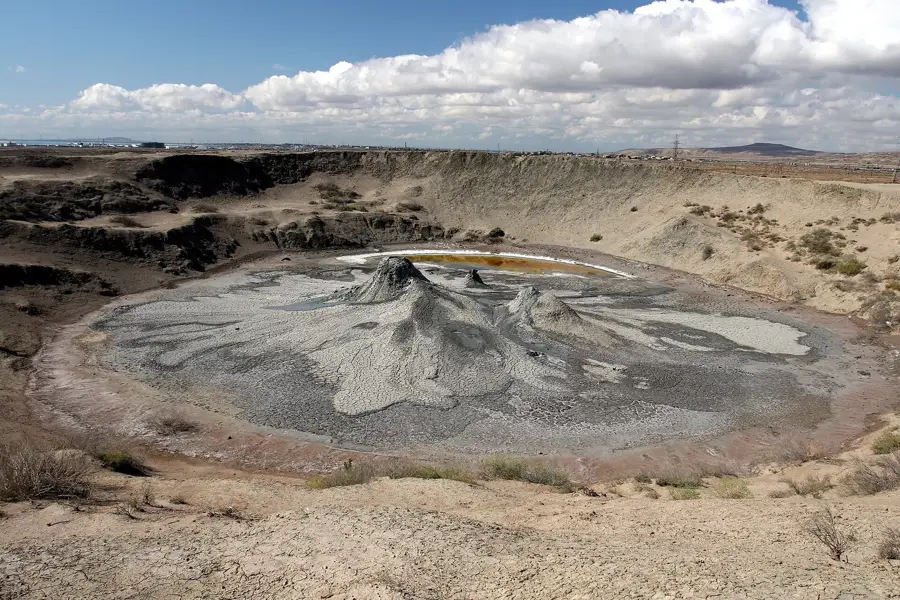
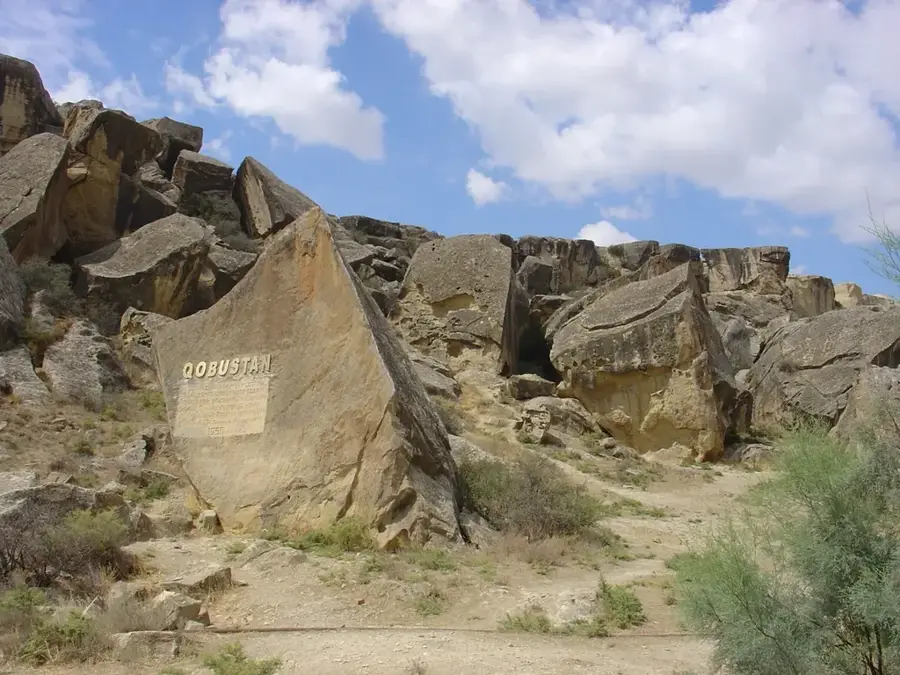
The Gobustan Desert is located southwest of Baku on the western shore of the Caspian Sea and is primarily famous for its extraordinary archaeological finds and unique geological formations. The area is characterized by a dry semi-desert landscape with hills and deep ravines that house over 6,000 rock engravings, some of which are up to 40,000 years old. These petroglyphs document the lifestyle of prehistoric humans, including hunting scenes, ritual dances, and ancient reed boats. Geologically, the region is a global leader in mud volcanoes; nearly half of the world's 800 known mud volcanoes are located in this Azerbaijani landscape. UNESCO designated the Gobustan Rock Art Cultural Landscape as a World Heritage site in 2007 to protect both the historical artworks and the unique ecological conditions. The vegetation is sparse, consisting mainly of wormwood and salt-tolerant grasses adapted to the arid climate with minimal rainfall.

Best time to visit & climate

The most pleasant time to visit is May, Jun, Sep.

JanFebMarAprMayJunJulAugSepOctNovDec
Avg °C56912192527272318127
Rain mm2123252217115727373724

📋 Practical info

🧭
Getting there
Access to this arid landscape is usually arranged from Baku via organized transport or private vehicle. The roads approach the general vicinity, but reaching specific mud volcanoes might require navigating unpaved desert tracks.
📅
Best season
Spring and autumn are typically the most comfortable periods for a visit, avoiding the extreme summer heat of the semi-desert. Winter visits are possible but might be chilly and windy across the open, unprotected expanses.
⛰️
Terrain & paths
The ground is primarily dry, dusty, and uneven, featuring cracked earth interspersed with fascinating mud volcano formations. Visitors should expect mostly flat stretches mixed with slight, slippery elevations around the bubbling mud.
🎒
What to bring
Sun protection is absolutely essential here, including wide-brimmed hats, high-quality sunglasses, and strong sunscreen. Sturdy, closed-toe walking shoes are highly recommended to protect against rough, dusty terrain and occasional thorny vegetation.
🅿️
Parking
Vehicles are usually left at designated unpaved areas where main access roads end and specialized desert tracks begin. For deeper exploration towards the mud volcanoes, travelers often rely on local drivers who know where to park safely.
⚠️
Safety
The main hazards are extreme sun exposure during warmer months and the unpredictable nature of the thermal mud features. It is wise to maintain a respectful distance from the active volcanic vents, as the mud can unexpectedly splash or bubble over.
⏱️
Time needed
Most travelers allocate roughly a half-day for their excursion to experience the arid surroundings and observe the mud volcanoes. This allows sufficient time for navigating the approach roads, taking photographs, and exploring at a leisurely pace.

Geography

Coordinates
40.10000, 49.40000

Facts

  • Gobustan contains over 6,000 individual petroglyphs from various historical epochs.
  • The region hosts nearly 400 mud volcanoes, the highest concentration in the world.
  • The earliest rock engravings date back to the Upper Paleolithic, about 40,000 years ago.
  • The area was officially designated a UNESCO World Heritage site in 2007.
  • Annual rainfall in the desert area is often less than 200 mm.
  • The name 'Gobustan' is derived from Azerbaijani words meaning 'ravines' and 'land'.

Explore nearby

Notable places around

Route planner — Car & Motorhome

Where do you start? We build the route here, with stops and country notes along the way.

Vehicle
Only stops with (optional):

© OpenStreetMap contributors · OpenRouteService

Sights in the town Gobustan Desert (6)

Qobustan Mədəniyyət Evi🎭 culture

A local cultural center hosting community events and regional performances.

Roman Legion XII inscriptions \ Qubustan🏺 historical

The easternmost known Latin inscription left by Rome's 12th Legion.

Qobustan Dairəsi📍 landmark

A prominent landmark area located near the famous Gobustan rock art sites.

Arxeoloji qoruq🏺 historical

A protected excavation site showcasing layers of ancient human settlements.

Gobustan National Historical-Artistic Reserve🏛 museum

A national reserve dedicated to the protection of Mesolithic and Neolithic petroglyphs.

🕒 Mo-Su 10:00-17:00

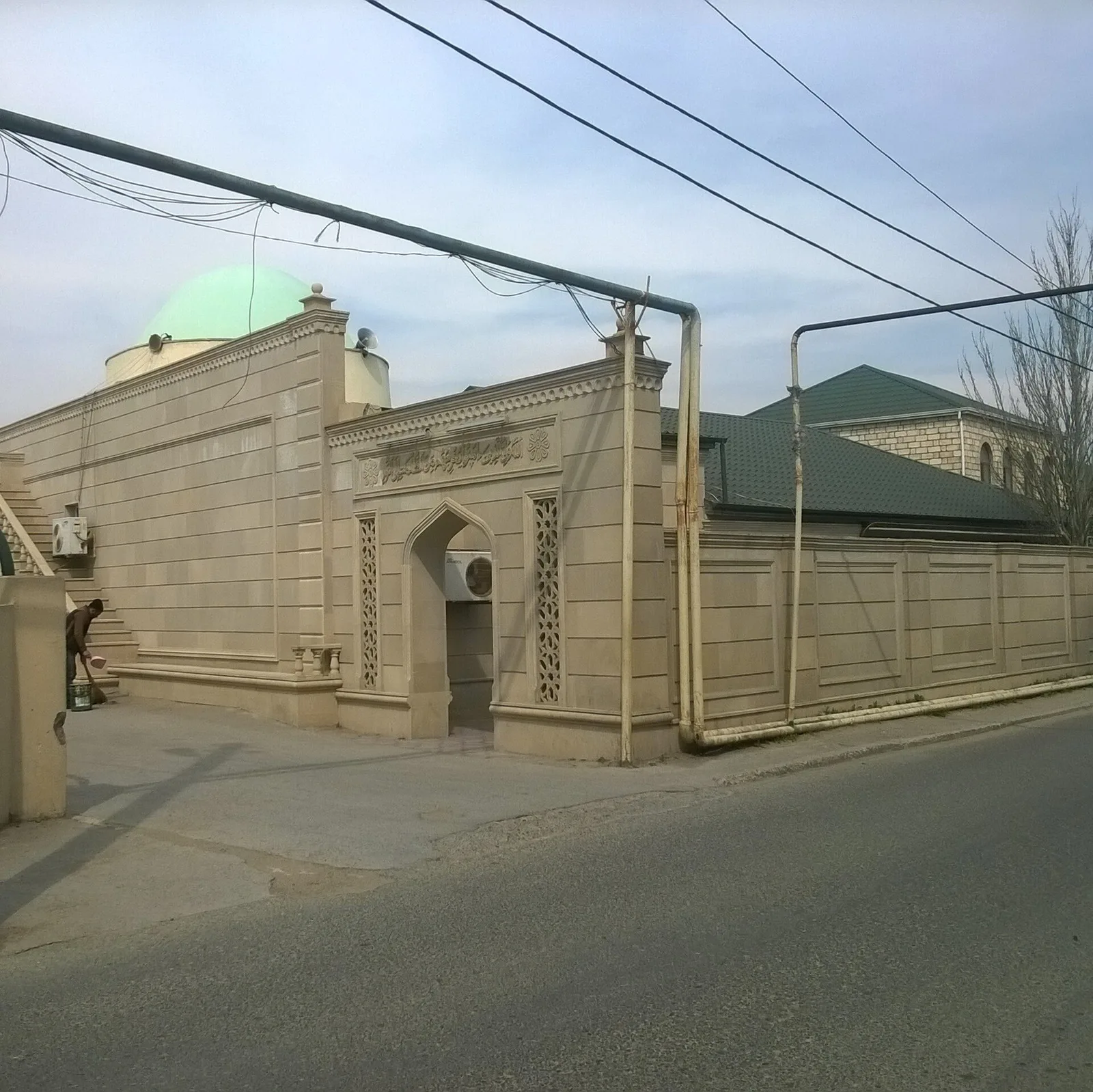
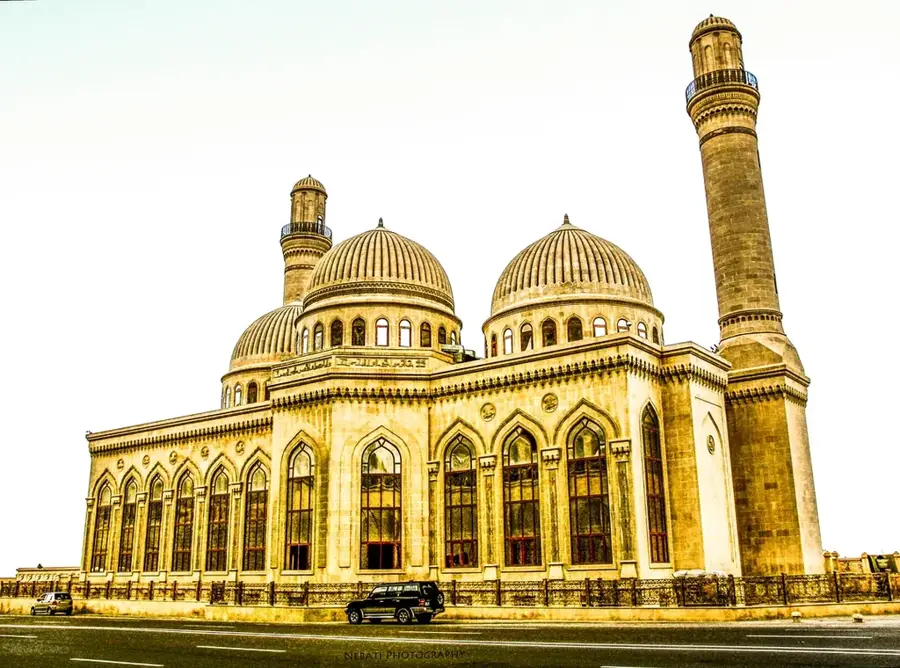
Şıxlar Məscidi📍 landmark

A traditional village mosque with a simple minaret in the Şıxlar settlement.

Sights nearby

Frequently asked questions

What is special about Gobustan?
It hosts world-famous Stone Age rock carvings.
Can one easily see the drawings?
Yes, there is a very well-developed museum and trails.
Are there volcanoes there?
Yes, famous mud volcanoes are located very close by.
How long does a visit take?
Plan about half to a full day.
Is it easy to access from Baku?
Yes, there are many tour operators.
Gobustan Desert: where is it located?
Gobustan Desert is located in Azerbaijan.
Gobustan Desert: what is there to see?
Highlights include Qobustan Mədəniyyət Evi, Roman Legion XII inscriptions \ Qubustan, Qobustan Dairəsi.
Gobustan Desert: when is the best time to visit?
The most pleasant time to visit is May, Jun, Sep.
Gobustan Desert: why is it worth visiting?

The Gobustan Desert is located southwest of Baku on the western shore of the Caspian Sea and is primarily famous for its extraordinary archaeological finds and unique geological formations.
View on map → The Top 50 Attractions → OpenStreetMap →
Asia
Explore with Plizio Discover more places in Asia
More places in Azerbaijan →

Nearby cities

History & landmarks
More places