Plizio Visual Lab

Lunda Escarpment

Plizio editorial teamData Sources
Relief
—°
Lunda Escarpment (Angola)

Weather…

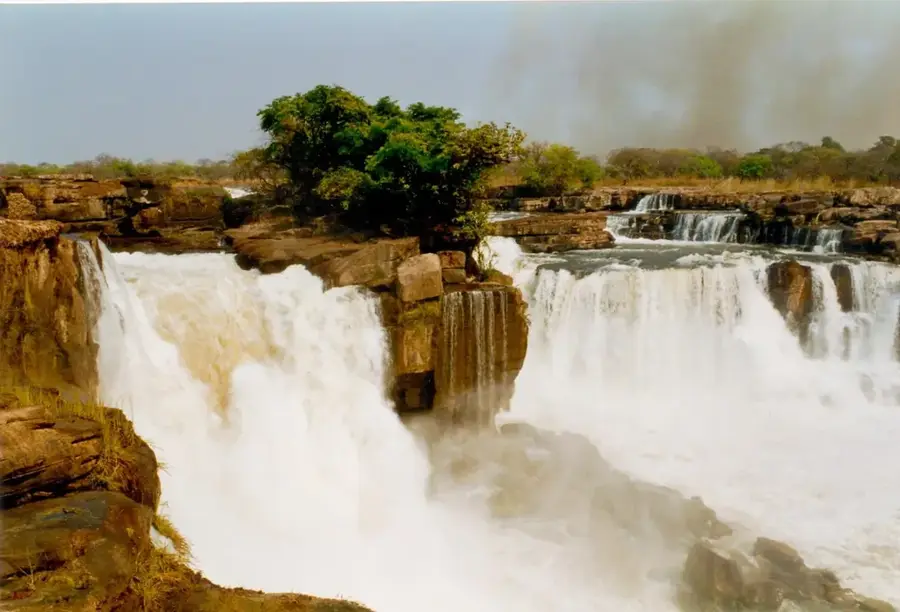
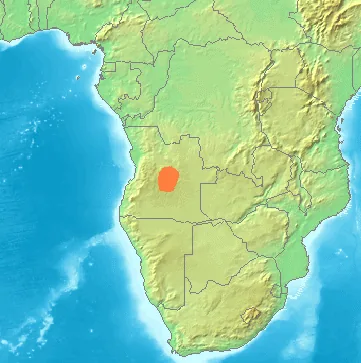
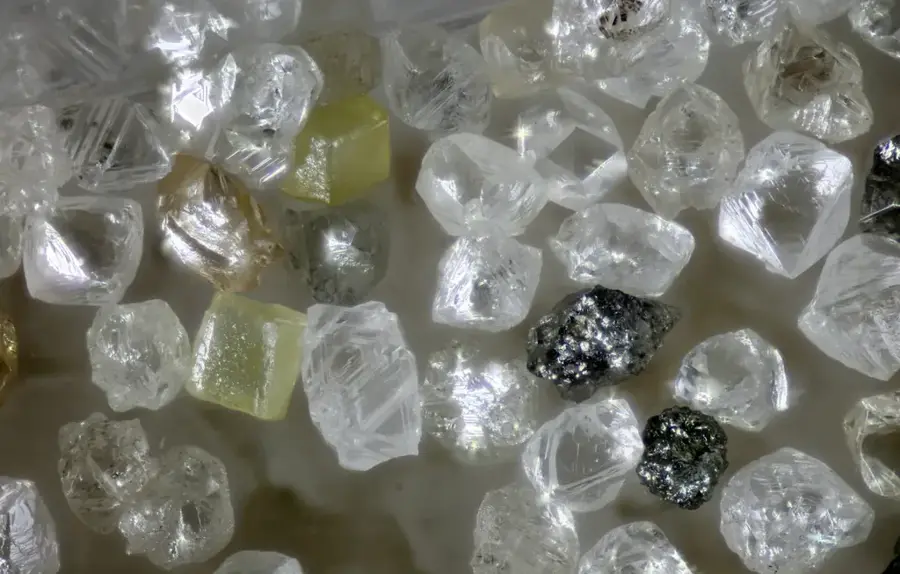
The Lunda Escarpment is a prominent geological formation in northeastern Angola, marking the transition from the central plateau to the lower-lying Congo Basin. This region is geologically characterized by Precambrian rocks and sedimentary deposits that are exceptionally rich in mineral resources. The area is particularly world-renowned for its significant diamond deposits, found within the river valleys and alluvial soils. The topography is defined by deep valleys and rolling hills, shaped by the erosion of major rivers such as the Cuango and the Chicapa. Climatically, the escarpment lies in a tropical zone with distinct wet and dry seasons, encouraging dense Miombo woodland vegetation. Historically, control over this relief was always of strategic importance for the local economy and colonial administration due to its underground wealth. Today, the Lunda Escarpment plays a central role in the Angolan mining industry and remains a critical factor for the nation's overall economic development.

Best time to visit & climate

The most pleasant time to visit is May–Jul.

JanFebMarAprMayJunJulAugSepOctNovDec
Avg °C222323232322222425242322
Rain mm1221321557711201153110161149

📋 Practical info

🧭
Getting there
Access to the Lunda Escarpment typically involves traveling from major towns on the central plateau or coastal plains, usually requiring a robust off-road vehicle due to the region's limited infrastructure and unpaved, rugged paths.
📅
Best season
The most favorable season for exploring this transitional landscape is during the dry months, generally from May to September, when the roads are more navigable and the risk of sudden heavy downpours is significantly reduced.
⛰️
Terrain & paths
The terrain is characterized by steep gradients and rugged transitional zones between the plateau and the plains, meaning visitors should expect uneven ground, rocky outcrops, and potentially challenging slopes without marked trails.
🎒
What to bring
Visitors should prioritize sturdy, ankle-supporting hiking boots, lightweight but protective clothing against the sun and brush, and bring ample supplies of drinking water, reliable navigation tools, and a basic first aid kit.
🅿️
Parking
Formal parking facilities are virtually non-existent near the escarpment; vehicles are typically left in the nearest established base towns or safely parked off the dirt tracks under the guidance of knowledgeable local guides.
⚠️
Safety
Travelers must be cautious of the remote nature of the region, the lack of immediate medical facilities, potential encounters with local wildlife, and the risks associated with traversing steep, unmarked, and unstable terrain.
⏱️
Time needed
A typical expedition to fully appreciate the views and the changing landscape of the escarpment will often span a full day, including the lengthy travel time required to reach the area from the closest significant settlements.

Geography

Coordinates
-9.00000, 19.50000

Facts

  • The average altitude of the escarpment ranges between 1000 and 1200 meters above sea level.
  • It serves as a major watershed between the Kasai and Zambezi river systems.
  • The region hosts some of the world's richest secondary diamond deposits.
  • The geological formation consists primarily of gneisses and granites from the Precambrian shield.
  • The Cuango River carves deep canyons through the rock in this area.
  • Annual rainfall in the region often exceeds 1400 millimeters.

Explore nearby

Notable places around
Route planner — Car & Motorhome

Where do you start? We build the route here, with stops and country notes along the way.

Vehicle
Only stops with (optional):

© OpenStreetMap contributors · OpenRouteService

Sights nearby

Frequently asked questions

What is the Lunda escarpment?
A distinct steep terrain edge separating elevation zones. Such forms often create great viewpoints and transition landscapes.
When is the best time to visit?
In the dry season, roads and views are best. In rain, the escarpment can be harder to reach.
Is the area good for photography?
Yes, because of the crisp edges and strong relief. Side light brings the form out especially well.
Are there viewpoints there?
At natural edges, often yes, even if they are not formally developed. Be careful because of height and wind.
Is the escarpment suitable for day trips?
Yes, if the access is manageable and you start early. It is especially attractive for sunrise or sunset.
Lunda Escarpment: where is it located?
Lunda Escarpment is located in Angola.
Lunda Escarpment: when is the best time to visit?
The most pleasant time to visit is May, Jul.
Lunda Escarpment: why is it worth visiting?

The Lunda Escarpment is a prominent geological formation in northeastern Angola, marking the transition from the central plateau to the lower-lying Congo Basin.
View on map → The Top 50 Attractions → OpenStreetMap →
Africa
Explore with Plizio Discover more places in Africa
More places in Angola →

Nearby cities

Nature

More places