Plizio Visual Lab
Tudas Archaeological Site

Weather…
Water temperature…
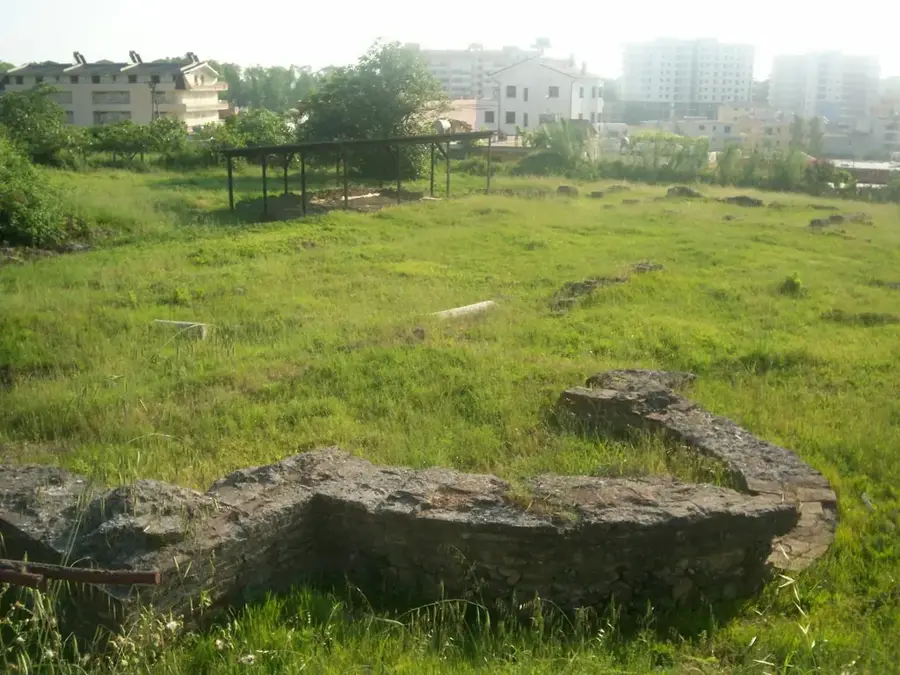
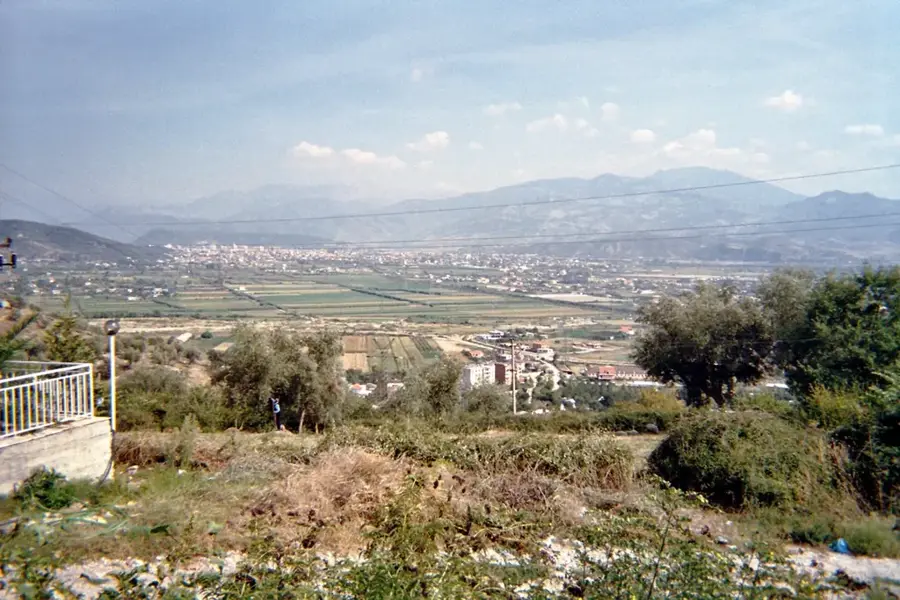
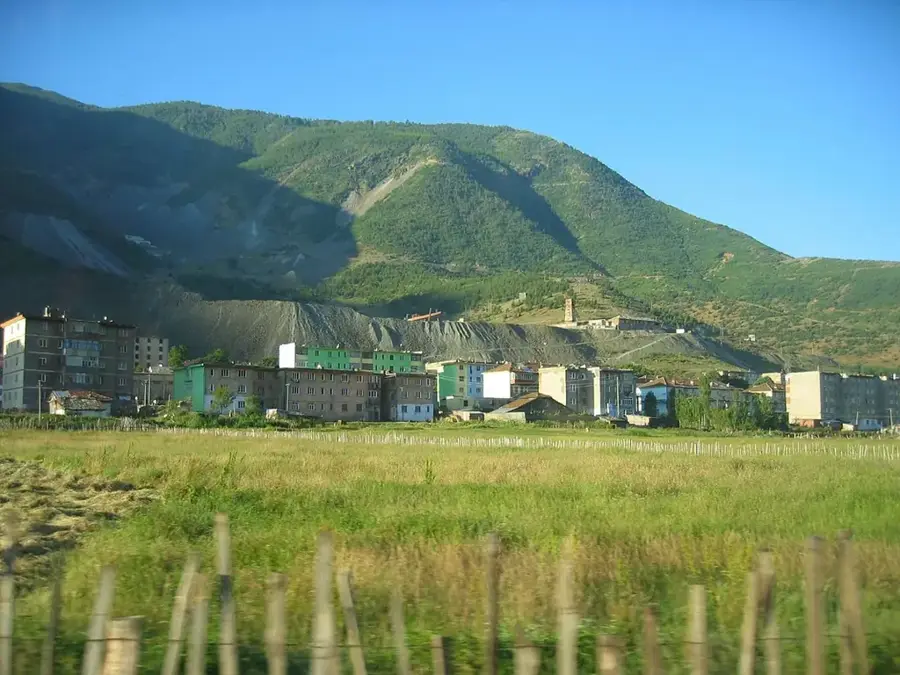
The Tudas archaeological site, frequently identified with the fortifications of Labinot-Fushë in the Elbasan region, is a significant witness to Illyrian and Late Antique settlement history. Situated on a strategically advantageous hill, the fortress served for centuries to control the movement of troops and goods along the Shkumbin Valley, specifically overseeing the Via Egnatia. Archaeological excavations have revealed remains of defensive walls constructed from massive stone blocks, alongside foundations of residential and administrative buildings. The site exhibits multiple construction phases spanning from the Iron Age to the Byzantine era, indicating continuous strategic importance. Tudas functioned not only as a military stronghold but also as a regional hub for trade and craftsmanship. Findings such as diverse pottery and ancient coins demonstrate the settlement's robust economic ties with other Mediterranean centers. Today, the site features visitors an insightful look into ancient engineering and the settlement dynamics of central Albania.
- Location: Albania
- Nearby: Golem (4 km)
Best time to visit & climate
The most pleasant time to visit is May–Jul.
| Jan | Feb | Mar | Apr | May | Jun | Jul | Aug | Sep | Oct | Nov | Dec | |
|---|---|---|---|---|---|---|---|---|---|---|---|---|
| Avg °C | 10 | 10 | 12 | 15 | 19 | 23 | 26 | 26 | 23 | 19 | 15 | 11 |
| Rain mm | 118 | 106 | 97 | 77 | 66 | 47 | 27 | 28 | 88 | 110 | 138 | 136 |
📋 Practical info
Geography
Facts
- The site is located approximately 10 kilometers east of Elbasan.
- The earliest settlement layers date back to the 6th century BC.
- The fortifications encompass a large area on a naturally protected plateau.
- Tudas played a key role in the defense system of the Shkumbin Valley.
- Significant Byzantine-era reinforcements were added during the 6th century AD.
- Excavations yielded numismatic evidence from both Greek and Roman periods.
Explore nearby
Notable places around
Route planner — Car & Motorhome
Where do you start? We build the route here, with stops and country notes along the way.
© OpenStreetMap contributors · OpenRouteService
Sights nearby
Frequently asked questions
What is Tudas?
Where is the site located?
How old are the ruins?
Is the path marked?
Are there water sources there?
Tudas Archaeological Site: where is it located?
Tudas Archaeological Site: when is the best time to visit?
Tudas Archaeological Site: why is it worth visiting?

Nearby cities