Plizio Visual Lab
Kandahar
ℹ️Practical info — Kandahar
▾
🌤 Weather — 5 days
📍 Nearby
Sights nearby
💡 Tips
- Security is a primary concern; always travel with a trusted local guide and strictly avoid high-risk areas.
- Dress very conservatively, respecting local Islamic customs. Women must wear loose clothing and a headscarf.
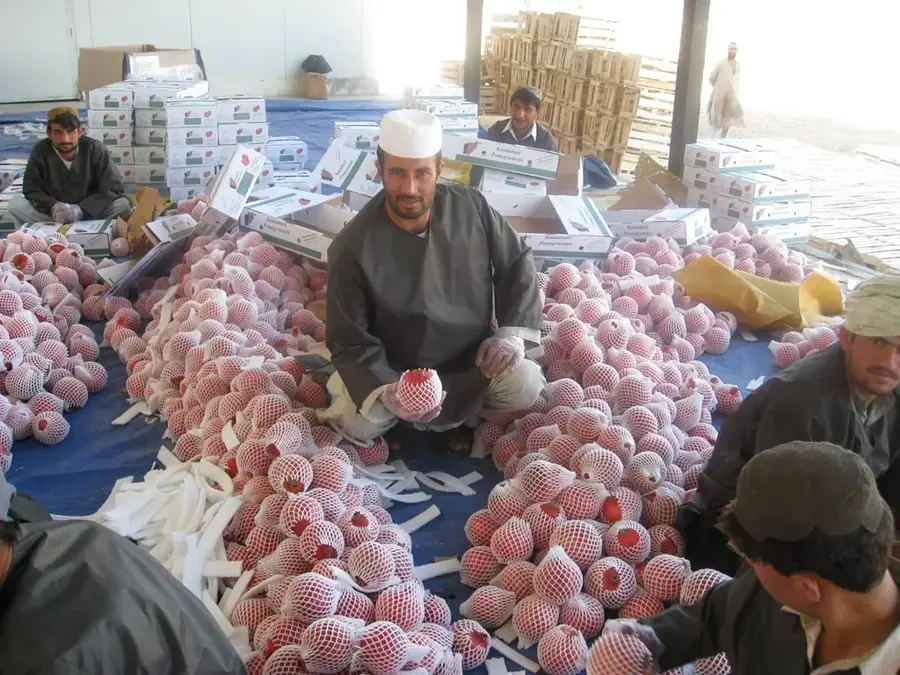
- Kandahar is famous for its fruits, particularly pomegranates; buy them fresh from local street vendors in season.
- Friday is the holy day, so expect most shops and businesses to be closed or operating on very limited hours.
🍽 Food
The local variant of the Afghan national dish made with rice, carrots, raisins, and tender lamb.
Steamed dumplings filled with meat and onions, served with a yogurt and mint sauce in traditional teahouses.
Try the fresh fruit from the local bazaars; Kandahar's produce is widely considered the best in the country.
🛍 Shopping · 🧘 Quiet spots
A bustling historic market. Barter politely when buying spices or traditional clothing.
Look for the intricate Khamak embroidery in textile shops, a craft typical of this region.
A spiritual site offering beautiful views of the Arghandab River and the lush orchards.
A quiet, highly revered religious site. Make sure to strictly follow the visitation rules.
Water temperature…
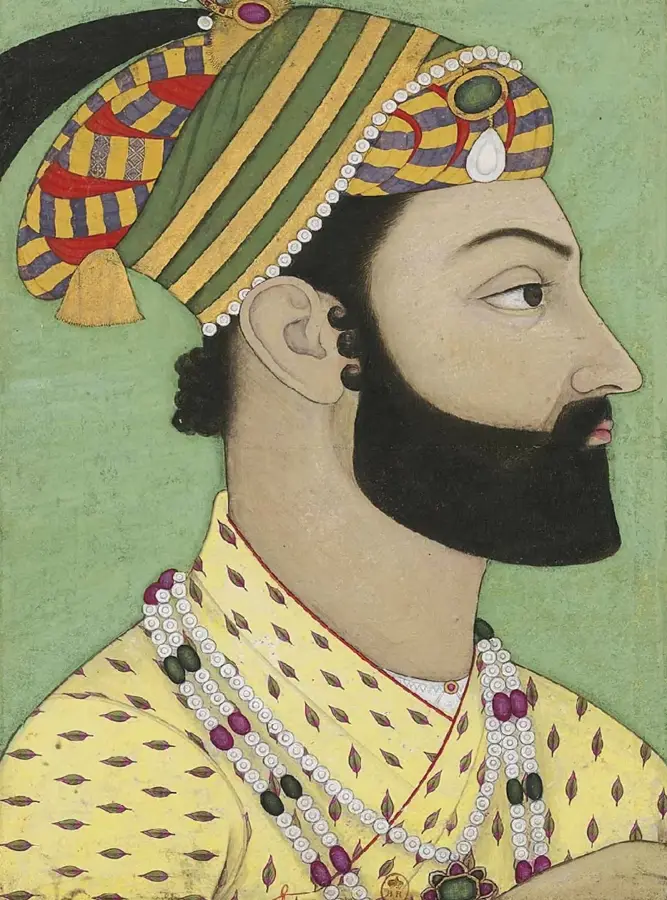
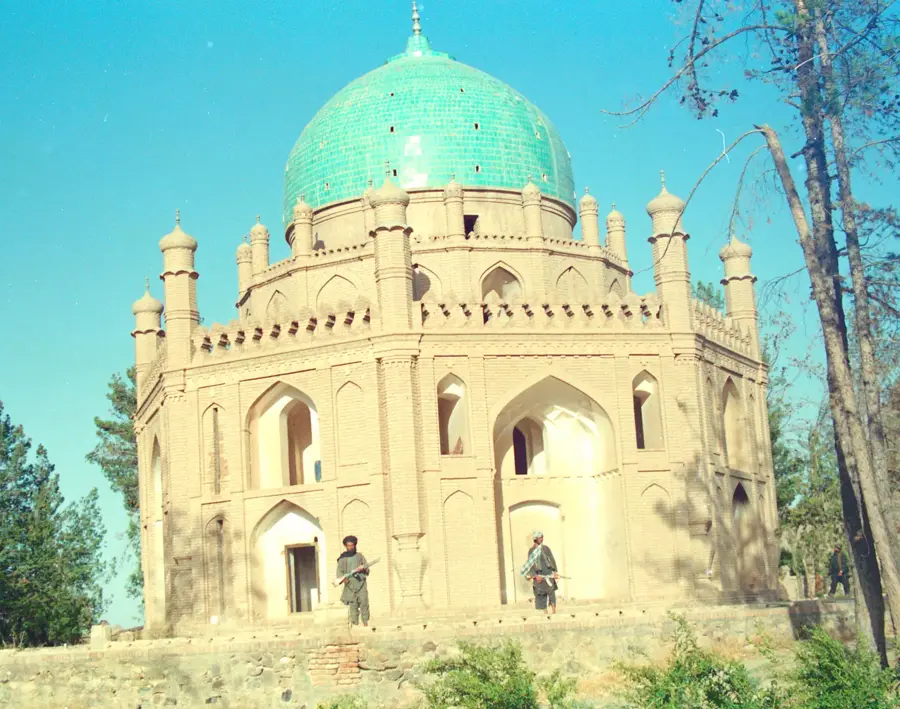
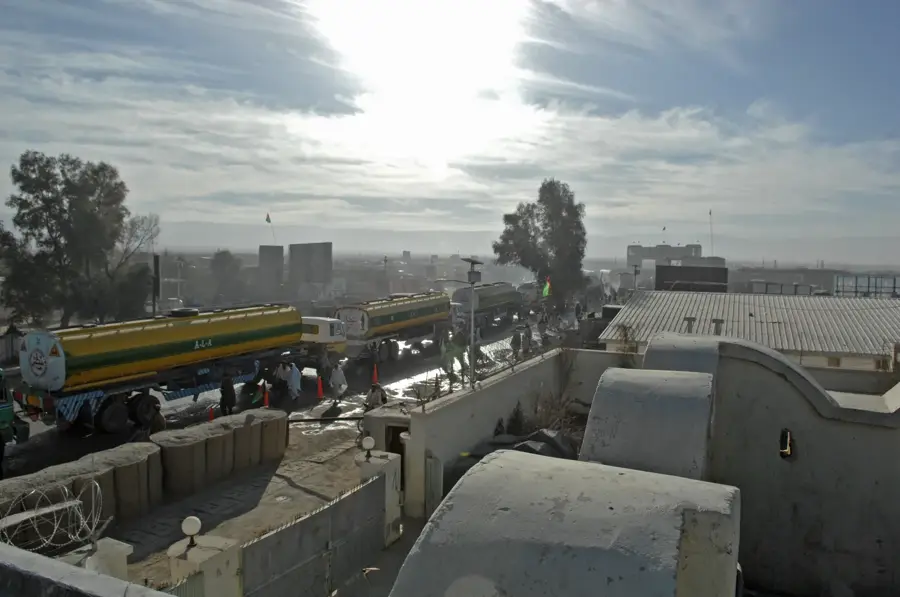
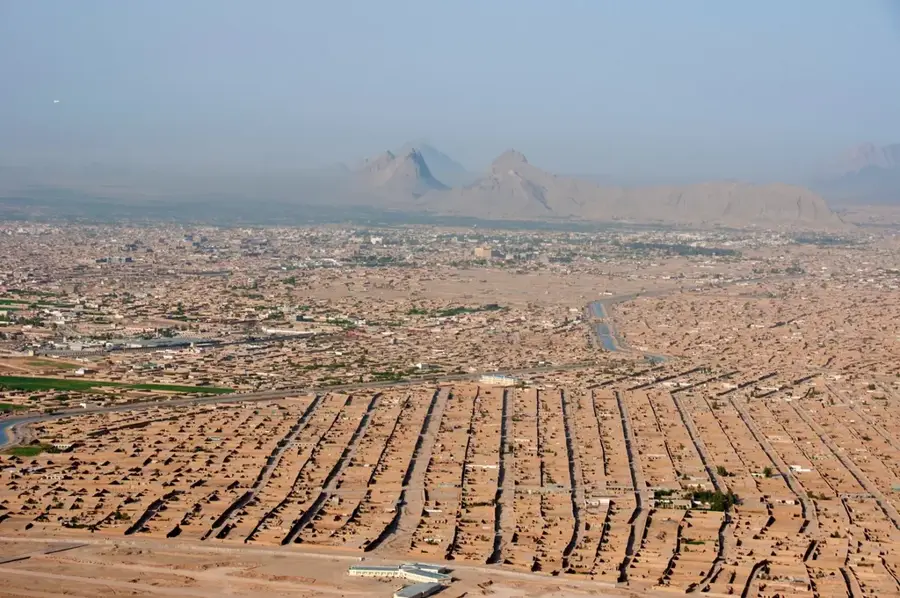
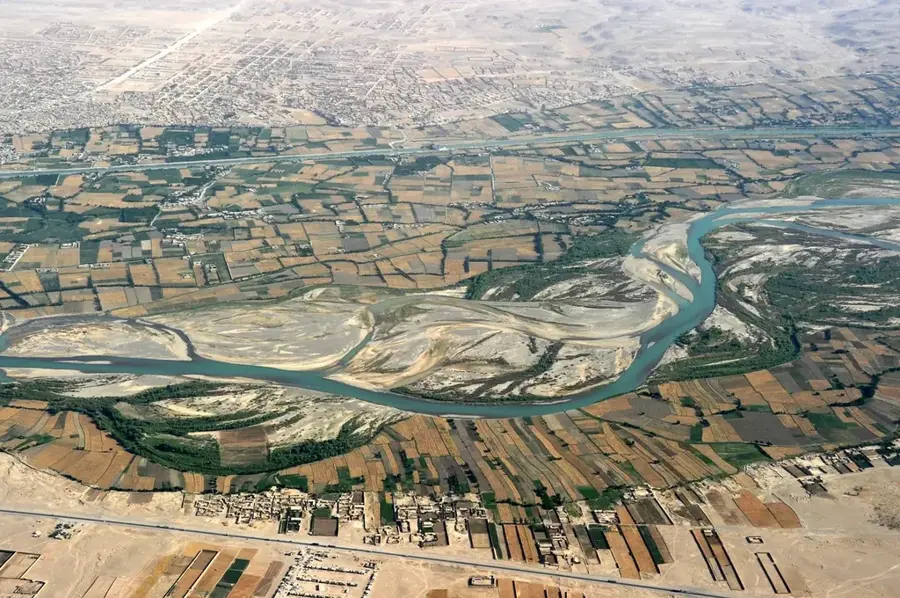
Kandahar, located in the fertile valley of the Arghandab River, stands as the historical and cultural cornerstone of southern Afghanistan. Founded as Alexandria in Arachosia by Alexander the Great in 330 BC, the city has witnessed the rise and fall of countless dynasties, serving as a pivotal gateway between the Indian subcontinent and Central Asia. In 1747, it achieved its greatest political prominence when Ahmad Shah Durrani chose it as the capital of the nascent Afghan Empire, making it the birthplace of modern Afghanistan. The city's layout is centered around its historic quarters, where the majestic octagonal mausoleum of Ahmad Shah Durrani stands as a testament to its royal past. Geographically, Kandahar is situated on a plateau at an elevation of 1,010 meters, characterized by a semi-arid climate that, thanks to elaborate irrigation from the Arghandab River, supports a lush agricultural belt. This region is world-renowned for its premium produce, particularly its pomegranates, grapes, and dried fruits, which are central to the local economy and international trade. Demographically, the city is the preeminent center of Pashtun culture and society, where traditional customs blend with the administrative functions of a provincial capital. The presence of the Shrine of the Cloak of the Prophet Muhammad gives the city immense religious prestige, drawing pilgrims from across the Islamic world. Modern Kandahar is a bustling commercial hub, linked to Pakistan via the strategic Spin Boldak border crossing and served by an international airport that acts as a vital logistics node. Despite enduring significant conflict over the past few decades, the city remains a resilient urban center, focusing on reconstruction and maintaining its status as the political heart of the south. Its diverse markets, educational institutions like Kandahar University, and strategic importance ensure that it remains a key player in Afghanistan's national trajectory.
- Location: Afghanistan
- Top sights: Rahmat Jamia Masjid · Kandahar Eidgah Jama
- Population: ~523.300 (2026)
Best time to visit & climate
The most pleasant time to visit is Apr, Sep, Oct.
| Jan | Feb | Mar | Apr | May | Jun | Jul | Aug | Sep | Oct | Nov | Dec | |
|---|---|---|---|---|---|---|---|---|---|---|---|---|
| Avg °C | 7 | 9 | 15 | 21 | 27 | 31 | 33 | 31 | 26 | 20 | 14 | 8 |
| Rain mm | 24 | 31 | 29 | 19 | 5 | 7 | 3 | 7 | 4 | 5 | 15 | 13 |
Geography
Facts
- Founded in 330 BC by Alexander the Great as Alexandria in Arachosia.
- First capital of the Durrani Empire, the foundation of modern Afghanistan.
- Elevation is approximately 1,010 meters (3,310 feet) above sea level.
- Contains the tomb of Ahmad Shah Durrani, the father of the nation.
- World leader in the production and export of high-quality pomegranates.
- Major logistics hub with an international airport serving the southern region.
- Home to Kandahar University, a leading educational institution in the south.
- The city is divided into a historic old town and a modern growing suburbs.
Explore nearby
Notable places around
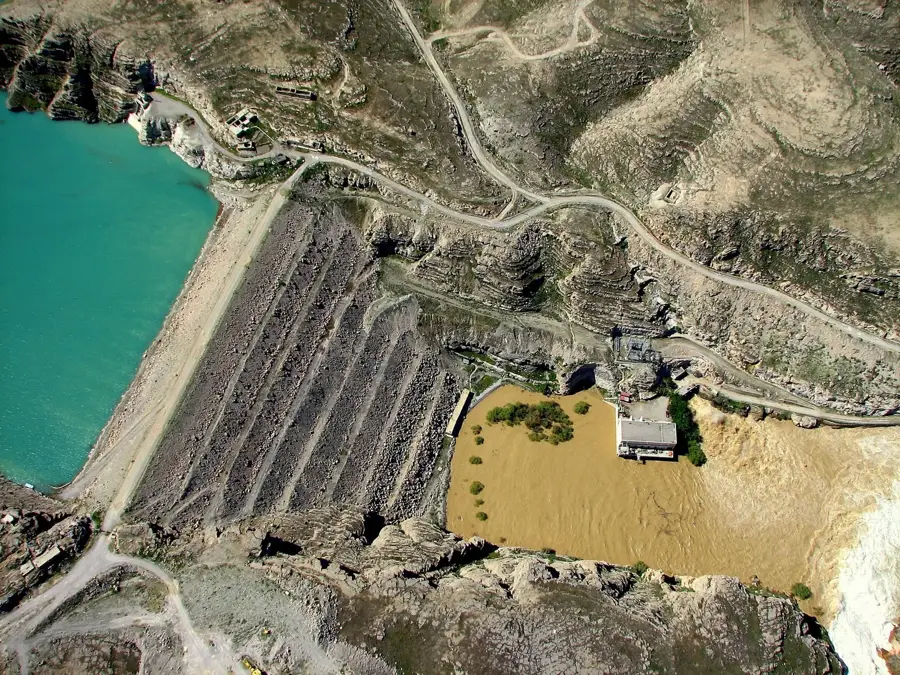
Route planner — Car & Motorhome
Where do you start? We build the route here, with stops and country notes along the way.
© OpenStreetMap contributors · OpenRouteService
Sights in the town Kandahar (2)
Frequently asked questions
How many days should I plan for Kandahar?
What is the best time to visit Kandahar?
What is the best way to get to Kandahar?
Which local specialties should I try?
Is Kandahar family-friendly?
Kandahar: where is it located?
Kandahar: what is there to see?
Kandahar: when is the best time to visit?
Kandahar: why is it worth visiting?
Nearby cities
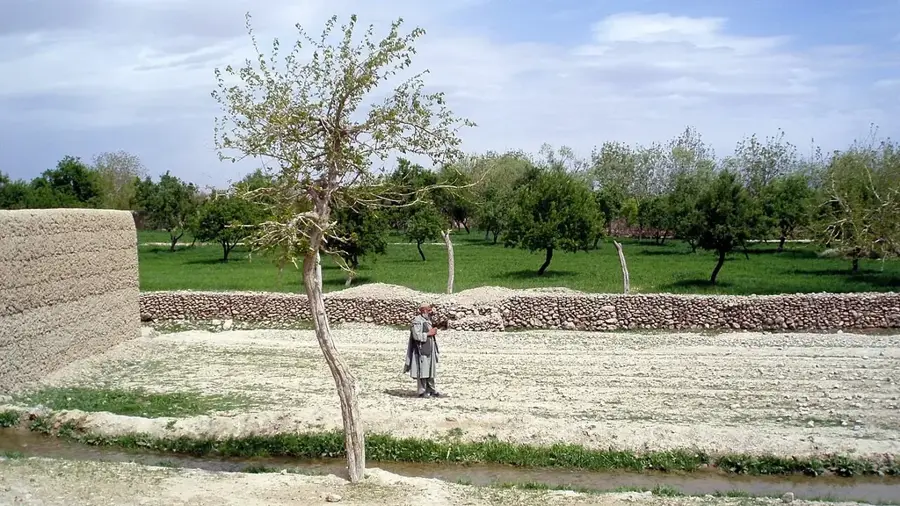
Nature
More places