Plizio Visual Lab
Ratchaburi
ℹ️Practical info — Ratchaburi
▾
🌤 Weather — 5 days
📍 Nearby
Sights nearby
💡 Tips
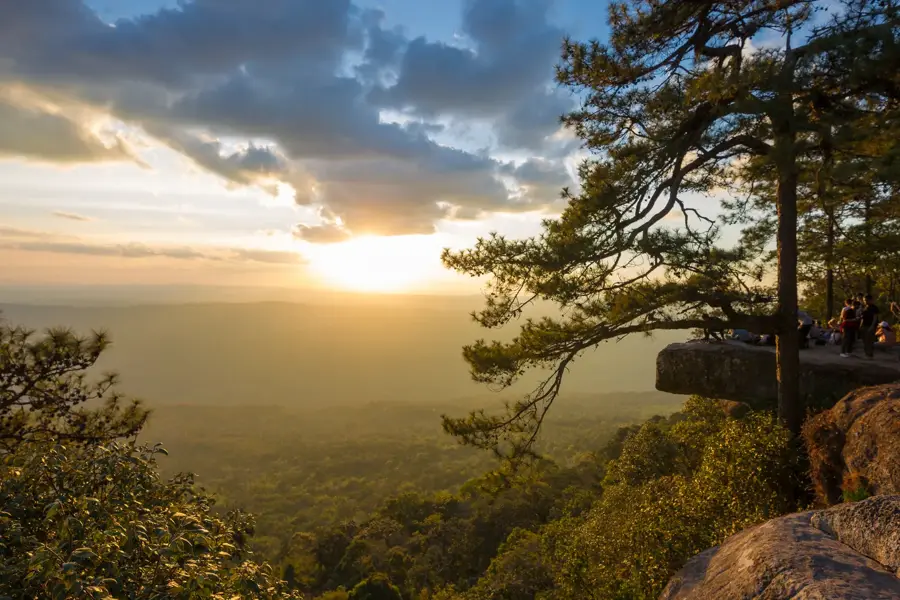
- Visit Khao Ngu Stone Park in the early morning or late afternoon for the best lighting on the limestone cliffs.
- Explore the traditional ceramic factories; Ratchaburi is famous for its hand-painted 'Dragon Jars'.
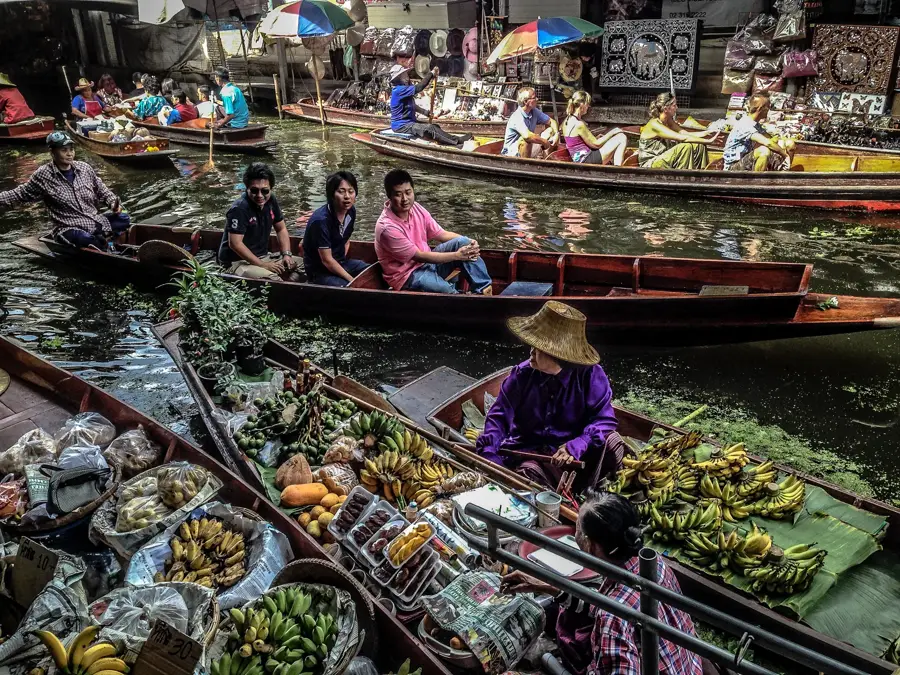
- Choose Tha Kha Floating Market over the touristy Damnoen Saduak for a much more authentic and peaceful experience.
- Try the famous 'Black Tofu' in the Photharam district, a local delicacy unique to this area.
🍽 Food
Black tofu simmered for days in spices; find the best quality in the Photharam district.
Shrimp paste rice with sweet pork and sour mango; the Choon Seng restaurant is highly recommended.
Dry rice served with savory toppings, a local specialty often found around the Lak Ha market area.
🛍 Shopping · 🧘 Quiet spots
The city's most famous factory, known for both traditional dragon jars and contemporary ceramic designs.
A weekend night market along the Mae Klong River, great for street food and local crafts.
A scenic park with lakes and bridges set among limestone hills, well-suited for a peaceful walk.
An impressive cave temple with internal waterways, offering a cool and very quiet atmosphere.
Water temperature…
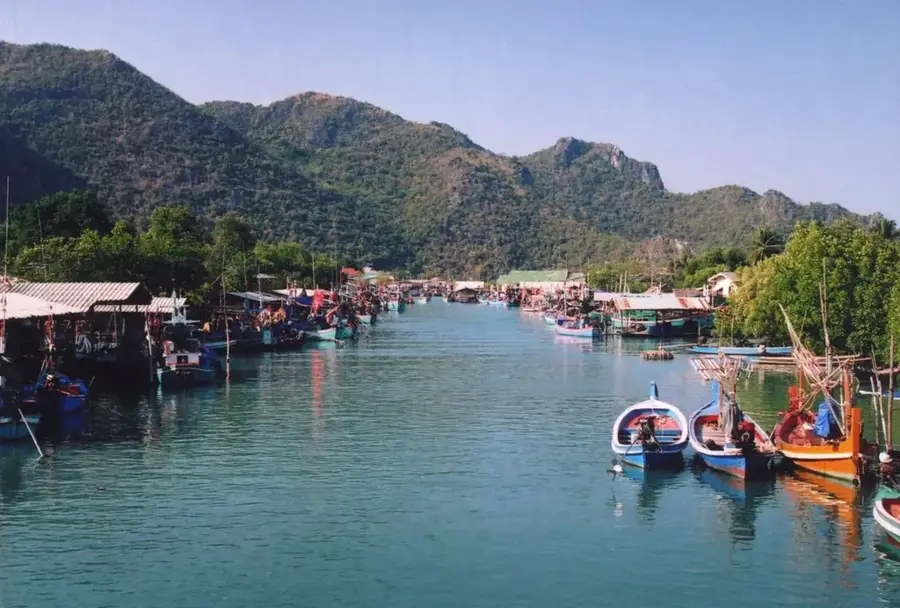
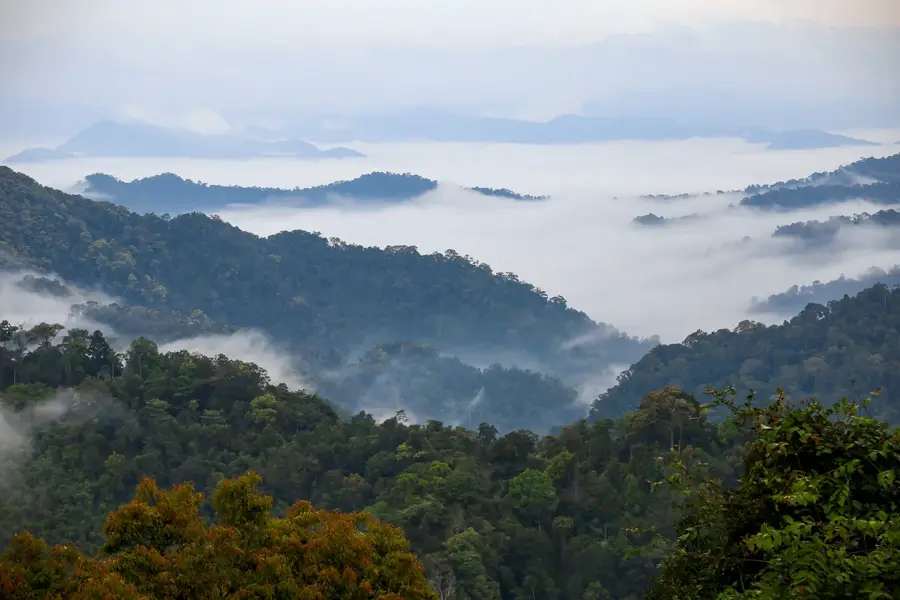
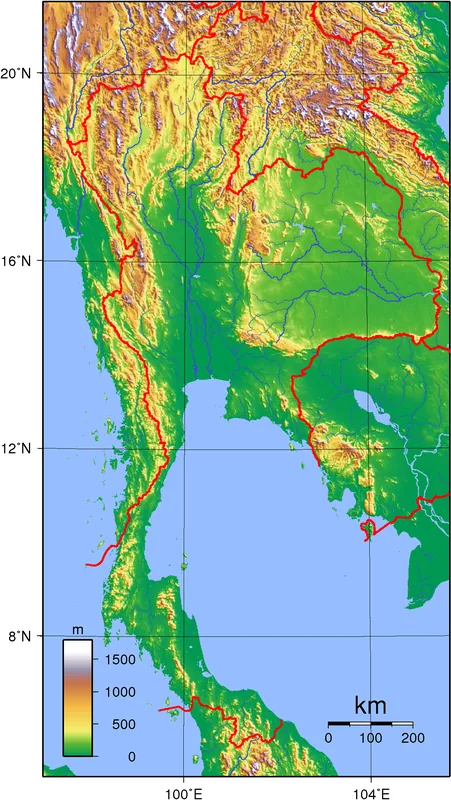
Ratchaburi is the capital of the eponymous province in western Thailand, boasting a settlement history that dates back to the Dvaravati period over 1,000 years ago. Strategically located on the banks of the Mae Klong River, the city developed early as a significant trading hub between the Thai central basin and the Burmese highlands. Geographically, the region is characterized by fertile alluvial plains in the east and the rugged Tenasserim mountain range to the west. Ratchaburi is nationally renowned for its traditional ceramic production, particularly the handcrafted dragon jars that have been produced in local kilns for generations. In addition to its industrial importance, the surrounding area gives numerous natural attractions, such as the Khao Bin Cave with its prominent stalactite formations. Today, the city serves as an administrative hub while preserving its cultural heritage through local museums and historic temple complexes.
- Location: Thailand
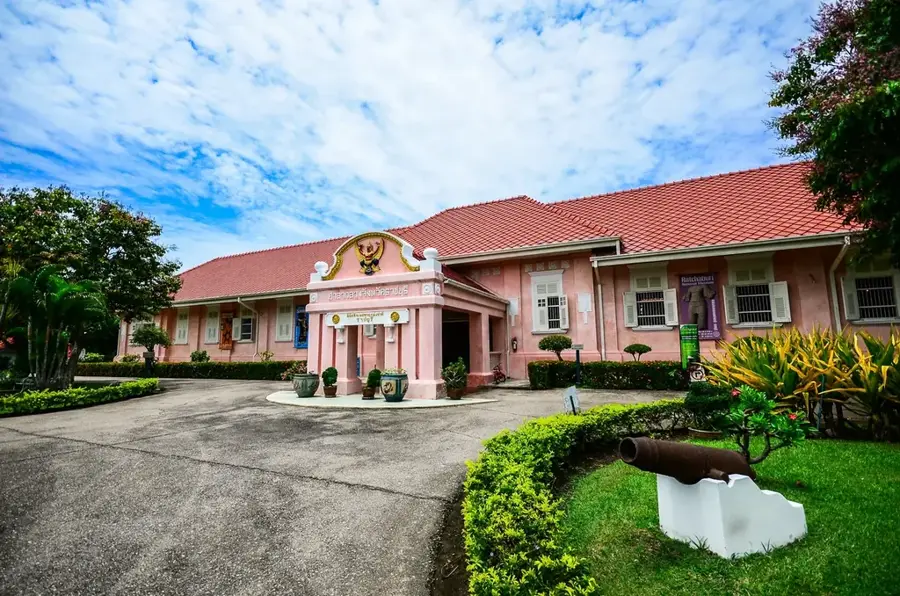
- Top sights: Royal Thai Army Engineer Museum · Chedi Hak · Wat Mahathat Worawihan
- Nearby: Cha-am (22 km)
- Population: ~92.448 (2026)
Best time to visit & climate
The most pleasant time to visit is Jan, Feb, Dec.
| Jan | Feb | Mar | Apr | May | Jun | Jul | Aug | Sep | Oct | Nov | Dec | |
|---|---|---|---|---|---|---|---|---|---|---|---|---|
| Avg °C | 26 | 28 | 30 | 31 | 30 | 29 | 28 | 28 | 28 | 27 | 26 | 25 |
| Rain mm | 19 | 11 | 49 | 61 | 137 | 123 | 123 | 117 | 206 | 233 | 58 | 11 |
Geography
Facts
- The city was already inhabited during the Dvaravati era from the 6th to 11th centuries.
- Ratchaburi is located approximately 80 kilometers west of the capital Bangkok.
- The Mae Klong River traverses the city center for several kilometers.
- The famous dragon jars are crafted from special clay found in the region.
- The Damnoen Saduak floating market is located in the nearby district.
- Khao Bin Cave extends to a depth of approximately 300 meters into the mountain.
Explore nearby
Notable places around
Route planner — Car & Motorhome
Where do you start? We build the route here, with stops and country notes along the way.
© OpenStreetMap contributors · OpenRouteService
Sights in the town Ratchaburi (3)
Frequently asked questions
What is the highlight of Ratchaburi?
When is the best time for the market?
Are there cultural places?
How do I get from Bangkok to Ratchaburi?
Is Ratchaburi good for families?
Ratchaburi: where is it located?
Ratchaburi: what is there to see?
Ratchaburi: when is the best time to visit?
Ratchaburi: why is it worth visiting?
Nearby cities
History & landmarks
Nature
More places