Plizio Visual Lab

Dajia River
Plizio editorial teamData Sources
River
—°4
Dajia River (Taiwan)

Weather…

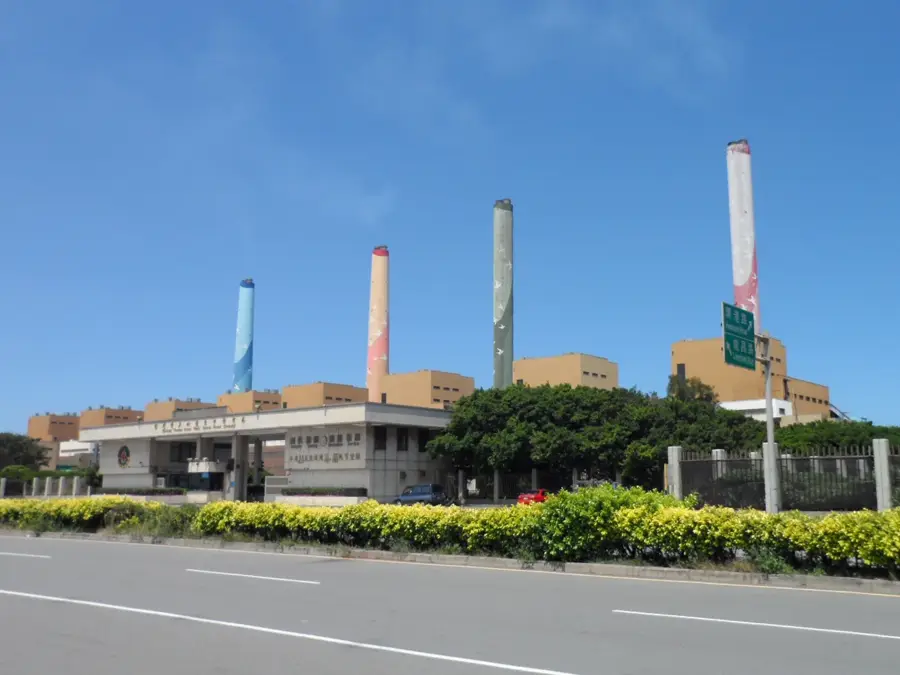
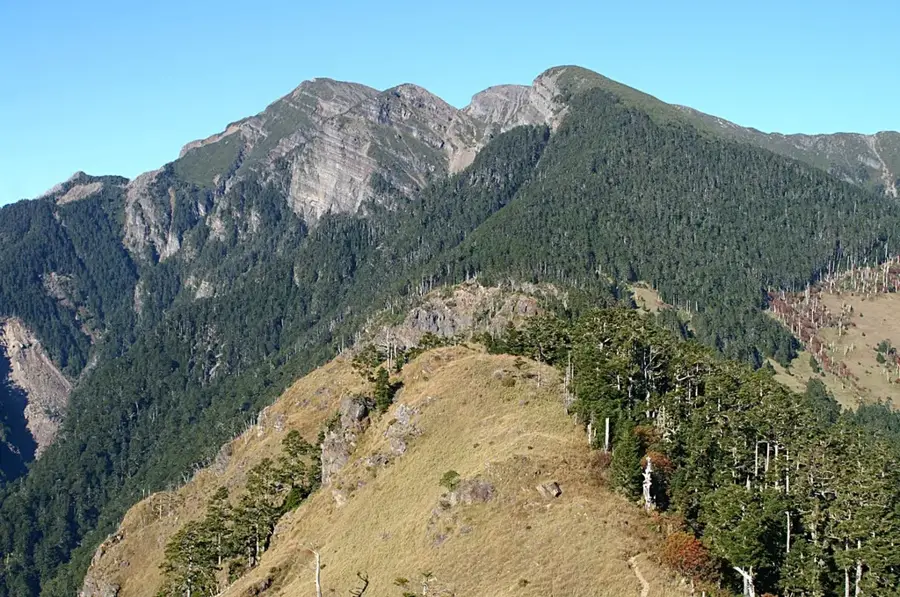
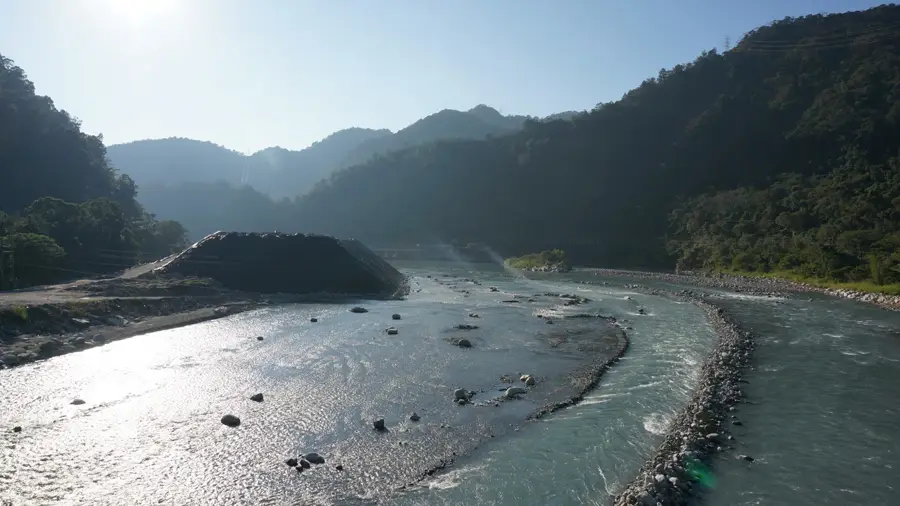
The Dajia River is a vital waterway in central Taiwan, playing a cornerstone role in the region's hydroelectric power generation and water supply. Originating in the Central Mountain Range near the foot of Mt. Xueshan, it flows for 124 kilometers through Taichung County before reaching the Taiwan Strait. Due to its steep gradient, the river is a primary site for hydropower; a series of major dams and power stations, including the Techi Dam and Guguan Power Plant, harness its significant energy potential. Geographically, the river has carved deep valleys and rugged gorges through tectonic uplift and persistent erosion. Its upper reaches, particularly the Qijiawan Creek, serve as the critical sanctuary for the critically endangered Formosan landlocked salmon, a glacial relic species. The river also holds profound cultural importance for the indigenous Atayal people, who have inhabited its banks for centuries. While heavily utilized for infrastructure, ongoing conservation efforts focus on restoring the river's ecological balance and protecting its endemic species. The river's estuary is also recognized as an important wetland for migratory birds.

Best time to visit & climate

The most pleasant time to visit is Oct–Dec.

JanFebMarAprMayJunJulAugSepOctNovDec
Avg °C161719222526272727242218
Rain mm6561111118219277178285173666263

📋 Practical info

🧭
Getting there
The Dajia River flows through central Taiwan, with access points easily reached from Taichung City via well-maintained provincial highways. Visitors typically drive or take regional buses up into the mountainous areas where the river reveals its most scenic stretches.
📅
Best season
Autumn and early spring are generally the best times to visit, offering clear skies, pleasant temperatures, and stable water levels for sightseeing. Summer brings the risk of heavy typhoons and sudden flooding, making riverside activities potentially hazardous.
⛰️
Terrain & paths
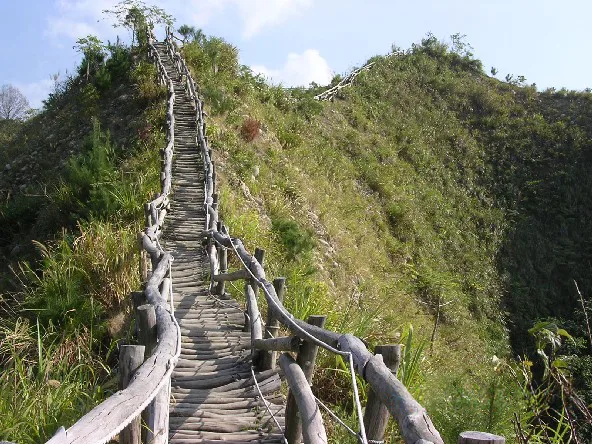
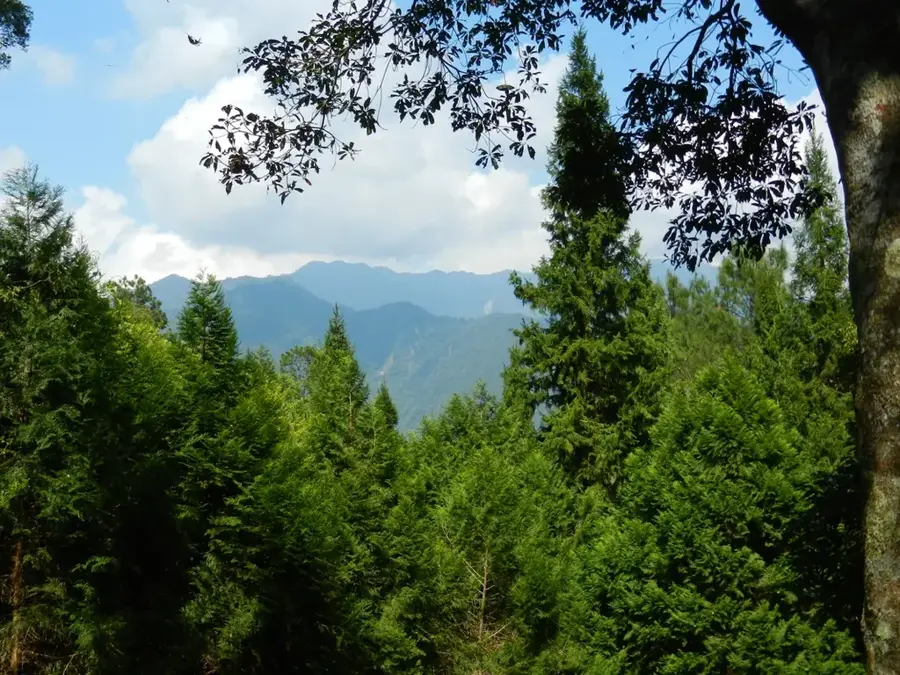
The river winds through steep, forested gorges and rocky valleys as it descends from the central highlands to the coastal plains. Walking trails near the riverbank often involve navigating massive boulders, uneven steps, and occasional suspension bridges.
🎒
What to bring
If hiking along the gorge sections, visitors should wear sturdy trail shoes with excellent grip for wet and mossy rocks. A lightweight rain jacket is useful due to sudden mountain showers, alongside basic supplies like water, snacks, and insect repellent.
🅿️
Parking
Designated parking areas are widely available near major dams, scenic overlooks, and established trailheads along the highway. During weekends and national holidays, these specific spots can fill up rapidly, making early morning arrivals highly recommended.
⚠️
Safety
Always respect warning signs regarding sudden water releases from the upstream hydroelectric facilities, which can cause flash floods. Swimming in unmarked sections of the river is highly discouraged due to strong, invisible undercurrents and submerged rocks.
⏱️
Time needed
A leisurely drive with stops at major viewpoints and dams generally takes half a day to enjoy the scenery. Hikers looking to explore specific trails branching off from the river valley should allocate a full day to complete their chosen routes safely.

Geography

Coordinates
24.31670, 120.65000

Facts

  • Total length of the river is approximately 124 kilometers.
  • Techi Dam is one of the highest concrete arch dams in Asia.
  • Home to the endangered Formosan landlocked salmon.
  • Produces a significant portion of Taiwan's hydroelectric power.
  • Originates at an elevation of nearly 2,880 meters.
  • The river basin supports over 2.5 million people's water needs.

Explore nearby

Notable places around
Route planner — Car & Motorhome

Where do you start? We build the route here, with stops and country notes along the way.

Vehicle
Only stops with (optional):

© OpenStreetMap contributors · OpenRouteService

Sights in the town Dajia River (4)

Jianjing📍 landmark

A historic well located on Tiezhan Mountain near the Dajia River.

Neishuiweishan🌿 nature

A scenic peak forming part of the mountainous landscape rising above the Dajia River valley.

Jenn Lann Temple⛪ religious

A renowned Taoist temple globally famous for hosting the annual Dajia Mazu pilgrimage.

Fude Temple⛪ religious

A local shrine dedicated to the Earth God, traditionally protecting the nearby Dajia River communities.

Sights nearby

Frequently asked questions

Is the Dajia River suitable for swimming?
Swimming is prohibited or not recommended in most areas for safety reasons.
What is special about the Dajia River region?
It is known for its photogenic gorges and important hydroelectric dams.
Are there bike paths along the river?
Yes, some sections offer beautiful bike paths with views of the river valley.
What is the best season for cycling?
Late autumn and winter offer the most pleasant climate for cycling.
Is the area easily accessible?
It is well-accessible via main roads, often by private car or tour bus.
Dajia River: where is it located?
Dajia River is located in Taiwan.
Dajia River: what is there to see?
Highlights include Jianjing, Neishuiweishan, Jenn Lann Temple.
Dajia River: when is the best time to visit?
The most pleasant time to visit is Oct, Dec.
Dajia River: why is it worth visiting?

The Dajia River is a vital waterway in central Taiwan, playing a cornerstone role in the region's hydroelectric power generation and water supply.
View on map → The Top 50 Attractions → OpenStreetMap →
Asia
Explore with Plizio Discover more places in Asia
More places in Taiwan →

Nearby cities

History & landmarks

More places