Plizio Visual Lab
Magong

ℹ️Practical info — Magong
▾
🌤 Weather — 5 days
📍 Nearby
Sights nearby
💡 Tips
- Rent a scooter near the harbor to explore the island flexibly (international driving permit required).
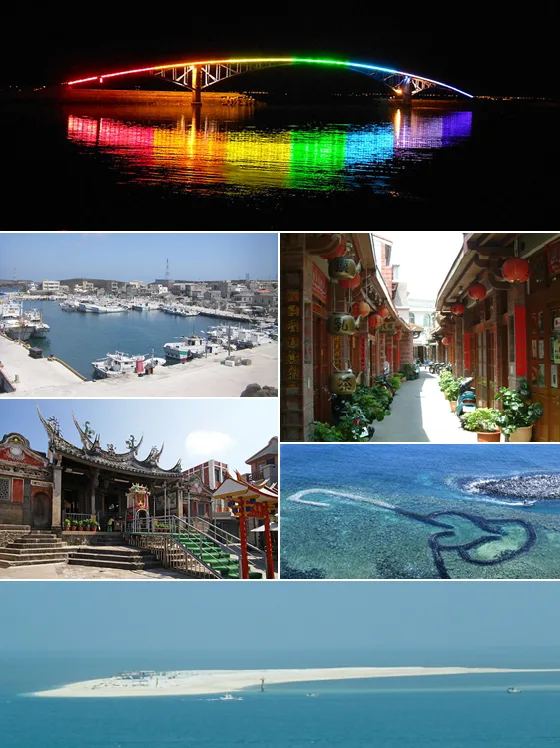
- Visit the Xiying Rainbow Bridge at sunset when it lights up for a romantic atmosphere.
- Explore Central Street in the morning to experience Penghu's oldest street without the crowds.
- Be prepared for strong winds, especially in winter, which can affect ferry schedules.
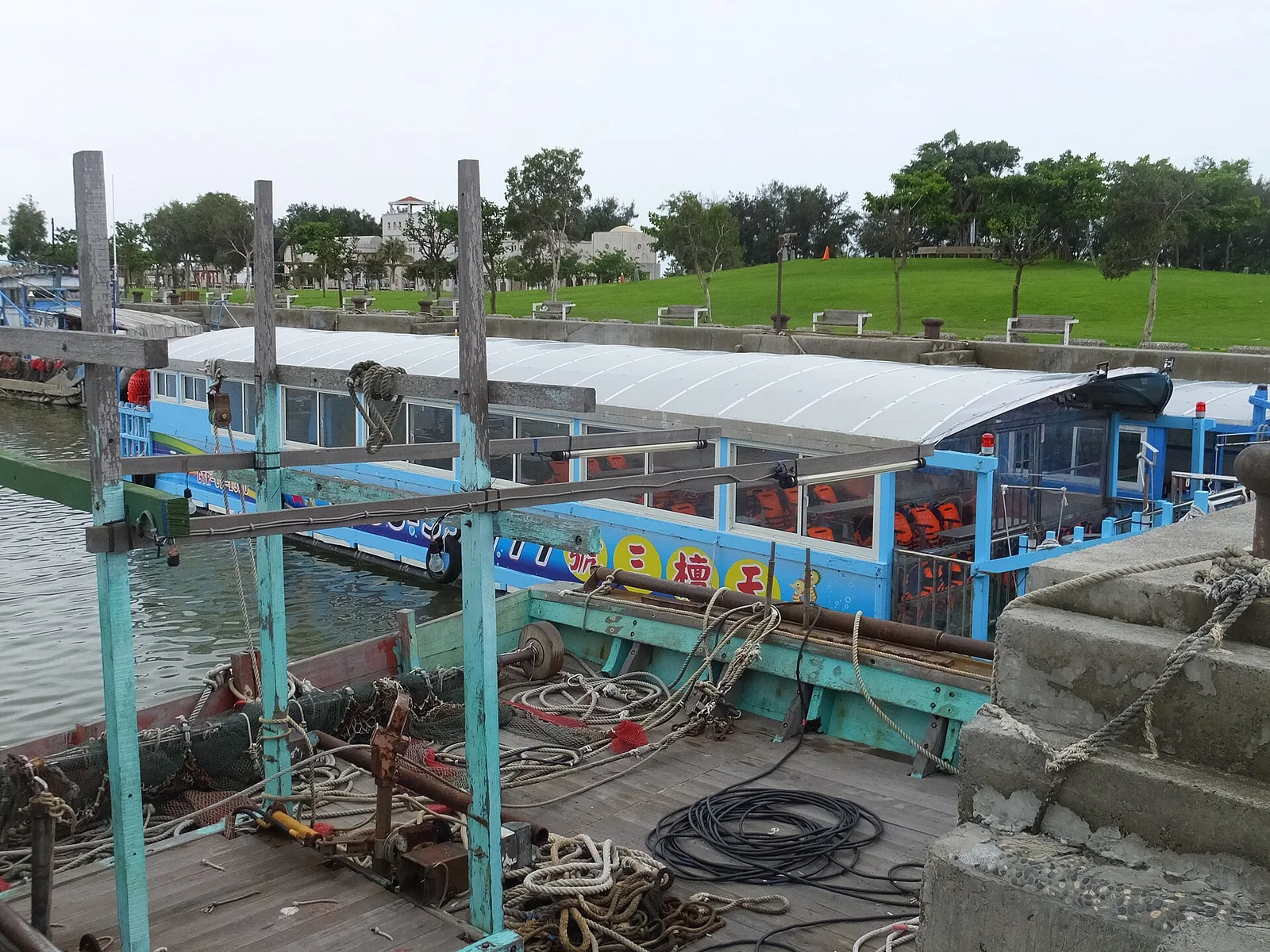
- Eat at the seafood restaurants near the fishing harbor for the freshest local catch.
🍽 Food
A signature treat made from red cactus fruit; look for it in the stalls along Central Street.
Made with small, fresh oysters harvested around Penghu, best enjoyed at the night market stalls.
A traditional steamed dessert (Fagao) that is a popular gift item in local bakeries.
🛍 Shopping · 🧘 Quiet spots
The place for handcrafted jewelry made from local stones (agate) and traditional crafts.
Great for buying dried seafood and various fish-based snacks unique to Penghu.
A peaceful seaside area during the day, great for a walk with views of the bay.
A relaxed spot to watch the fishing boats and enjoy the fresh sea breeze.
Water temperature…
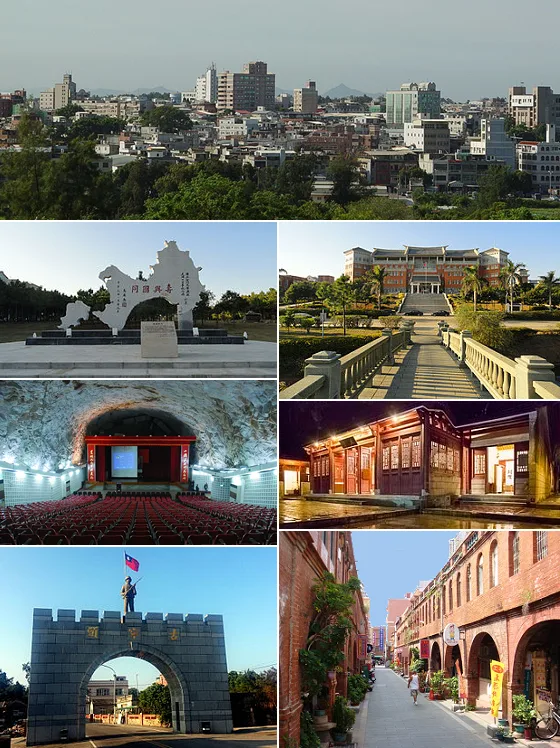
Magong is the central city and administrative capital of the Penghu Islands, an archipelago in the Taiwan Strait. As the oldest city in Taiwan, Magong has a rich maritime history dating back to the Song Dynasty, when it served as a shelter for fishermen and traders. The city is named after the Mazu Temple, the oldest temple dedicated to the sea goddess in Taiwan, established in the early 17th century. During the 19th and 20th centuries, Magong was a strategic military outpost for both the Qing Dynasty and the Japanese Empire due to its sheltered deep-water harbor. Today, the city is a bustling tourist hub, known for its basalt formations, traditional stone weirs, and the annual fireworks festival. The economy relies heavily on fishing, tourism, and government services. Magong's geography is defined by its low-lying terrain and exposure to strong seasonal monsoon winds.
- Location: Taiwan
- Top sights: Shetoushan · Chang Yu-sheng Memorial Museum · Beijia Beichen Temple
- Nearby: Penghu Qimei (25 km)
- Population: ~63.745 (2025)
Best time to visit & climate
The most pleasant time to visit is Feb, Nov, Dec.
| Jan | Feb | Mar | Apr | May | Jun | Jul | Aug | Sep | Oct | Nov | Dec | |
|---|---|---|---|---|---|---|---|---|---|---|---|---|
| Avg °C | 18 | 18 | 20 | 23 | 25 | 27 | 28 | 28 | 28 | 25 | 23 | 20 |
| Rain mm | 58 | 49 | 87 | 106 | 177 | 243 | 186 | 263 | 152 | 47 | 53 | 56 |
Geography
Facts
- Magong was upgraded to a county-administered city on December 25, 1981.
- The city covers a land area of 34.00 square kilometers on the main Penghu island.
- The Penghu Mazu Temple is a national first-class historic site built before 1604.
- Magong is connected to other islands via the 2,494-meter long Penghu Great Bridge.
- The city experiences strong winds exceeding 10 meters per second during the winter monsoon.
- Tourism accounts for approximately 40% of the city's annual economic revenue.
Explore nearby
Notable places around
Route planner — Car & Motorhome
Where do you start? We build the route here, with stops and country notes along the way.
© OpenStreetMap contributors · OpenRouteService
Sights in the town Magong (11)
Frequently asked questions
What is Magong known for?
How do I get there?
When is the best travel time?
Is it family-friendly?
Are there local seafood?
Magong: where is it located?
Magong: what is there to see?
Magong: when is the best time to visit?
Magong: why is it worth visiting?

Nearby cities
Nature
More places