Plizio Visual Lab
Galibi Nature Reserve
Weather…
Water temperature…
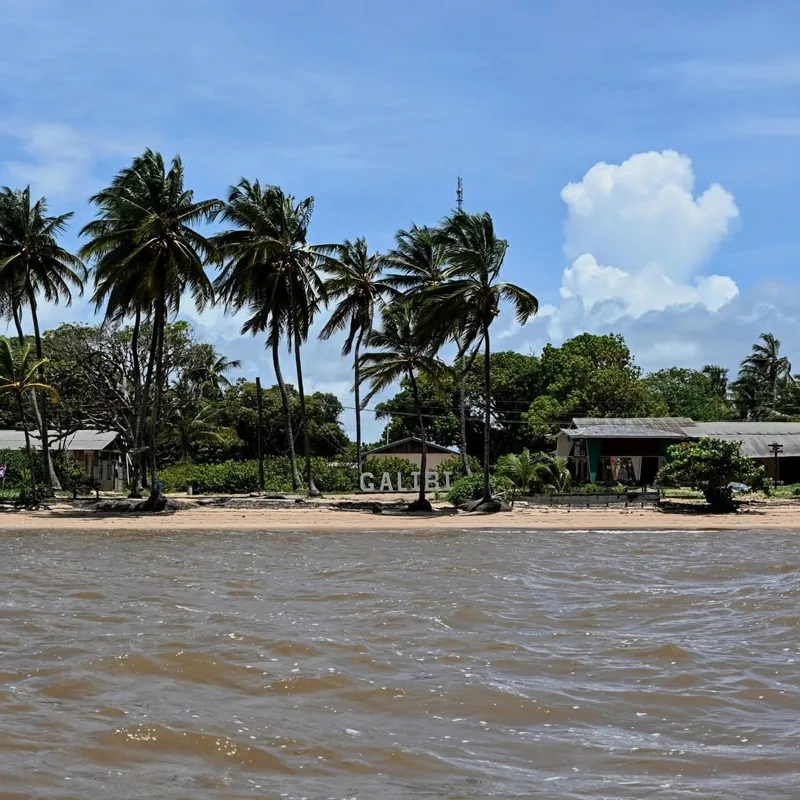
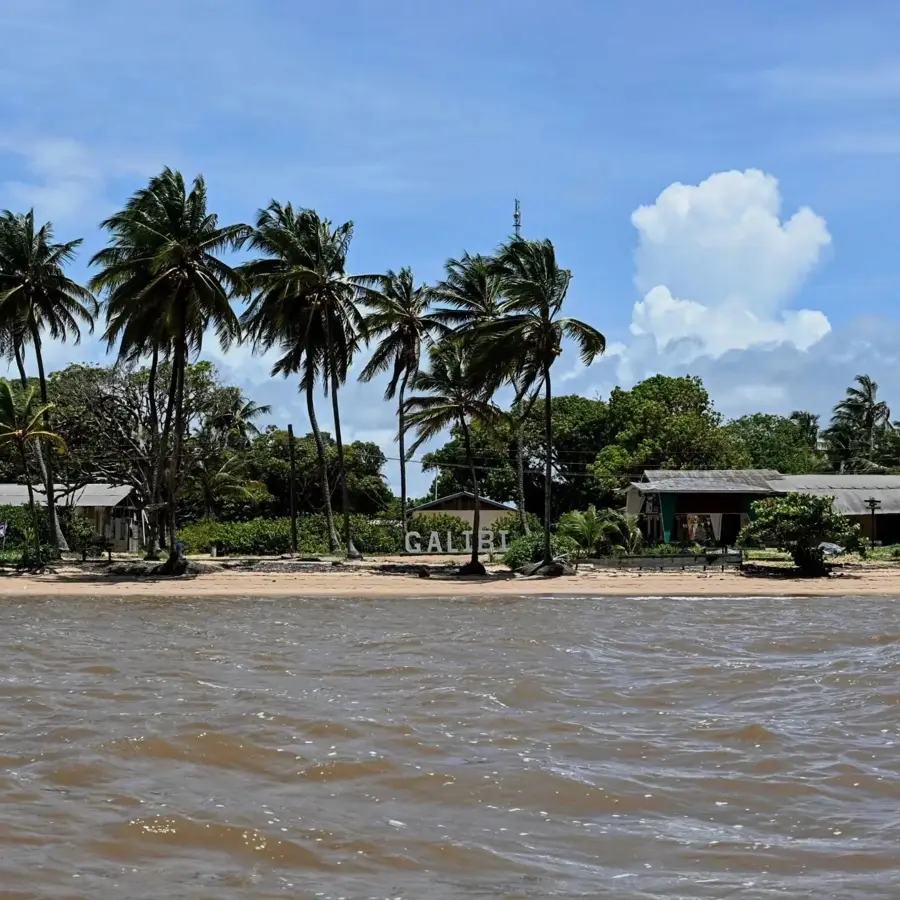
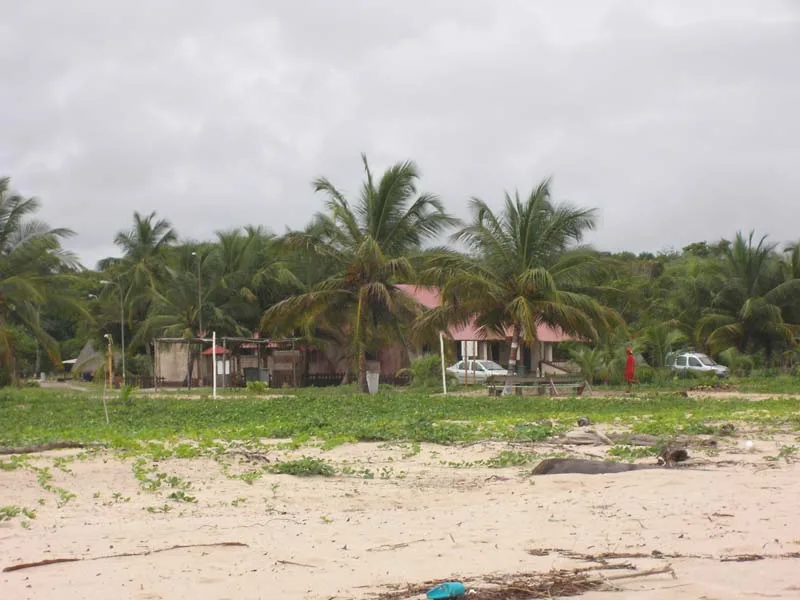
The Galibi Nature Reserve is located on the northeastern coast of Suriname at the mouth of the Marowijne River, bordering French Guiana. Established in 1969, the reserve spans approximately 4,000 hectares and consists of sandy beaches, mangroves, and brackish swamps. It gained international significance as one of the most critical nesting sites in the world for sea turtles, particularly the Leatherback and the Green turtle. From February to August, thousands of turtles arrive on the shores to lay their eggs, a vital process for their population recovery. The area is also home to indigenous Carib people living in the villages of Christiaankondre and Langamankondre, who maintain a traditional lifestyle. Environmental management in the reserve focuses on protecting nesting sites from erosion and human interference. The dynamic coastal environment provides a habitat for various shorebirds and marine life, making it a key ecological site in the Guianas region.
- Location: Suriname
- Nearby: Galibi Nature Reserve (9 km)
Best time to visit & climate
The most pleasant time to visit is Sep–Nov.
| Jan | Feb | Mar | Apr | May | Jun | Jul | Aug | Sep | Oct | Nov | Dec | |
|---|---|---|---|---|---|---|---|---|---|---|---|---|
| Avg °C | 26 | 26 | 27 | 27 | 27 | 27 | 27 | 27 | 28 | 28 | 27 | 27 |
| Rain mm | 146 | 117 | 110 | 203 | 306 | 255 | 176 | 94 | 47 | 52 | 85 | 163 |
📋 Practical info
Geography
Facts
- The reserve was established in 1969.
- Covers a total area of approximately 4,000 hectares.
- Critical nesting site for the Leatherback sea turtle.
- Nesting season occurs between February and August.
- Home to the indigenous Carib villages of Langamankondre and Christiaankondre.
- Located at the mouth of the Marowijne River on the French Guiana border.
Explore nearby
Notable places around


Route planner — Car & Motorhome
Where do you start? We build the route here, with stops and country notes along the way.
© OpenStreetMap contributors · OpenRouteService
Sights nearby
Frequently asked questions
When can you see sea turtles?
How do you get to Galibi?
Is it allowed to be on the beach at night?
Is there accommodation available?
Is it safe to swim in the sea?
Galibi Nature Reserve: where is it located?
Galibi Nature Reserve: when is the best time to visit?
Galibi Nature Reserve: why is it worth visiting?
Nearby cities
History & landmarks
Nature
More places