Plizio Visual Lab
Riba-roja de Túria
ℹ️Practical info — Riba-roja de Túria
▾
🌤 Weather — 5 days
📍 Nearby
Sights nearby
💡 Tips
- Take Metrovalencia Line 9 for a direct and cheap ride from Valencia city center to Riba-roja.
- The Visigothic museum (Muca) in the castle is fascinating, but double-check opening times as it usually closes on Mondays.
- The best way to arrive is actually by cycling the Turia River Natural Park trail directly from Valencia.
- Parking in the historic core is very tight; leave your car on the outskirts near the river and walk.
🍽 Food
A traditional baked rice dish; look for local family-run restaurants near the town center.
A classic Valencian sponge cake, excellent for breakfast from any local bakery.
Enjoy tapas with local wine in the lively bars around the Plaza del Ayuntamiento.
🛍 Shopping · 🧘 Quiet spots
The best spot to buy fresh Valencian oranges, local cheeses, and cured meats.
Browse the small shops in the historic center for unique ceramics and traditional crafts.
Follow the shaded paths along the river for a peaceful walk or a relaxing picnic.
The pedestrian areas around the old castle offer a quiet, historical atmosphere.
Water temperature…
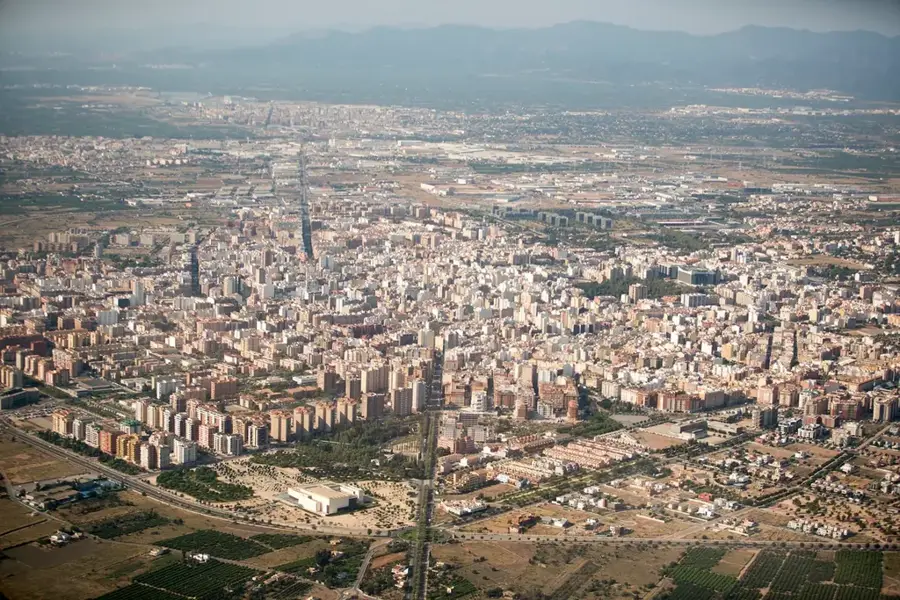
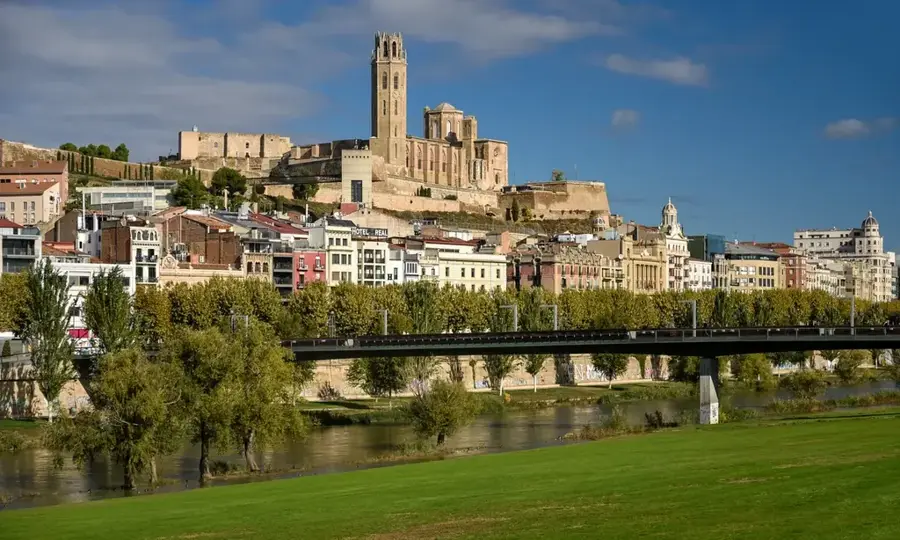
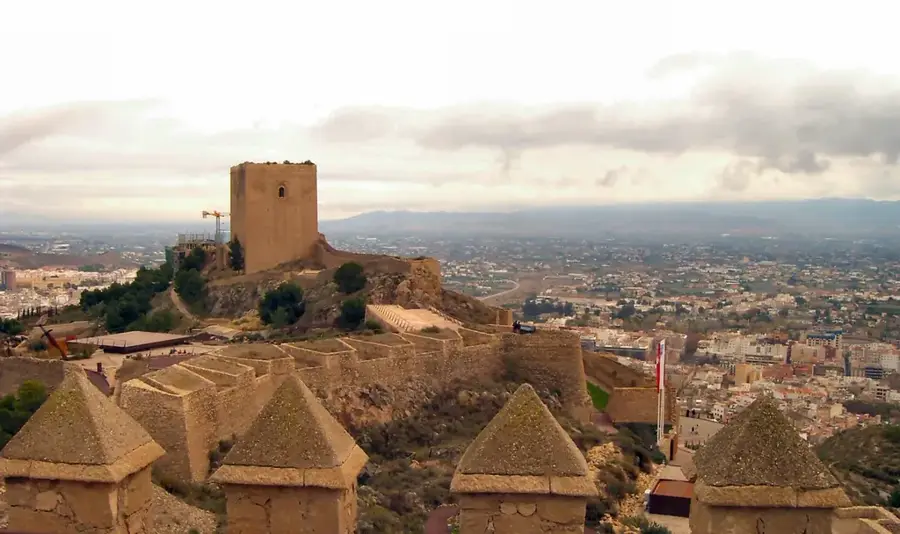
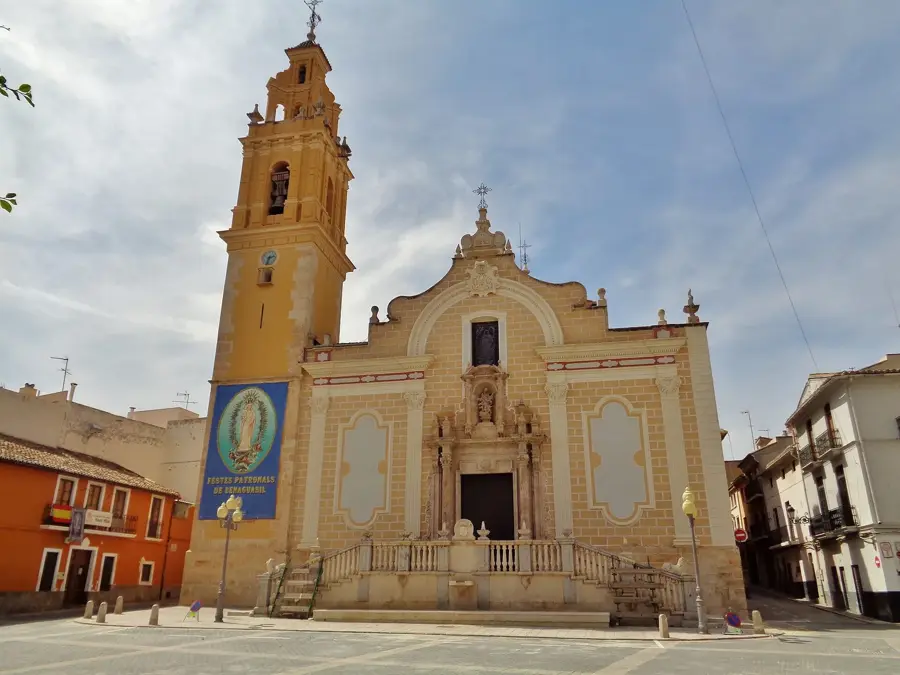
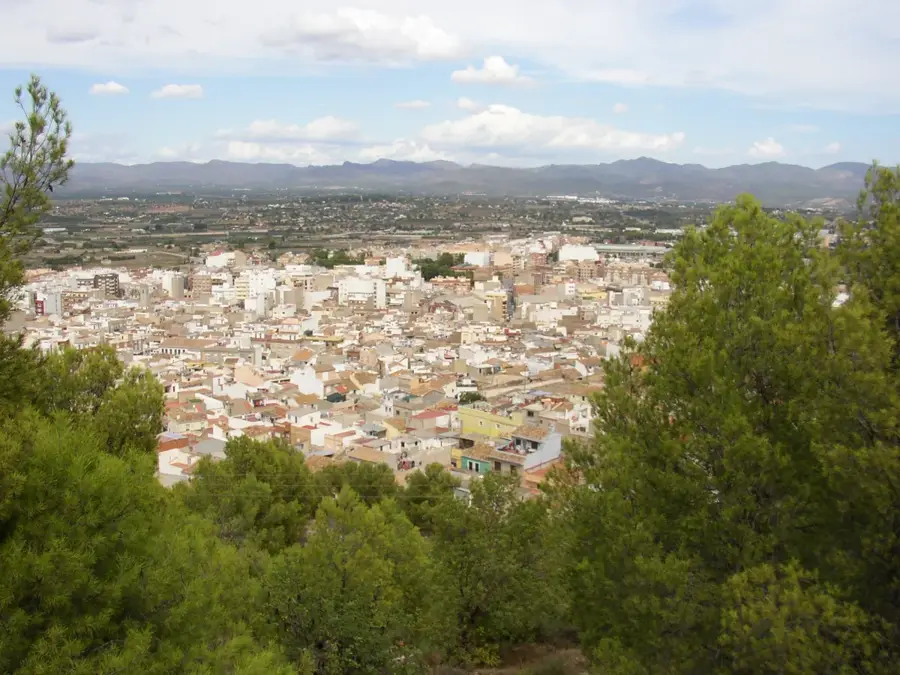
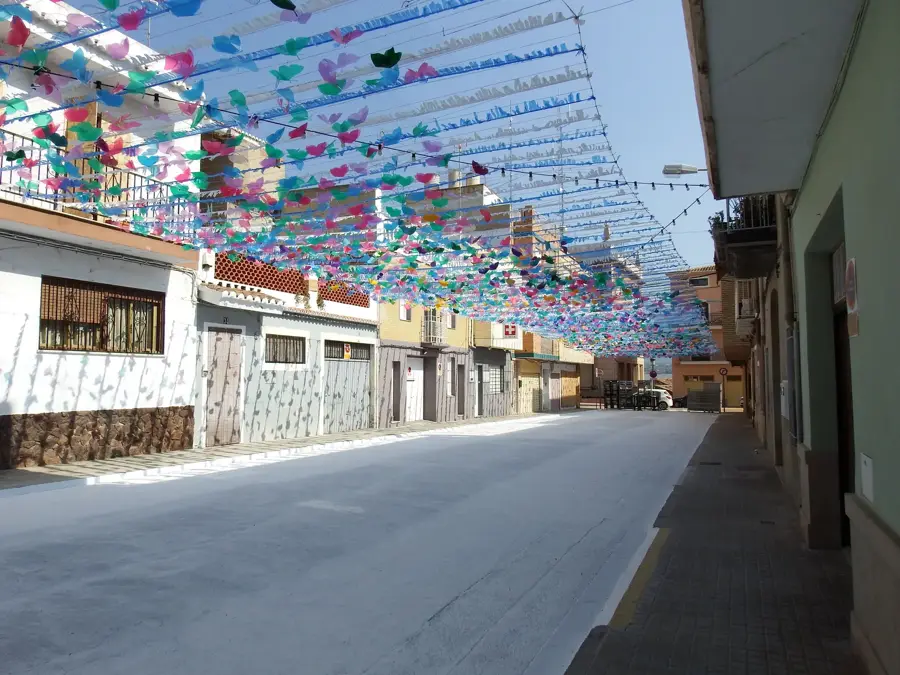
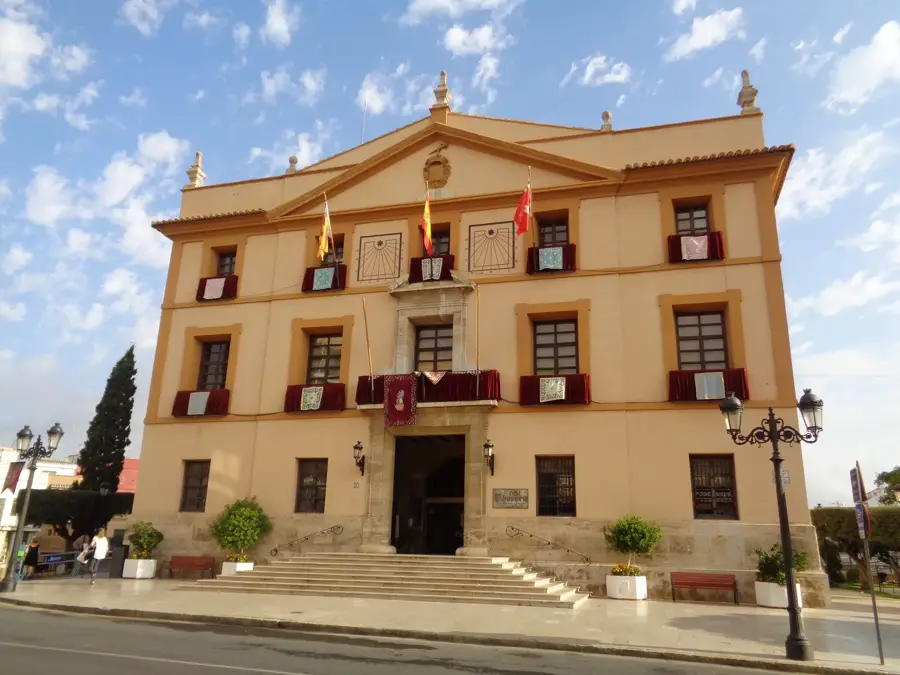
Riba-roja de Túria is a municipality in the province of Valencia, picturesquely located on the banks of the Turia River. The town is part of the Turia Natural Park, making it an attractive spot for nature lovers and outdoor enthusiasts. The history of Riba-roja is long and varied, but its most notable historical site is Pla de Nadal, an exceptionally well-preserved 7th-century Visigothic residence. The artifacts found during excavations are considered some of the most important examples of Visigothic art in Spain. The town center of Riba-roja is dominated by its castle, a robust structure that has served various purposes over the centuries and is now a town landmark. The bridge over the Turia and the remains of the old city walls also add to its historic charm. Culturally, the town celebrates traditional Valencian festivals with great enthusiasm, including the Fallas in March and the festivities in honor of the Holy Christ of the Agonies in September. The local economy, once dominated by agriculture, now benefits from its proximity to Valencia and a large industrial estate. Accessibility is a major advantage for Riba-roja. There is a direct metro connection to Valencia, linking the town to the heart of the capital in under 30 minutes. This makes Riba-roja a handy place of residence for commuters and an easily reachable destination for tourists looking for an off-the-beaten-path excursion. Spring and autumn are convenient seasons to visit, to take advantage of the pleasant weather for walks along the river or exploring the historical sites.
- Location: Galicia, Spain
- Top sights: Aqüeducte Romà de Porxinos · Castell de Riba-roja de Túria
- Nearby: L'Eliana (4 km)
- Population: ~21.992
Best time to visit & climate
The most pleasant time to visit is May, Jun, Sep.
| Jan | Feb | Mar | Apr | May | Jun | Jul | Aug | Sep | Oct | Nov | Dec | |
|---|---|---|---|---|---|---|---|---|---|---|---|---|
| Avg °C | 8 | 9 | 12 | 14 | 18 | 23 | 26 | 26 | 22 | 18 | 12 | 9 |
| Rain mm | 30 | 25 | 40 | 42 | 38 | 21 | 9 | 18 | 49 | 44 | 46 | 33 |
Geography
Facts
- Full name is Riba-roja de Túria.
- Located on the banks of the Turia River.
- Part of the Turia Natural Park.
- Home to the important Visigothic archaeological site of Pla de Nadal.
- The townscape is dominated by a medieval castle.
- Direct metro connection to the city of Valencia.
- Pla de Nadal was a luxurious Visigothic villa.
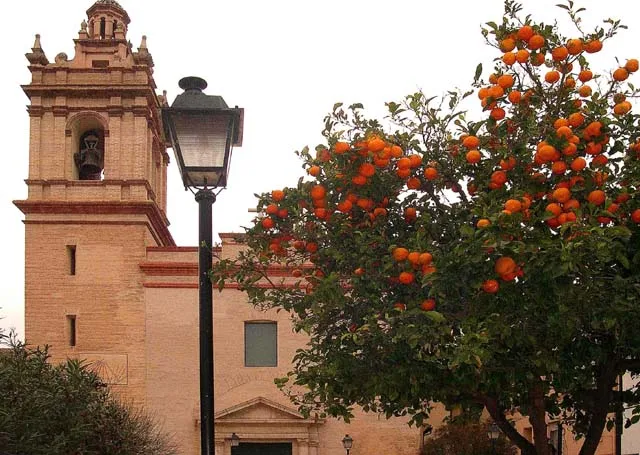
- Surrounded by fertile land used for growing citrus and vegetables.
Explore nearby
Notable places around
Route planner — Car & Motorhome
Where do you start? We build the route here, with stops and country notes along the way.
© OpenStreetMap contributors · OpenRouteService
Sights in the town Riba-roja de Túria (2)
Frequently asked questions
Riba-roja de Túria: where is it located?
Riba-roja de Túria: what is there to see?
Riba-roja de Túria: when is the best time to visit?
Riba-roja de Túria: why is it worth visiting?

Nearby cities