Plizio Visual Lab
Oliva
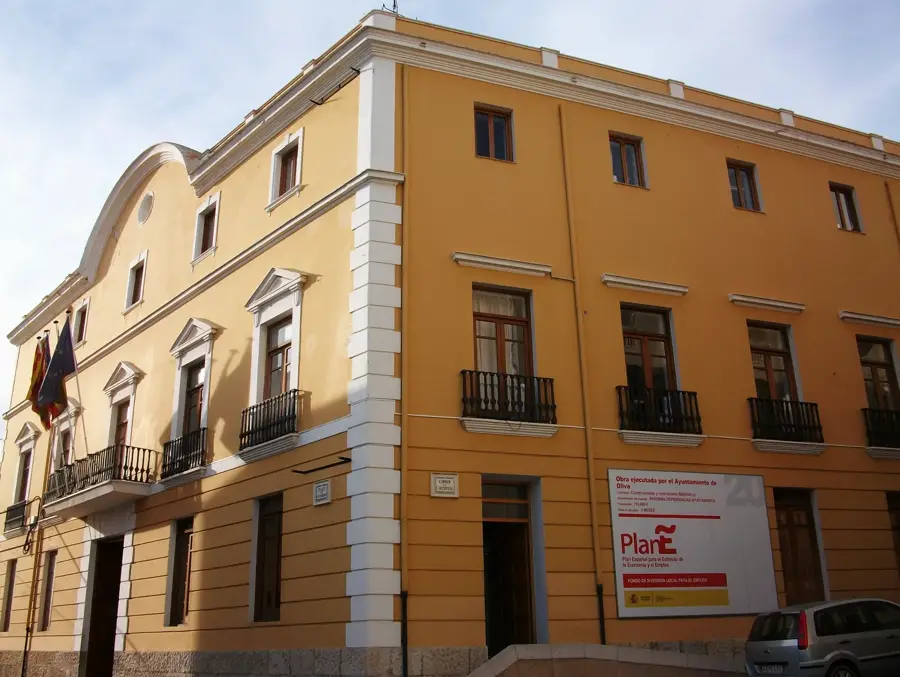
ℹ️Practical info — Oliva
▾
🌤 Weather — 5 days
📍 Nearby
Sights nearby
💡 Tips
- The town is divided into the historical center and the beach area, located about 2km apart; local buses run between them in summer.
- Explore the narrow, steep streets of the old Moorish quarter (El Raval) to feel the town's history.
- Don't miss the Friday municipal market on the Paseo Lluís Vives, considered one of the most bustling in the region.
- The beaches here boast natural sand dunes; always stick to the wooden walkways to protect the local flora.
🍽 Food
A highly traditional Valencian meatball made of liver and lean pork, usually grilled and served with bread.
Stuffed peppers filled with rice and pork, a truly authentic dish found in local eateries in the old town.
Forget paella for a day and try this rich, oven-baked rice dish cooked in a clay pot with chickpeas and garlic.
🛍 Shopping · 🧘 Quiet spots
Held along the Paseo Lluís Vives, it’s the best place to buy fresh Valencian oranges, olives, and local crafts.
Visit a traditional local bakery (horno) to buy sweet potato pastries (pastissets de moniato) or savory cocas.
Take a dip in this natural thermal spring located just outside town, where the water stays comfortably warm year-round.
A peaceful wetland reserve first-rate for bird watching, cycling, and quiet walks among the rice fields.
Water temperature…
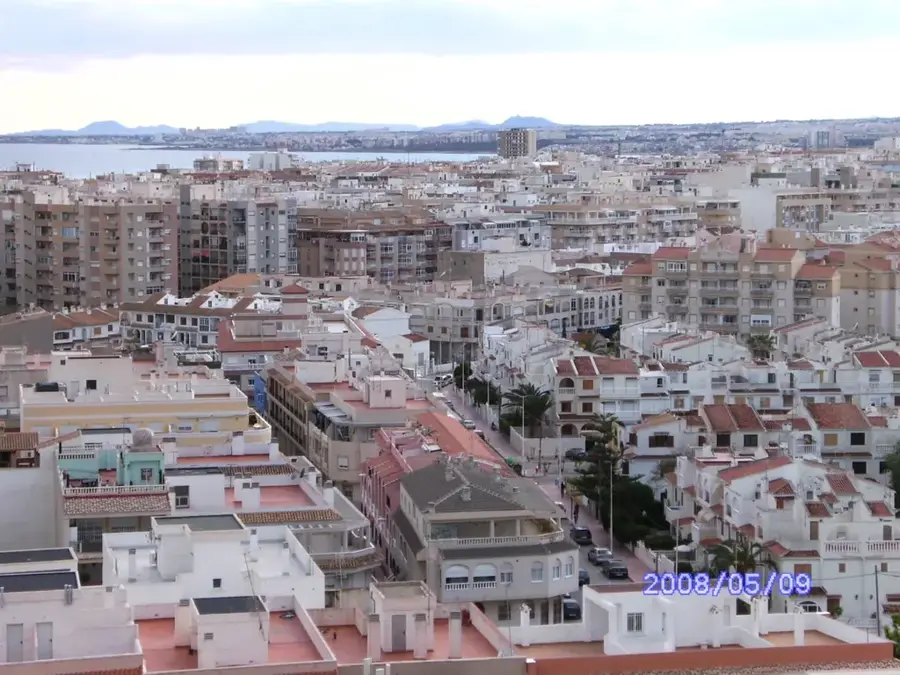
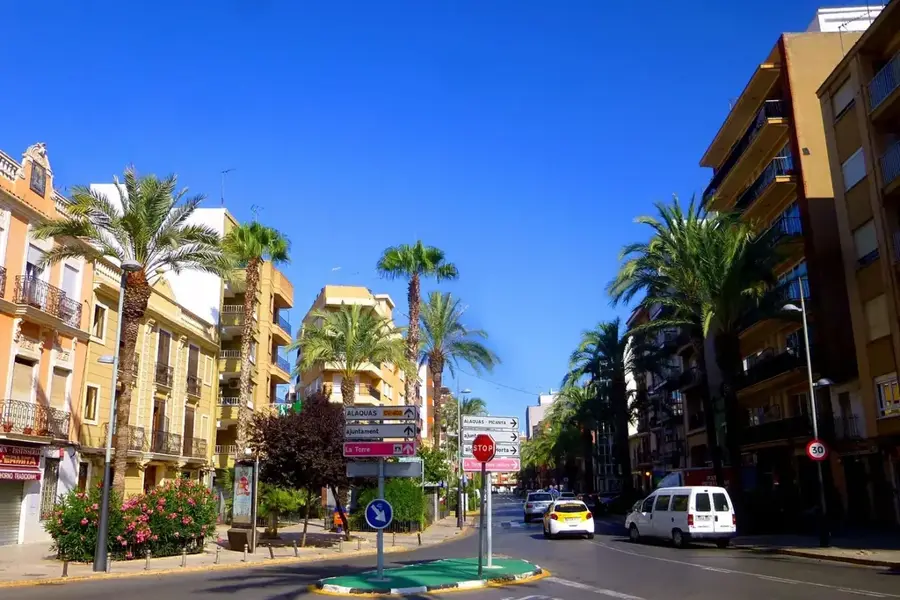
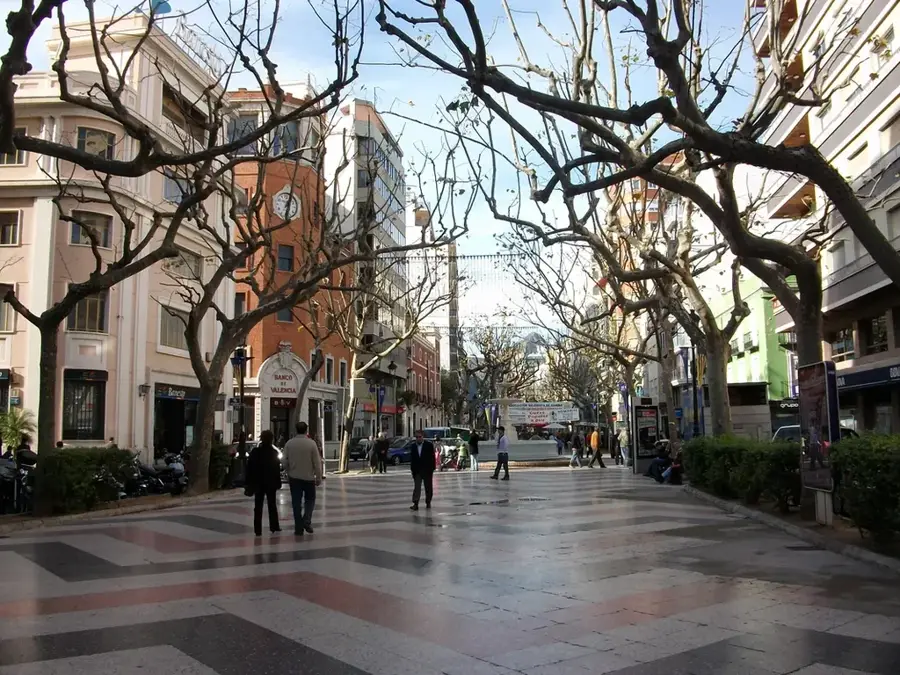
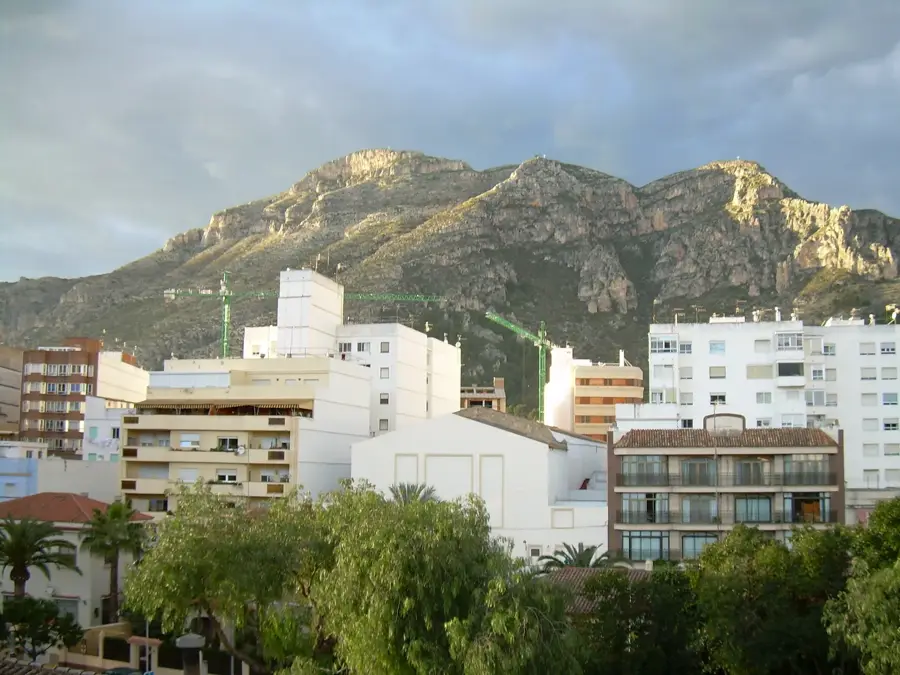
Oliva is a photogenic town in the province of Valencia, located on the sun-drenched Costa Blanca. It is renowned for its extensive, unspoiled beaches that stretch for nearly 10 kilometers, awarded the Blue Flag for their cleanliness and facilities. Unlike busier neighboring resorts, Oliva maintains a more relaxed, authentically Spanish atmosphere. The old town, El Raval, is a labyrinth of narrow streets shaped by Moorish and medieval architecture, leading to characterful squares and historic churches like Santa Maria la Major. Beyond its beaches, Oliva is also known for its rich gastronomy. The region is famous for its oranges and rice cultivation, which heavily influences the local cuisine. Visitors should definitely try authentic paella and fresh seafood dishes. Nature enthusiasts can explore the Marjal de Pego-Oliva Natural Park, an important wetland that is home to a diverse range of birdlife. The town hosts spirited festivals throughout the year, especially the Moors and Christians festival, celebrated with colorful parades and historical reenactments. Getting to Oliva is easy, as it's conveniently situated between the airports of Valencia and Alicante, both about an hour's drive away. The AP-7 motorway provides a direct link. The Mediterranean climate makes Oliva a year-round destination, but the best times to visit are spring and autumn, when the weather is well-suited for enjoying both the beaches and the town's sights without the peak summer crowds.
- Location: Galicia, Spain
- Top sights: Piscina Municipal · Tossal Gros · Horno romano
- Nearby: Gandia (7 km)
- Population: ~28.419
Best time to visit & climate
The most pleasant time to visit is May, Jun, Oct.
| Jan | Feb | Mar | Apr | May | Jun | Jul | Aug | Sep | Oct | Nov | Dec | |
|---|---|---|---|---|---|---|---|---|---|---|---|---|
| Avg °C | 12 | 12 | 13 | 15 | 19 | 23 | 26 | 26 | 24 | 20 | 16 | 13 |
| Rain mm | 44 | 32 | 45 | 45 | 36 | 14 | 7 | 21 | 57 | 52 | 59 | 47 |
Live webcam – Oliva
See what it looks like near Oliva right now.
Piles · 2.9 km · Open webcam on Windy · Webcams provided by Windy.com
Geography
Facts
- Located on the Costa Blanca in the province of Valencia.
- Boasts nearly 10 km of Blue Flag-awarded beaches.
- Historic old town with Moorish influences.
- Famous for its Moors and Christians festival.
- Near the Marjal de Pego-Oliva Natural Park.
- Conveniently located between Valencia and Alicante airports.
- Known for its cultivation of oranges and rice.
- Offers a variety of water sports.
Explore nearby
Notable places around

Route planner — Car & Motorhome
Where do you start? We build the route here, with stops and country notes along the way.
© OpenStreetMap contributors · OpenRouteService
Our walk through Oliva begins at the Ethnological Museum, where history feels tangible right in the morning. Around midday, we dive deeply into the ancient past and historic engineering. In the afternoon, we stroll through historic cobblestone alleys. The evening gently winds down after an inspiring cultural visit to the local theater.
Museo Etnologico
Enginy d'OLIVA
Museo arqueologico
Calle de la Hoz
Teatre Olímpia
Start your day sheltered within the Ethnological Museum to stay dry. The narrow streets of the old town provide some cover, but a sturdy umbrella is essential during Mediterranean showers. At midday, enjoy the indoor historical sites that offer a dry refuge from the rain. The evening is particularly atmospheric as city lights reflect off the wet cobblestones of the charming streets.
Museo Etnologico
Enginy d'OLIVA
Museo arqueologico
Calle de la Hoz
Teatre Olímpia
Enjoy the crisp winter air during a morning stroll through the historic district. The mild winter sun is pleasant, but a warm jacket is advised inside the cool museum walls. Make the most of the daylight for photos in the winding streets before the sun sets around 17:00. Spend a cozy evening in the city's heated cultural venues.
Museo Etnologico
Enginy d'OLIVA
Museo arqueologico
Calle de la Hoz
Teatre Olímpia
Our bike tour starts early at the old Roman oven, smoothly exploring the city's origins. At noon, we pedal through the streets to the fascinating museums in the center. The afternoon is marked by discovering local festive culture at the historic Filàs. The evening finally offers a wonderful cool-down at the municipal swimming pool.
Horno romano
Museo arqueologico
Museo Etnologico
Enginy d'OLIVA
Filà Moriscos Oliva
Piscina Municipal
Cycling in the rain requires caution on Oliva's slippery streets. Start at the Roman kilns, which offer good shelter. At midday, take longer breaks in museums to dry off and check your gear. Pay special attention to road markings and metal grates, as they become extremely slippery when wet. Conclude your day at an indoor venue like the municipal pool.
Horno romano
Museo arqueologico
Museo Etnologico
Enginy d'OLIVA
Filà Moriscos Oliva
Piscina Municipal
Winter cycling in Oliva is wonderful in the sun but requires wind protection. Start in the morning with gloves and a windproof layer. At midday, the sun warms the coastal roads, ideal for riding between museums. Finish your tour in the early afternoon, as temperatures drop quickly after the 17:00 sunset. The indoor pool offers welcome warmth afterwards.
Horno romano
Museo arqueologico
Museo Etnologico
Enginy d'OLIVA
Filà Moriscos Oliva
Piscina Municipal
We first drive comfortably to Tossal Gros to enjoy the spectacular scenic view in the clear morning sun. Then the driving route takes us to the historic and picturesque Calle de la Hoz in the center. In the afternoon, we explore cultural roots in museums and local festival clubs. The evening is spent perfectly relaxed and refreshed at the public pool area.
Tossal Gros
Calle de la Hoz
Museo Etnologico
Horno romano
Filà Tuareg Oliva
Piscina Municipal
Exploring Oliva by car is the most comfortable option in the rain. Start at the Tossal Gros viewpoint, but stay in the car during heavy downpours. At midday, the central museums offer excellent nearby parking and dry cultural spaces. Watch out for aquaplaning on the coastal roads. The day ends in a relaxed manner at the city's sheltered sports facility.
Tossal Gros
Calle de la Hoz
Museo Etnologico
Horno romano
Filà Tuareg Oliva
Piscina Municipal
A winter car tour offers flexibility and warmth. Start in the morning at Tossal Gros, when the low sun bathes the coast in golden light. At midday, you can easily reach the city museums, which are pleasantly tempered. Note that daylight fades around 17:00, so plan your return trip before dark. The sports facility provides a warm conclusion to the day.
Tossal Gros
Calle de la Hoz
Museo Etnologico
Horno romano
Filà Tuareg Oliva
Piscina Municipal
Sights in the town Oliva (14)
Frequently asked questions
What are the best beaches in Oliva?
What can you visit in the old town?
Which nature park is nearby?
Are there good sports opportunities?
How is the climate in Oliva?
Oliva: where is it located?
Oliva: what is there to see?
Oliva: when is the best time to visit?
Oliva: why is it worth visiting?

Nearby cities