Plizio Visual Lab
Castellón Ceramic Cluster
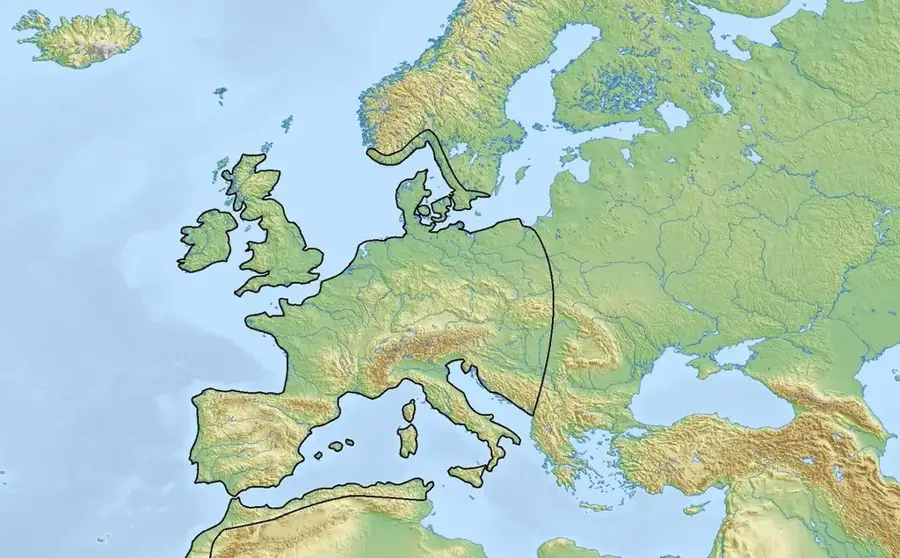
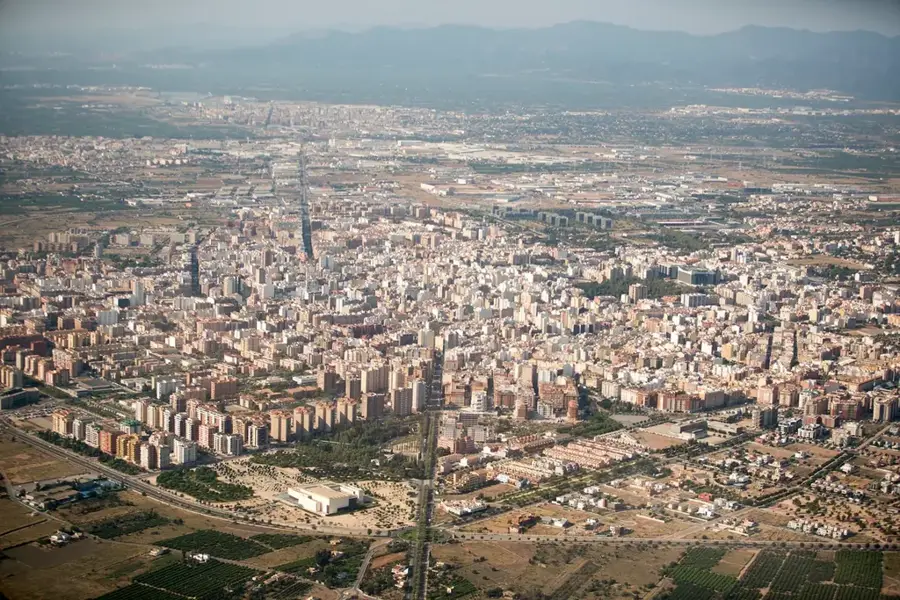
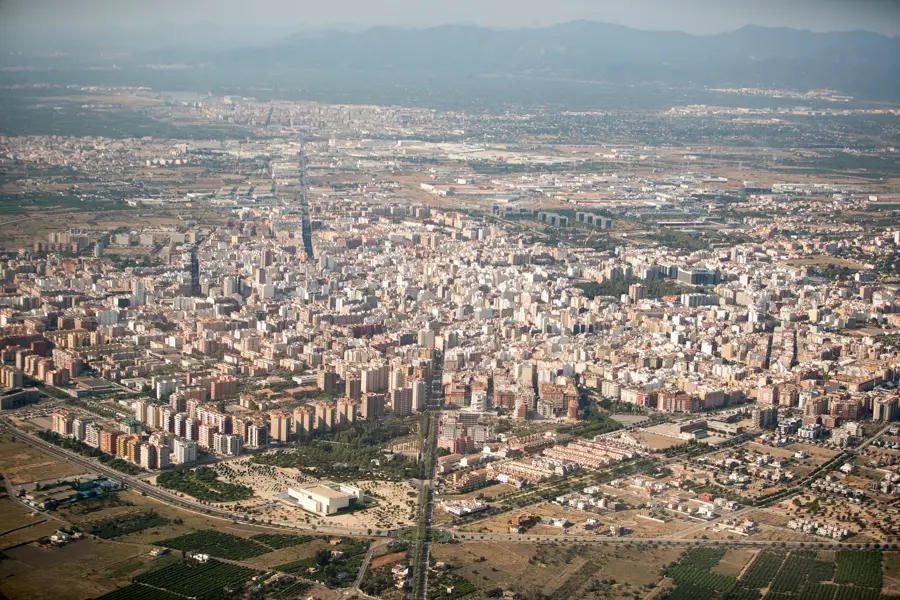
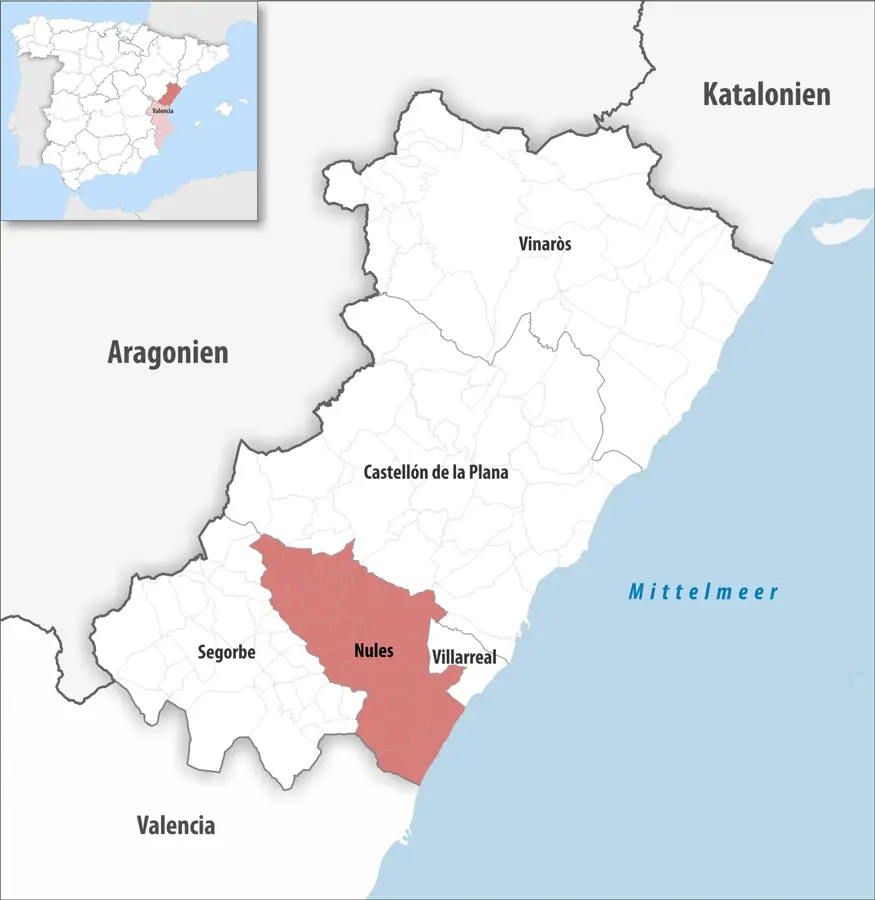
The province of Castellón in the Valencia region forms the undisputed center of the Spanish tile and ceramic industry and, alongside Sassuolo in Italy, is one of the two most important ceramic clusters in the world. In a relatively small geographical triangle, known as the 'Triángulo Azulejero', over 90 percent of national production is concentrated. This remarkable industrial agglomeration owes its origin to rich local clay deposits, but has gained a global competitive advantage through continuous innovation and the introduction of digital printing technologies on tiles. The cluster includes not only hundreds of production facilities for wall and floor tiles, but a complete ecosystem of machine builders for ceramic kilns, glaze and frit manufacturers, as well as specialized design studios. Despite the strong dependence on volatile natural gas prices for the energy-intensive kilns, the Castellón region successfully exports to over 180 countries.
- Location: Galicia, Spain
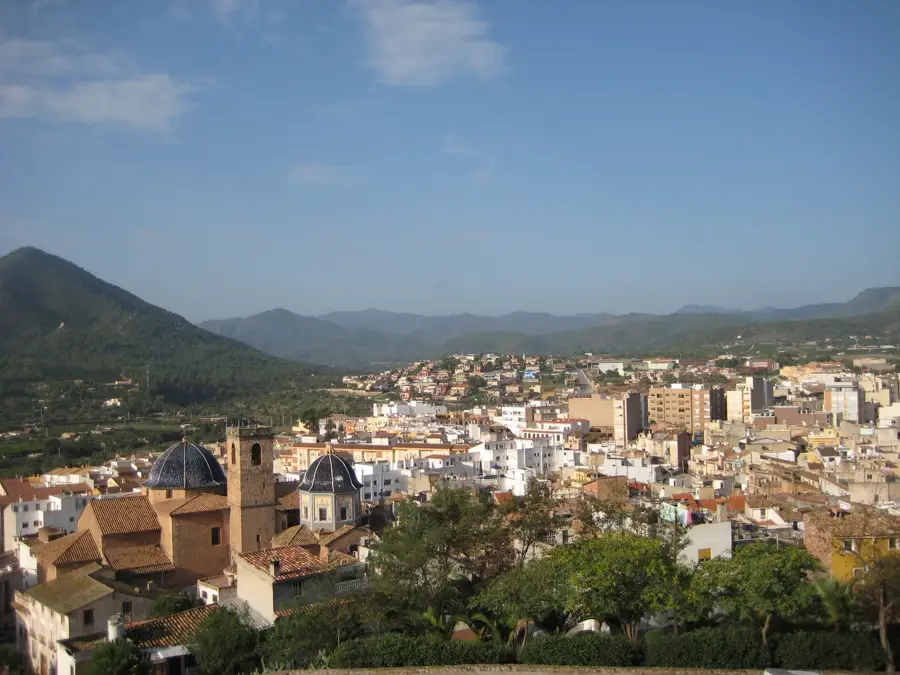
- Top sights: Monumento al Labrador de Lloréns Poy · La Panderola · Chimenea Cronista Traver
- Nearby: Castellón de la Plana (7 km)
Best time to visit & climate
The most pleasant time to visit is Jun, Jul, Sep.
| Jan | Feb | Mar | Apr | May | Jun | Jul | Aug | Sep | Oct | Nov | Dec | |
|---|---|---|---|---|---|---|---|---|---|---|---|---|
| Avg °C | 10 | 10 | 12 | 14 | 18 | 22 | 25 | 25 | 22 | 19 | 14 | 11 |
| Rain mm | 38 | 31 | 48 | 50 | 48 | 22 | 14 | 28 | 62 | 54 | 62 | 38 |
📋 Practical info
Geography
Explore nearby
Notable places around
Route planner — Car & Motorhome
Where do you start? We build the route here, with stops and country notes along the way.
© OpenStreetMap contributors · OpenRouteService
Sights in the town Castellón Ceramic Cluster (10)
Chimenea Cronista Traver
Industrial chimney named after chronicler Traver, a relic of ceramic production.
Casa de l'Oli🏛 museum
Former olive oil mill, now a museum about olive oil production and rural life.
Restes de l'antiga muralla medieval
Remains of the medieval city wall of Castellón, excavated foundations.
Auditori Municipal Músic Rafael Beltran Moner
Municipal auditorium named after musician Rafael Beltran Moner, concert venue.
Els XIII
Theatre in Castellón, offering a diverse cultural program.
Torre Motxa
Ruins of a medieval watchtower in Castellón, part of the city defenses.
Sights nearby
Frequently asked questions
What is the Castellón ceramic cluster?
Which cities belong to the 'tile triangle'?
Is there a ceramic museum in the region?
When is the industry's most important trade fair?
Why is this industry so strong here?
Castellón Ceramic Cluster: where is it located?
Castellón Ceramic Cluster: what is there to see?
Castellón Ceramic Cluster: when is the best time to visit?
Castellón Ceramic Cluster: why is it worth visiting?

Nearby cities