Plizio Visual Lab
Aqueduct of Segovia
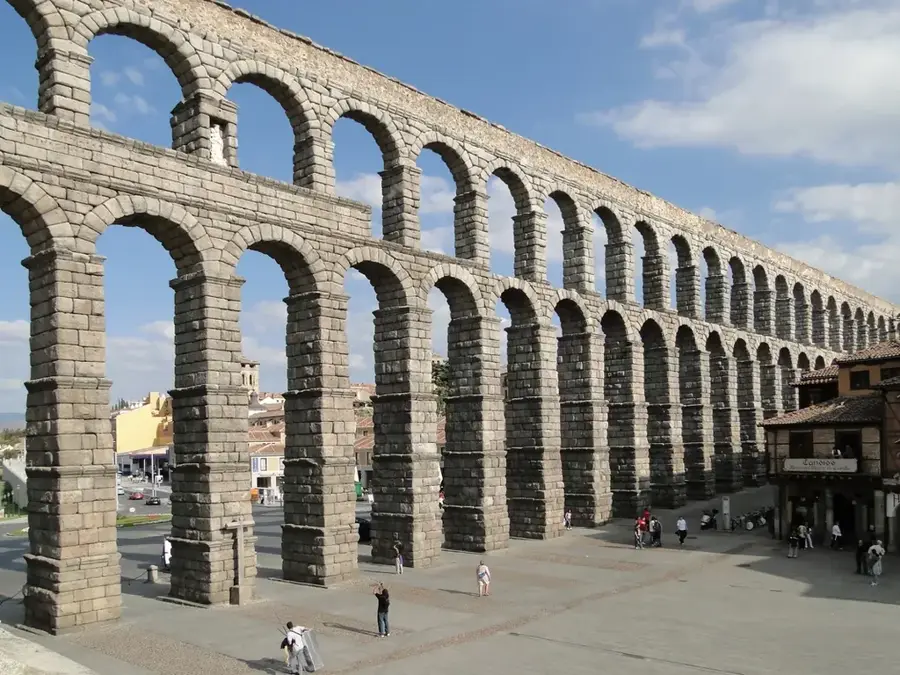
The Aqueduct of Segovia is one of the most significant and best-preserved Roman architectural monuments on the Iberian Peninsula. It was likely built in the late 1st or early 2nd century AD during the reigns of Emperor Domitian or Trajan to transport water from the Fuenfría River to the city. The entire structure stretches over a length of approximately 15 kilometers, with the most famous section being the monumental viaduct at Plaza del Azoguejo. Here, the construction reaches a maximum height of 28.5 meters and consists of two tiers of arches. A unique technical feature is the use of approximately 20,000 granite blocks, which are held together without any mortar or binding material, relying solely on their own weight and precise fitting. The aqueduct remained in continuous use until the 20th century and was designated a UNESCO World Heritage site in 1985, together with the old city of Segovia.
- Location: Galicia, Spain
- Top sights: Mirador del Acueducto · Iglesia de San Sebastián · Casa de las Cadenas
- Nearby: Guadarrama (31 km)
Best time to visit & climate
The most pleasant time to visit is Jun–Aug.
| Jan | Feb | Mar | Apr | May | Jun | Jul | Aug | Sep | Oct | Nov | Dec | |
|---|---|---|---|---|---|---|---|---|---|---|---|---|
| Avg °C | 2 | 3 | 6 | 9 | 13 | 19 | 22 | 22 | 17 | 12 | 6 | 3 |
| Rain mm | 48 | 44 | 53 | 59 | 51 | 30 | 13 | 17 | 27 | 72 | 63 | 49 |
📋 Practical info
Geography
Facts
- Built in the 1st century AD
- Features 167 individual arches
- Maximum height of 28.5 meters
- Total length of about 15 kilometers
- Constructed without mortar or cement
- UNESCO World Heritage site since 1985
Explore nearby
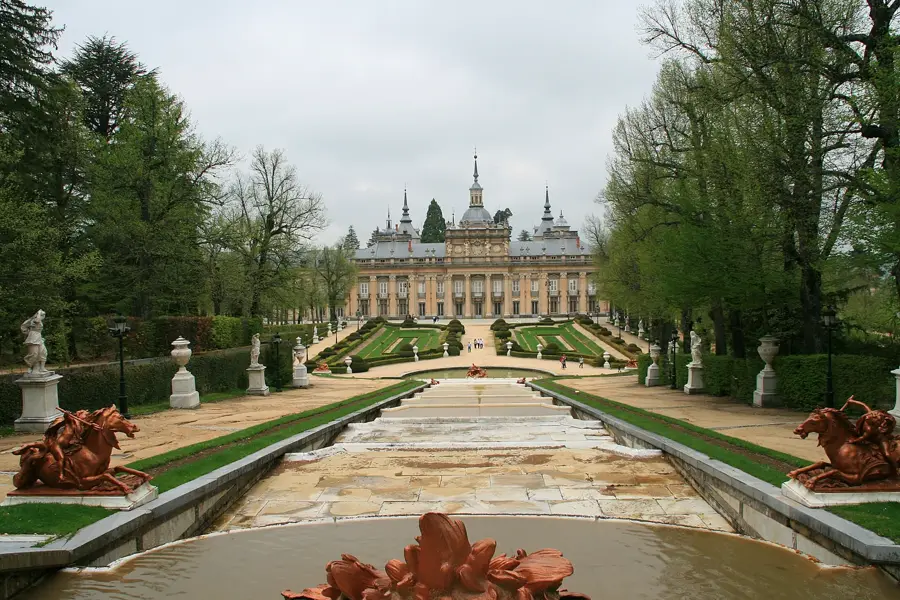
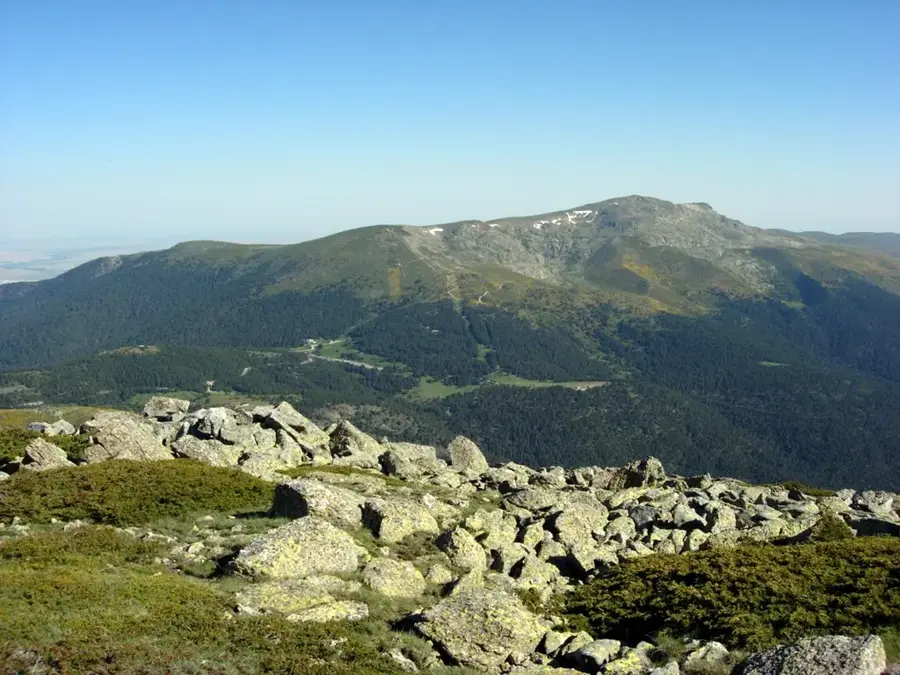
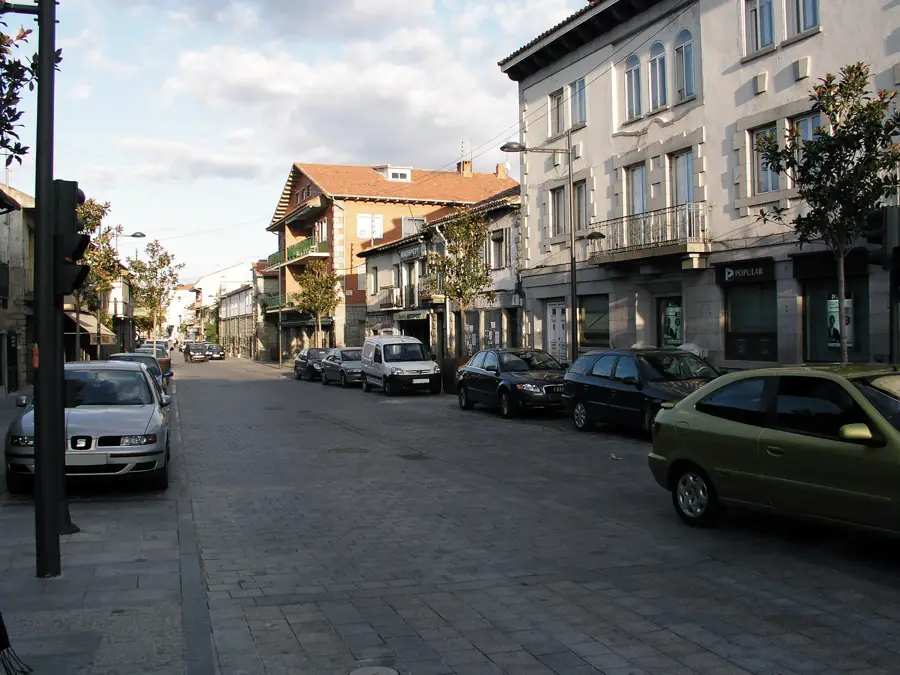
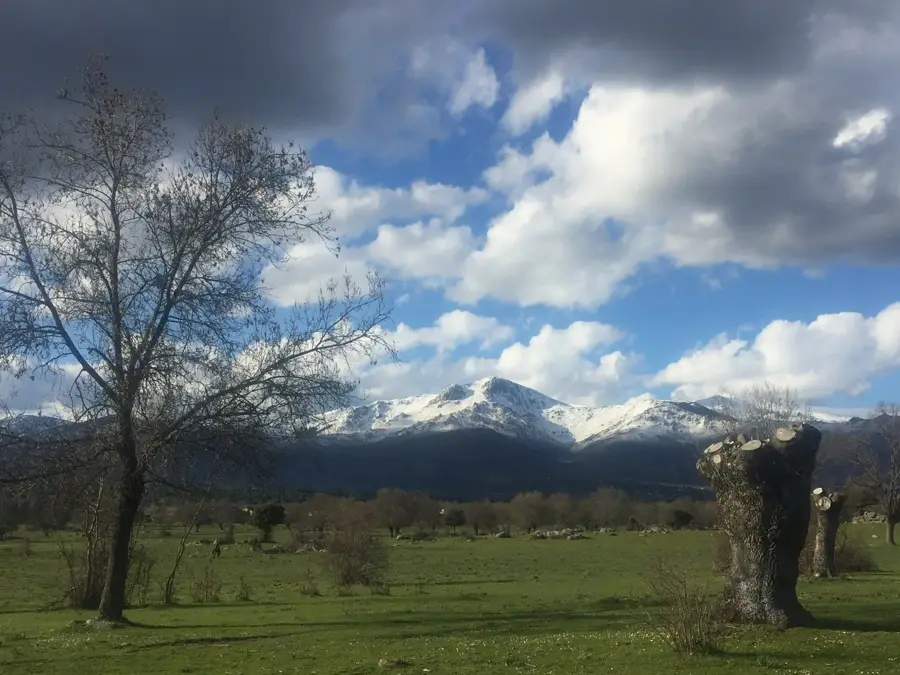
Notable places around

Route planner — Car & Motorhome
Where do you start? We build the route here, with stops and country notes along the way.
© OpenStreetMap contributors · OpenRouteService
Sights in the town Aqueduct of Segovia (10)
Casa del Marqués de Lozoya
Building in Segovia, Spain.
Palacio de Quintanar
Building in Segovia.
Antigua iglesia de San Pablo (desaparecida)
Ruins of a disappeared church in Segovia.
Iglesia de San Felipe y Santiago
Church building in Segovia, Spain.
Colección museográfica de la Academia de Artillería🏛 museum
Museum collection of the Artillery Academy in Segovia.
Palacio de Uceda-Peralta
Manor house in Segovia.
Sights nearby
Frequently asked questions
Was mortar used in the construction?
How old is the aqueduct?
What is the legend of the aqueduct?
Where is the best photo spot?
Does it cost anything to visit?
Aqueduct of Segovia: where is it located?
Aqueduct of Segovia: what is there to see?
Aqueduct of Segovia: when is the best time to visit?
Aqueduct of Segovia: why is it worth visiting?

Nearby cities