Festivity of the Virgen de la Oliva
The patron saint of Vejer is celebrated in August when her statue is transferred from the sanctuary to the town church, culminating in a grand procession on August 24th.
PlizioGo
A renowned local beef, best enjoyed in one of the traditional steakhouses scattered through the village.
A rich and savory local specialty (pork loin in lard), typically served in tapas bars or eaten for breakfast.
Fresh red tuna from the nearby coast, commonly found in seafood restaurants around the main square.
Browse the handicraft shops in the old Jewish quarter (Barrio de la Judería) for authentic souvenirs.
Look for local wine shops (enotecas) offering excellent bottles from the surrounding region.
Located just outside the main town (Los Molinos de Viento), offering a quiet spot with sweeping views of the countryside.
Walking the perimeter of the old walls and gates provides peaceful moments away from the bustling central plazas.
Water temperature…
The patron saint of Vejer is celebrated in August when her statue is transferred from the sanctuary to the town church, culminating in a grand procession on August 24th.
A magical summer night in June where the historic center of Vejer is illuminated solely by thousands of candles, accompanied by live classical music.
A high-quality boutique jazz festival in June presenting international and national artists on intimate stages throughout the walled town.
A traditional festival on Easter Sunday where bulls are run through the steep and narrow streets of Vejer's historic center.
Vejer's version of the traditional Andalusian fair, featuring equestrian displays, festive tents, sevillanas dancing, and excellent local gastronomy.
One of the most important show jumping tournaments in Europe held near Vejer (Dehesa Montenmedio), attracting thousands of horses and top international riders.
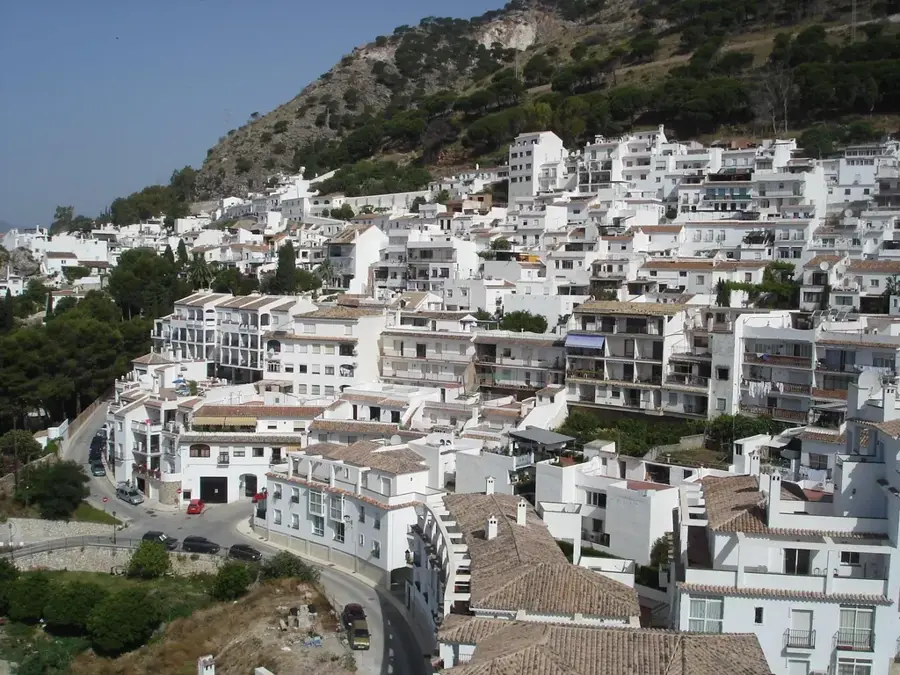
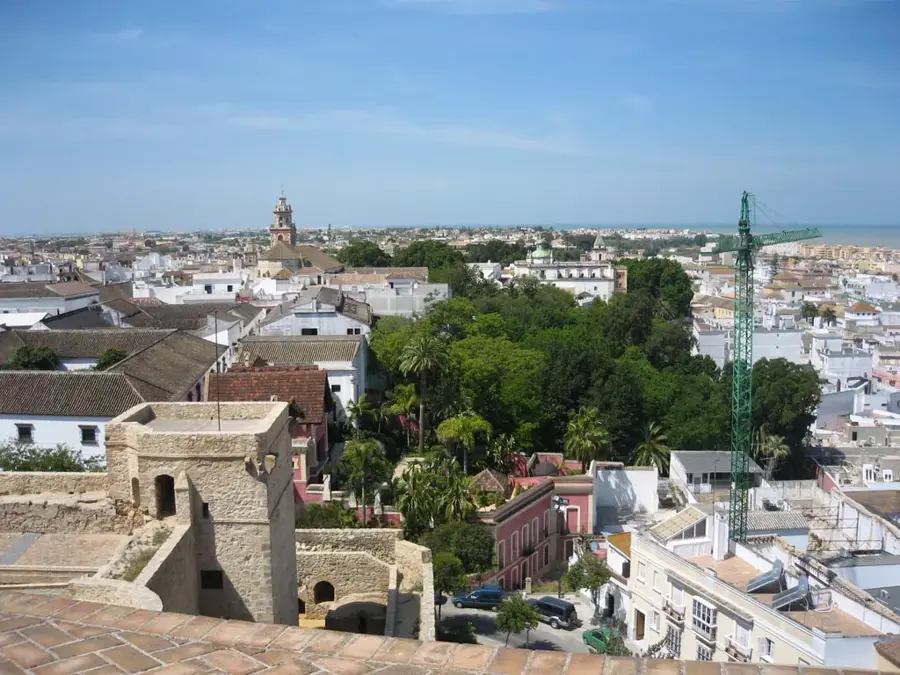
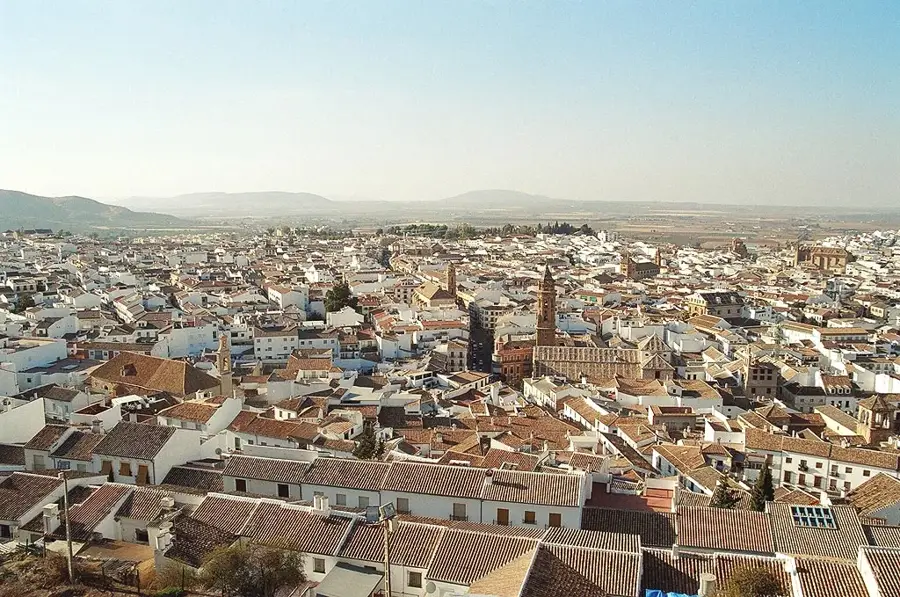
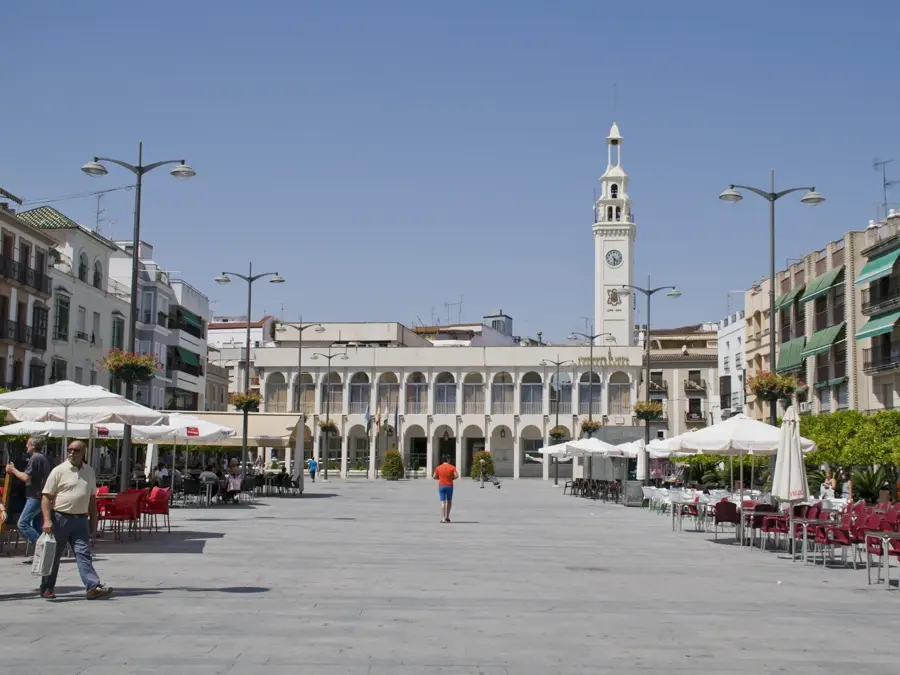
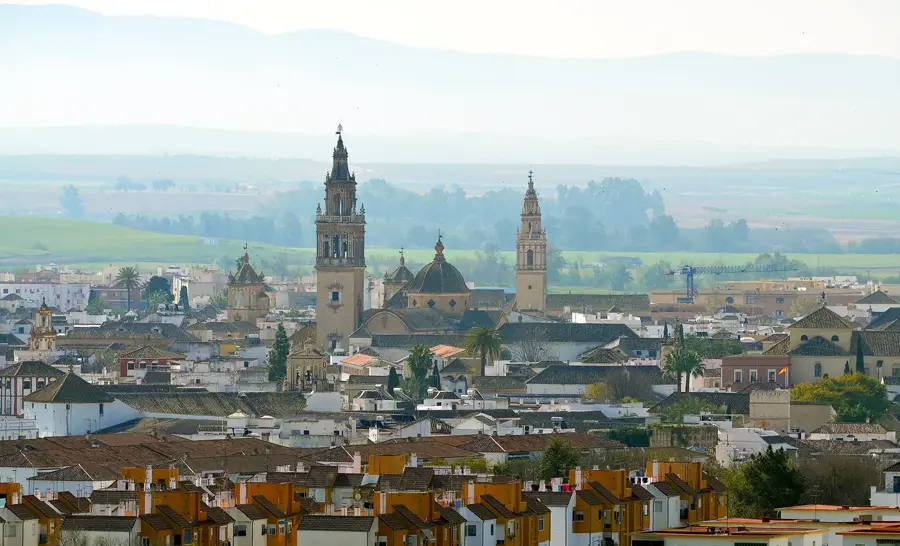
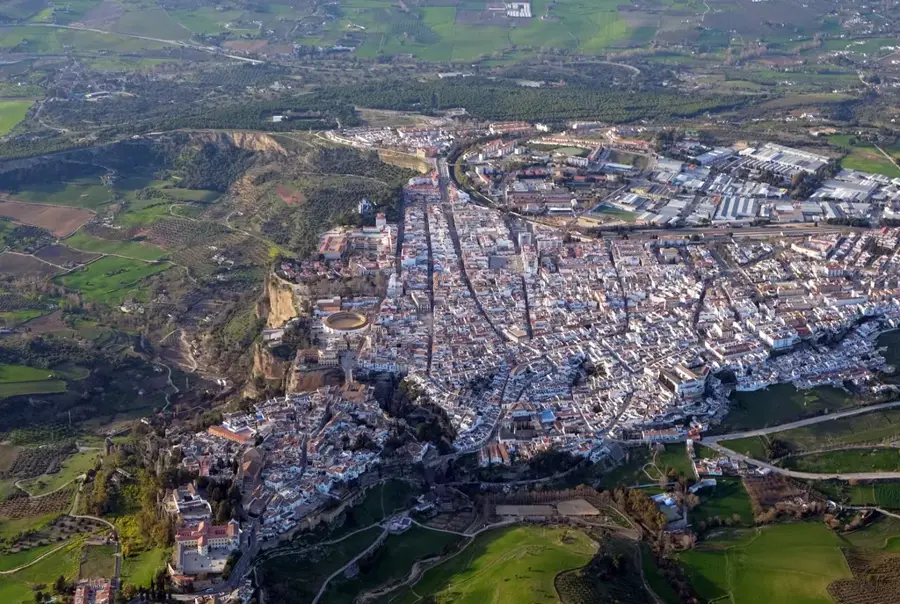
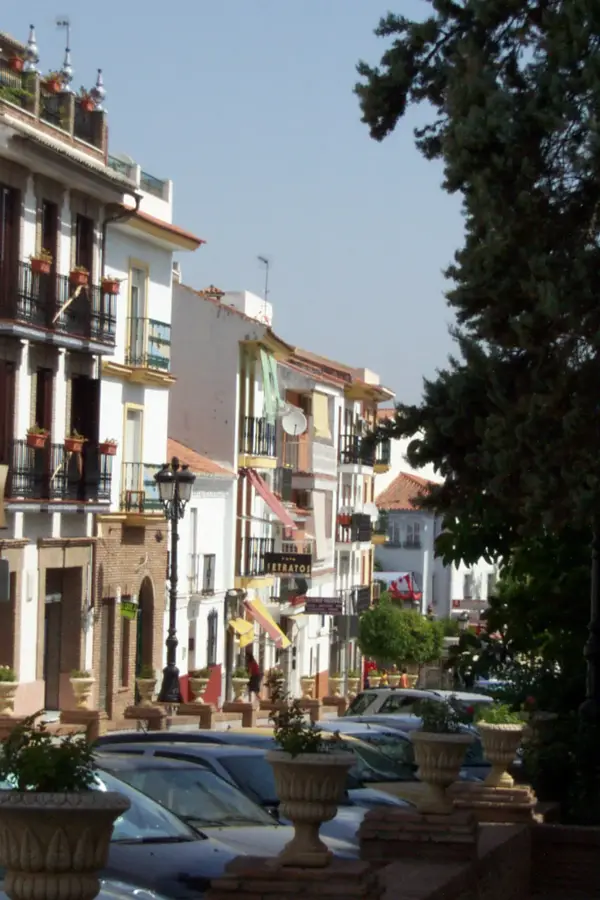
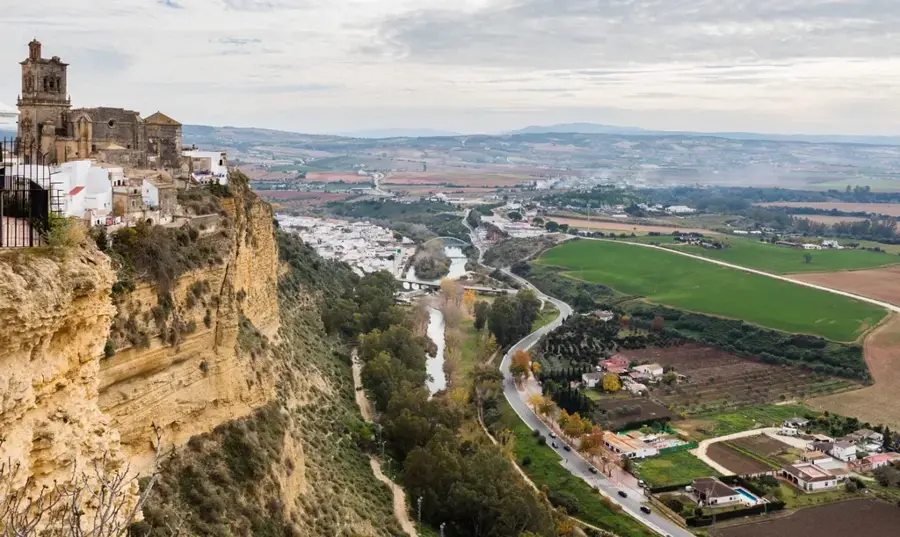
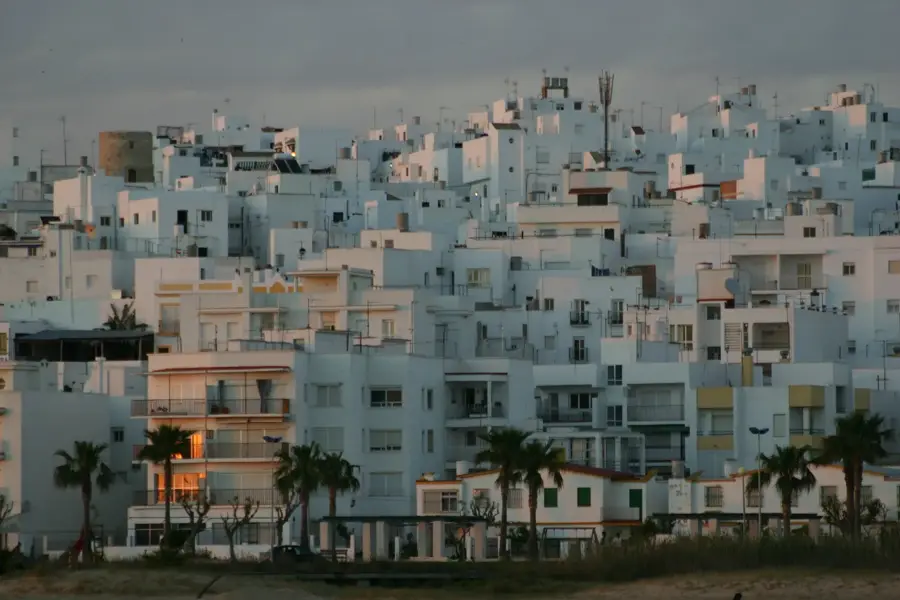
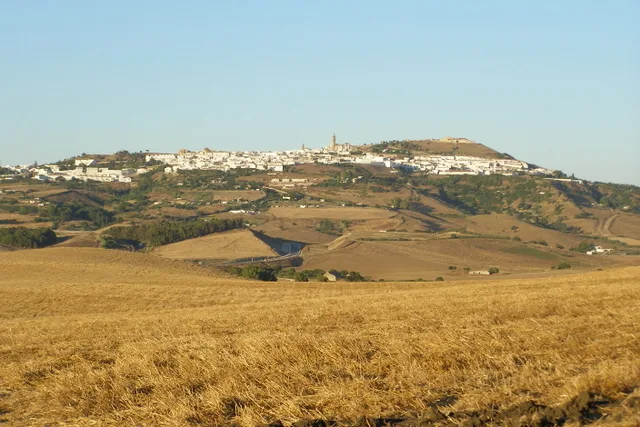
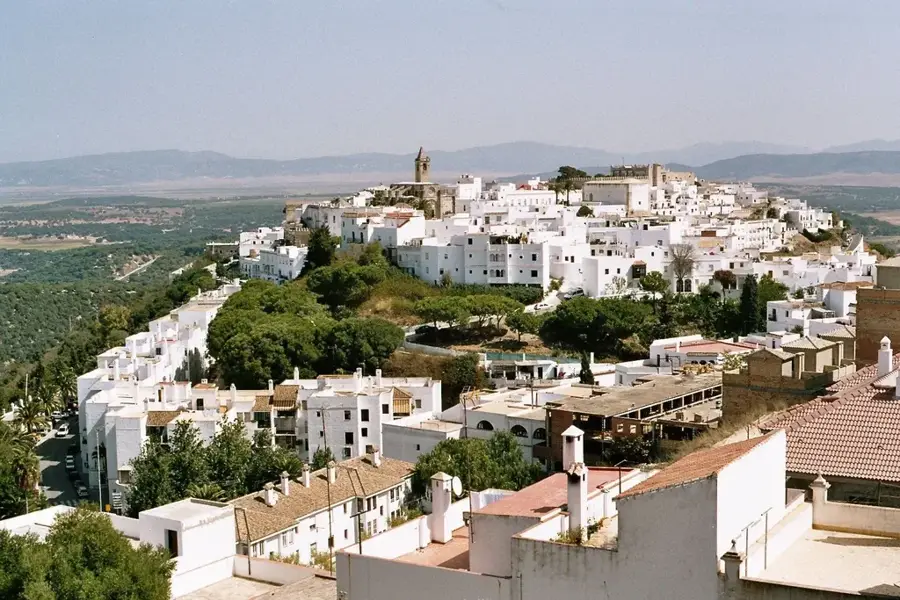
Vejer de la Frontera is often cited as the quintessential Andalusian 'Pueblo Blanco'. Perched on a rocky ridge overlooking the Barbate river, the town features a perfectly preserved medieval layout. Its historic core is enclosed by defensive walls that still retain four original gates and three towers. Within the labyrinth of narrow, whitewashed alleys, the Moorish heritage is evident at every turn, particularly in the old Jewish quarter (Judería). Social life centers around the Plaza de España, famous for its ornate tiled fountain and palm trees. Dominating the skyline is the Castillo, a castle dating back to the 10th and 11th centuries. A unique local tradition is the 'Cobijado', a traditional women's garment that resembles a veil but has Christian roots. From the town's many viewpoints, the coast of Morocco is visible on clear days. The surrounding landscape features traditional windmills once used for grinding grain.
The most pleasant time to visit is Jun, Jul, Sep.
| Jan | Feb | Mar | Apr | May | Jun | Jul | Aug | Sep | Oct | Nov | Dec | |
|---|---|---|---|---|---|---|---|---|---|---|---|---|
| Avg °C | 13 | 13 | 14 | 16 | 19 | 22 | 25 | 25 | 23 | 20 | 16 | 14 |
| Rain mm | 65 | 65 | 72 | 56 | 29 | 4 | 1 | 2 | 24 | 78 | 96 | 84 |
Notable places around
Where do you start? We build the route here, with stops and country notes along the way.
© OpenStreetMap contributors · OpenRouteService
Start your day in the heart of Vejer at Plaza de España, surrounded by palms and the famous ceramic fountain. Wander through the narrow, whitewashed streets to the Arco de la Segur, a symbol of the town's medieval defenses. At midday, explore the impressive Iglesia del Divino Salvador and the ancient walls, which offer spectacular views of the Andalusian landscape. The Castle of Vejer transports you back to the time of the Reconquista with its Moorish architecture. In the afternoon, immerse yourself in local history at the Convento de las Monjas Concepcionistas. A stop at the Mirador de la Cobijada is essential to see the iconic statue of the veiled woman, recalling the region's mysterious past. End the day at the historical windmills on the hill. Here you can feel the wind from the coast and enjoy the golden evening light over the white houses of one of Spain's most beautiful villages.
In the morning, we seek shelter in the narrow streets around Plaza de España, where the white walls block the wind. At noon, we explore the interior of the church and the city walls to stay dry. In the afternoon, the convent provides a cultural retreat from the showers. The day ends cozily in a local tavern while the rain patters against the windows.
The winter morning in Vejer is fresh and clear, ideal for a walk along the white walls. At noon, we enjoy the mild sun at Plaza de España with a warm drink. In the afternoon, the windmills glow in the golden light of the low sun. The evening begins early with a spectacular sunset over the Andalusian landscape.
This bike tour starts at the majestic windmills, leads through the historical center, and descends to the natural landscape of the Barbate River. Experience the contrast between the white mountain village and the wide marshes.
We start the tour cautiously at the windmills, where the wind whips the rain. On the way to Plaza de España, we stick to paved roads to avoid mud. The ride to the marshes becomes a real challenge but offers dramatic views. We end the day soaking wet but proud of our endurance.
On the cool winter morning, we cycle to the windmills where the air is crystal clear. The ride through the village to Plaza de España is invigorating. On the way to the marshes, we enjoy the silence of nature and birdwatching. We finish the tour in the early afternoon before the shadows in the valleys get too long and cold.
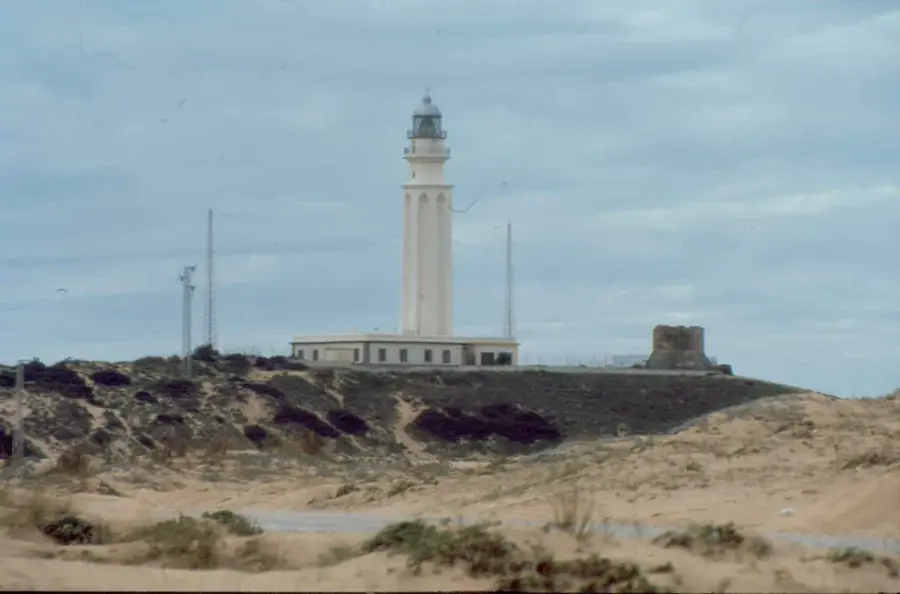
This car tour combines the charm of the mountain village of Vejer with the wild beauty of the Costa de la Luz. After visiting the white streets, drive down to the Atlantic to enjoy the breeze at El Palmar beach and visit the historic Cape Trafalgar.
We start the day comfortably in the car, heading to Plaza de España and looking for nearby parking. Visiting the castle provides shelter from the heaviest showers. Then we drive to the windmills and on to El Palmar beach to watch the roaring sea safely from the car. We end the day at Cape Trafalgar as the waves lash against the cliffs.
A pleasant winter drive leads us first to Plaza de España, shining in the clear light. Visiting the castle is very enjoyable in the mild temperatures. Later we visit the windmills and drive to the almost deserted El Palmar beach for a refreshing walk. We end the day at Cape Trafalgar to experience the perfect winter sunset over the sea.
April–June and September for hiking, views and a milder Levante. High summer is suffocatingly hot – explore mornings and evenings. Holy Week and the Easter-night 'Toro Embolao' are intense.
Very safe little hill town. Steep cobbled lanes – sturdy shoes needed. Park on the edge (free lots are signposted); the old town is nearly impassable by car.
Vejer is bohemian Andalusia – more English than neighbouring villages thanks to expats. 'Retinto' is the local free-range beef, a must. Locals call the rice-paddy plain below 'La Janda'.
Tucked into the enchanting town of Vejer de la Frontera, Plaza de España is a scenic urban plaza often celebrated as one of Spain's most beautiful squares. Adorned with towering palm trees and an animated tiled fountain, the ambiance feels incredibly romantic and traditionally Andalusian. Visitors can meander around the historic perimeter or take a seat to soak up the remarkable architectural beauty. Grabbing a coffee nearby and simply watching the world go by is an absolute joy here.
Located nicely within Vejer de la Frontera, Plaza Manzanares features a secure and inviting environment for local families. The atmosphere is cheerfully relaxed, allowing parents to unwind while the little ones have ample room to burn off energy. You can expect a pleasant communal space that integrates perfectly with the town's historic feel. Early mornings or late afternoons are definitely the best times to visit for pleasant, cooler temperatures.