Plizio Visual Lab
Sudd Wetland
Weather…
Water temperature…
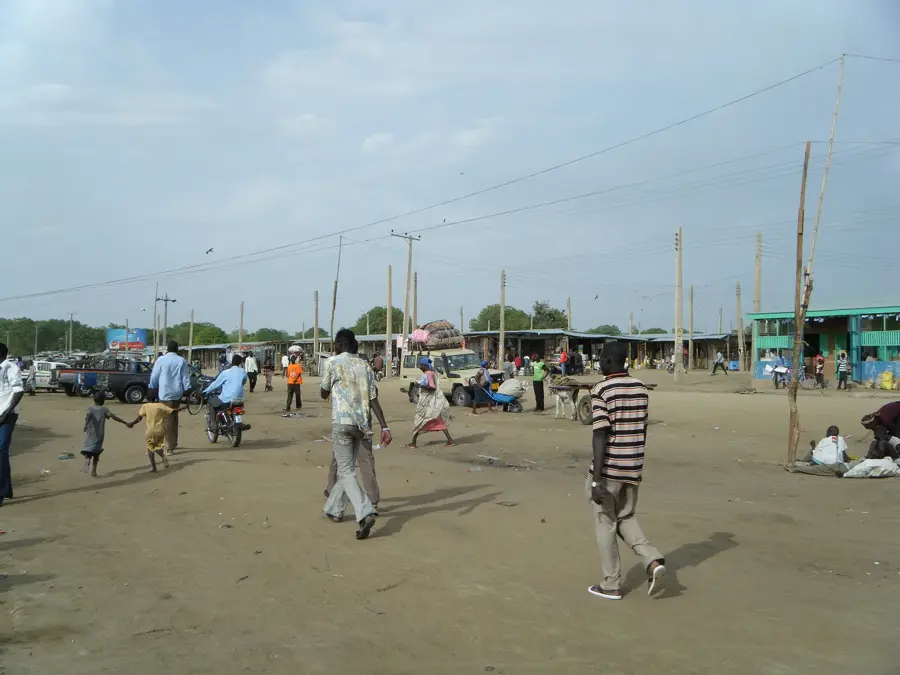
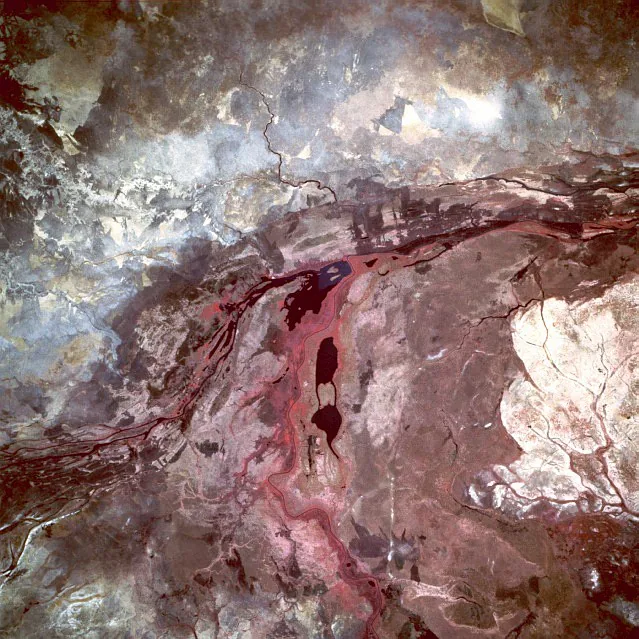
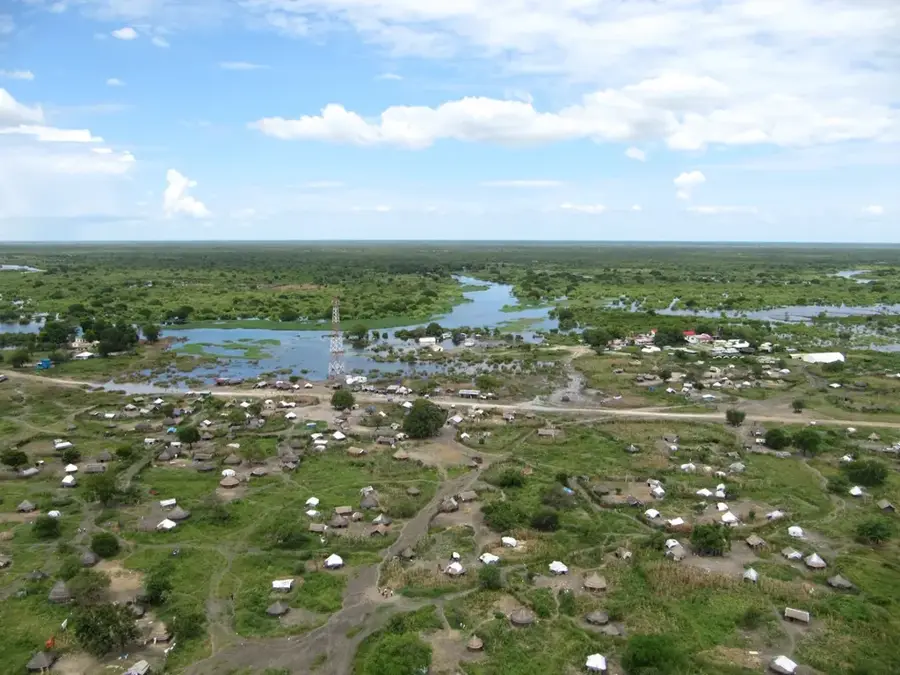
The Sudd is one of the world's largest freshwater wetlands, covering an area that expands to over 57,000 square kilometers during the peak rainy season in central South Sudan. Its name is derived from the Arabic word for 'barrier,' referencing the massive, floating islands of vegetation (predominantly papyrus and water hyacinth) that famously obstructed river navigation for centuries. Hydrologically, the Sudd acts as a vast natural sponge, absorbing the floodwaters of the White Nile and releasing them slowly, though nearly half of the inflow is lost to evaporation. The area is designated as a Ramsar site of international importance, providing a sanctuary for endangered species like the shoebill stork, elephants, and millions of migratory birds. Geologically, the Sudd occupies a tectonic depression filled with deep layers of riverine sediment. For the Dinka, Nuer, and Shilluk peoples, the wetland is the bedrock of their culture, providing vital dry-season grazing for cattle and prolific fishing grounds. Controversial drainage projects like the Jonglei Canal were halted due to ecological concerns and regional conflict.
- Location: South Sudan
- Nearby: Panyijar (67 km)
Best time to visit & climate
The most pleasant time to visit is Jan, Nov, Dec.
| Jan | Feb | Mar | Apr | May | Jun | Jul | Aug | Sep | Oct | Nov | Dec | |
|---|---|---|---|---|---|---|---|---|---|---|---|---|
| Avg °C | 29 | 32 | 33 | 32 | 29 | 28 | 27 | 26 | 27 | 28 | 28 | 29 |
| Rain mm | 1 | 2 | 14 | 48 | 122 | 125 | 136 | 149 | 130 | 115 | 25 | 12 |
📋 Practical info
Geography
Facts
- The Sudd is recognized as the largest freshwater wetland in all of Africa.
- Its surface area fluctuates between 30,000 km² in the dry season and 57,000 km² in the wet season.
- Nearly 50% of the White Nile's water volume is lost to evaporation within the Sudd.
- It was officially designated as a Ramsar Wetland of International Importance in 2006.
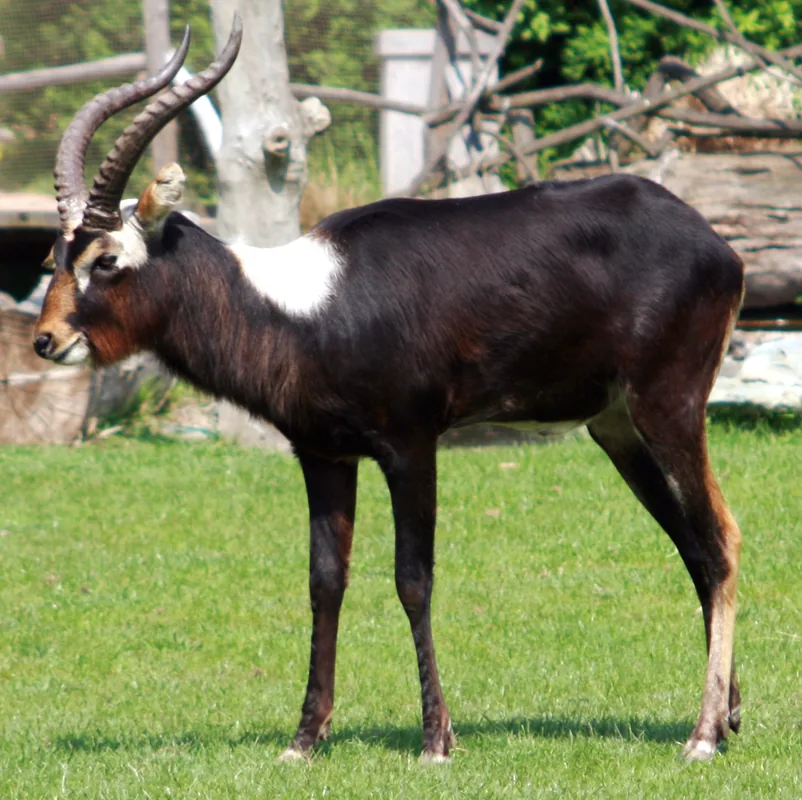
- The wetland supports the second-largest mammal migration on Earth, involving tiang antelopes.
- The floating vegetation blocks (sudd) can be so thick that they support the weight of a person.
Explore nearby
Notable places around



Route planner — Car & Motorhome
Where do you start? We build the route here, with stops and country notes along the way.
© OpenStreetMap contributors · OpenRouteService
Sights nearby
Frequently asked questions
What are the Sudd wetlands?
Is the wetland accessible to tourists?
Are there many mosquitoes there?
Can you watch birds there?
How do you navigate the Sudd?
Sudd Wetland: where is it located?
Sudd Wetland: when is the best time to visit?
Sudd Wetland: why is it worth visiting?

Nearby cities
Nature
More places