Plizio Visual Lab

Cradle of Humankind
Plizio editorial teamData Sources
Historical site
—°6
Cradle of Humankind (South Africa)

Weather…

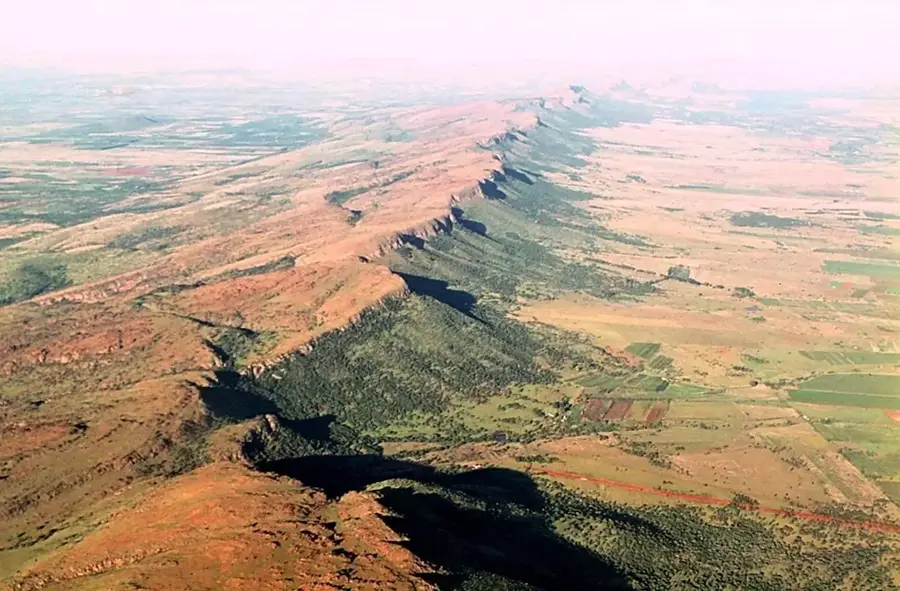
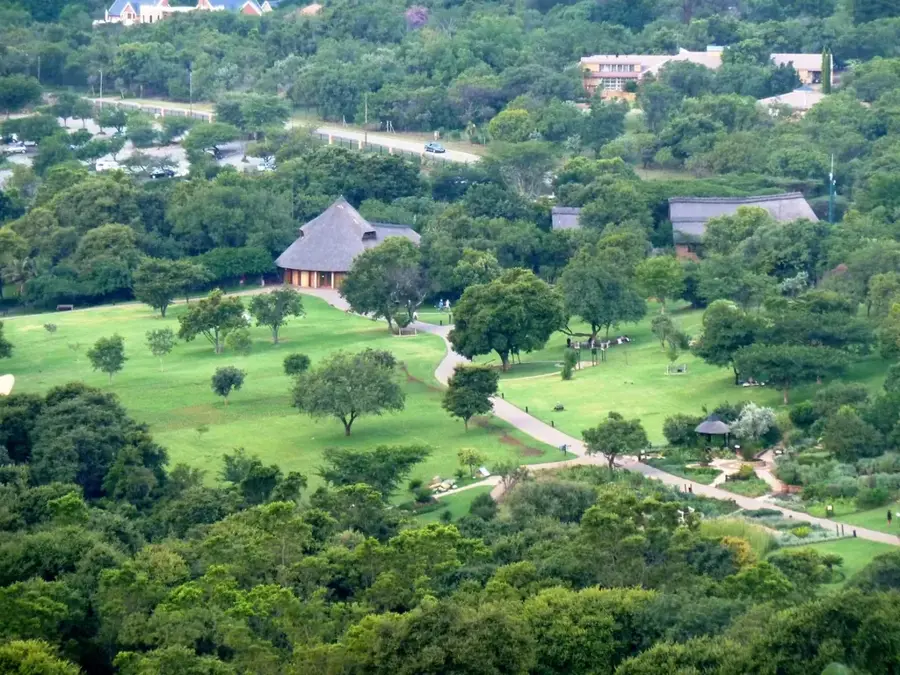
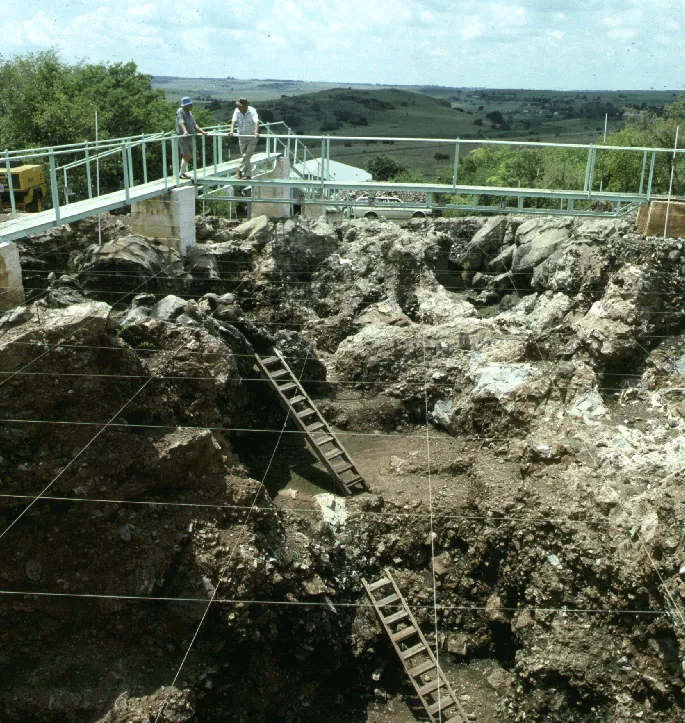
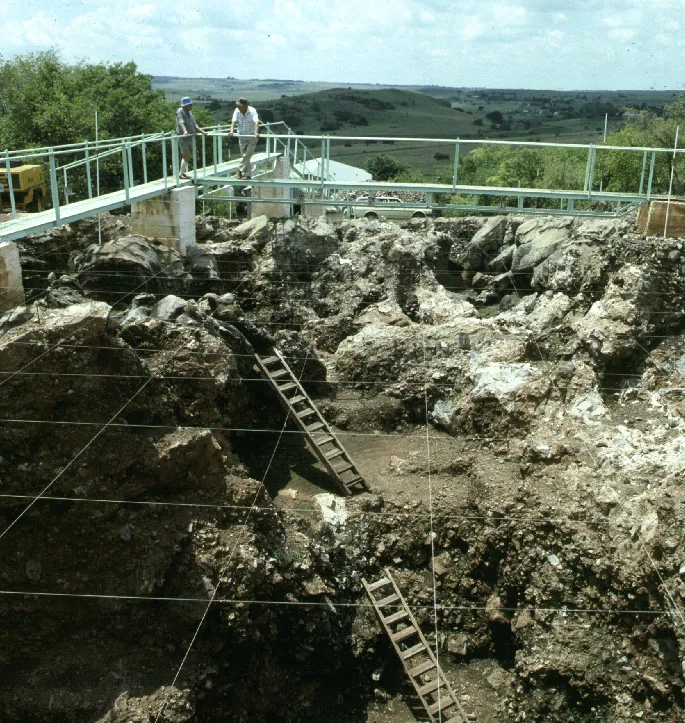
The Cradle of Humankind is a paleoanthropological site of immense global significance, located about 50 kilometers northwest of Johannesburg. Covering roughly 47,000 hectares, this UNESCO World Heritage Site contains a high concentration of limestone caves that have yielded some of the world's oldest and most complete hominid fossils. The Sterkfontein Caves are perhaps the most famous, where the 2.1-million-year-old skull of 'Mrs. Ples' was discovered in 1947. This landscape provides a record of human evolution spanning over 3 million years, offering unique insights into the origins of our species. The Maropeng Visitor Centre serves as the primary gateway for tourists, featuring subterranean boat rides and interactive exhibits on evolutionary biology. Ongoing research in the area, such as the discovery of Homo naledi in the Rising Star cave system, continues to reshape our understanding of the human family tree. The site is a cornerstone of biological anthropology and evolutionary science.

Best time to visit & climate

The most pleasant time to visit is Feb, Sep, Oct.

JanFebMarAprMayJunJulAugSepOctNovDec
Avg °C222120171310101317202121
Rain mm12382734316737165789127

📋 Practical info

🚪
Visiting
The Cradle of Humankind is open to the public, with a visitor center and guided tours of the caves. Some areas are restricted for conservation, but the major fossil sites can be visited.
🕒
Typical hours
The visitor center and caves are typically open daily from 9:00 AM to 5:00 PM. Guided tours run at set times, so advance booking is recommended.
📷
Photography
Photography is allowed in most exhibition areas, but no flash is permitted in the caves for preservation. Photos of fossils are allowed without flash to protect the exhibits.
⏱️
Time needed
A guided tour of the Sterkfontein Cave takes about an hour. Plan for a total of two to three hours to explore the visitor center and exhibitions.
Combine with
Combine the visit with the Maropeng Visitor Centre, which features interactive exhibits on human evolution. The nearby Wonder Caves are also worth a detour.
🧭
Getting there
The site is about an hour's drive from Johannesburg and is best accessed by rental car. Organized bus tours from Johannesburg or Pretoria are also available.
💡
Insider tip
Arrive early in the morning to avoid crowds and book the cave tour online in advance. Wear sturdy shoes as the caves can be damp and slippery.

Geography

Coordinates
-25.93150, 27.75330

Facts

  • The site was officially designated as a UNESCO World Heritage Site in 1999.
  • Robert Broom discovered the 'Mrs. Ples' skull at Sterkfontein in 1947.
  • The near-complete 'Little Foot' skeleton is dated to roughly 3.67 million years ago.
  • There are more than 30 significant fossil-bearing caves within the protected area.
  • The Maropeng Visitor Centre opened in 2005 to showcase evolutionary history.
  • The discovery of Homo naledi in 2013 involved more than 1,500 individual fossil elements.

Explore nearby

Notable places around
Route planner — Car & Motorhome

Where do you start? We build the route here, with stops and country notes along the way.

Vehicle
Only stops with (optional):

© OpenStreetMap contributors · OpenRouteService

Sights in the town Cradle of Humankind (6)

Vulture Hide🌿 nature

This specialized viewing hide overlooks a designated feeding area, providing wildlife enthusiasts with up-close photographic opportunities of scavenging Cape Vultures.

Hartebeesthoek Radio Astronomy Observatory📍 landmark

Set within a natural bowl of hills to shield it from interference, this observatory operates a massive 26-meter radio telescope dish to probe the cosmos.

Bothongo WonderCave🌿 nature

Accessible via an elevator plunge, this massive limestone cavern features spectacular ancient stalactite and stalagmite formations reaching up to 15 meters in height.

Rhino and Lion Nature Reserve🌿 nature

This privately-owned wildlife park in the Highveld allows visitors to drive through enclosures to see endangered wild dogs, white rhinos, and predators.

Animal creche🎡 recreation

Situated within the larger reserve, this specialized nursery cares for orphaned, abandoned, or recovering young wildlife before they can join larger enclosures.

Sterkfontein, Swartkrans, Kromdraai, and Environs🏺 historical

Designated as a UNESCO World Heritage site, this vast network of dolomite limestone caves yielded the famously ancient "Mrs. Ples" and "Little Foot" hominin fossils.

Sights nearby

Frequently asked questions

How much time should you plan for the Cradle of Humankind?
For a comprehensive visit, you should plan at least half a day to a full day.
Are there guided tours?
Yes, guided tours through the caves and the Maropeng center are highly recommended.
Is the place suitable for children?
Absolutely, the interactive Maropeng center is very family-friendly.
Do you have to pay admission?
Yes, there is an admission fee for the Maropeng center and Sterkfontein caves.
What is the best season to visit?
The dry autumn and spring months offer the most pleasant weather.
Cradle of Humankind: where is it located?
Cradle of Humankind is located in South Africa.
Cradle of Humankind: what is there to see?
Highlights include Vulture Hide, Hartebeesthoek Radio Astronomy Observatory, Bothongo WonderCave.
Cradle of Humankind: when is the best time to visit?
The most pleasant time to visit is Feb, Sep, Oct.
Cradle of Humankind: why is it worth visiting?

The Cradle of Humankind is a paleoanthropological site of immense global significance, located about 50 kilometers northwest of Johannesburg.
View on map → The Top 50 Attractions → OpenStreetMap →
Africa
Explore with Plizio Discover more places in Africa
More places in South Africa →

Nearby cities

History & landmarks

More places