Plizio Visual Lab
Tabuk
ℹ️Practical info — Tabuk
▾
🌤 Weather — 5 days
📍 Nearby
Sights nearby
💡 Tips
- Rent a 4x4 vehicle if you plan to explore the spectacular surrounding natural wonders, like Wadi Al Disah, on your own.
- Summer daytime temperatures are extreme; plan outdoor sightseeing for the early morning or late evening.
- Visit the restored Hijaz Railway Station to learn about the region's Ottoman history and the era of Lawrence of Arabia.
- Respect local customs: dress conservatively in public spaces (shoulders and knees should always be covered).
🍽 Food
Traditional Saudi slow-cooked rice and meat dishes. Look for busy local restaurants in the city center.
The traditional staple of hospitality. Enjoy it in traditional-style cafes or hotel lounges.
A stuffed, pan-fried pastry available in sweet or savory versions. It is a popular street food found at evening market stalls.
🛍 Shopping · 🧘 Quiet spots
A traditional market well-suited for finding spices, Bedouin tents, and rustic camping gear for desert trips.
The region produces excellent dates. Buy fresh or dried varieties at the local agricultural markets.
A green oasis inside the city that is excellent for a quiet family walk or a relaxing evening stroll.
In the early morning, the grounds around this historic fortress are very peaceful and offer great lighting for photos.
Water temperature…
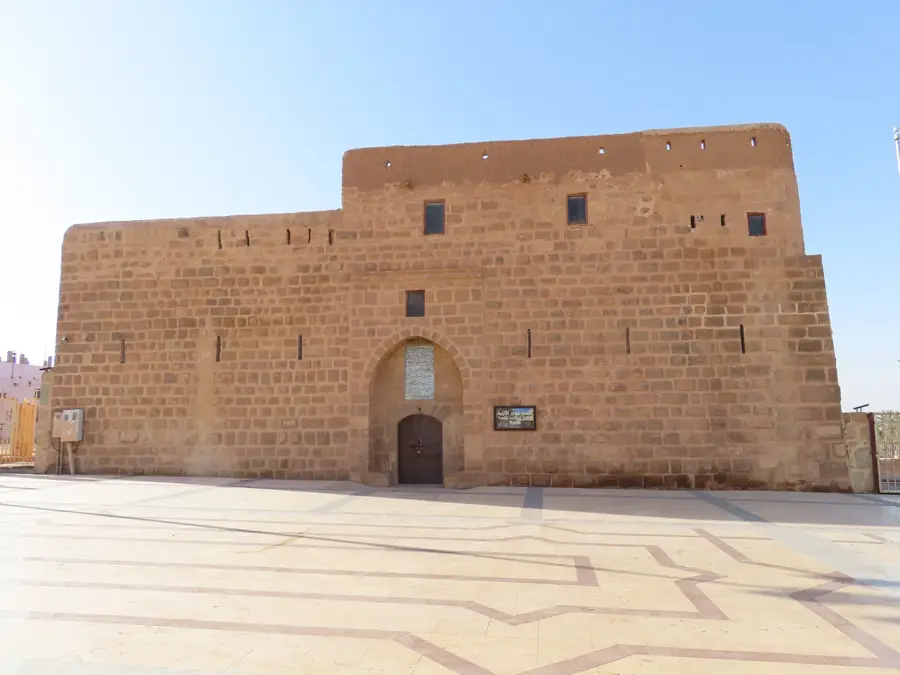
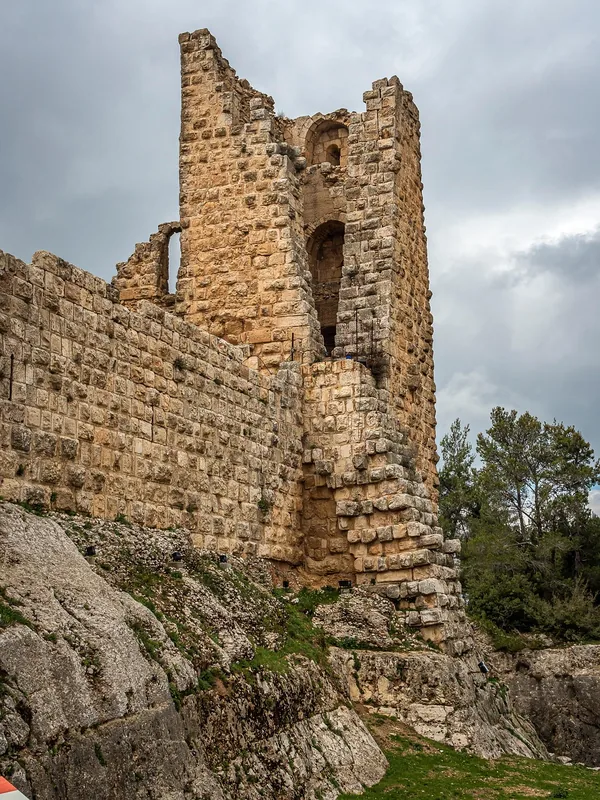
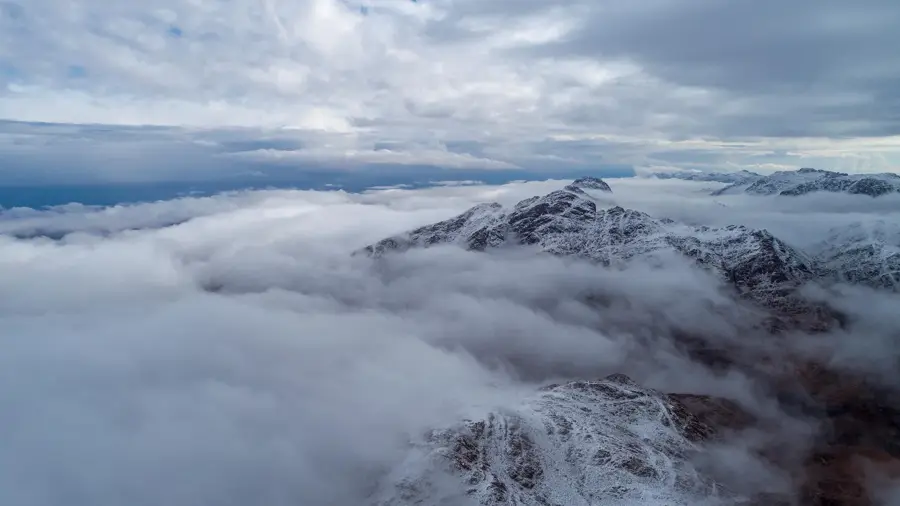
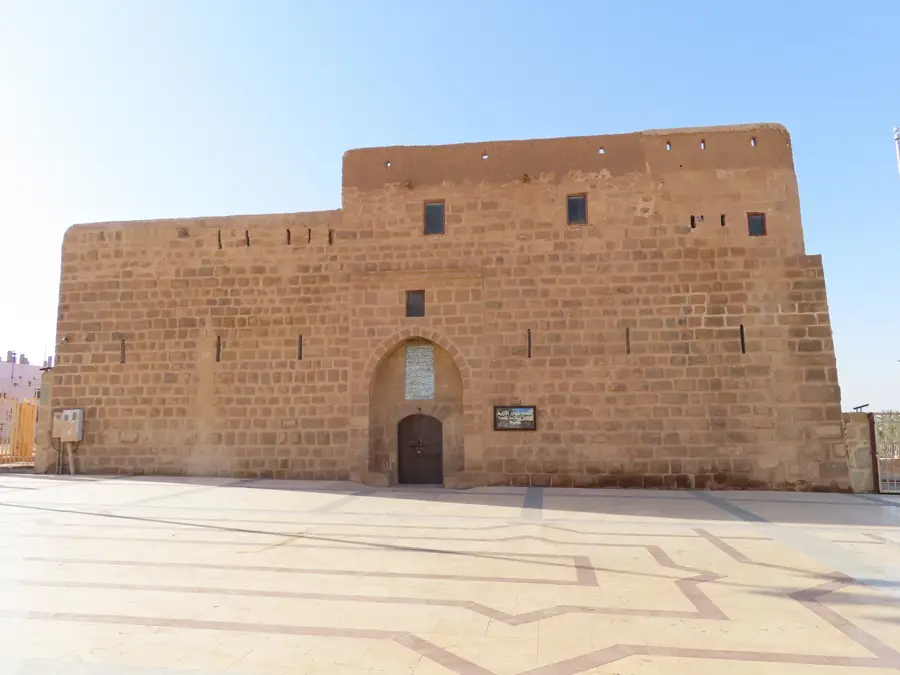
Tabuk, the capital of the Tabuk Region in northwestern Saudi Arabia, serves as a vital gateway connecting the Kingdom with Jordan and Egypt. The city's history is deeply intertwined with the early days of Islam, most notably the Expedition of Tabuk led by the Prophet Muhammad in 630 CE. A significant landmark in the city is the Tabuk Castle, an Ottoman-era fortress that was once a key stop for pilgrims traveling to Mecca and Medina. The city also preserves a station of the historic Hejaz Railway, an early 20th-century engineering feat designed to facilitate the Hajj pilgrimage. In the modern era, Tabuk has transformed into a major agricultural and military hub. The region’s fertile soil and sophisticated irrigation systems support vast farms that produce wheat, poultry, and millions of roses for export to Europe. Tabuk is also at the doorstep of NEOM, the Kingdom's multi-billion-dollar futuristic giga-project, making it a focal point of Saudi Arabia's Vision 2030. The natural landscape around Tabuk is breathtakingly diverse, ranging from the dramatic sandstone pillars of Wadi Al-Disah to the granite peaks of Jabal Al-Lawz, which often see snowfall during the winter months. The climate is generally milder than the central and eastern provinces, with pleasantly cool winters. Modern Tabuk is a spirited city featuring advanced infrastructure, a domestic-turned-international airport, and the prestigious University of Tabuk. It is a starting point for exploring the archaeological wonders of the region, including the ancient tombs of Magha'er Shu'ayb. The city's unique location at the northern tip of the Red Sea coast ensures its strategic importance in trade and regional logistics. With its blend of religious significance, historical landmarks, and proximity to cutting-edge future developments, Tabuk is a fascinating destination that captures the essence of Saudi Arabia's diverse identity.
- Location: Saudi Arabia
- Population: ~667.000 (2026)
Best time to visit & climate
The most pleasant time to visit is Apr, May, Oct.
| Jan | Feb | Mar | Apr | May | Jun | Jul | Aug | Sep | Oct | Nov | Dec | |
|---|---|---|---|---|---|---|---|---|---|---|---|---|
| Avg °C | 9 | 12 | 16 | 20 | 25 | 29 | 30 | 30 | 28 | 23 | 16 | 11 |
| Rain mm | 7 | 2 | 2 | 2 | 3 | 0 | 0 | 0 | 0 | 1 | 4 | 2 |
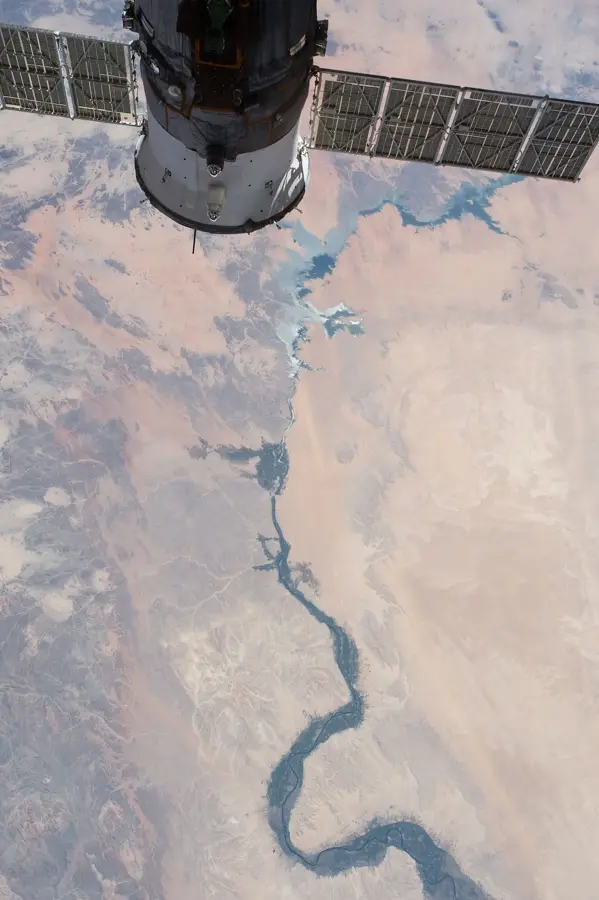
Geography
Facts
- Tabuk Castle was built by the Ottomans to protect the water wells along the Hajj route.
- The city is located approximately 1,100 kilometers northwest of Riyadh.
- The Prince Sultan Bin Abdulaziz Airport was upgraded to international status in 2011.
- The 'Spring of Tabuk' provided water for the Prophet's army during the expedition.
- The region is a major hub for the Saudi poultry industry.
- Snowfall on the mountains near Tabuk often attracts thousands of local visitors.
- The historical site of Aynunah was a key port on the Red Sea for the Nabateans.
- Tabuk’s strategic location makes it a key part of the Arab bridge maritime link.
Explore nearby
Notable places around
Route planner — Car & Motorhome
Where do you start? We build the route here, with stops and country notes along the way.
© OpenStreetMap contributors · OpenRouteService
Sights in the town Tabuk (1)
Frequently asked questions
What is special about Tabuk?
Does it snow in Tabuk in winter?
Are there archaeological sites?
How is the region for nature lovers?
What is a must-try?
Tabuk: where is it located?
Tabuk: when is the best time to visit?
Tabuk: why is it worth visiting?

Nearby cities
More places