Plizio Visual Lab
Taga
ℹ️Practical info — Taga
▾
🌤 Weather — 5 days
📍 Nearby
Sights nearby
💡 Tips
- The famous Alofaaga Blowholes are most impressive at high tide. Check the tide times before you go.
- For a small tip, locals will throw coconuts into the blowholes to demonstrate the enormous power of the water jets.
- The lava rock on the coast is razor-sharp and very uneven; make sure you wear sturdy, closed-toe shoes here.
- The drive through Taga village is authentic and quiet; drive slowly as there are often pigs, dogs or playing children on the road.
🍽 Food
Refresh yourself with a young Niu, often cracked open by villagers right at the entrance to the blowholes.
A salty, crunchy local alternative to potato chips that makes a great snack for the trip.
Because Taga is remote and there are hardly any restaurants, it is best to bring your own picnic to the coast.
🛍 Shopping · 🧘 Quiet spots
The caretakers of the blowholes sometimes sell small, hand-carved items made from polished coconut.
Buy drinks here to support the village community that keeps the blowholes accessible to visitors.
Walk a few hundred meters along the rugged lava coast to enjoy the roar of the sea away from the other tourists.
Find a safe spot on the rocks and watch mesmerized as the waves crash against the cliffs.
Water temperature…
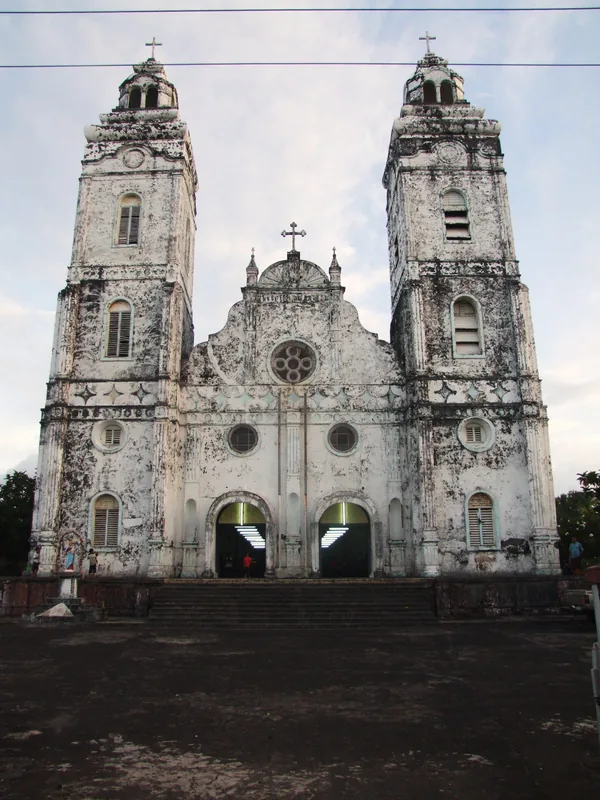
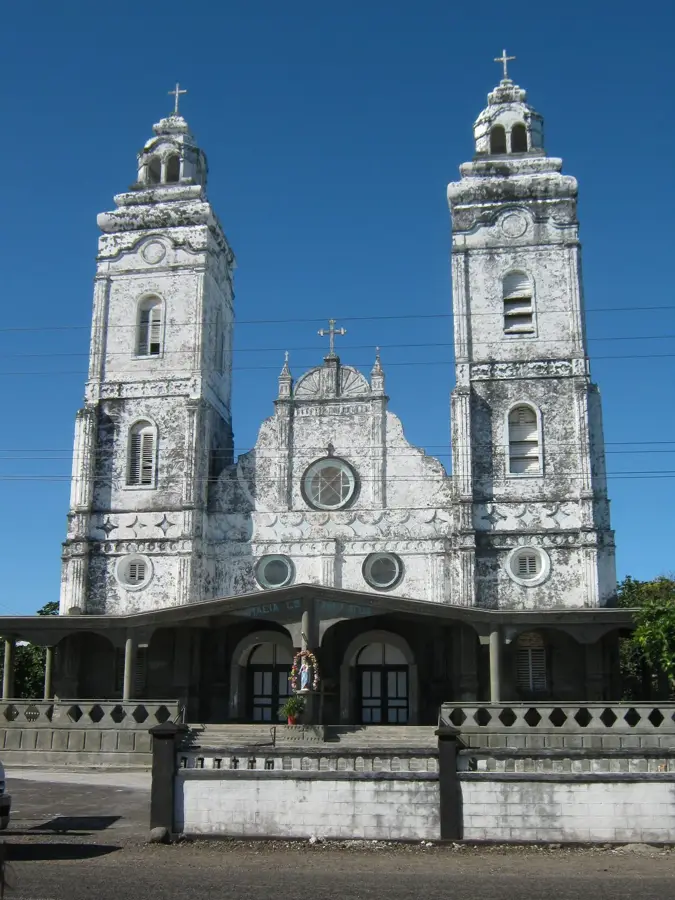
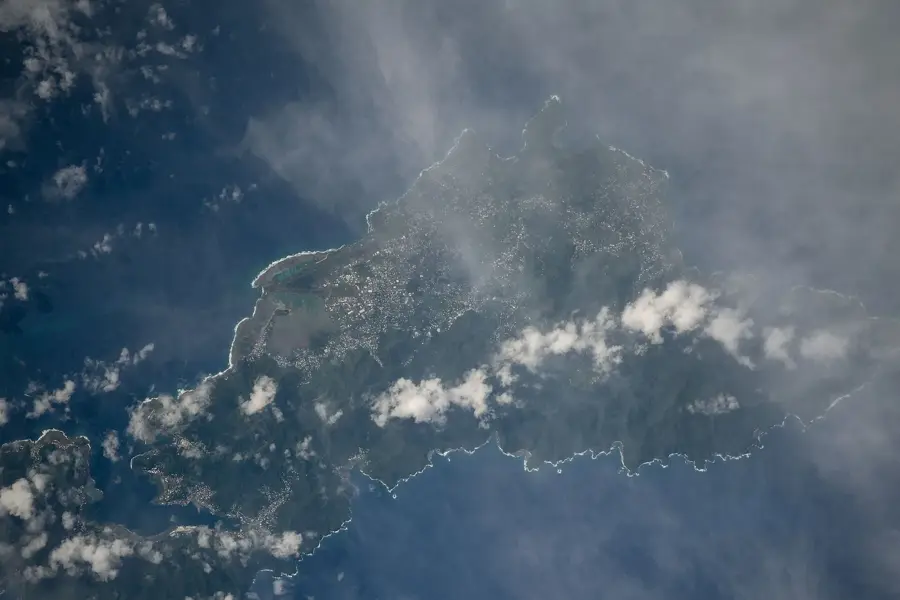
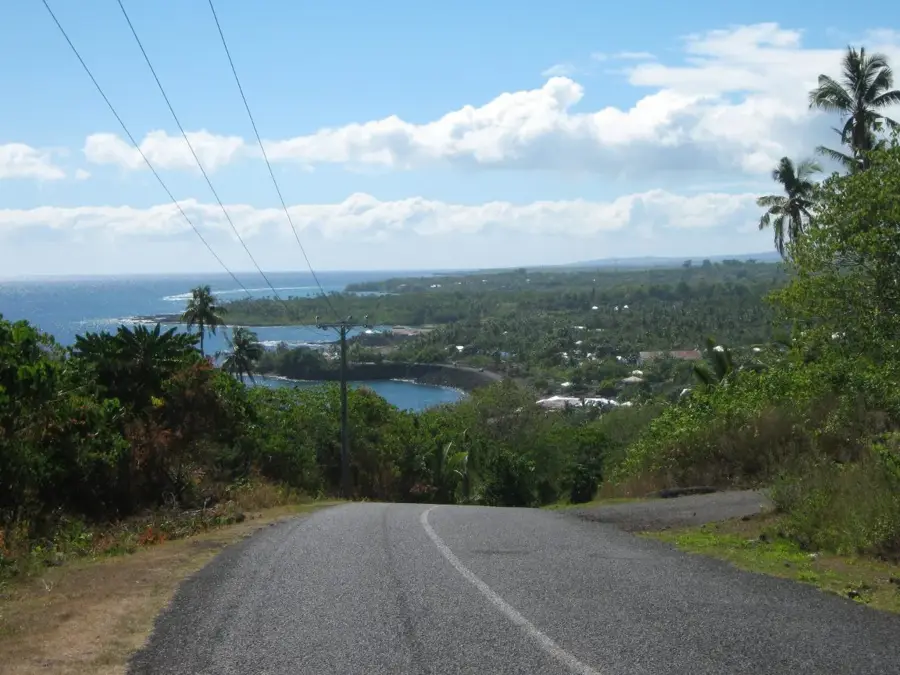
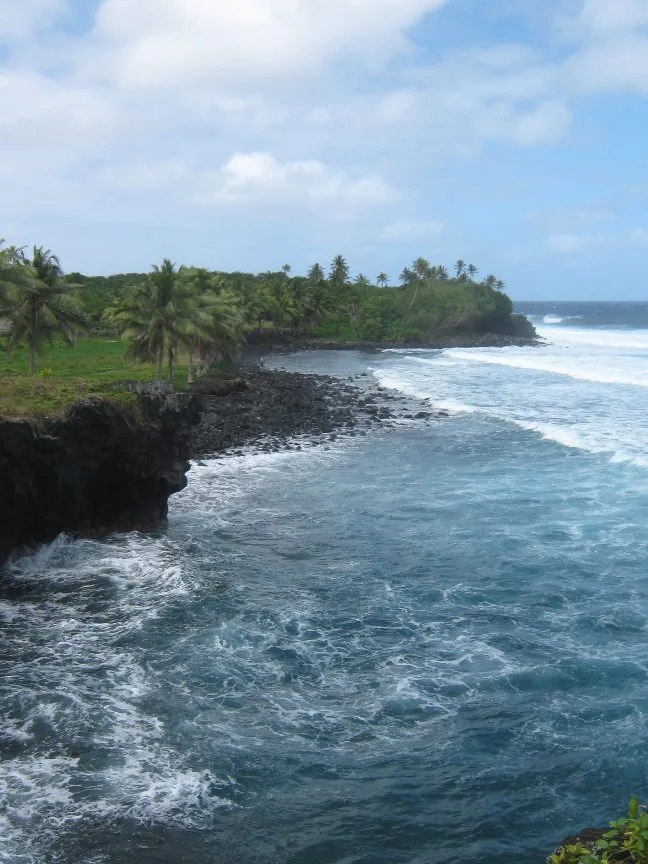
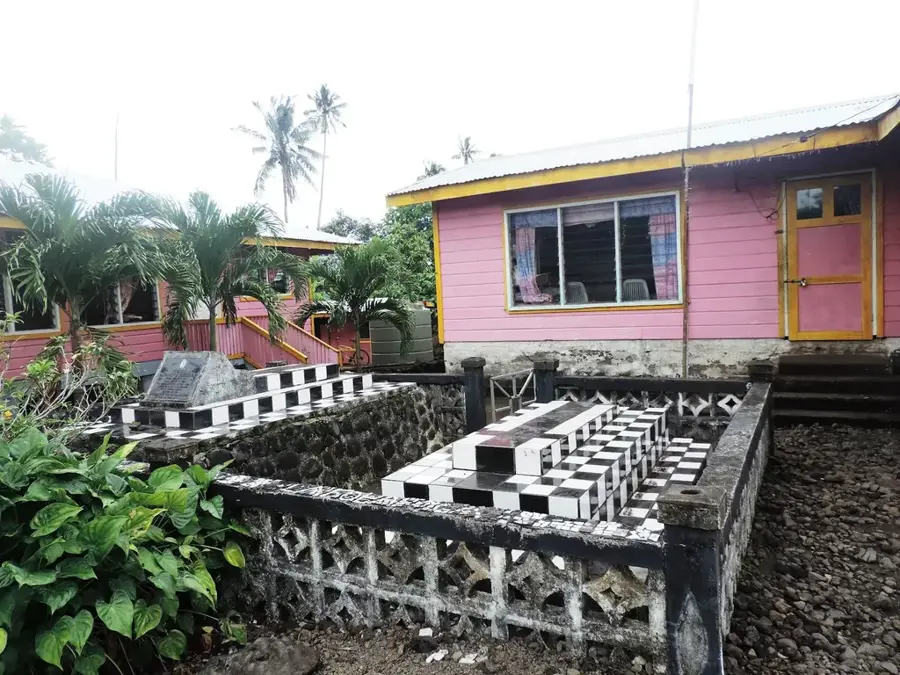
Taga is a remote and captivating village on the southwestern coast of Savai'i, world-famous for the spectacular Alofaaga Blowholes. This geological phenomenon occurs when ocean swells are forced through ancient subterranean lava tubes, resulting in powerful jets of water blasting hundreds of feet into the air. Geographically, Taga is situated on a vast plateau of solidified basalt that terminates in sheer cliffs overlooking the Pacific, offering a rugged and wild aesthetic. Daily life in the village is characterized by its relative isolation and a profound connection to the land, with subsistence farming being the economic mainstay. Culturally, Taga has preserved many older Samoan traditions and protocols, and the local community is renowned for its generous hospitality towards those who make the journey to this distant corner of the island. The village architecture is practical and traditional, with structures designed to withstand the brisk coastal winds. Taga represents a place of extremes, where the raw power of the ocean meets the deep serenity of the Samoan bush.
- Location: Samoa
- Nearby: Sagone (12 km)
- Population: ~680 (2012)
Best time to visit & climate
The most pleasant time to visit is Jul–Sep.
| Jan | Feb | Mar | Apr | May | Jun | Jul | Aug | Sep | Oct | Nov | Dec | |
|---|---|---|---|---|---|---|---|---|---|---|---|---|
| Avg °C | 28 | 28 | 28 | 28 | 28 | 28 | 27 | 27 | 27 | 27 | 28 | 28 |
| Rain mm | 266 | 262 | 180 | 168 | 134 | 98 | 79 | 61 | 91 | 146 | 213 | 237 |
Geography
Facts
- The Alofaaga Blowholes can propel seawater jets up to 30 meters high.
- The village of Taga manages access to the blowholes as a community revenue source.
- The coastline near Taga consists of extremely sharp and rugged volcanic rock.
- Archeological remains of ancient fortifications are located in the vicinity.
- The village is a significant producer of high-grade copra in the region.
- Taga is among the westernmost settlements on the island of Savai'i.
Explore nearby
Notable places around


Route planner — Car & Motorhome
Where do you start? We build the route here, with stops and country notes along the way.
© OpenStreetMap contributors · OpenRouteService
Sights in the town Taga (1)
Frequently asked questions
What are the 'Alofaaga Blowholes' in Taga?
Is it safe to watch the blowholes?
What is the best time for the blowholes?
Is there an entrance fee?
How much time should I plan for?
Taga: where is it located?
Taga: when is the best time to visit?
Taga: why is it worth visiting?
Nearby cities